Rifan Muazin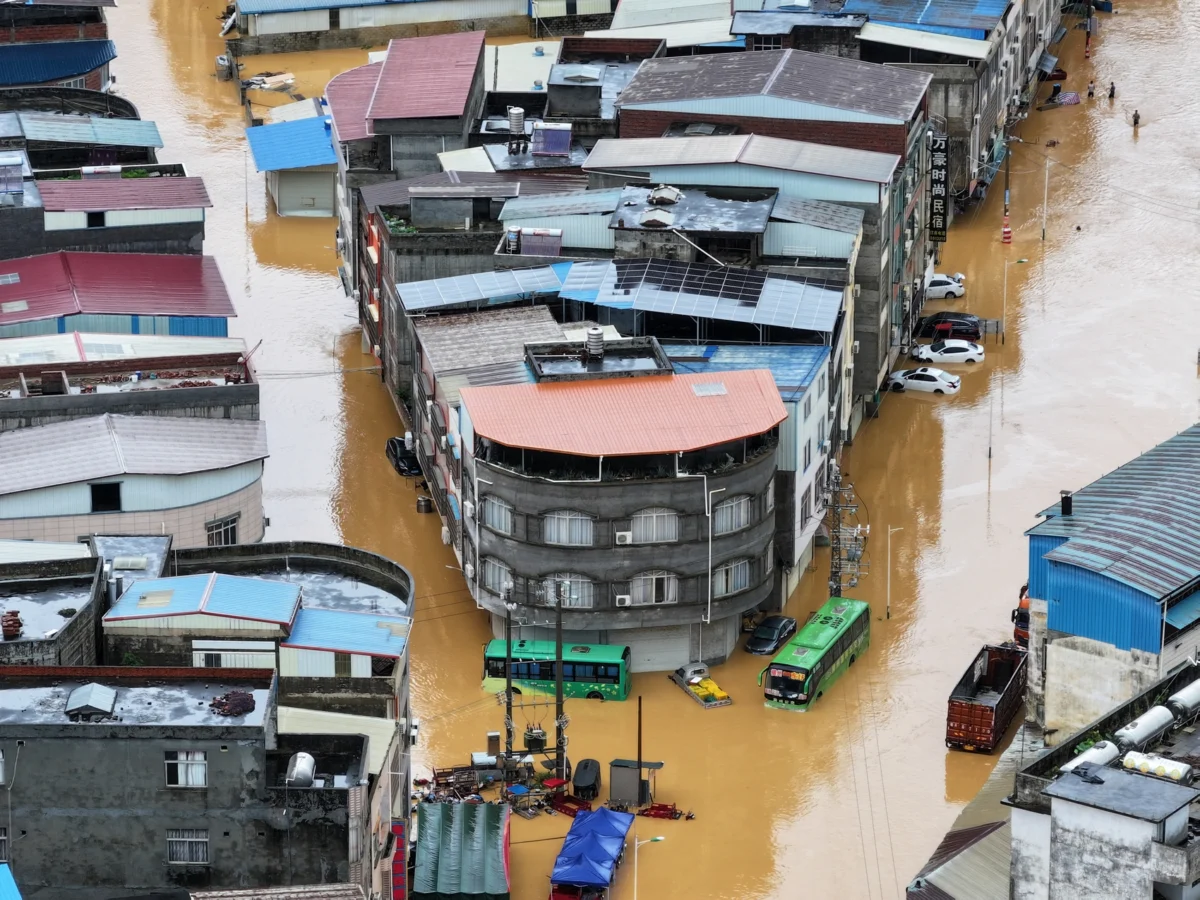
Across vast swathes of China, a series of relentless and devastating natural disasters has claimed at least 15 lives, left hundreds injured, and forced the evacuation of tens of thousands, as reported by state media on Tuesday. The severe weather events, ranging from intense thunderstorms and gale-force winds to the destructive force of a typhoon and a separate, deadly landslide, have prompted an immediate and comprehensive response from the nation’s leadership. President Xi Jinping, acknowledging the gravity of the unfolding crises, has issued an unequivocal call for "all out" rescue and relief efforts, underscoring the urgency of safeguarding lives and mitigating further damage.
The central province of Hubei bore the brunt of particularly fierce "severe convective weather" late Monday, a meteorological term encompassing intense thunderstorms, high winds, and often, tornadoes. This tumultuous episode resulted in the deaths of at least 11 individuals, while 331 others sustained injuries. The state news agency Xinhua highlighted the abrupt onset and the potent, short-duration nature of the winds as defining characteristics of this weather system, contributing to its destructive impact. Beyond the human toll, the storm system wrought extensive structural damage, with approximately 4,800 houses reported damaged and 22 completely collapsed, painting a stark picture of the widespread destruction across affected cities within the province. Search and rescue operations remain active, with one person still officially listed as missing, prompting ongoing efforts to locate them amidst the debris and chaos.

Concurrently, the southern autonomous region of Guangxi has been grappling with the aftermath of Typhoon Maysak, which unleashed torrential rains and triggered severe flooding. The typhoon’s passage has tragically claimed at least four lives, with a further eight individuals currently unaccounted for, intensifying fears for their safety. The scale of the humanitarian crisis in Guangxi is considerable, with over 50,000 residents compelled to evacuate their homes as floodwaters inundated communities and threatened critical infrastructure. The regional capital, Nanning, elevated its flood control emergency response to the highest possible level, a critical decision precipitated by the sheer volume of rainfall and the alarming breach of several dams. State broadcaster CCTV aired dramatic footage vividly illustrating the destructive power of these breaches, showing torrents of muddy water surging through the crumbled concrete walls of a reservoir dam, underscoring the overwhelming force of the floodwaters.
A Nation Mobilizes: President Xi’s Directives and Coordinated Response
In response to the escalating multi-front disaster, President Xi Jinping convened an urgent meeting on Tuesday, issuing clear and resolute directives for a robust national response. His mandate for rescuers to "go all out" in organizing emergency operations was prominently featured across state media, signalling the highest level of government priority. Xi further emphasized the paramount importance of "treating the injured, resettling affected residents, and carrying out disaster prevention and relief work effectively." This comprehensive directive outlines a multi-pronged approach, focusing not only on immediate rescue but also on crucial post-disaster care and long-term recovery.

Footage broadcast by state media depicted the immediate mobilization of emergency services, with rescue workers, identifiable by their life vests and helmets, tirelessly searching for survivors and those in distress. Inflatable boats were seen deployed across flooded areas, navigating submerged streets and fields to reach isolated individuals and provide critical assistance. The coordinated effort involves various government agencies, local authorities, and the People’s Liberation Army, all working in concert to manage the complex logistics of search and rescue, medical aid provision, and temporary shelter establishment for the displaced. The rapid deployment of resources reflects China’s well-established emergency response protocols, though the concurrent nature of these widespread disasters presents significant challenges to even a highly organized system.
Concurrent Catastrophe: The Gansu Landslide
Adding to the nation’s woes, a separate and equally perilous incident unfolded in the northwestern province of Gansu. On Tuesday morning, a massive landslide struck a village, tragically burying 33 people. Immediate and strenuous rescue efforts were launched, and by the latest reports, 17 individuals had been successfully extricated from the debris. However, the fate of the remaining trapped individuals remains uncertain, intensifying the urgency of ongoing search operations. CCTV reported that local authorities are "making every effort" to locate those still engulfed by the landslide, while simultaneously focusing on the "proper relocation and settlement of affected residents" and implementing stringent measures to "strictly guard against secondary disasters." Landslides, particularly common in mountainous regions after heavy rainfall, pose a significant risk, often complicating rescue efforts and threatening already vulnerable populations. The incident in Gansu, while geographically distinct from the storm systems in Hubei and Guangxi, highlights the multi-faceted environmental challenges facing China during its intense summer weather season.

Broader Context: China’s Vulnerability to Natural Disasters and the Shadow of Climate Change
China, with its vast and diverse geography, is inherently susceptible to a wide array of natural disasters, a reality that becomes particularly pronounced during the summer months. This season frequently brings a dichotomy of extreme weather: some regions endure periods of intense, often record-breaking rainfall and devastating floods, while others grapple with scorching heatwaves and prolonged droughts. The current spate of events – severe convective storms, typhoon-induced flooding, and landslides – serves as a stark reminder of this perennial vulnerability. Historical data indicates a rising trend in both the frequency and intensity of such events, raising concerns about long-term environmental and societal impacts.
Scientists globally are increasingly unequivocal in their warnings: the intensity and frequency of extreme weather events are set to escalate as the planet continues its warming trajectory, primarily driven by the accumulation of greenhouse gas emissions from human activities, predominantly the burning of fossil fuels. China, as the world’s largest emitter of greenhouse gases, finds itself in a paradoxical position. While its rapid industrialization has contributed significantly to global emissions, the nation is also concurrently making substantial investments and strides in renewable energy, positioning itself as a global powerhouse in solar, wind, and hydropower technologies. The ambitious goal of achieving carbon neutrality by 2060 underscores a national commitment to address climate change, yet the immediate challenges posed by its consequences are becoming increasingly apparent.

The devastating events of July 2026 are not isolated incidents but rather fit into a troubling pattern observed in recent years. Just two months prior, in May, China experienced another wave of heavy rainfall across its central and southern regions, leading to the deaths of at least 22 people. State media at the time noted that some areas were "hit by record-breaking rainfall," a phrase that has become increasingly common in meteorological reports across the globe. This recurrent pattern of extreme weather underscores the urgent need for enhanced climate resilience measures, more robust early warning systems, and adaptive urban and rural planning strategies.
Socio-Economic Impact and Long-Term Recovery
The immediate human cost of these disasters is tragic, but the socio-economic ramifications extend far beyond the initial casualty counts. The destruction of 4,800 houses and the collapse of 22 more in Hubei alone represent significant material losses for thousands of families, many of whom have also lost their livelihoods. Agricultural land, crucial for food security, is often severely impacted by floods and landslides, threatening crop yields and the incomes of rural communities. The displacement of tens of thousands of people places immense strain on local resources, requiring the establishment of temporary shelters, provision of food, water, and medical care, and psychological support for those who have endured trauma.

The process of recovery and reconstruction will be a monumental undertaking, requiring substantial financial investment and coordinated effort. Rebuilding homes, repairing damaged infrastructure such as roads, bridges, and communication networks, and restoring essential services will take months, if not years. Furthermore, there is the critical task of strengthening existing infrastructure to better withstand future extreme weather events, a proactive measure that is becoming increasingly vital in the face of a changing climate. This includes reinforcing dams, improving drainage systems, and implementing stricter building codes in vulnerable areas.
Enhancing Preparedness and Mitigation Strategies
China has invested heavily in disaster preparedness and mitigation strategies over the past decades, developing sophisticated early warning systems for floods, typhoons, and geological hazards. These systems, combined with a robust emergency response framework, have undoubtedly saved countless lives. However, the scale and intensity of recent events suggest that continuous adaptation and enhancement are necessary. This includes leveraging advanced meteorological forecasting technologies, improving real-time data collection and dissemination, and fostering greater public awareness and preparedness at the community level. Education on evacuation routes, emergency kits, and safe practices during severe weather events is paramount.

Moreover, a critical aspect of long-term resilience involves ecological restoration and sustainable land management practices. Deforestation in upstream areas can exacerbate flooding downstream, while uncontrolled urban expansion into floodplains increases vulnerability. Implementing nature-based solutions, such as restoring wetlands and forests, can play a crucial role in mitigating the impacts of floods and landslides by enhancing natural absorption and retention capabilities.
The events unfolding across Hubei, Guangxi, and Gansu serve as a stark reminder of humanity’s increasing vulnerability to the forces of nature, amplified by the undeniable effects of climate change. As China grapples with the immediate aftermath of these devastating storms and landslides, the national and international focus remains on saving lives, providing relief, and building a more resilient future in the face of an increasingly volatile global climate.

 Azzam Bilal Chamdy
 Asep Darmawan