Sagoh
Sagoh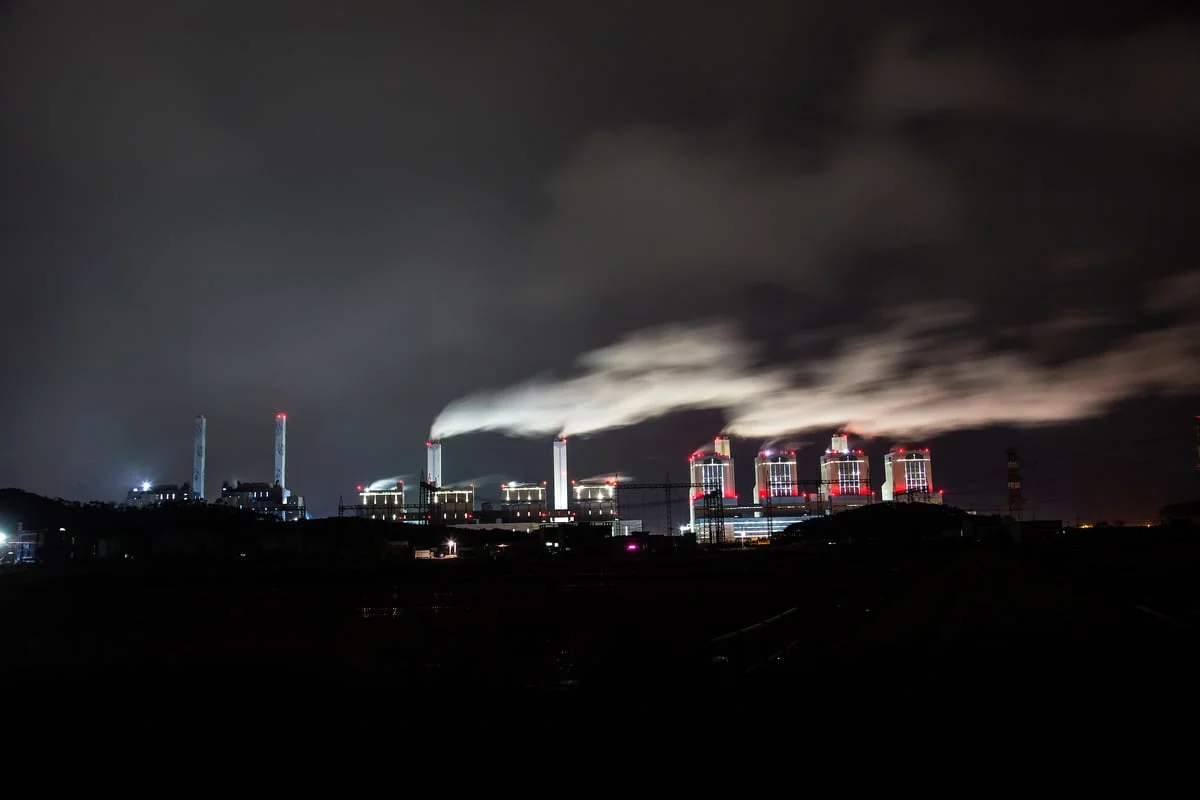
SEOUL – In the wake of the Ministry of Climate, Energy, and Environment’s release of the "Energy Transition Promotion Plan" on April 6, Greenpeace East Asia has voiced strong criticism, deeming the government’s strategy inadequate to curtail the nation’s reliance on volatile fossil fuels. The environmental advocacy group argues that the plan, announced amidst heightened global energy insecurity exacerbated by geopolitical tensions, including the ongoing conflict in Iran, falls short of delivering a truly sustainable and resilient energy future for South Korea.
The government’s ambitious "Energy Transition Promotion Plan" outlines a significant expansion of renewable energy capacity, targeting over 100 gigawatts by 2030. This expansion aims to elevate the contribution of renewable sources to over 20% of the nation’s total power generation. Concurrently, the plan includes provisions for the retirement of 40 out of the country’s 60 coal-fired power plants by 2040. However, a contentious element of the proposal is the retention of 21 coal plants, even after they have reached their design lifespan by 2040, to be maintained as "security reserves." This provision has drawn sharp condemnation from environmental organizations.
Greenpeace’s Scathing Assessment of the Energy Plan
Yeonho Yang, Climate and Energy Campaign Lead at Greenpeace East Asia’s Seoul office, expressed deep concern over the government’s rationale for keeping coal plants operational. "It is deeply concerning that, under the banner of ‘energy security,’ a third of coal plants are being kept on standby as emergency power sources, leaving the door open for their continued pollution," Yang stated. He emphasized that the current geopolitical climate, which has underscored the fragility of fossil fuel supply chains, should serve as a catalyst for a decisive shift away from polluting energy sources, not as justification for their continued use.
Yang further elaborated on the perceived shortcomings of the plan, highlighting the inherent contradiction in phasing out coal while simultaneously increasing reliance on another fossil fuel. "Furthermore, the government’s pledge to reduce coal means little when the gap is simply filled by another fossil fuel, LNG, which, under the current plan, is set to expand to its largest installed capacity in the country’s history. This is a fossil fuel swap rather than a genuine shift to clean energy," he asserted. Greenpeace’s stance is that only a complete transition to renewable energy sources can insulate the nation from the economic shocks triggered by recurring geopolitical events and ensure an affordable, clean, and self-sufficient energy system for its citizens.
Transport Sector Under Scrutiny: A Call for Decisive Action
The "Energy Transition Promotion Plan" also addresses the transport sector, a significant contributor to South Korea’s energy consumption and emissions. The government has set an accelerated target of having 40% of new vehicle sales comprise electric or hydrogen-powered vehicles by 2030. This includes plans for the early electrification of public and commercial fleets, such as police cars, LPG taxis, rental vehicles, and corporate fleets.
However, Greenpeace East Asia argues that these measures lack the necessary punitive elements to drive a truly transformative market shift away from fossil fuels. Eunseo Choi, Transport Campaign Lead at Greenpeace East Asia, pointed out the critical role of the transport sector in the nation’s energy landscape. "This is a critical inflection point for South Korea’s transport sector, which accounts for 26.4% of its oil consumption," Choi stated. She cautioned that merely advancing an existing target is insufficient to create the urgent market signals required for a rapid transition.
Choi emphasized the need for concrete policy interventions, including clear deadlines for phasing out internal combustion engine (ICE) vehicles and robust policy support. "Without clear deadlines for phasing out internal combustion engine cars and strong policy support, the current approach falls far short of what is needed to cut road transport emissions – not only to protect people’s daily lives, but also to free the economy from its dependence on the volatile and insecure oil industry," she explained.
Greenpeace is urging the government to strengthen proposed revisions to vehicle greenhouse gas standards this year and to publicly announce a definitive phase-out of internal combustion engine vehicle sales. Such a decisive announcement, they contend, would send an unambiguous signal to both industry and consumers that the transition to cleaner transportation is no longer optional but an imperative. Furthermore, the organization advocates for a clear sunset date for the temporary fuel tax cut, arguing that the fiscal resources saved should be reinvested into expanding renewable energy-powered charging infrastructure.
Geopolitical Context and Economic Implications
The timing of the "Energy Transition Promotion Plan" is particularly significant, occurring at a time of heightened global energy market volatility. The ongoing war in Iran and other geopolitical conflicts have underscored the precariousness of relying on imported fossil fuels, leading to price fluctuations and supply chain disruptions. South Korea, as a nation heavily dependent on energy imports, is particularly vulnerable to these global shocks.
The government’s stated aim of enhancing "energy security" is a direct response to these anxieties. However, Greenpeace argues that the proposed measures, particularly the continued reliance on coal and LNG, represent a short-sighted approach that perpetuates the very vulnerabilities they aim to address. By not fully committing to a rapid transition to renewables, the plan, according to Greenpeace, leaves South Korea susceptible to future economic crises triggered by geopolitical events.
Broader Impact and Greenpeace’s Recommendations
Greenpeace East Asia’s critique extends beyond the specific policy details, calling for a fundamental reorientation of South Korea’s energy strategy. The organization urges the government to move beyond what they term an "emergency" reliance on fossil fuels, such as easing coal restrictions and extending fuel tax cuts. Instead, they advocate for a decisive shift from a "petrostate trap" to an "electrostater."
This proposed transformation involves redirecting fiscal support towards a comprehensive strategy that prioritizes electric vehicles, the rapid expansion of charging infrastructure, and a concrete roadmap to achieving 100 gigawatts of renewable energy capacity by 2030. The ultimate goal, as articulated by Greenpeace, is to build a power and transport system that is structurally immune to the geopolitical shocks that are currently impacting the Korean economy.
Supporting Data and Chronology
- April 6, 2024: South Korea’s Ministry of Climate, Energy, and Environment announces the "Energy Transition Promotion Plan."
- April 2024: Greenpeace East Asia issues a response, criticizing the plan as inadequate.
- Government Plan Targets:
- Expand renewable energy capacity to over 100 gigawatts by 2030.
- Increase the share of renewable energy in power generation to over 20% by 2030.
- Retire 40 out of 60 coal-fired power plants by 2040.
- Retain 21 coal plants as "security reserves" beyond 2040.
- Accelerate target for 40% of new vehicle sales to be electric or hydrogen by 2030.
- Greenpeace Concerns:
- Continued reliance on coal as "security reserves" allows for ongoing pollution.
- Increased reliance on LNG to fill the gap left by coal phase-out is a "fossil fuel swap."
- Transport sector plan lacks punitive measures and clear ICE phase-out deadlines.
- Temporary fuel tax cuts disproportionately benefit higher-income households and should be reinvested in renewable infrastructure.
Analysis of Implications
The Greenpeace critique highlights a fundamental tension between energy security and environmental sustainability. While the South Korean government seeks to balance these competing priorities, environmental groups argue that the current plan leans too heavily on fossil fuel intermediaries, thereby delaying the necessary transition to genuinely secure and sustainable energy sources.
The economic implications of continued reliance on fossil fuels are significant. Volatile global energy prices directly impact inflation, industrial competitiveness, and household budgets. By failing to accelerate the shift to renewables, South Korea risks remaining exposed to these economic vulnerabilities. Conversely, a robust transition to renewable energy, coupled with electrification of transport, could lead to long-term cost savings, enhanced energy independence, and the creation of new green industries and jobs.
The lack of clear deadlines for phasing out internal combustion engine vehicles, as pointed out by Greenpeace, also presents a challenge. The automotive industry requires clear regulatory signals to invest in the necessary research, development, and manufacturing infrastructure for electric vehicles. A more definitive policy framework would accelerate this industrial transformation and ensure South Korea remains competitive in the global automotive market of the future.
The call to reallocate resources from temporary fuel tax cuts to renewable energy infrastructure reflects a broader debate about fiscal policy and its role in driving the energy transition. Critics argue that such subsidies, while offering short-term relief, do not address the underlying structural issues of fossil fuel dependence and may inadvertently prolong it.
In conclusion, the "Energy Transition Promotion Plan" represents a step towards a cleaner energy future for South Korea, but according to Greenpeace East Asia, it is a hesitant and insufficient one. The organization’s strong advocacy underscores the urgent need for bolder policy decisions that prioritize a complete and rapid transition to renewable energy sources, thereby safeguarding both the environment and the nation’s economic stability in an increasingly uncertain global landscape.
Media Contact:
Yujie Xue, International Communications Officer, Greenpeace East Asia, +852 5127 3416, [email protected]


 Raul Delapena Setiawan
 Nila Kartika Wati