Asep Darmawan
A national security police officer has been handed a substantial prison sentence of 20 months and four weeks for two serious offenses: illegally recording a woman by taking upskirt photos and attempting to disarm a fellow officer shortly after his apprehension. The sentencing, delivered by Deputy District Judge Li Chi-ho on Monday, follows Ko Chun-chung’s earlier guilty plea to charges of illegal recording or observation of intimate parts and attempted possession of firearms without a license.
The court heard a disturbing account of the incident that led to Ko’s downfall. On January 15, 2025, Ko, a 40-year-old officer attached to the National Security Department, was on an escalator at the bustling Tsim Sha Tsui MTR station. While navigating the crowded escalator, a woman felt an object brush against her left calf. Her suspicions were immediately aroused, and she observed Ko discreetly pocketing his mobile phone. Believing she had been a victim of upskirting, she confronted Ko, demanding to see his phone. Upon inspection, she discovered videos depicting the escalator interior, confirming her fears. In a decisive move, she seized Ko’s phone and promptly contacted the police, initiating the chain of events that would culminate in his conviction.

The gravity of Ko’s actions was further compounded when, upon being escorted to the Tsim Sha Tsui police station for processing, he made a desperate and dangerous attempt to snatch a firearm from an accompanying officer. This aggressive act underscored the volatile situation and the immediate threat Ko posed even after being apprehended.
Background of Stress and "Temporary Excitement"
During the mitigation phase of the proceedings, Ko’s defense presented evidence suggesting the immense pressure he faced in his role within the National Security Department. It was revealed that Ko had, at one point, sought assistance from the police force’s psychological services, indicating a struggle with work-related stress. This context was presented as a factor contributing to his state of mind at the time of the offenses.
Ko himself offered an explanation for his actions, describing the upskirt photography as a means of seeking "temporary excitement to relieve stress." He expressed remorse for his conduct, acknowledging that he had not only violated the law but also brought shame upon the Hong Kong Police Force and irrevocably damaged his career prospects.
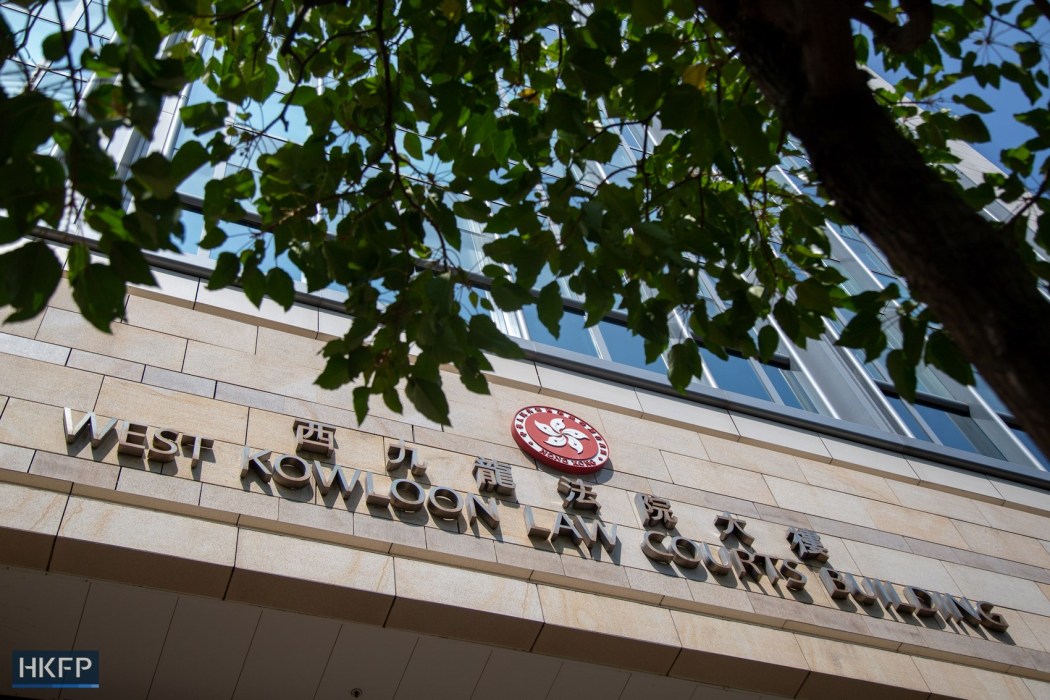
Deputy District Judge Li Chi-ho, in his sentencing remarks, acknowledged that the illicit recordings did not capture the victim’s face and that the images had not been circulated online. However, the judge emphasized that Ko’s status as a police officer, a position of public trust and authority, served as an aggravating factor in the sentencing. The court viewed his actions as a betrayal of the standards expected of law enforcement personnel.
A Momentary Lapse or Deliberate Act?
Regarding the more alarming charge of attempted firearm possession, Ko claimed he attempted to grab his colleague’s revolver in a "momentary lapse of judgment," driven by a suicidal impulse to end his own life. Judge Li accepted this explanation, acknowledging that Ko’s actions in this instance appeared out of character. A psychological report also indicated a low to moderate risk of reoffending.
However, the judge was unequivocal in his assessment of the danger posed by Ko’s attempt to seize a firearm. He highlighted that such an action could have resulted in severe harm or even fatalities, not only to his colleagues but also to other detainees present at the police station. The potential for catastrophic consequences underscored the severity of this offense, irrespective of Ko’s purported motivations.
The judge’s deliberation balanced the mitigating factors, such as Ko’s guilty plea and the psychological assessment, against the serious nature of both charges. He concluded that imprisonment was the only appropriate sentence, reflecting the need for public denunciation of such conduct, particularly by a law enforcement officer.
Sentencing and Implications
Taking into account the discount afforded for his early guilty plea and ordering that parts of the sentences for the two offenses be served consecutively, Deputy District Judge Li Chi-ho imposed the final sentence of 20 months and four weeks. This sentence aims to reflect the severity of both the violation of privacy and the threat to public safety.
The case raises critical questions about the psychological well-being of officers in high-pressure departments like the National Security Department and the adequacy of support systems in place. While Ko’s actions were condemned and punished, the underlying issues of stress and its potential impact on judgment within law enforcement warrant continued attention and robust preventative measures.

The incident also serves as a stark reminder of the trust placed in police officers and the severe repercussions for those who breach that trust. The Hong Kong Police Force, already under scrutiny, faces the challenge of maintaining public confidence while addressing internal disciplinary issues and ensuring the highest standards of conduct among its ranks.
Broader Context and Precedent
The sentencing of Officer Ko occurs against a backdrop of heightened public awareness and concern regarding police conduct in Hong Kong. Recent years have seen an increase in allegations and convictions related to misconduct within the police force, leading to calls for greater transparency and accountability. While the charges against Ko are distinct from the political offenses often associated with the National Security Department, his position within that unit inevitably casts a wider shadow on the institution.
The legal precedent set by this case reinforces the judiciary’s stance on upholding the law, regardless of the perpetrator’s profession. The emphasis on the aggravating factor of Ko’s role as a police officer underscores the principle that those entrusted with upholding the law are held to a higher standard.

The two charges Ko pleaded guilty to, while seemingly disparate, paint a picture of an individual struggling with immense pressure, leading to actions that were both a violation of personal privacy and a dangerous disregard for public safety. The court’s decision to impose a significant custodial sentence signals a clear message that such behavior will not be tolerated, especially when perpetrated by those sworn to protect and serve the public.
The Hong Kong Police Force has a complex and often scrutinized role in the city’s society. Cases like this, while potentially isolated, can have a disproportionate impact on public perception. The force’s response to this sentencing, and its ongoing commitment to addressing mental health and ethical conduct within its ranks, will be crucial in rebuilding and maintaining public trust.
The incident at the Tsim Sha Tsui MTR station, and its subsequent legal ramifications, highlight the multifaceted challenges faced by law enforcement in contemporary Hong Kong. It underscores the imperative for continuous vigilance, robust oversight, and a steadfast commitment to justice and public safety for all. The conviction and sentencing of Officer Ko serve as a somber reminder of the consequences of abusing power and the importance of maintaining the integrity of the police force.

 Neng Nana
 Sagoh
Sagoh