 Rifan Muazin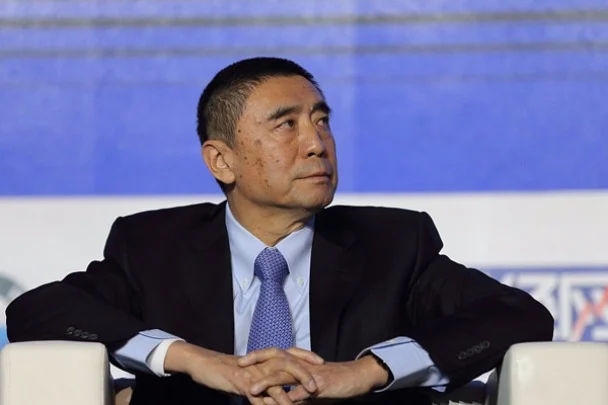
Beijing-headquartered conglomerate China Poly Group Corporation has articulated a robust strategy for continuous global expansion, aiming to significantly deepen its footprint across both mature Western economies and the burgeoning markets along the Belt and Road Initiative (BRI). This strategic pivot underscores a dynamic evolution in the state-owned enterprise’s (SOE) operational philosophy, seeking new frontiers for growth amidst shifting domestic and international economic landscapes. The announcement, made by Xu Niansha, Chairman of China Poly Group Corp., signals a proactive approach to diversification and international engagement, leveraging the company’s extensive expertise in real estate, cultural industries, trade, and infrastructure.
China Poly Group: A Diversified Global Player
Founded in 1992, China Poly Group Corporation has grown into a formidable state-owned enterprise directly administered by the State-owned Assets Supervision and Administration Commission (SASAC) of the State Council. With a sprawling portfolio that spans real estate development (Poly Developments and Holdings), cultural enterprises (Poly Culture Group), international trade, industrial manufacturing, and civil explosives, Poly Group has established itself as a multi-faceted conglomerate with significant influence both domestically and abroad. The company consistently ranks among the Fortune Global 500, a testament to its immense scale and economic prowess. Its real estate arm, Poly Developments and Holdings, is one of China’s largest property developers, while Poly Culture Group is a leading player in the arts and entertainment sector, operating theaters, auction houses, and cinema chains. This diverse operational base provides Poly Group with unique advantages in pursuing its multifaceted international expansion objectives.
The Strategic Imperative: Global Reach and Diversification
Chairman Xu Niansha emphasized that the conglomerate’s global outreach is not merely about market penetration but also about cultivating a positive international image and generating sustainable profits. "Poly sees investment projects in numerous Western markets as well as economies involved in the Belt and Road Initiative," Xu stated, highlighting the dual-pronged approach. "Our overseas projects generate profits and help Poly build a good image there." This statement encapsulates Poly’s twin objectives: economic gain and strategic soft power projection. The decision to increase investment in Western markets, often characterized by mature regulatory environments and sophisticated consumer bases, reflects a desire to acquire advanced technologies, integrate into global value chains, and enhance brand recognition. Concurrently, the rigorous study of investment opportunities in BRI economies aligns with China’s broader foreign policy objectives, leveraging the vast potential of developing nations for infrastructure, trade, and cultural exchange.
Navigating the Belt and Road Initiative: A New Growth Engine
The Belt and Road Initiative, launched by President Xi Jinping in 2013, serves as a cornerstone of China’s global engagement strategy. Envisioned as a vast network of infrastructure projects, trade routes, and economic corridors connecting Asia, Europe, and Africa, the BRI aims to foster regional integration and economic prosperity. Poly Group has emerged as a significant participant in this ambitious undertaking, currently conducting business in approximately two-thirds of the economies involved in the initiative. Its involvement primarily focuses on critical infrastructure development, such as ports, railways, and industrial parks, alongside livelihood projects that directly benefit local communities. These initiatives not only create economic opportunities but also bolster connectivity and development in partner countries, often addressing long-standing infrastructure deficits. For Poly, the BRI presents unparalleled opportunities for business expansion, particularly in sectors where the company possesses core competencies and where demand is robust.
Real Estate Evolution: From Domestic Saturation to Global Diversification
A significant driver behind Poly’s outward expansion, particularly in real estate, is the evolving landscape of China’s domestic property market. The Chinese real estate sector, which experienced decades of explosive growth, has entered a period of more balanced supply-demand dynamics, leading to a slowdown in profit margins. Government policies aimed at cooling the market and deleveraging highly indebted developers have further prompted major players like Poly to seek growth avenues beyond national borders. This strategic imperative has led Poly to focus on diversified real estate sectors internationally. The company is actively exploring projects in elderly care, commercial retail, and tourism, all of which are experiencing substantial growth momentum globally.
The global elderly care market, for instance, is expanding rapidly due to aging populations in many developed and increasingly, developing countries. Poly’s expertise in large-scale community development can be adapted to create integrated elderly care facilities, offering a lucrative new revenue stream. Similarly, the burgeoning global tourism industry, fueled by rising disposable incomes and easier international travel, presents opportunities for resort development, hotel management, and related leisure infrastructure. Commercial retail, while facing challenges from e-commerce, continues to evolve, with demand for modern, experience-driven shopping complexes in urban centers, especially in emerging markets. By strategically targeting these diversified segments, Poly aims to de-risk its real estate portfolio and capitalize on global demographic and lifestyle trends.
Cultural Diplomacy: Bridging East and West
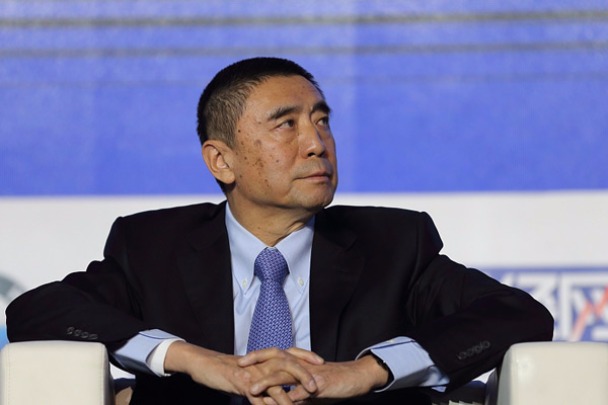
Beyond traditional economic endeavors, China Poly Group places a strong emphasis on cultural exchange, viewing it as a vital component of its international strategy. Chairman Xu Niansha articulated this vision, stating that "Culture export undertakes the responsibility of cultural communication between different countries and also bears economic significance, helping enhance the soft power of a country." Poly has been actively fostering cooperation in the cultural sector with diverse regions, including the United States, Australia, Europe, Africa, and Southeast Asia.
Poly Culture Group, a subsidiary, is at the forefront of these efforts. It engages in various cultural enterprises, including performance and theater management, arts business, auctions, and cinema investment. The company plays a crucial role in exporting Chinese cultural products, such as traditional opera, contemporary art exhibitions, and films, to Western markets. Concurrently, it facilitates the introduction of Western classics – from classical music concerts to theatrical performances and blockbuster films – to the Chinese audience. This dual approach fosters mutual understanding and appreciation, creating bridges between civilizations. The economic significance of these cultural exchanges is substantial, contributing to the growth of the creative industries and positioning China as a vibrant hub for global cultural interaction. The projection of "soft power" through cultural diplomacy is increasingly recognized as a vital element of international relations, and Poly Group’s efforts contribute directly to enhancing China’s global cultural influence and appeal.
A History of Global Engagement: A Chronological Overview
Poly Group’s journey into international markets began shortly after its inception, initially focusing on international trade and defense-related ventures. As China’s economy opened further, Poly progressively expanded its commercial footprint.
- 1990s: Early ventures into international trade, particularly in raw materials and machinery, laying the groundwork for global logistics and supply chain expertise. Initial forays into real estate development within China, establishing a strong domestic base.
- 2000s: Expansion of real estate operations to major Chinese cities. Gradual increase in international project involvement, often in developing countries, focusing on infrastructure and construction. Poly Culture Group begins to establish its presence in the arts and entertainment sectors, including significant investments in theatre management and art auctions.
- Post-2008 Financial Crisis: China’s "going out" policy gains momentum, and Poly Group, as a major SOE, is encouraged to expand its global reach, particularly in resource-rich nations and emerging markets.
- 2013 onwards: The launch of the Belt and Road Initiative provides a significant catalyst. Poly Group aligns its international strategy closely with the BRI, becoming a key player in infrastructure and livelihood projects across Asia, Africa, and parts of Europe. This period saw a surge in large-scale construction projects and increased engagement with local governments and businesses in BRI partner countries.
- Recent Years: A strategic refinement, as articulated by Chairman Xu, focusing not only on BRI economies but also actively increasing investment in Western markets, alongside a diversification of real estate offerings globally. This reflects a maturation of Poly’s international strategy, moving beyond pure infrastructure to encompass higher-value services and cultural exchange.
Supporting Data and Market Context
Poly Group’s global ambitions are set against a backdrop of significant macroeconomic trends. China’s outbound direct investment (ODI) has seen substantial growth over the past two decades, with Chinese companies increasingly seeking opportunities abroad. While there have been some fluctuations and increased scrutiny of certain overseas investments, the long-term trend remains towards greater internationalization of Chinese enterprises. The Belt and Road Initiative alone has seen hundreds of billions of dollars in investments, driving demand for the kind of infrastructure and development expertise that Poly possesses.
Furthermore, the global market for diversified real estate sectors presents compelling figures. The global elderly care market is projected to grow at a compound annual growth rate (CAGR) of over 6% in the coming years, reaching trillions of dollars. Similarly, the global tourism market, despite recent disruptions, is anticipated to rebound strongly, with major investments in hospitality and leisure infrastructure. The arts and culture market also represents a substantial global industry, with auction houses like Poly Culture Group competing on an international stage, handling billions in transactions annually. These robust market conditions provide a fertile ground for Poly’s targeted expansion.
Implications and Broader Impact
Poly Group’s strategic blueprint carries significant implications across economic, geopolitical, and cultural spheres.
- Economic Impact: Poly’s expanded investments will contribute to global trade flows, capital formation, and infrastructure development, particularly in BRI economies where such investments are often critically needed. The diversification into high-growth real estate sectors abroad can provide stable, long-term revenue streams, buffering against domestic market volatility. For Western markets, Poly’s investment could bring capital and potentially new technologies or approaches, though often accompanied by increased scrutiny regarding market access and reciprocity.
- Geopolitical Influence: As a major state-owned enterprise, Poly Group’s international activities are often viewed through a geopolitical lens. Its extensive involvement in BRI projects strengthens China’s economic ties and influence across participating nations. The company’s presence in Western markets, while primarily commercial, also contributes to China’s overall economic presence in strategically important regions. Navigating the complexities of international regulations, environmental standards, and local labor practices will be crucial for sustained success and reputation management.
- Cultural Soft Power: Poly Culture Group’s efforts in cultural exchange are instrumental in China’s broader soft power strategy. By facilitating the flow of cultural products and performances in both directions, Poly helps to build cultural bridges, enhance mutual understanding, and potentially counter negative perceptions. This strategy moves beyond purely economic transactions, fostering deeper people-to-people connections and projecting a more nuanced image of China on the global stage. The commercial success of cultural ventures also demonstrates the economic viability of soft power initiatives.
Conclusion: An Ambitious Trajectory
China Poly Group Corporation’s ambitious global expansion strategy marks a significant chapter in its corporate evolution. By strategically balancing increased investment in mature Western markets with continued robust engagement in Belt and Road economies, and by diversifying its core real estate business while championing cultural diplomacy, Poly Group is positioning itself as a truly global conglomerate. Chairman Xu Niansha’s unwavering confidence in China’s economic growth and its commitment to further opening to outside investment provides the macro-economic bedrock for these ventures. The conglomerate’s willingness to foster "more extensive cooperation with our international partners" signals an adaptive and collaborative approach to navigating the complexities of the global marketplace. As Poly Group continues to expand its reach, it will undoubtedly play an increasingly prominent role not only in international commerce but also in shaping economic and cultural dialogue across continents, embodying China’s "going out" strategy on a grand scale.

 Evan Lee Salim
 Suro Senen