
 Sagoh
Sagoh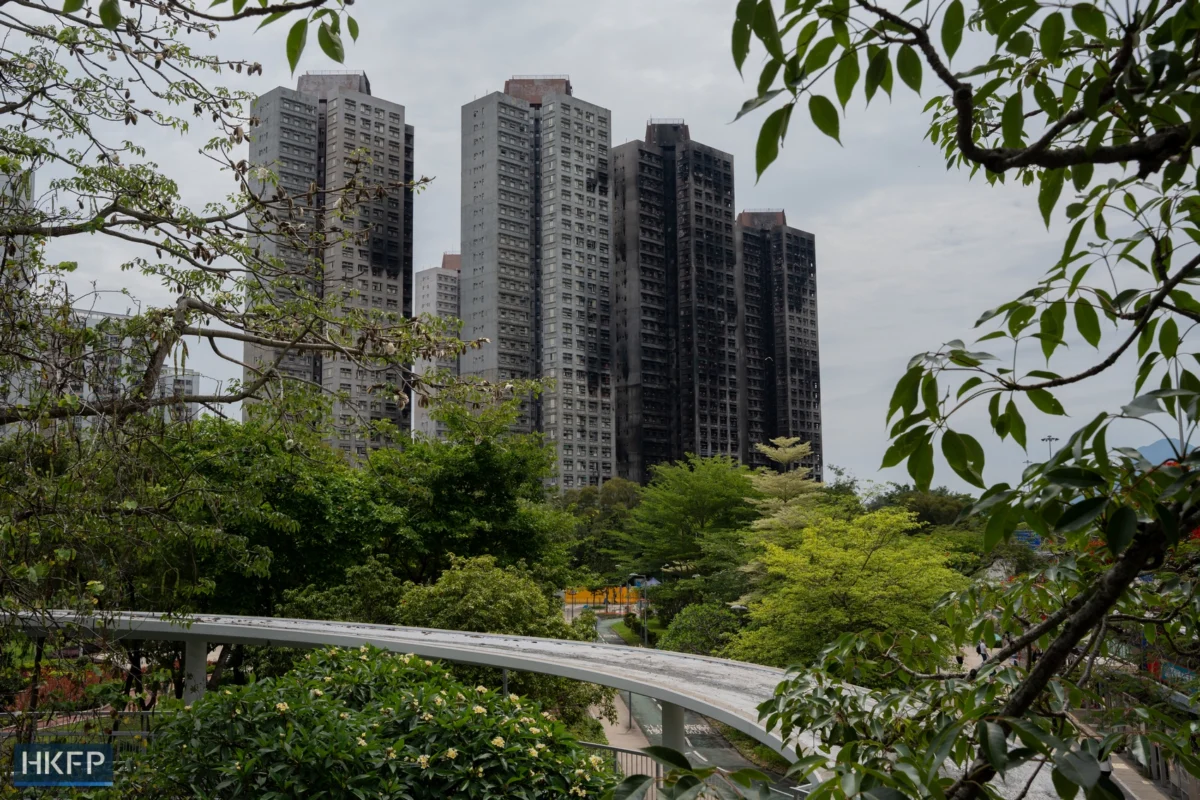
Hong Kong’s antitrust watchdog has strongly advocated for the criminalization of bid-rigging practices within the city’s building renovation sector. This urgent call comes as closing arguments commenced in the public inquiry investigating the catastrophic Tai Po fire that tragically claimed 168 lives, highlighting the severe consequences of unchecked anti-competitive behavior.
The proposed legislative overhaul, championed by the Competition Commission, aims to introduce harsher penalties, including custodial sentences, for those involved in orchestrating rigged bids. This move is seen as a critical response to what officials describe as "widespread" and "systematic" corruption that plagues the construction and renovation industry, potentially jeopardizing public safety and financial integrity.

The Shadow of Bid-Rigging Over Tai Po Tragedy
The inferno that engulfed Wang Fuk Court in Tai Po last November, resulting in a devastating loss of life, has brought the issue of bid-rigging in renovation projects to the forefront of public concern. Authorities suspect that illicit collusion played a significant role in the awarding of contracts for the very renovation work underway at Wang Fuk Court when the fire broke out.
Lester Lee, Executive Director of Legal Services at the Competition Commission, presented compelling evidence to the independent committee investigating the fire. He described a deeply entrenched network of criminal syndicates that exert considerable influence over the renovation market, manipulating the bidding process to their advantage. Lee revealed ongoing investigations where suspected syndicates not only operated within their established networks but also actively sought to recruit contractors from rival groups to ensure their rigged bids succeeded. The fact that these rival groups were themselves engaged in similar conspiracies underscores the pervasive and brazen nature of these illegal operations.
"It shows how widespread and brazen these bid-rigging syndicates are," Lee stated in Cantonese, emphasizing the scale of the problem. He articulated the Commission’s belief that the current regulatory framework and penalties are insufficient deterrents against such sophisticated criminal enterprises. The Commission is therefore pushing for measures that would significantly enhance the detection of bid-rigging schemes and improve the success rate of prosecutions.

Current Legal Framework and the Call for Criminalization
Currently, violations of Hong Kong’s Competition Ordinance are treated as civil matters. Cases are adjudicated by the Competition Tribunal, which possesses the authority to impose sanctions such as fines and director disqualifications. However, the Competition Commission argues that these civil remedies are not potent enough to deter criminal organizations.
Lee explicitly called for bid-rigging to be elevated to a criminal offense, proposing that offenders should "face severe custodial sentences." He suggested that the existing civil regime could remain as an option for authorities, providing them with the flexibility to pursue either criminal or civil proceedings based on the strength of the evidence. This dual-pronged approach, he argued, would substantially bolster the deterrent effect.
Furthermore, the Commission recommended legislative amendments to increase the maximum fine for bid-rigging offenses, aiming to impose a more significant financial penalty on individuals and companies found guilty.

Urban Renewal Authority’s Defense Amidst Criticism
The public inquiry has also seen scrutiny directed at the Urban Renewal Authority (URA), a semi-governmental body responsible for overseeing tender applications for renovation projects, including that at Wang Fuk Court. The URA has faced criticism for allegedly "evading responsibilities" and "dwarfing its own role" in combating bid-rigging. Previous hearings revealed that the URA had not adequately considered the risks associated with bid-rigging for the Wang Fuk Court project.
Senior Counsel Mike Lui, representing the URA, defended the authority’s position, highlighting the "practical limitations" it faces. He asserted that the URA is not a law enforcement agency and, therefore, lacks the necessary powers and resources to conduct thorough investigations into suspected bid-rigging activities.
Lui described the URA’s "Smart Tender" platform, designed to anonymize the bidding process, as merely "a shield, but not a fortress" against illegal tender practices. This admission suggests that while technological measures were in place, they were not sufficient to prevent determined collusive behavior.

Property Management Firm Denies Oversight Role
In parallel testimonies, Martin Ho, representing ISS EastPoint Properties, the property management firm for Wang Fuk Court, stated that his company had no direct role in overseeing the renovation works. This assertion comes in the wake of testimony that an ISS electrician, Law Kwok-shui, unknowingly deactivated the building’s fire alarms months before the fatal blaze.
Ho, however, contended that while Law’s error was significant, the primary responsibility for failing to rectify the blunder should lie with the fire safety contractors, Victory Fire Engineering and China Status Development and Engineering. This defense shifts accountability towards the specialized firms contracted for fire safety systems.
Counterarguments on Escape Routes and Fire Safety
Further complicating the narrative, Aaron Chan, representing China Status director Leung Ping-kay, presented an expert analysis suggesting that even if the fire alarms had been fully operational, the time available for residents to escape would have been limited to approximately ten minutes. This submission, however, was met with a strong rebuke from committee chair Judge David Lok.

"If you wished to say firm alarms would have been useless [in the fire], I think no one would agree with you," Judge Lok interjected, dismissing the notion that functional alarms would have been inconsequential. Chan clarified that his intention was to highlight other potential impediments to escape, such as foam boards used to shield windows, which could have obstructed residents’ views and escape routes.
Broader Implications and the Path Forward
The tragedy at Wang Fuk Court and the subsequent inquiry have illuminated deep-seated issues within Hong Kong’s building renovation and management sectors. The Competition Commission’s push for criminalization of bid-rigging is a significant development, reflecting a growing consensus that stronger enforcement mechanisms are urgently needed.
The implications of this case extend beyond the immediate fire investigation. It raises critical questions about regulatory oversight, the effectiveness of existing anti-corruption measures, and the accountability of various stakeholders in ensuring building safety. The testimonies from different parties highlight the complex web of responsibilities and potential oversights that can occur in large-scale renovation projects.

The ongoing inquiry aims to establish a comprehensive understanding of the factors contributing to the tragedy, with the ultimate goal of preventing similar disasters in the future. The recommendations from the Competition Commission, particularly the call for criminalizing bid-rigging, are poised to significantly influence future legislative and policy decisions regarding construction and renovation in Hong Kong.
The committee is set to hear closing arguments from lawyers representing nine Wang Fuk Court residents and the government’s representative, further shaping the discourse and potential outcomes of this critical investigation. The public’s attention remains fixed on these proceedings, anticipating robust recommendations that will safeguard lives and uphold the integrity of the city’s building sector.
Timeline of Key Events:
- November 2025: A devastating fire breaks out at Wang Fuk Court in Tai Po, resulting in 168 fatalities. Investigations begin into the cause of the blaze and the circumstances surrounding renovation work at the building.
- Early 2026: Public inquiry into the Tai Po fire commences, with various stakeholders, including building management, renovation contractors, and regulatory bodies, providing testimony.
- April 2026: Hearings reveal that an electrician unknowingly deactivated the fire alarms at Wang Fuk Court months before the blaze. Criticism mounts against the Urban Renewal Authority (URA) for allegedly not adequately addressing bid-rigging risks.
- May 2026: Closing arguments begin for the public inquiry. Hong Kong’s antitrust watchdog, the Competition Commission, advocates for the criminalization of bid-rigging in the building renovation sector.
- July 2026: The inquiry continues with further testimonies and legal arguments from involved parties. The focus remains on accountability, regulatory failures, and preventive measures.
Supporting Data and Context:
The building renovation sector in Hong Kong is a significant industry, driven by the city’s aging building stock and a continuous demand for upgrades and maintenance. However, it has also been a sector historically susceptible to corruption and malpractices. Bid-rigging, in particular, allows a select group of contractors to inflate prices, reduce the quality of work, and circumvent fair competition. This not only leads to financial losses for property owners and residents but, as tragically demonstrated by the Wang Fuk Court fire, can have life-threatening consequences when essential safety measures are compromised due to cost-cutting or negligence stemming from collusive agreements.

The Competition Commission’s stance is informed by years of monitoring and investigating anti-competitive practices. Their evidence of sophisticated syndicates operating within the sector suggests a systemic issue that requires a more forceful legal response than the current civil framework provides. The scale of the Wang Fuk Court tragedy underscores the urgent need for such a response, serving as a stark reminder of the potential human cost of unchecked corruption in vital industries.
Conclusion:
The ongoing inquiry into the Tai Po fire is more than just an investigation into a single tragic event; it is a catalyst for systemic reform. The Competition Commission’s forceful plea to criminalize bid-rigging, coupled with the scrutiny of regulatory bodies and property management firms, points towards a critical juncture for Hong Kong’s building and renovation industries. The eventual recommendations and legislative changes stemming from this inquiry will be crucial in determining whether the city can effectively dismantle corrupt practices and ensure the safety and well-being of its residents. The memory of the 168 lives lost serves as a somber impetus for decisive action and a commitment to a more transparent and accountable future.


 Evan Lee Salim




A Political Commentator Claims Lack of Caution Over National Security Investigation Details Amidst Trial
Wong Kwok-ngon, a political commentator widely known by his pen name Wong On-yin, asserted in the District Court that national security police failed to explicitly caution him about the confidentiality…