 Rifan Muazin
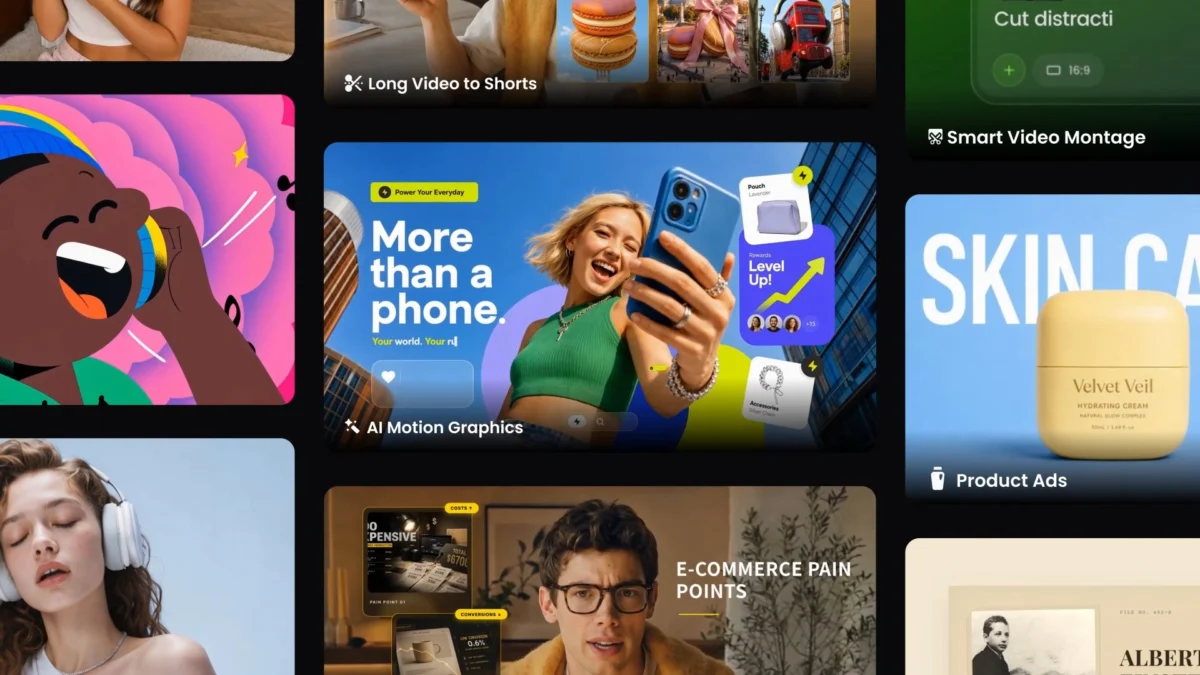
The landscape of AI-powered video generation has seen explosive growth, yet a persistent chasm has separated visually impressive AI-generated clips from truly commercial-ready productions. While generating captivating visuals is becoming increasingly accessible, the meticulous demands of professional content – accuracy, brand consistency, and the crucial ability to revise – have remained significant hurdles. This is precisely the challenge Fotor, a well-established player in visual design, aims to address with its new offering, Fotor Agent, launched in August. The tool seeks to redefine AI video production by moving beyond mere clip generation to offer an integrated, editable workflow designed for precision and commercial viability.
The Evolving Landscape of AI Video Generation and its Commercial Limitations
In recent years, the advancements in generative AI, particularly in text-to-video models, have captivated the public and creative industries alike. Tools emerging from various tech giants and startups have demonstrated an uncanny ability to translate textual prompts into dynamic visual sequences, often with breathtaking realism and imaginative flair. This initial "wow" factor has fueled optimism about a future where video content creation is democratized and accelerated. However, as these tools transitioned from experimental showcases to practical applications, a critical limitation quickly became apparent, especially for professional users.
The primary issue revolves around control and iteration. A common scenario for early AI video tools involved generating a complete video based on a prompt. If a subtitle contained a minor error, if product specifications needed a slight update, or if a brand logo appeared misaligned, the typical solution was often to regenerate the entire video. This process was not only time-consuming and resource-intensive but also introduced unpredictability, as subsequent generations might alter other elements that were previously satisfactory. For social media content, where a degree of imperfection is often tolerated, these issues might be acceptable. However, for product explainers, meticulously crafted brand marketing campaigns, and high-stakes commercial advertising, such inaccuracies and the inability to make precise, localized revisions are non-starters. These sectors demand content that is not merely visually appealing but rigorously accurate, visually consistent with brand guidelines, and effortlessly revisable without disrupting the overall production. The market has been signaling a clear need for AI tools that offer not just generation, but intelligent orchestration and granular editing capabilities.
Fotor’s Strategic Shift: From Photo to Comprehensive Video Workflow
Fotor, a company with a strong pedigree in photo editing and visual design, has been a significant force in the creative software market for years. With over 12 million monthly active users spread across more than 200 countries and regions, the company has built a reputation for delivering accessible and powerful tools for static visual content. Its expansion into the dynamic realm of video production with Fotor Agent represents a strategic and logical evolution, leveraging its existing expertise in visual design and user-friendly interfaces.
The launch of Fotor Agent in August marks a pivotal moment for the company, signifying a deep dive into the complexities of the entire video production workflow. Rather than developing yet another tool focused solely on generating video clips from text, Fotor has positioned Agent as an intelligent assistant that helps users transform initial text prompts into fully finished, commercially viable videos, from the nascent stages of content planning all the way through to final delivery. This approach directly addresses the market’s demand for more sophisticated, production-ready AI video solutions. The move aligns Fotor with the growing trend of AI agents that manage complex, multi-stage tasks, rather than just executing single commands.
Key Features and Differentiators: Precision and Editability for Commercial Content
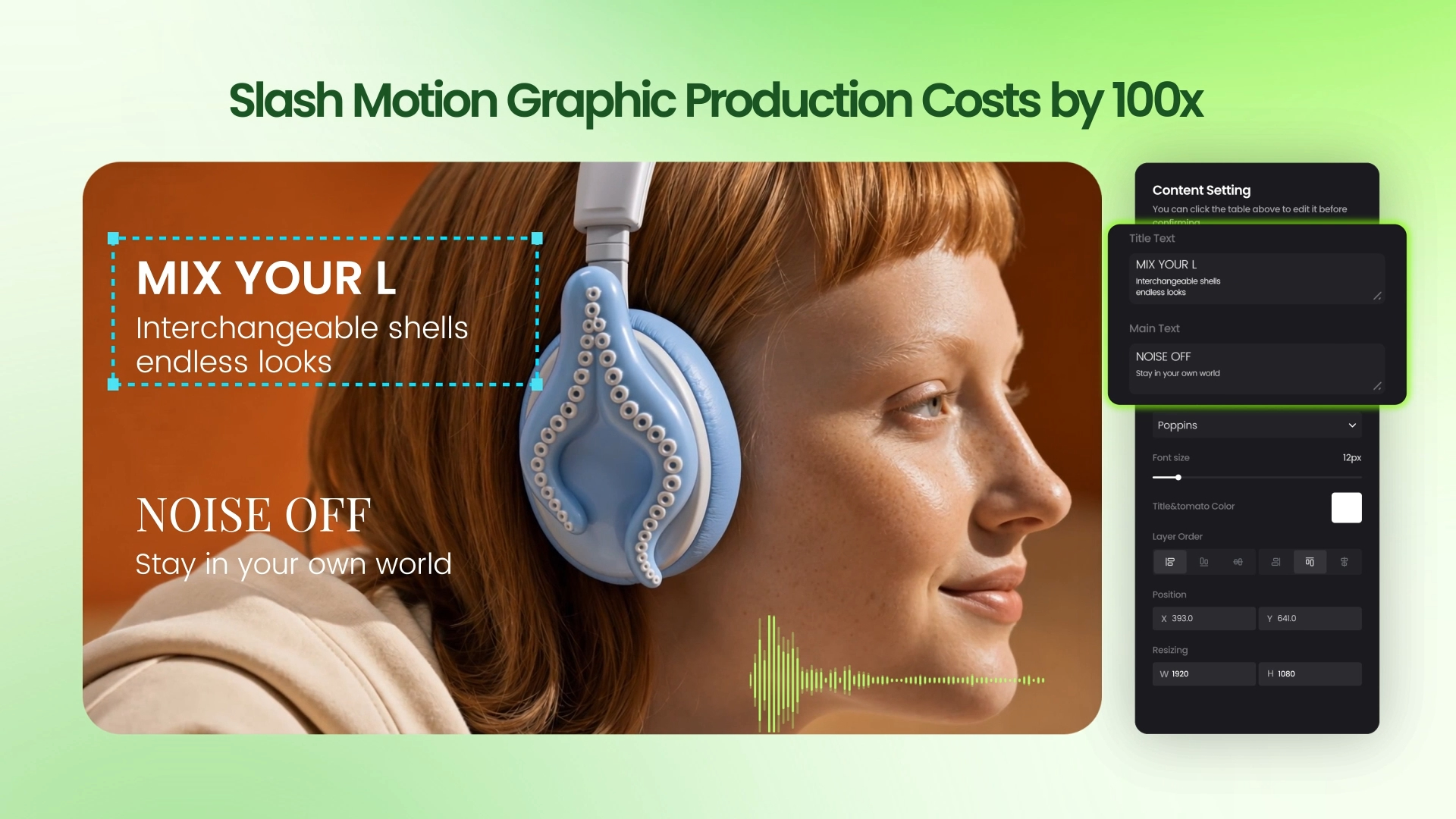
At the core of Fotor Agent’s value proposition is its innovative approach to video project management. Users initiate the process by describing their desired video through intuitive text prompts. What sets Fotor Agent apart is its subsequent organizational capability. It doesn’t just generate a monolithic video file; instead, it intelligently plans the production process, bringing together diverse visual assets, crafting appropriate subtitles, integrating audio tracks, and designing animations within a unified project framework. This structured approach is fundamental to its commercial appeal.

The most significant differentiator is the ability to review and refine the video on a multitrack timeline. This feature, common in traditional video editing software, is revolutionary in the context of AI-generated content. It allows individual elements – be they text overlays, specific visual assets, audio cues, or animations – to be edited independently. This means that if a subtitle is incorrect, or if a product detail needs updating, the user can modify that specific element without necessitating the regeneration of the entire video. As Jackson Zhang, COO of Fotor, explained in an interview, Fotor Agent coordinates tasks such as asset generation, graphic rendering, subtitles, audio, and animation, and then unifies these elements into an editable video project.
For content types like product explainers, brand marketing videos, or corporate presentations, where accuracy and brand consistency are paramount, this granular control is invaluable. Imagine a scenario where a chart needs to be updated with new data, or a voiceover requires a slight rephrase. With traditional AI video tools, these changes could trigger a complete overhaul. Fotor Agent’s multitrack timeline enables quick, precise adjustments, saving significant time and resources. Zhang highlighted that for commercial content, the seamless integration and coherence of elements often outweigh the individual impressiveness of a single shot. This focus on how well shots, text, charts, voiceovers, and animations work together within a coherent sequence underscores Fotor Agent’s understanding of professional video production needs.
Behind the Scenes: Blending Proprietary and Third-Party AI for Competitive Advantage
In the rapidly evolving AI landscape, where powerful foundational models are becoming increasingly accessible, the challenge for AI creation platforms is to build a sustainable competitive advantage beyond simply utilizing these models. As Zhang noted, many products can leverage similar third-party models to generate visuals of comparable quality. Fotor Agent’s strategy involves a sophisticated blend of third-party AI models with Fotor’s own proprietary image-processing algorithms and editing tools. While foundational AI models handle the heavy lifting of initial generation tasks, Fotor selectively deploys its in-house technology for specific, critical scenarios, likely those requiring fine-tuned visual quality, consistency, or integration with its existing design ecosystem.
Zhang emphasized that Fotor believes the true competitive edge lies in the "entire creative workflow," encompassing autonomous content planning, the intricacies of motion graphics production, precise editing capabilities, and ultimately, the quality and effectiveness of the final output. This holistic approach is crucial, especially for content requiring motion graphics (MG) and editable projects. Product promotions, data visualizations, and educational videos frequently demand a harmonious interplay of charts, text, animations, and brand-specific elements. While users undoubtedly seek the speed and efficiency offered by AI, they also require exacting control over each individual component to meet professional standards.

However, integrating such a comprehensive workflow is not without its challenges. Maintaining visual and stylistic consistency across assets potentially generated by different AI models remains an ongoing technical hurdle. Accurately interpreting complex user instructions, particularly nuanced creative briefs, is another area of continuous development. Furthermore, ensuring that localized edits do not inadvertently disrupt other parts of a meticulously composed video project requires sophisticated algorithmic design and robust error prevention mechanisms. These are the frontiers where AI video tools, including Fotor Agent, continue to innovate and refine their capabilities.
Target Market and Commercialization Strategy: A Global Play
Fotor Agent is strategically targeting a diverse yet specific professional audience: content creators, e-commerce merchants, and brand marketing teams. These user groups share a common demand for efficiency in content production, but critically, they also require high levels of accuracy and production quality that align with their commercial objectives. The tool’s emphasis on editable projects and integrated workflows directly caters to these needs, promising to streamline processes that traditionally required significant time, multiple specialists, and substantial budgets.
Since its launch, Fotor Agent has already begun generating paid revenue, an early indicator of its commercial potential, although Fotor acknowledges that the product is still in its initial phases of promotion and optimization. It is important to contextualize user metrics: while Fotor boasts over 12 million monthly active users across its entire platform, these figures represent the company’s broader user base and should not be directly interpreted as Fotor Agent’s specific user growth or retention numbers, which are still nascent.
To attract and retain overseas users, Fotor employs a multi-faceted global market strategy. This includes traditional digital marketing channels such as search engine optimization (SEO), influencer marketing, and paid advertising. Crucially, the company also engages directly with local creators and brands. This direct interaction is vital for understanding the specific visual styles, communication preferences, and content production needs that vary significantly across different international markets. Zhang highlighted that effective localization for video products extends far beyond mere language translation; it demands a deep comprehension of cultural nuances in visual aesthetics, preferred communication modalities, and practical, real-world use cases. This granular approach to market understanding is essential for Fotor Agent to achieve widespread adoption and lasting success in a competitive global arena.

Industry Implications and Future Outlook: Human Creativity, AI Efficiency
The advent of tools like Fotor Agent signals a significant shift in the broader video production industry. It suggests a future where AI Agents will increasingly assume responsibility for content planning, asset organization, and various production tasks, potentially enabling smaller teams or even individual creators to produce professional-grade videos that previously necessitated a collaborative effort among multiple specialists. This could democratize high-quality video production, making it accessible to a wider range of businesses and entrepreneurs who currently lack the resources for traditional video teams.
However, this evolution does not diminish the role of human creativity. Instead, it redefines it. As Zhang aptly posits, creators will continue to be indispensable in defining the core message and creative vision of their content. Their judgment will remain paramount in evaluating whether the final AI-generated output effectively meets their strategic goals and artistic standards. The partnership between human and AI will shift towards a model where AI handles the tedious, repetitive, and technically complex aspects of production, thereby freeing human creators to focus on higher-level conceptualization, strategic decision-making, and nuanced creative direction.
Looking ahead, Fotor’s immediate priority is to further enhance the accuracy and convenience of editing within Fotor Agent. For commercial videos, the absolute correctness of text, data, and brand elements is non-negotiable. The ease with which these critical details can be revised post-generation will directly influence the product’s ability to achieve widespread adoption and become an indispensable tool for its target users. The next phase of competition in the AI video space may not solely hinge on which tool can generate the most hyper-realistic visuals. Instead, it is likely to be determined by which platform can most reliably and efficiently translate creative ideas into polished, editable, and commercially viable content, allowing humans to retain their creative judgment while AI streamlines the arduous path to production.


 Ali Ikhwan
 Reynand Wu