Nila Kartika Wati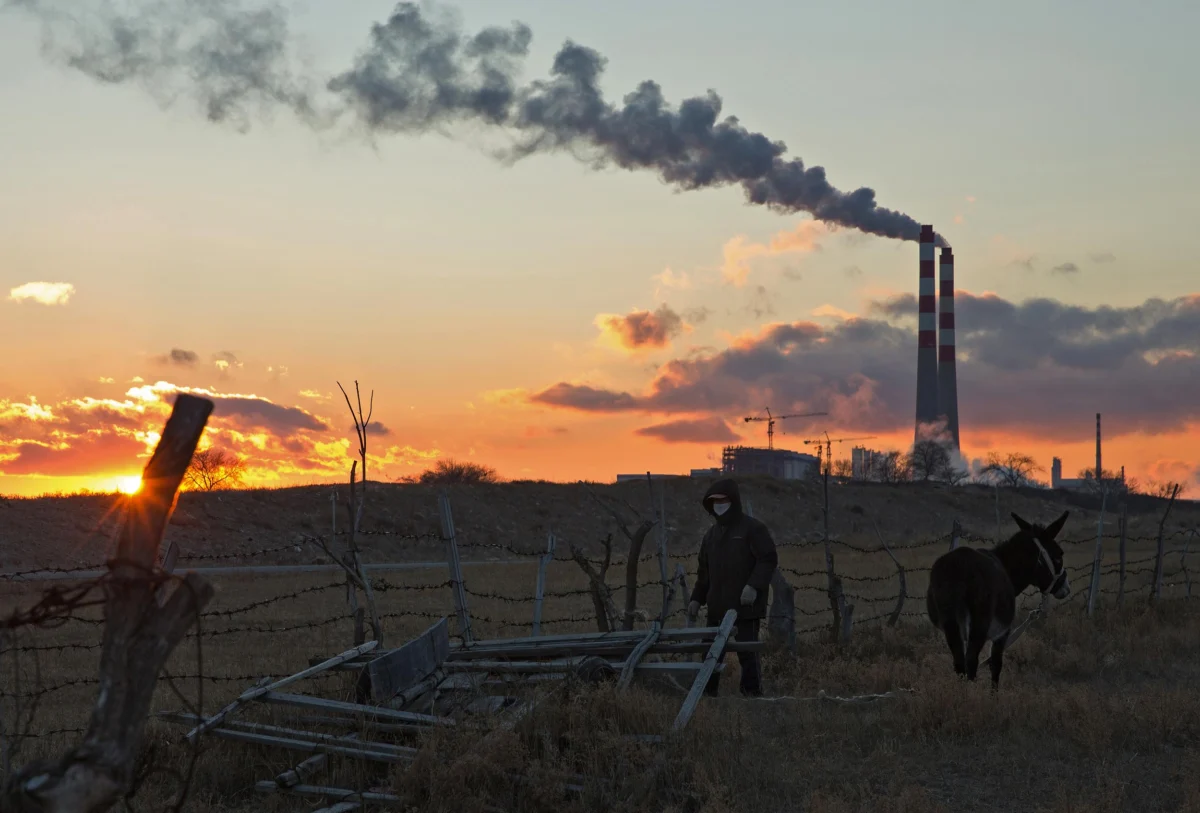
Beijing – In a landmark development for China’s energy landscape, coal-fired power plants generated 49.7% of the nation’s total electricity output during the first six months of 2026. This figure represents the first time in recorded history that coal’s share has fallen below the critical 50% threshold, signaling a significant acceleration in the country’s transition towards cleaner energy sources. The milestone underscores China’s ambitious commitment to decarbonization and its growing reliance on renewable technologies to meet its soaring energy demands.
The shift away from coal, a cornerstone of China’s industrial development for decades, has been a complex and multifaceted undertaking. Historically, coal has been the bedrock of China’s economic expansion, powering its factories and providing electricity to its burgeoning population. However, mounting environmental concerns, including severe air pollution and contributions to global climate change, have prompted a strategic re-evaluation of its energy mix. This recent data point suggests that these efforts are beginning to yield tangible results.
Greenpeace East Asia Highlights Continued Decline and the Path Forward
Gao Yuhe, Beijing-based project lead for Greenpeace East Asia, commented on the significance of this development. "This is another step in coal’s decline in China, and there’s still a way to go," Gao stated. "Solar and wind play a central role in outcompeting and displacing coal. But solar and wind generation is still only at 25%."
Gao emphasized the crucial role of renewable energy in accelerating this transition. "Stronger targets for solar and wind generation will have a knock-on effect to further undercut coal," she explained. "China’s current 2030 target for wind and solar is 30%, but we can easily hit 33% by 2028. Without stronger targets, coal will linger in the interim."
The Greenpeace analysis points to a clear strategy for continued progress: enhancing renewable energy targets. While the current national goal for wind and solar capacity by 2030 is set at 30%, Gao suggests that a more ambitious approach, potentially reaching 33% by 2028, is achievable and would hasten the decline of coal’s dominance. This highlights a potential gap between China’s stated ambitions and its practical implementation, with the need for bolder policy decisions to drive faster change.
The Evolving Energy Mix: A Timeline of Change
China’s energy transition has been a gradual but accelerating process, marked by several key policy shifts and technological advancements. For much of the early 21st century, coal accounted for well over 70% of China’s electricity generation. However, by the late 2010s, the government began to prioritize renewable energy development more aggressively, driven by both environmental imperatives and the desire for energy security.
- Early 2010s: Coal remains the dominant energy source, powering rapid industrial growth. Air quality concerns begin to escalate.
- Mid-2010s: China emerges as a global leader in solar panel manufacturing and installation. Initial targets for renewable energy deployment are set.
- Late 2010s: The government intensifies efforts to curb coal consumption, initiating pilot programs for carbon emissions trading and investing heavily in grid infrastructure to accommodate renewables. National targets for renewable energy capacity are progressively raised.
- Early 2020s: The COVID-19 pandemic temporarily impacts energy demand, but the underlying trend of renewable growth continues. China sets ambitious carbon neutrality goals, aiming for peak emissions before 2030 and carbon neutrality before 2060.
- 2025-2026: The milestone of coal generation falling below 50% is achieved, reflecting years of sustained investment and policy support for renewables.
This timeline illustrates that the recent dip below 50% is not an overnight phenomenon but the culmination of sustained policy focus and technological progress.
Supporting Data: Renewable Energy’s Ascendancy
The decline in coal’s share is directly correlated with the exponential growth of renewable energy sources, particularly solar and wind power. While coal contributed 49.7% in the first half of 2026, solar and wind combined accounted for approximately 25% of the total electricity output. This leaves the remaining 25.3% to be filled by other sources, including hydro, nuclear, natural gas, and other less carbon-intensive fossil fuels.
China has consistently been the world’s largest investor in and deployer of renewable energy. Its installed solar capacity has seen unprecedented growth, driven by both utility-scale projects and widespread adoption of rooftop solar. Similarly, wind power capacity has expanded significantly, with the country leading in both onshore and offshore wind installations.
According to data from the International Energy Agency (IEA), China’s total installed renewable energy capacity surpassed 1.3 terawatts (TW) by the end of 2025, with solar and wind power making up the largest shares. This rapid expansion has been supported by government subsidies, tax incentives, and technological advancements that have lowered the cost of renewable energy generation, making it increasingly competitive with traditional fossil fuels.
The IEA also reported that China’s electricity demand grew by an estimated 5% in 2025, a testament to its continued economic activity. The ability of renewable sources to meet a significant portion of this growing demand is a crucial indicator of the success of China’s energy transition.
Key Sectors to Watch: Rooftop Solar and Energy Storage
Gao Yuhe specifically highlighted the critical role of "rooftop solar and energy storage" as key sectors to watch in the coming years. This focus is particularly relevant for densely populated urban areas and provinces with high energy demand.
- Rooftop Solar: The decentralized nature of rooftop solar installations allows for direct generation of electricity at the point of consumption, reducing transmission losses and grid congestion. In areas with high electricity demand, such as the eastern seaboard provinces, widespread adoption of rooftop solar can significantly alleviate pressure on the grid, especially during peak hours. This also empowers individuals and businesses to contribute directly to their own energy needs and the national decarbonization effort.
- Energy Storage: The intermittency of solar and wind power has historically been a challenge for grid stability. Advanced battery storage solutions, ranging from utility-scale battery farms to distributed residential systems, are becoming increasingly vital. These systems can store excess renewable energy generated during periods of low demand or high production and then discharge it when demand is high or renewable output is low. This capability is crucial for ensuring grid reliability and enabling higher penetration of renewables without compromising energy security.
In high-energy demand provinces on the eastern seaboard, rooftop solar and battery deployment offer localized solutions to meet peak electricity demand. This distributed approach can also enhance energy resilience and reduce the reliance on long-distance transmission lines, which can be vulnerable to disruptions. The continued innovation and cost reduction in these sectors will be pivotal in accelerating the displacement of coal.
Broader Impact and Implications: Global Climate Goals and Economic Shifts
The achievement of coal’s share falling below 50% has profound implications, both domestically and internationally.
- Domestic Environmental Benefits: A significant reduction in coal-fired power generation directly translates to improved air quality in China’s major cities and industrial centers, leading to better public health outcomes and reduced healthcare costs. It also plays a crucial role in China’s efforts to combat climate change and meet its national carbon reduction targets.
- Global Climate Leadership: As the world’s largest emitter of greenhouse gases, China’s progress in decarbonizing its energy sector is critical for achieving global climate goals, such as those outlined in the Paris Agreement. This milestone demonstrates that substantial shifts away from fossil fuels are achievable, potentially inspiring other nations to accelerate their own energy transitions.
- Economic Transformation: The shift away from coal necessitates a significant transformation of China’s economy. It involves the decline of the coal mining and power generation industries, requiring retraining and diversification of labor forces. Simultaneously, it fuels the growth of new industries, including renewable energy manufacturing, installation, and maintenance, as well as advanced technologies like battery storage and smart grids. This transition presents both challenges and opportunities for economic development and job creation.
- Energy Security: While coal has historically provided energy security, its reliance comes with price volatility and environmental risks. A diversified energy mix, with a growing share of domestic renewable resources, can enhance China’s long-term energy security by reducing dependence on imported fossil fuels and mitigating exposure to international market fluctuations.
Official Responses and Future Outlook
While specific official statements from the Chinese government regarding this exact statistic were not immediately available, the trend aligns with national energy policies and stated objectives. The National Energy Administration (NEA) has consistently reported on the growth of renewable energy capacity and the gradual decline of coal’s proportion in the energy mix.
The data from the first half of 2026 suggests that China is on track to meet and potentially exceed its renewable energy targets. However, as Greenpeace East Asia’s analysis indicates, continued ambition and policy support are necessary to ensure that coal’s decline is not merely a temporary plateau but a sustained downward trend.
The focus on rooftop solar and energy storage reflects a strategic understanding of the challenges and opportunities in the next phase of the energy transition. These distributed solutions are vital for managing grid stability, meeting peak demand, and empowering local communities. As China continues to navigate its path towards a low-carbon future, the interplay between large-scale renewable projects and decentralized energy solutions will be key to its success. The coming years will likely see further advancements in battery technology, grid modernization, and policy frameworks designed to accelerate the displacement of fossil fuels and solidify China’s position as a global leader in clean energy.


 Basiran
 Lina Hope