Lina Hope
Chinese President Xi Jinping is set to arrive in the United States this week for a pivotal state visit, confirmed by Beijing on Monday, with the stated aim of strengthening "strategic stability" between the world’s two largest economies. The highly anticipated summit, scheduled from Wednesday to Friday, will see President Xi engage in comprehensive discussions with US President Donald Trump, addressing a contentious agenda that includes ongoing trade disputes, the burgeoning race for artificial intelligence supremacy, broader strategic issues such as the conflict in the Middle East, and long-standing tensions over Taiwan.
Washington had previously indicated the leaders would meet to seek common ground on these multifaceted challenges. The impending visit marks a critical juncture for US-China relations, which have been characterized by a delicate balance of cooperation and intense competition across economic, technological, and geopolitical fronts.
A High-Stakes Diplomatic Engagement

According to a government statement from Beijing, President Xi’s state visit underscores the profound importance both nations attach to their bilateral ties. Foreign Ministry spokesman Guo Jiakun articulated China’s hope that the leaders would "have an in-depth exchange of views on major issues concerning China-US relations and world peace and development." He further emphasized Beijing’s commitment to "work with the US to enrich the substance of the relationship of constructive strategic stability between China and the US… (and) properly manage differences."
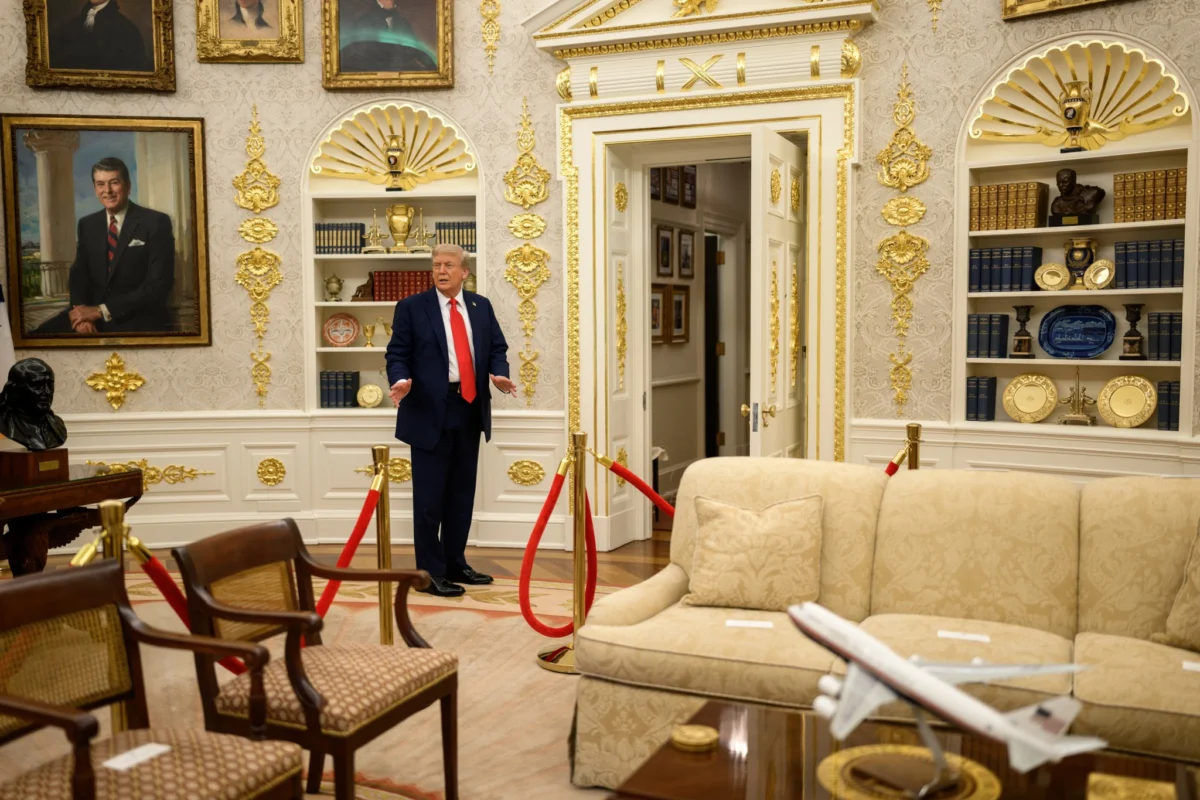
The meticulous planning for the visit reflects its significance. President Trump is expected to personally welcome President Xi at Joint Base Andrews on Wednesday, a gesture of diplomatic respect that reciprocates the welcome Trump received from China’s vice president during his state visit to Beijing in May. Speaking aboard Air Force One on Sunday, President Trump expressed his readiness for wide-ranging discussions, stating, "I’ll be discussing almost everything with him." This comprehensive approach highlights the breadth of issues demanding high-level attention from both leaders.
Navigating Persistent Economic Tensions
Foremost on the agenda is the simmering trade war that has cast a long shadow over global economic stability for years. While both nations have managed to maintain a fragile tariff truce for nearly a year, a lasting, comprehensive agreement has remained elusive. The trade conflict, which began in earnest around 2018-2019, saw the imposition of hundreds of billions of dollars in tariffs on goods from both sides, disrupting global supply chains, impacting multinational corporations, and creating significant uncertainty for businesses worldwide.

China’s Vice Premier He Lifeng, serving as the nation’s top trade negotiator, is already in the United States, engaging in preparatory meetings with US Treasury Secretary Scott Bessent. These discussions are crucial for laying the groundwork for any potential breakthroughs during the presidential summit. Analysts suggest that while a grand bargain might be overly optimistic, progress on specific sector agreements or a commitment to de-escalate further could be viable outcomes. The economic stakes are immense; in the preceding years, the US trade deficit with China, while fluctuating, remained a persistent point of contention for Washington, advocating for fairer market access and intellectual property protection.
The Race for AI Supremacy and its Governance
Beyond traditional trade, the frontier of artificial intelligence (AI) has emerged as a critical domain of both cooperation and intense competition. Warnings of an "AI apocalypse" have become increasingly prevalent in public discourse and expert analyses, reflecting growing concerns about the rapid advancements and potential implications of this transformative technology. Both the US and China are locked in a fierce race for technological supremacy, investing colossal sums in AI research and development, aiming to lead in areas ranging from machine learning to autonomous systems.
During their preliminary talks, Vice Premier He Lifeng and Treasury Secretary Scott Bessent discussed the creation of a communication channel specifically for AI concerns. Secretary Bessent confirmed that the US had proposed a "notification mechanism" between the two countries. Such a mechanism would be designed to address potential "incidents" or situations that "rise up to a national security level from AI." This initiative underscores a shared, albeit nascent, recognition of the need for guardrails in a rapidly evolving technological landscape. The dual-use nature of AI – its potential for economic and social good versus its application in military systems and surveillance – presents a unique challenge for global governance, demanding unprecedented levels of dialogue and transparency between leading powers. In 2025, global investments in AI research and development surpassed half a trillion dollars, with the US and China accounting for the lion’s share, fueling both innovation and anxieties about an unchecked technological arms race.

The Long Shadow of the Middle East Conflict
The ongoing conflict in the Middle East, referred to as "Trump’s war" and now in its seventh month, casts a significant geopolitical shadow over the summit. The US has been deeply involved in regional security, employing military and diplomatic resources to address various threats, including militant groups and state-sponsored actors. For China, the Middle East is primarily a critical source of energy, making regional stability vital for its economic security. China remains one of Iran’s top economic partners and diplomatic backers, importing a substantial portion of Tehran’s oil output.
This relationship puts Beijing in a delicate position, as Washington has maintained stringent sanctions against countries dealing with Tehran, aiming to curb its nuclear program and regional influence. China has consistently sought to mediate in the conflict, advocating for diplomatic solutions and avoiding direct entanglement. During the summit, President Xi will likely seek assurances or clarity regarding US policy in the region, while also working to safeguard China’s economic interests against the impact of potential secondary sanctions. The intricate web of alliances and rivalries in the Middle East demands careful navigation from both global powers, with implications for oil prices, maritime security, and humanitarian efforts.
Taiwan: A Perennial Flashpoint

The self-ruled island of Taiwan, which China claims as its own territory under the "One China" principle, remains a perennial and increasingly volatile flashpoint in US-China relations. The threat of military confrontation over Taiwan looms large, exacerbated by increased military activity in the Taiwan Strait and escalating rhetoric. The United States, while acknowledging the "One China" policy, also maintains unofficial relations with Taiwan and is its primary arms supplier under the Taiwan Relations Act, committing to assist Taiwan in maintaining its self-defense capabilities.
In July, China’s top diplomat, Wang Yi, delivered a pointed message to US Secretary of State Marco Rubio, stating that improving bilateral ties "requires action" and issuing a stern warning regarding Taiwan. This followed Rubio’s earlier announcement in June that a massive $14 billion arms sale to Taiwan was "under review," with President Trump controversially describing it as a "very good negotiating chip" in dealings with China. Taipei relies heavily on Washington’s support to counter the growing military and diplomatic pressure from Beijing, which has intensified its efforts to isolate the island internationally and conduct military exercises near its shores. Any misstep or perceived provocation concerning Taiwan could rapidly escalate tensions, making it a critical, albeit sensitive, topic for discussion between Xi and Trump.
The Strategic Leverage of Rare Earths
Adding another layer of complexity to the economic and strategic discussions is China’s dominance in the supply of rare earths. These 17 elements are critical materials indispensable for a vast array of high-tech products, from smartphones and electric vehicles to advanced defense systems and renewable energy technologies. China controls a significant majority of the world’s rare earth mining and processing capacity, giving Beijing substantial leverage in global supply chains.

The vulnerability of US manufacturers to this dependence was starkly illustrated last year when Beijing successfully pressured Washington to reconsider its sky-high tariffs by imposing stringent controls on rare earth exports. This move highlighted the strategic nature of these materials and underscored the need for diversification of supply chains, a goal that many nations are pursuing but which faces considerable long-term challenges due to China’s established infrastructure and expertise. The rare earths issue serves as a potent reminder of the interconnectedness of trade, technology, and national security in the US-China dynamic, making it an inevitable point of discussion regarding economic security and technological autonomy.
Outlook and Broader Implications
While the agenda is packed with critical issues, analysts caution that expectations for immediate, transformative breakthroughs at the Trump-Xi summit are tempered. Kurt Campbell, a former US deputy secretary of state, expressed a pragmatic outlook to AFP, stating, "One of the only things we can hope for in the short term is a truce, and that this will likely continue through the remainder of this year." This perspective suggests that managing differences and preventing further escalation might be the most realistic outcome, rather than resolving long-standing disputes.
The summit is not merely about bilateral relations; it carries profound implications for the global order. The interactions between the leaders of the world’s two most powerful nations will influence international trade, technological development, regional security dynamics in the Indo-Pacific and Middle East, and the future of multilateral institutions. The concept of "constructive strategic stability," as articulated by Beijing, reflects a desire to manage competition without allowing it to devolve into outright conflict, recognizing the mutual dependencies and shared global challenges that necessitate some level of cooperation.

As President Xi Jinping arrives in the United States, the world watches keenly. The outcomes of this high-stakes visit will undoubtedly shape the trajectory of US-China relations for years to come, influencing economic prosperity, technological innovation, and geopolitical stability across the globe. The ability of both leaders to navigate this complex landscape, manage deep-seated differences, and identify areas for pragmatic engagement will be a defining test of contemporary statecraft.

 Nana Wu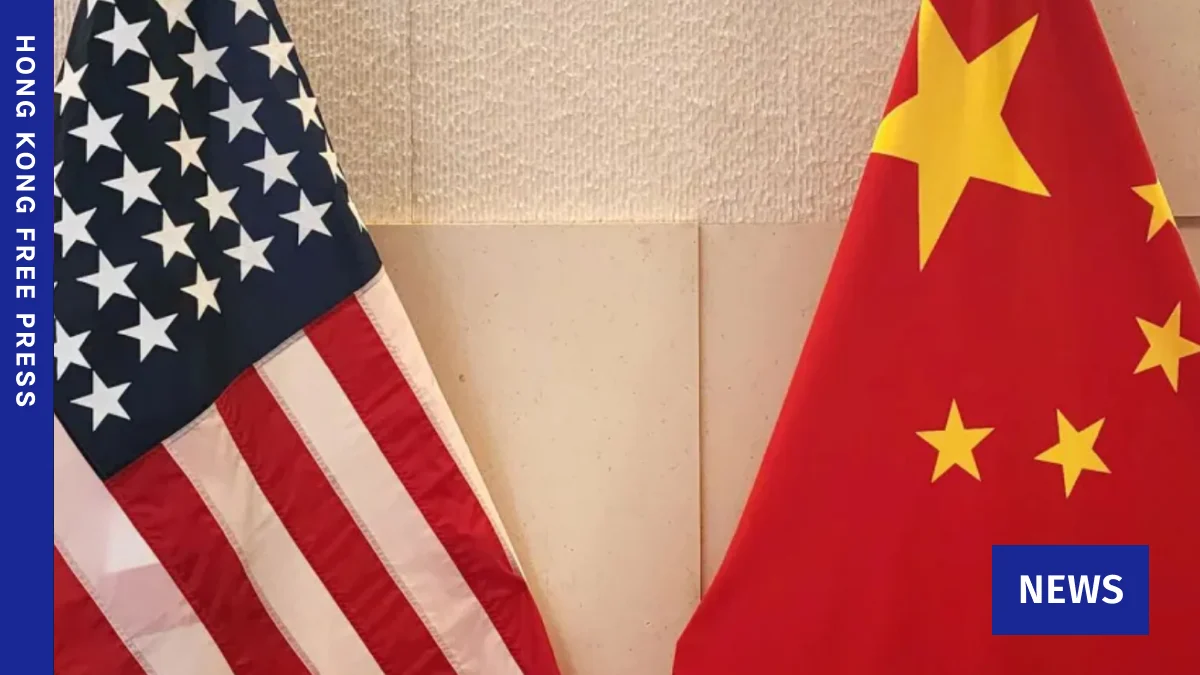
 Laily UPN