Lina Hope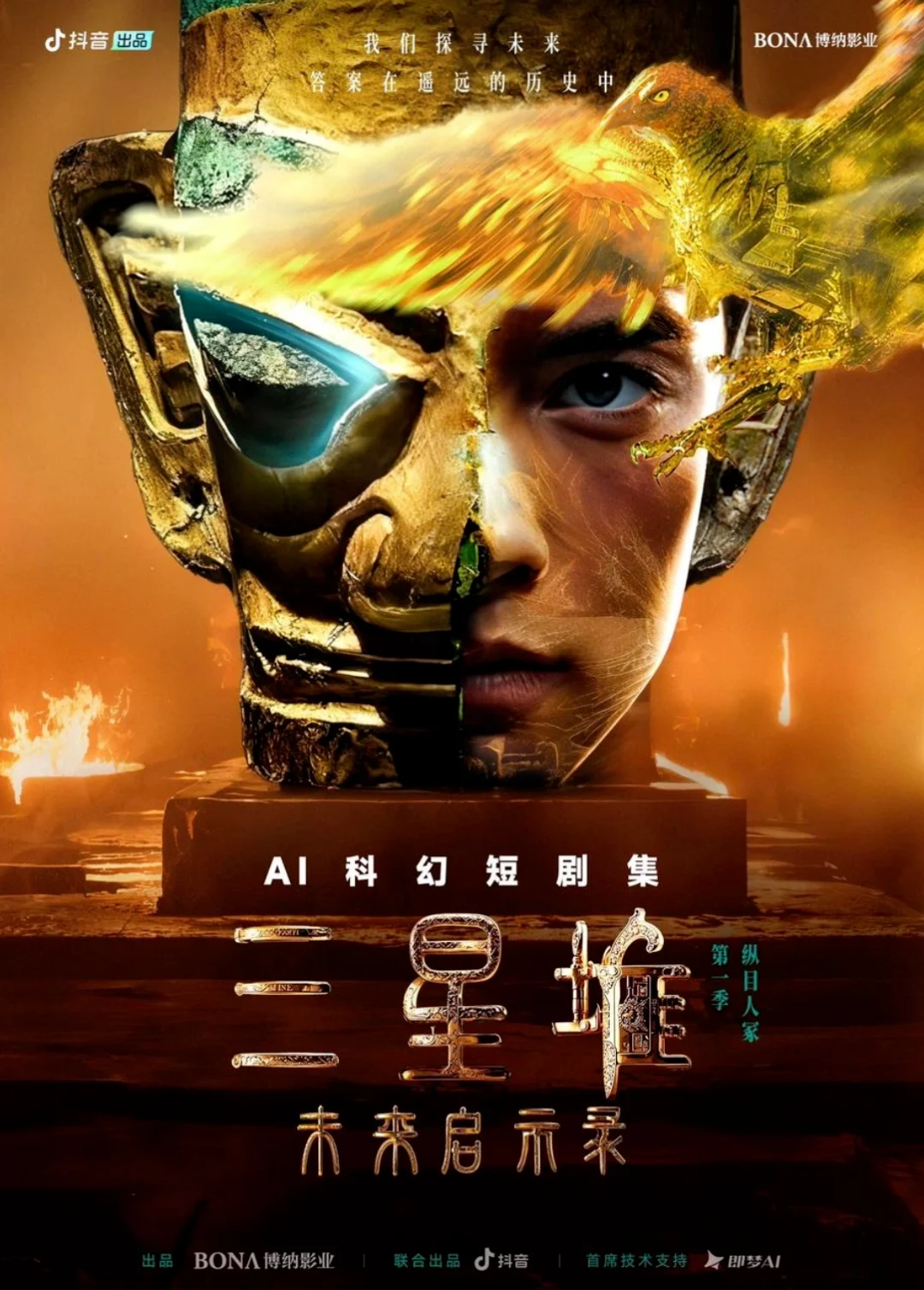
The global film industry stands on the precipice of a new technological era, as Bona Film Group has announced the forthcoming release of "Sanxingdui: Future Past," a groundbreaking 100-minute hyper-realistic theatrical feature film produced using artificial intelligence throughout its entire production process. Slated to hit cinemas nationwide in China on October 23, 2026, and having already secured an official screening license, this ambitious project signals a profound shift in filmmaking, moving AI beyond experimental short-form content into the realm of high-production-value cinema. This development not only underscores the rapid advancements in AI generative capabilities but also raises critical questions about the evolving workflow of the film industry, the intersection of human creativity and algorithmic assistance, and the future of storytelling itself.
The Dawn of AI-Driven Blockbusters: "Sanxingdui: Future Past"
The announcement from Bona Film Group, a prominent player in the Chinese film landscape known for its blockbusters and industry influence, marks a significant milestone. "Sanxingdui: Future Past" is not merely an AI-generated video; it is a full-length theatrical production designed to meet stringent cinematic standards. Its 100-minute runtime places it firmly within the conventional feature film category, distinguishing it from the plethora of short AI-generated clips or online mini-series that have emerged in recent years. This strategic move by Bona Film Group suggests a calculated commitment to integrating AI into mainstream film production, aiming to leverage its efficiencies and creative potential on an unprecedented scale. The film’s subject matter itself is equally intriguing, intertwining the ancient, enigmatic Shu civilization of Sanxingdui with a futuristic science fiction narrative, a combination that promises a visually rich and intellectually stimulating experience for audiences. This fusion of deep cultural heritage with cutting-edge technology reflects a broader trend in Chinese media, where historical narratives are often reinterpreted through modern lenses, and now, through advanced digital tools. The decision to feature original digital characters, rather than digital replicas of real actors, further streamlines the production process by sidestepping complex image rights and likeness authorization issues, which have become a contentious point in discussions surrounding AI in Hollywood and beyond. This approach not only offers creative freedom but also sets a precedent for how AI-driven productions might navigate the legal and ethical landscapes of talent representation.
A New Frontier in Filmmaking Technology: Bona’s AIGMS and Boka Film Cloud
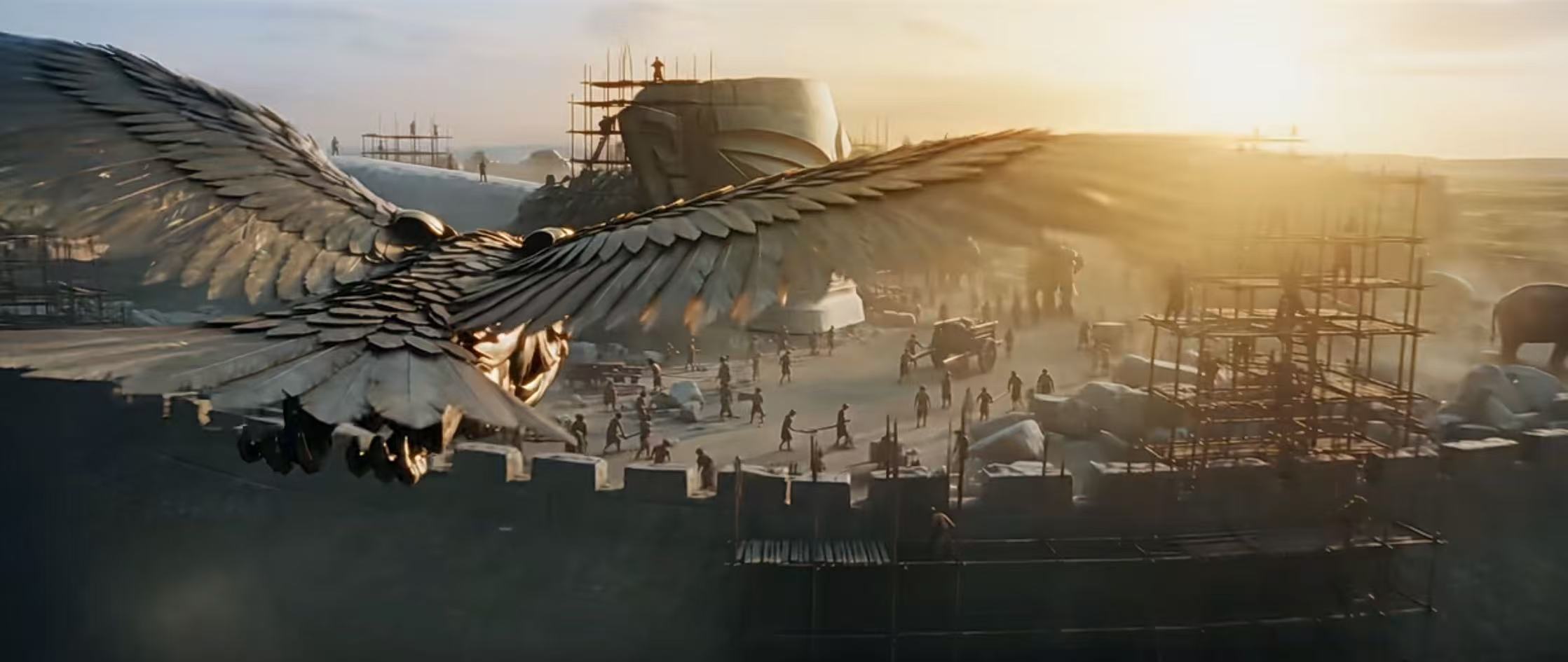
The journey to bring "Sanxingdui: Future Past" to the silver screen has been a testament to collaborative innovation, combining sophisticated AI algorithms with extensive human expertise. The core of this technological feat lies within Bona’s AIGMS division, where a dedicated team of over 100 professionals has meticulously guided the production. Crucially, AI is positioned as a powerful tool, not an autonomous director. The creative concept, narrative direction, and ultimate artistic decisions remain firmly in the hands of this human team, following a conventional film-production workflow. This hybrid model, where AI primarily handles image generation and content production, while human oversight steers the creative vision, addresses a fundamental concern within the creative industries: the role of human artistry in an increasingly automated world. It underscores the belief that while AI can generate vast quantities of visual data, the nuanced storytelling, emotional depth, and artistic coherence required for a compelling feature film still necessitate human ingenuity and critical judgment.
The Consistency Conundrum: Overcoming AI’s Generative Limitations
One of the most significant challenges in AI-generated video, particularly for long-form content, has been maintaining visual and narrative consistency. Early AI models often struggled with coherence, leading to characters whose appearance shifted, facial expressions that lacked continuity, or backgrounds that changed subtly from one shot to the next. While such inconsistencies might be overlooked in a short, experimental clip, they are fatal flaws in a 100-minute theatrical production. The production team behind "Sanxingdui: Future Past" confronted this "consistency conundrum" head-on. Their solution extended far beyond simple textual prompts. It involved a painstaking, frame-by-frame manual calibration of intricate details, such as characters’ micro-expressions, movements, and even costume consistency, to reduce the inherent uncertainty of AI-generated content. This meticulous process aimed to elevate the AI-generated visuals to meet the demanding standards of theatrical release, including achieving pristine 4K image quality, high dynamic range (HDR) color, and multi-channel surround sound. This level of granular control highlights that the current state of AI filmmaking is less about fully automated creation and more about sophisticated human-machine collaboration, where AI acts as a powerful assistant requiring constant refinement and guidance.
Beyond Prompts – Human-AI Collaboration and Workflow Integration
The scale of this endeavor is immense: two years of production, utilizing over 1.2 million source images, and undergoing more than 100 full-film iterations. This vast data processing and iterative refinement underscore the engineering challenge inherent in AI filmmaking. To manage this complexity, the team leveraged the "Infinite Canvas system," developed by Boka Film Cloud. This proprietary system integrated various audiovisual assets—scripts, storyboards, character designs, sets, lighting—into a unified creative environment. This integration mirrors a broader trend in AI infrastructure, where the focus is shifting from merely generating impressive individual pieces of content to making the entire production workflow seamless and efficient. For AI filmmaking, this means that while generating an isolated, visually stunning shot might be increasingly easy, the true difficulty lies in maintaining consistency in characters, environments, lighting, and overarching visual language across an entire feature film. Therefore, the future viability of AI in filmmaking may hinge not just on the raw capabilities of generative models but critically on the development of comprehensive workflows that encompass robust asset management, collaborative tools, version control, and continuous human supervision. This holistic approach is what distinguishes "Sanxingdui: Future Past" as a potential blueprint for future AI-driven productions.
The Narrative: Ancient Mystery Meets Futuristic AI
Beyond its technological achievements, "Sanxingdui: Future Past" offers a compelling narrative that cleverly integrates the very technology used to create it. The film’s plot is deeply rooted in the mysteries of the Sanxingdui civilization, an archaeological site in Sichuan, China, renowned for its unique bronze artifacts dating back 3,000 years. These artifacts, distinct from other ancient Chinese discoveries, feature enigmatic human-like masks with exaggerated eyes and towering bronze figures, suggesting a sophisticated yet mysterious culture. The film posits that symbols found on Sanxingdui bronzeware conceal an advanced binary code, an anomaly that could not have originated in that ancient era. This historical puzzle serves as a jumping-off point for a futuristic narrative where super AI has become pervasive across the globe. In this imagined future, humanity, increasingly reliant on algorithms for decision-making and judgment, faces a systemic crisis stemming from this over-dependence. Iconic Sanxingdui artifacts, such as the imposing Bronze Sacred Tree, the majestic Bronze Standing Figure, and the distinctive Bronze Masks, are envisioned coming to life within this high-tech, sci-fi setting, bridging millennia of human history and technological evolution.

Sanxingdui’s Enduring Enigma as a Narrative Catalyst
The choice of Sanxingdui as the film’s backdrop is particularly poignant. The archaeological discoveries at Sanxingdui, first made in 1929 and extensively excavated since the 1980s, have continually puzzled historians and archaeologists due to their distinct artistic style and lack of textual records from the ancient Shu kingdom. This air of mystery and the unique aesthetic of its artifacts provide a rich, visually inspiring canvas for a speculative fiction narrative. By weaving these ancient enigmas with a futuristic scenario of AI dominance, the film not only entertains but also subtly engages with profound philosophical questions. It explores the delicate balance between technological advancement and the preservation of human autonomy. The film’s central theme—the potential perils of humanity’s over-reliance on algorithms—is a direct reflection of contemporary anxieties surrounding the rapid proliferation of AI. This meta-narrative, where AI is both the tool of creation and a central thematic element, invites audiences to contemplate how technology shapes not only our future but also our very understanding of human agency and judgment.
A Rigorous Production Odyssey: Two Years, Millions of Images
The sheer scale of the production for "Sanxingdui: Future Past" underscores the complexity of pioneering AI-driven filmmaking. The two-year timeline, from conceptualization to its anticipated release, highlights the iterative and intensive nature of this new production paradigm. The generation and processing of over 1.2 million source images signify an immense computational effort and a testament to the capabilities of modern AI models when combined with substantial data. Each of the "over 100 full-film iterations" suggests a continuous loop of AI generation, human review, refinement, and regeneration—a meticulous process necessary to achieve the desired artistic quality and technical consistency across a feature-length production. This iterative development cycle is a departure from traditional filmmaking, where reshoots are costly and time-consuming. In an AI-driven pipeline, "iterations" can involve regenerating entire sequences or refining character models with greater flexibility, albeit with significant computational overhead. This approach also implies a different skill set for filmmakers, shifting from purely on-set direction to a hybrid role that combines artistic vision with a deep understanding of AI parameters, data curation, and digital asset management. The integration of the Boka Film Cloud’s "Infinite Canvas system" further emphasizes the engineering prowess required, creating a unified digital environment where creative elements from script to lighting are interconnected and manipulable, allowing for unprecedented levels of control and experimentation within the AI generation process.
Industry Reactions and Broader Implications
The announcement of "Sanxingdui: Future Past" is poised to elicit a range of reactions across the global film industry. For proponents of technological advancement, it represents an exciting leap forward, demonstrating AI’s potential to unlock new creative avenues and efficiencies. Industry analysts might point to the economic implications: AI could potentially reduce the astronomical costs associated with traditional CGI, large crews, and location shoots, democratizing access to high-quality visual production. This could empower independent filmmakers or studios with smaller budgets to produce visually ambitious projects. However, the prospect of widespread AI adoption also raises significant concerns among artists, technicians, and unions. The Writers Guild of America (WGA) and the Screen Actors Guild – American Federation of Television and Radio Artists (SAG-AFTRA) strikes in Hollywood in 2023 highlighted deep anxieties about AI’s potential to displace human jobs, devalue creative labor, and infringe upon intellectual property rights. While "Sanxingdui: Future Past" avoids the controversial use of digital likenesses of real actors by creating entirely original digital characters, the broader discussion about AI’s impact on employment remains pertinent.

Shifting Paradigms in Film Production
The film’s production methodology suggests a paradigm shift, where the emphasis moves from physical production logistics to digital asset management and AI workflow orchestration. This could mean a redefinition of roles within a film crew, with new specialists emerging in prompt engineering, AI model supervision, and digital consistency management. Studios might invest heavily in AI infrastructure, developing proprietary systems similar to Boka Film Cloud, to gain a competitive edge. This evolution is likely to foster greater integration between creative departments and technological development teams, blurring traditional boundaries.
Economic Efficiencies vs. Creative Control
While AI offers potential for significant cost reductions in areas like visual effects, animation, and even set design, the investment required in AI research, development, and high-performance computing infrastructure is substantial. The trade-off between economic efficiency and maintaining a unique artistic vision will be a critical consideration for studios. The manual, frame-by-frame calibration described by Bona’s team indicates that achieving "hyper-realism" with AI currently requires considerable human intervention, suggesting that fully autonomous, high-quality AI filmmaking is still some distance away.
The Future of Talent and Intellectual Property
The film’s strategy of using original digital characters offers a potential solution to the contentious issue of talent rights in the age of AI. However, questions remain about the intellectual property of AI-generated content itself. Who owns the copyright for images generated by an AI? What are the implications for creators whose styles might be emulated by AI models? These are complex legal and ethical challenges that the industry will need to address as AI filmmaking becomes more prevalent.
Global Stage and Future Outlook
"Sanxingdui: Future Past" has already begun its global outreach, making appearances at prestigious international events such as the Cannes Film Festival and the Hong Kong International Film & TV Market, where an international concept trailer was released. These early showings indicate Bona Film Group’s ambition for the film to resonate beyond Chinese borders and establish China as a leader in AI-driven cinematic innovation. The journey of AI filmmaking, from short visual demonstrations to advertising, online series, and now full-length theatrical features, represents a rapid and continuous evolution. The core challenge, as exemplified by "Sanxingdui: Future Past," has transitioned from merely demonstrating generative capability to achieving consistent, long-form storytelling and seamlessly integrating AI into an industrial-scale production workflow.

The film’s release on October 23, 2026, will serve as a crucial test case for this model. Its commercial and critical reception will provide invaluable insights into audience acceptance of AI-driven narratives and the technical viability of large-scale AI production. Ultimately, "Sanxingdui: Future Past" pushes the discourse surrounding AI in cinema beyond the initial question of "can it be done?" towards a more fundamental and far-reaching inquiry: can AI become an integral, indispensable, and creatively enriching part of the film industry itself, forever reshaping how stories are told and consumed globally? The answer, perhaps, lies in the ancient future it seeks to depict.


 Evan Lee Salim
 Laily UPN