Lina Hope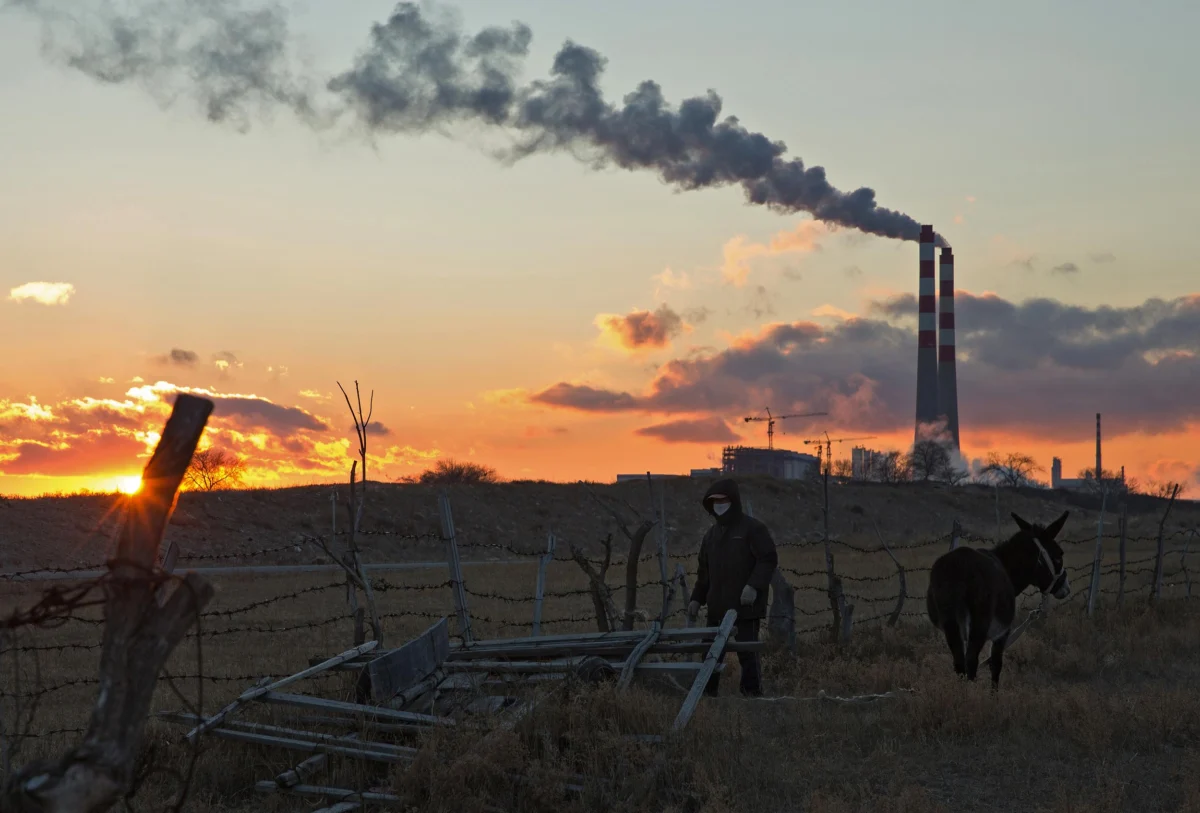
Beijing, China – In a significant milestone for China’s energy transition, coal-fired power plants generated 49.7% of the nation’s total electricity output during the first six months of 2026. This marks the first time that coal’s contribution to the national grid has fallen below the 50% threshold, signaling a pivotal shift away from the historically dominant energy source. The decline underscores the accelerating growth of renewable energy technologies, particularly solar and wind power, in China’s increasingly diversified energy portfolio.
This development, while celebrated by environmental advocates, also highlights the ongoing challenges and the substantial distance yet to be covered in fully decarbonizing China’s power sector. The data, analyzed by Greenpeace East Asia, provides a concrete indicator of the nation’s progress in its ambitious climate goals, which include reaching peak carbon emissions before 2030 and achieving carbon neutrality by 2060.
A Historic Decline and the Rise of Renewables
The dip below 50% for coal-fired power generation represents a culmination of years of policy initiatives and substantial investment in renewable energy infrastructure. For decades, coal has been the backbone of China’s economic development, powering its rapid industrialization and meeting its ever-growing energy demands. However, mounting concerns over air pollution, public health, and the urgent need to address climate change have propelled a strategic pivot towards cleaner energy sources.
According to official figures released by the National Bureau of Statistics (NBS), total electricity generation in China for the first half of 2026 reached approximately 4.2 trillion kilowatt-hours (kWh). Within this total, coal power accounted for an estimated 2.087 trillion kWh. This represents a notable decrease in both absolute terms and as a percentage of the overall energy mix compared to previous years. For instance, in the first half of 2025, coal power still constituted over 52% of the total electricity generated.
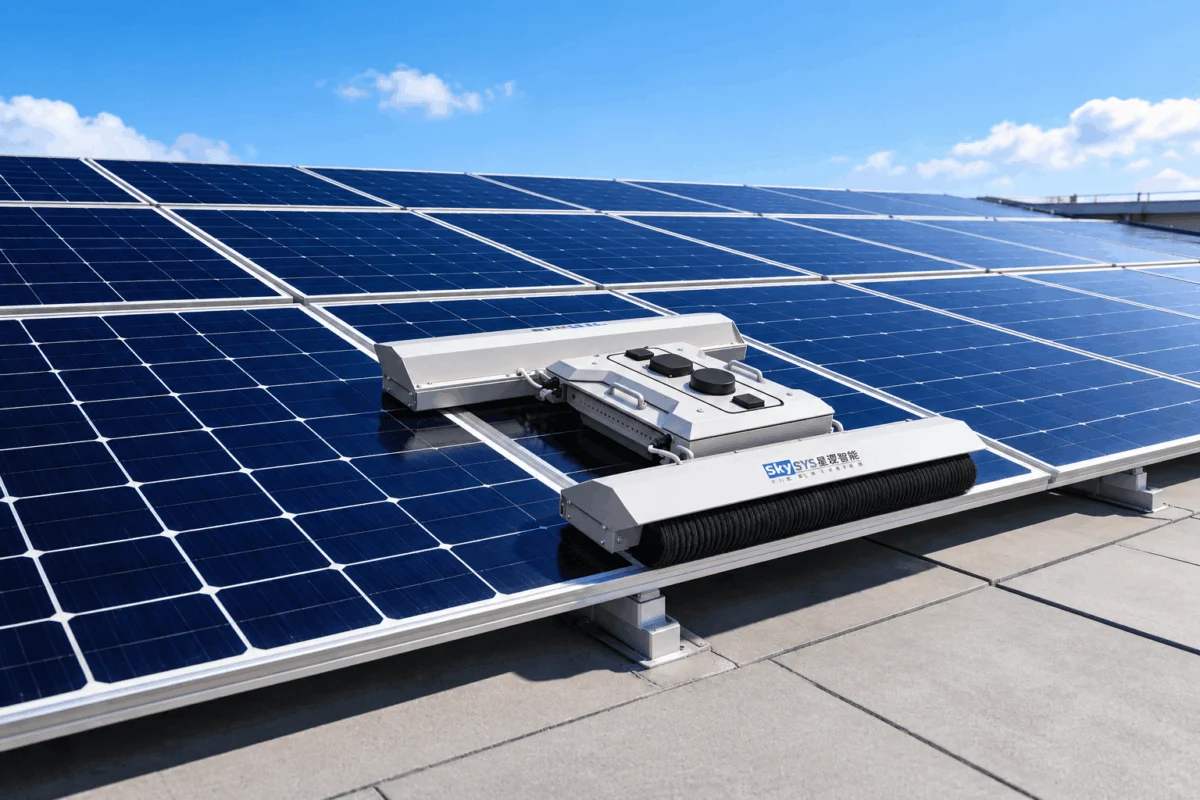
The growth of solar and wind power has been particularly instrumental in this shift. Over the same six-month period in 2026, solar and wind power combined generated approximately 1.05 trillion kWh, representing about 25% of the total electricity output. While this figure is substantial and growing, experts emphasize that a more aggressive expansion of these renewables is crucial to accelerate coal’s decline and ensure China meets its long-term climate commitments.
Expert Perspectives and the Road Ahead
Gao Yuhe, Beijing-based project lead for Greenpeace East Asia, commented on the significance of this milestone. "This is another step in coal’s decline in China, and there’s still a way to go," Gao stated. "Solar and wind play a central role in outcompeting and displacing coal. But solar and wind generation is still only at 25%. Stronger targets for solar and wind generation will have a knock-on effect to further undercut coal."
Gao elaborated on the potential for enhanced renewable energy deployment, noting, "China’s current 2030 target for wind and solar is 30%, but we can easily hit 33% by 2028. Without stronger targets, coal will linger in the interim. Rooftop solar and energy storage are the key sectors to watch over the next few years. In high energy demand provinces on the eastern seaboard, rooftop solar and battery deployment offer local solutions to meet peak electricity demand."
This perspective underscores a key challenge: while large-scale solar and wind farms are expanding rapidly, the integration of distributed energy resources and advanced storage solutions is critical for grid stability and for effectively managing the intermittency of renewables. The increasing reliance on renewables necessitates a modernized grid infrastructure capable of handling bidirectional power flow and fluctuating supply.
Supporting Data and Trends
The trajectory of China’s energy mix has been a subject of intense global scrutiny. The International Energy Agency (IEA) has consistently highlighted China’s leading role in renewable energy deployment. In 2025, China accounted for over 50% of global additions to renewable power capacity. This momentum has continued into 2026, with new solar photovoltaic (PV) installations, in particular, exceeding expectations.
- Cumulative Installed Capacity: By the end of 2025, China’s installed capacity for solar power had surpassed 700 gigawatts (GW), and for wind power, it had reached over 500 GW. Projections for the end of 2026 indicate further substantial increases, with new capacity additions likely to push these figures even higher.
- Investment Trends: Global investment in clean energy technologies has seen a significant influx into China. In 2025, China attracted over $150 billion in clean energy investment, a record high, according to BloombergNEF. This trend is expected to continue as the country prioritizes energy security and green development.
- Coal Plant Retirements and Reductions: Alongside the growth of renewables, China has also been retiring older, less efficient coal-fired power plants. While the pace of these retirements has been debated, the focus is shifting towards ensuring that new coal power capacity is strictly for baseload and grid stability purposes, rather than for routine generation. The total operational capacity of coal-fired power plants, while still vast, is no longer expanding at the rate seen in previous decades.
Chronology of China’s Energy Transition
The shift away from coal and towards renewables in China is not a sudden development but rather a gradual process driven by evolving policy objectives and technological advancements.
- Early 2000s: Coal dominates China’s energy landscape, fueling rapid industrial growth. Environmental concerns begin to emerge.
- Late 2000s/Early 2010s: China starts investing heavily in renewable energy, driven by a desire for energy security and a nascent commitment to climate action. The country becomes a leading manufacturer of solar panels and wind turbines.
- Mid-2010s: China officially ratifies the Paris Agreement and sets ambitious renewable energy targets. The "war on pollution" intensifies, leading to stricter environmental regulations for coal plants.
- Late 2010s: Renewable energy generation begins to significantly increase, starting to displace some coal power. China becomes the world’s largest producer of renewable energy.
- 2020: President Xi Jinping announces China’s goals of peaking carbon emissions before 2030 and achieving carbon neutrality by 2060. This injects new urgency into the energy transition.
- 2021-2025 (14th Five-Year Plan): The government prioritizes energy security and a more efficient, diversified energy system. Renewable energy deployment accelerates, with targets for non-fossil fuel sources increasing.
- First Half of 2026: Coal’s share of electricity generation falls below 50% for the first time.
Broader Impact and Implications
The news that coal’s share in China’s electricity generation has fallen below 50% carries significant implications both domestically and globally.
- Environmental Benefits: A reduced reliance on coal will lead to a substantial decrease in air pollution, improving public health outcomes in major urban centers and industrial regions. It will also contribute significantly to China’s efforts to reduce greenhouse gas emissions, a critical factor in the global fight against climate change.
- Economic Diversification: The shift necessitates continued investment in and development of renewable energy technologies, energy storage, and smart grid infrastructure. This can foster new industries, create jobs, and enhance China’s technological competitiveness on the global stage.
- Energy Security: While coal has been a domestic resource, diversifying the energy mix with renewables, which are increasingly cost-competitive, can reduce reliance on imported fossil fuels and enhance energy independence.
- Global Climate Leadership: China’s success in transitioning its energy sector serves as a powerful example for other developing nations and reinforces its position as a key player in global climate negotiations and actions. However, the continued reliance on coal, even if below 50%, still represents a substantial challenge that requires sustained and accelerated efforts.
Looking Ahead: Challenges and Opportunities
While the milestone is encouraging, experts caution against complacency. The remaining half of China’s electricity generation is still heavily reliant on coal, and the country continues to build new coal power capacity, often citing grid stability and energy security concerns, particularly in the context of growing demand and the intermittent nature of renewables.
The call for stronger targets for solar and wind generation, as articulated by Greenpeace, reflects a widespread view that China’s current goals may not be ambitious enough to fully align with the urgency of the climate crisis. The emphasis on rooftop solar and energy storage highlights the need for decentralized energy solutions and advanced grid management to facilitate the integration of higher shares of renewables.
The coming years will be crucial in determining the pace and ultimate success of China’s energy transition. Continued policy support, technological innovation, and strategic investment will be paramount in ensuring that the momentum gained in the first half of 2026 is sustained and amplified, paving the way for a cleaner, more sustainable energy future.
For media enquiries, please contact:
August Rick, Greenpeace East Asia, Beijing, [email protected]
Greenpeace International Press Desk, [email protected], +31 20 718 2470 (24 hours)

 Laily UPN
 Ammar Sabilarrohman