Nana Wu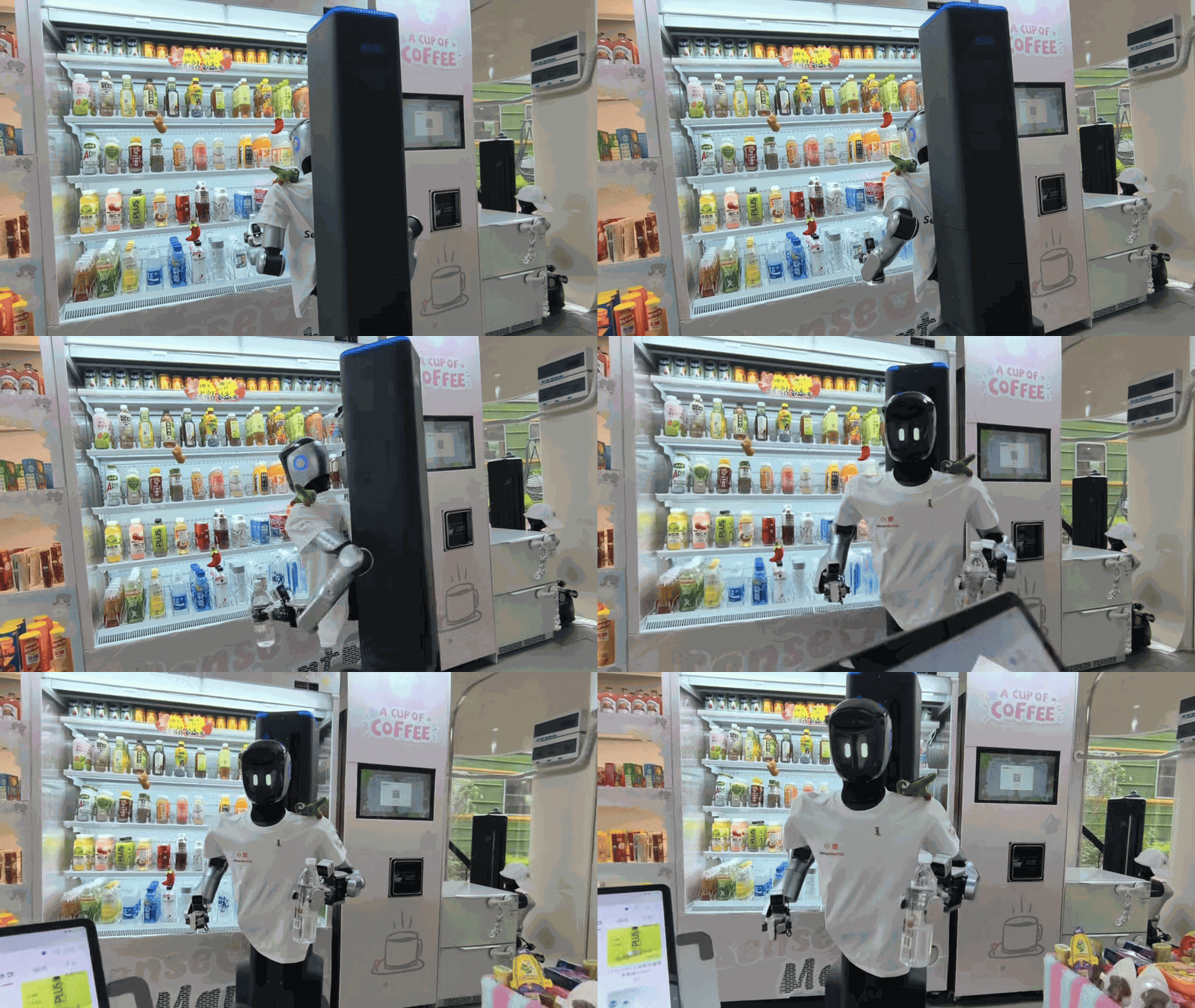
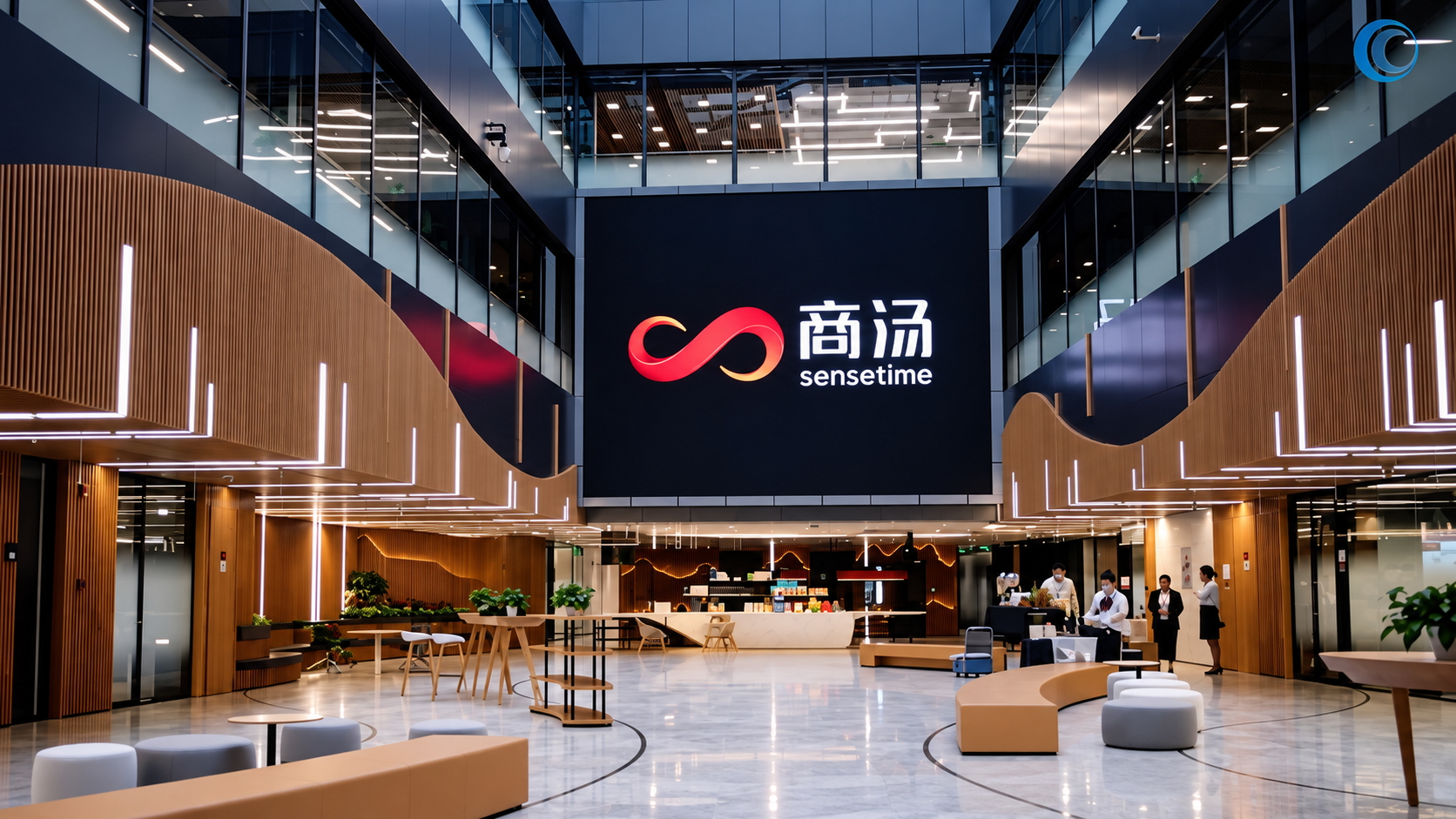
On September 23, 2026, SenseTime, a global leader in artificial intelligence software, unveiled its groundbreaking SenseMart OS at its Shanghai headquarters, positioning it as a revolutionary physical operating system engineered specifically for the retail sector. This innovative platform is designed to seamlessly integrate and orchestrate heterogeneous robots, diverse retail equipment, and complex commercial operations, offering operators, brands, and venue managers a comprehensive, deployable, operable, and replicable solution for embodied retail. The launch event prominently featured the SenseMart Go robotic store, providing a tangible demonstration of the OS’s capacity to coordinate these multifaceted components within a dynamic, real-world retail environment.
The Dawn of Embodied Intelligence in Commerce
The introduction of SenseMart OS marks a significant leap forward in the application of embodied intelligence, moving it beyond experimental demonstrations and into the fabric of everyday commercial operations. Embodied intelligence refers to artificial intelligence systems that can perceive, understand, reason, and act within the physical world, often through robotic agents. By creating a unified operating system, SenseTime aims to unlock unprecedented levels of automation, efficiency, and customer experience in retail. This strategic move underscores the growing imperative for retailers to adopt advanced technologies to meet evolving consumer demands and operational challenges.
SenseTime’s Strategic Rationale: A Deep Dive into Retail
SenseTime’s foray into a dedicated retail operating system is not a sudden pivot but a natural evolution of its long-standing expertise and significant investments in the sector. Dr. Yi Shuai, co-founder and chief scientist of SenseTime Smart Retail, highlighted the company’s extensive experience, which includes years of developing sophisticated product-recognition systems. These systems currently process millions of orders daily and manage a vast database encompassing over 300,000 Stock Keeping Units (SKUs) – distinct product types and variants. This deep foundational knowledge provides SenseTime with a distinct advantage, allowing them to tailor solutions that address the specific intricacies and demands of retail operations.
The decision to focus on retail is also underpinned by the sector’s immense potential for transformation through AI and robotics. Retail faces persistent challenges such as labor shortages, rising operational costs, inventory inaccuracies, and the need to deliver highly personalized customer experiences. Embodied intelligence offers a compelling answer to these pain points, promising to automate repetitive tasks, optimize logistics, enhance security, and free up human staff for more complex, value-added interactions.
Architecting the Future: Core Capabilities of SenseMart OS
Dr. Yi Shuai elaborated on the foundational architecture of SenseMart OS, which is built around three core elements designed to support four critical capabilities: perception, interaction, decision-making, and execution. This robust framework is meticulously crafted to ensure the system’s adaptability and scalability, not only within retail but also for future expansion into other offline service industries.
- Perception: At its core, SenseMart OS leverages SenseTime’s cutting-edge computer vision technologies. This enables robots and smart equipment to accurately perceive their environment, recognize products, track inventory levels, identify customer movements, and detect anomalies. High-resolution cameras, LiDAR, and other sensors feed data into the system, creating a real-time digital twin of the physical retail space.
- Interaction: The system facilitates seamless interaction between robots, human staff, and customers. This includes natural language processing for customer queries, intuitive interfaces for staff management, and precise robotic manipulation for tasks like restocking or order fulfillment. The goal is to create a frictionless experience for all stakeholders.
- Decision-Making: Powered by advanced AI algorithms, SenseMart OS can analyze vast amounts of data to make intelligent decisions. This could range from optimizing product placement based on sales data and customer flow, to dynamic pricing adjustments, to predictive maintenance for equipment. The system learns and adapts over time, continuously improving its operational efficiency.
- Execution: The ultimate aim is to translate decisions into physical actions through a diverse fleet of robots and automated equipment. This encompasses tasks like picking and placing items, cleaning, security patrolling, and guiding customers. The OS ensures that these actions are carried out efficiently, accurately, and safely.
Driving Tangible Business Outcomes
Unlike many early robotic deployments that focused solely on the success rate of individual robot tasks, SenseMart OS is designed with a keen eye on broader business outcomes. The system targets key performance indicators (KPIs) such as enhanced customer satisfaction, increased repeat purchases, and improved transaction completion rates. This holistic approach ensures that technological deployment directly translates into measurable commercial benefits. For instance, by minimizing stock-outs through automated inventory management, the system directly contributes to higher customer satisfaction. By facilitating quicker order fulfillment, it boosts transaction efficiency. The intelligence embedded within the OS can even inform personalized promotions, thereby encouraging repeat business.
A Multi-Robot Ecosystem: Hardware Agnosticism and Flexibility

A significant feature of SenseMart OS is its ability to connect and manage multiple types of robots and hardware, fostering a truly heterogeneous ecosystem. This flexibility is crucial for adapting to the diverse needs of different retail environments. The system can orchestrate:
- Wheeled dual-arm robots: Ideal for navigating aisles and performing complex picking and placing tasks.
- Humanoid robots: Capable of more nuanced interactions with customers, offering guidance, or even performing demonstrations.
- Specialized grippers and manipulators: Integrated into shelves or dispensing units for automated product retrieval.
- Autonomous guided vehicles (AGVs): For transporting larger quantities of goods within warehouses or larger retail spaces.
- IoT-enabled retail equipment: Including smart shelves, automated checkouts, and digital signage, all communicating and collaborating under the OS.
This hardware-agnostic approach means that retailers are not locked into a single vendor’s robotics solution. Instead, they can select the best tools for specific tasks, knowing that SenseMart OS will provide the unifying intelligence and coordination layer. This interoperability is a critical enabler for widespread adoption and customizability.
Real-World Application: The SenseMart Go Robotic Stores
The practicality and effectiveness of SenseMart OS are already being demonstrated through SenseMart Go, SenseTime’s innovative robotic store concept. Currently, SenseMart Go operates more than 20 stores across various major Chinese cities, including Shanghai, Hefei, Shenzhen, Qingdao, and Yancheng. These deployments span a wide array of environments, showcasing the system’s versatility:
- University campuses: Providing convenient, automated access to essentials for students.
- Shopping malls: Offering unique, interactive retail experiences.
- Office buildings: Supplying quick snacks and beverages for busy professionals.
- Industrial parks: Catering to the needs of workers in specialized environments.
- Event venues: Providing rapid, high-volume service during peak periods.
- Public spaces: Offering accessible retail options in urban areas.
In these robotic stores, a TechNode reporter witnessed firsthand a robot efficiently retrieve a bottle of mineral water from a shelf after an order was placed, illustrating the precision and speed enabled by the OS. These operational stores serve as living laboratories, continuously refining the SenseMart OS and gathering invaluable data on real-world performance, customer acceptance, and operational efficiency.
Industry Context and the Retail Automation Landscape

The launch of SenseMart OS comes at a time when the global retail industry is undergoing profound transformation. According to recent market analyses, the smart retail market is projected to grow from an estimated USD 22.8 billion in 2023 to over USD 70 billion by 2028, driven by the increasing adoption of AI, IoT, and robotics. Factors such as labor cost inflation, the persistent challenge of labor shortages, particularly in frontline retail roles, and the ever-present demand for faster, more convenient, and personalized shopping experiences are compelling retailers to invest heavily in automation.
Traditional retail models often struggle with inventory management, leading to stock-outs or overstocking, which directly impact profitability and customer satisfaction. Furthermore, the rise of e-commerce has set new benchmarks for efficiency and personalization, pushing physical stores to innovate or risk obsolescence. Embodied intelligence solutions like SenseMart OS offer a pathway for brick-and-mortar retailers to compete effectively by streamlining operations, optimizing supply chains, and creating engaging, futuristic shopping experiences.
Expert Perspectives on the Future of Embodied Intelligence
The launch event included a dynamic panel discussion featuring leading figures in robotics and AI, including Hengyi Liu, CTO of SenseTime Smart Retail; Min Yuheng, founder and CEO of Zerith Robotics; Chunxiao Liu, vice president of R&D at ACE Robotics; Wenqiang Xu, co-founder and CTO of DAX Robotics; and Weisheng Xu, co-founder and CEO of Jiutian Yuanshu. The discussions illuminated key areas where the next wave of value in embodied intelligence is expected to emerge.
Panelists emphasized the critical need for robust, general-purpose AI platforms that can adapt to various tasks and environments, rather than siloed, single-purpose robots. The consensus was that true value creation would come from systems that enable seamless collaboration between diverse robotic entities and integrate deeply with existing enterprise resource planning (ERP) and customer relationship management (CRM) systems.
The discussion also touched upon the ethical considerations and societal impact of widespread automation. While acknowledging the potential for job displacement in some areas, the experts highlighted the creation of new roles in robot management, AI system maintenance, and data analysis. The focus, they argued, should be on augmenting human capabilities and freeing human workers from dull, dirty, and dangerous tasks, allowing them to focus on more creative and empathetic customer interactions. The long-term vision includes intelligent systems that can learn from human demonstrations, continuously improve through experience, and operate autonomously in increasingly complex and unstructured environments.

Broader Implications and Future Outlook
The launch of SenseMart OS has far-reaching implications beyond the immediate retail sector. SenseTime’s ambition to expand the system into other offline service industries, such as hospitality, healthcare, and logistics, signals a broader vision for embodied intelligence. Imagine smart hotels where robots manage luggage and room service, or intelligent hospitals where autonomous systems assist with deliveries and facility management.
For SenseTime, this initiative reinforces its position as a leading innovator in the global AI landscape. By successfully deploying and scaling a complex embodied intelligence platform, the company demonstrates its capabilities in integrating advanced AI, robotics, and IoT at an enterprise level. This move could also stimulate further investment and innovation in the broader AI and robotics ecosystem, fostering collaboration between hardware manufacturers, software developers, and service providers.
Ultimately, SenseMart OS represents a significant step towards a future where physical spaces are intelligently managed and activated by autonomous systems working in harmony with human operators. It promises not just efficiency gains but also a reimagining of customer experiences, setting new benchmarks for convenience, personalization, and operational excellence in the age of AI. As the system continues to evolve and expand, it will be crucial to observe its impact on labor markets, consumer behavior, and the competitive dynamics of industries embracing this transformative wave of embodied intelligence.

 Muslim
 Asep Darmawan