Evan Lee Salim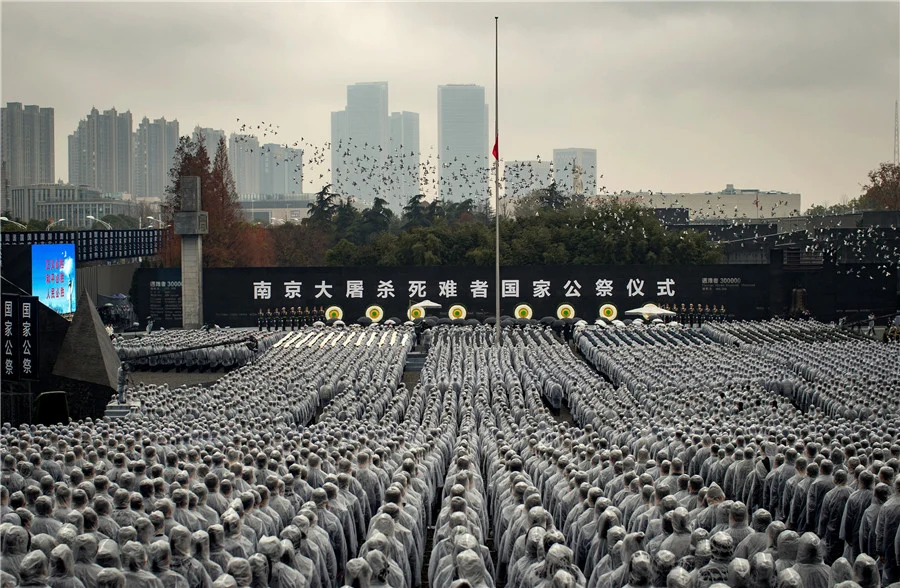
The solemnity of December 13th is observed annually as the National Memorial Day for Nanjing Massacre Victims, a poignant commemoration established to honor the estimated 300,000 Chinese civilians and unarmed soldiers who were brutally killed by Japanese Imperial Army troops in the aftermath of the fall of Nanjing during World War II. This day serves as a stark reminder of the profound human cost of war and the importance of remembrance for fostering peace and preventing future atrocities. Memorial days, a practice adopted by governments of major belligerents in past conflicts, are designed not only to remember those who perished or made immense sacrifices but also to educate current and future generations about the devastating consequences of warfare. Across the globe, various nations observe such days through a multitude of ceremonies, educational initiatives, and solemn reflections, each reflecting a unique cultural and historical context while united by the overarching goal of preserving the memory of wartime history.
The Horrors of Nanjing: A Deep Dive into the Massacre
The Nanjing Massacre, also known as the Rape of Nanjing, stands as one of the most horrific chapters of the 20th century. Following the invasion of China by Japan and the capture of the then-capital city of Nanjing on December 13, 1937, Japanese soldiers embarked on a six-week spree of systematic murder, rape, looting, and arson. The scale of the violence was unprecedented and horrifying. Estimates of the death toll vary, but the figure of 300,000, officially recognized by the Chinese government and widely cited, underscores the immense loss of life. Beyond the outright killings, an estimated 20,000 to 80,000 women and girls were subjected to sexual violence, and vast amounts of property were destroyed. The international community at the time was largely powerless to intervene effectively, though a small group of foreigners, primarily missionaries and diplomats, established the Nanjing Safety Zone, sheltering approximately 250,000 Chinese civilians. Their efforts, documented in diaries and later testimonies, provide harrowing eyewitness accounts of the unfolding tragedy.
Historical Context: The Road to Nanjing
The Nanjing Massacre was not an isolated incident but a brutal manifestation of Japan’s expansionist ambitions in Asia during the first half of the 20th century. The Second Sino-Japanese War, which began in earnest in 1937, was a culmination of decades of Japanese aggression and territorial claims. Japan, seeking to establish dominance in East Asia and secure vital resources, viewed China as a strategic target. The "Marco Polo Bridge Incident" on July 7, 1937, served as the pretext for a full-scale invasion. The fall of Shanghai in November 1937 preceded the Japanese advance on Nanjing, the Nationalist capital. The Chinese military, though numerically superior at times, was outmatched by the better-equipped and more disciplined Japanese forces. The retreat of Chinese troops from Nanjing was disorganized, leaving the civilian population vulnerable to the advancing enemy. The subsequent occupation and the ensuing atrocities exposed the brutal nature of the Japanese military’s conduct during the war.
Commemoration and Remembrance: A Global Perspective
The establishment of memorial days for victims of war is a practice with deep historical roots and varied expressions across the globe. These days are more than just moments of mourning; they are active efforts to ensure that the lessons learned from past conflicts are not forgotten.
China’s National Memorial Day
In China, December 13th was designated as the National Memorial Day for Nanjing Massacre Victims in 2014 by the Standing Committee of the National People’s Congress. This official recognition elevated the commemoration to a national level, signifying its profound importance in the collective memory of the nation. The primary site of remembrance is the Memorial Hall of the Victims in Nanjing, which houses extensive archives, artifacts, and exhibits detailing the horrors of the massacre. On this day, solemn ceremonies are held, often attended by high-ranking officials, survivors of the massacre, and a multitude of citizens. Air raid sirens are sounded, a moment of silence is observed, and wreaths are laid to pay tribute to the departed. The event also includes the ringing of a "Bell of Peace" and the release of doves, symbolizing a wish for lasting peace. Educational programs and public awareness campaigns are intensified around this date, aiming to instill a deeper understanding of this dark period in history, particularly among younger generations. The intention is not to foster hatred, but to cultivate a strong sense of historical awareness and a commitment to peace.
Global Parallels: Remembering Wartime Tragedies
The practice of designating memorial days to remember wartime tragedies is a global phenomenon.
- Holocaust Remembrance Day (International Holocaust Remembrance Day): Observed on January 27th, marking the liberation of the Auschwitz-Birkenau concentration camp in 1945, this day commemorates the millions of Jews and other minorities systematically murdered by the Nazi regime during World War II. It serves as a crucial reminder of the dangers of antisemitism, racism, and unchecked totalitarianism.
- Armistice Day / Remembrance Day (Various Nations): Celebrated on November 11th in many Commonwealth countries, this day marks the end of World War I. It is a day to honor the soldiers who died in the war and all those who have served in conflicts. The iconic red poppy is worn as a symbol of remembrance.
- Memorial Day (United States): Observed on the last Monday in May, this federal holiday honors the men and women who died while serving in the U.S. military. It is a day of solemn remembrance, with ceremonies at national cemeteries and memorials across the country.
- Hiroshima and Nagasaki Peace Memorial Ceremonies (Japan): On August 6th and 9th each year, Japan commemorates the atomic bombings of Hiroshima and Nagasaki. These days are marked by solemn ceremonies, particularly in the Peace Memorial Parks, calling for the abolition of nuclear weapons and for world peace.
Each of these observances, while rooted in specific historical events, shares a common purpose: to honor the victims, to acknowledge the suffering caused by war, and to advocate for a future free from such devastation.
Supporting Data and Evidence
The historical record of the Nanjing Massacre is substantial, compiled from various sources that corroborate the immense scale of the atrocities.
- Eyewitness Testimonies: Thousands of survivor testimonies, collected by Chinese authorities and historical researchers, provide graphic and deeply personal accounts of the violence. These narratives, often collected decades after the event, detail acts of mass murder, rape, and torture.
- Foreign Accounts: The diaries and reports of foreign nationals present in Nanjing during the massacre offer invaluable external validation. Figures like John Rabe, a German businessman and member of the Nazi Party who served as head of the International Safety Zone, meticulously documented the events, describing the systematic brutality and the desperate plight of the Chinese civilians. His diaries, published as "The Good Man of Nanking," are a critical historical source.
- Photographic and Film Evidence: While often disturbing, photographic and film evidence captured by both Japanese soldiers and foreign observers provides visual documentation of the destruction, the victims, and the perpetrators.
- Post-War Trials: The Tokyo War Crimes Tribunal (International Military Tribunal for the Far East) and subsequent trials of Japanese war criminals presented evidence and testimonies related to the Nanjing Massacre, leading to convictions for some individuals.
- Archaeological Findings: Investigations at mass grave sites have uncovered skeletal remains that support the high death toll.
Scale of Loss: Beyond the Numbers
While the number 300,000 is staggering, it is crucial to understand that this figure represents individual lives, each with families, dreams, and futures that were brutally extinguished. The massacre inflicted not only immense physical suffering but also profound psychological trauma on survivors and their descendants. The destruction of cultural heritage and property further exacerbated the loss.
Official Responses and International Relations
The National Memorial Day for Nanjing Massacre Victims holds significant implications for China’s foreign policy and its relationships with other nations, particularly Japan.
China’s Stance
China consistently uses this day to reiterate its commitment to peace and to call for Japan to confront its wartime past honestly. Beijing’s official narrative emphasizes the need for Japan to acknowledge its responsibilities, offer sincere apologies, and refrain from actions that appear to deny or downplay the atrocities committed by its military. The commemoration serves as a reminder to both domestic and international audiences of the historical injustices suffered by China.
Japanese Perspectives and Reactions
Japan’s historical reckoning with its wartime past remains a complex and often sensitive issue. While some Japanese politicians and citizens have expressed remorse and called for sincere apologies, others have engaged in revisionist historical narratives or downplayed the scale of the atrocities. Statements made by Japanese leaders around the time of the Nanjing Massacre memorial day are often closely scrutinized by China and other East Asian nations. Official apologies from the Japanese government over the years have been issued, but their sincerity and comprehensiveness are frequently debated. The ongoing tensions surrounding historical interpretation underscore the importance of open dialogue and mutual understanding in fostering regional stability.
Broader Impact and Implications
The commemoration of the Nanjing Massacre has far-reaching implications beyond the immediate act of remembrance.
Promoting Peace and Preventing Future Atrocities
The primary objective of memorial days is to serve as a bulwark against the recurrence of such horrors. By understanding the causes and consequences of war, societies can be better equipped to identify and address the early warning signs of conflict and to promote diplomatic solutions. The Nanjing Massacre serves as a potent case study of the devastating impact of unchecked militarism and disregard for human life.
Historical Justice and Reconciliation
For the victims and their descendants, these memorial days are an essential part of seeking historical justice. While legal reparations may be complex or unattainable, the public acknowledgment and commemoration of suffering are vital steps towards healing and reconciliation. The ongoing efforts to preserve the memory of the Nanjing Massacre contribute to a broader narrative of historical accountability.
International Diplomacy and Regional Stability
The way historical events are remembered and commemorated significantly influences international relations. In East Asia, historical grievances stemming from World War II continue to shape regional dynamics. China’s emphasis on the Nanjing Massacre serves as a constant reminder of its historical suffering and its expectations for regional powers to acknowledge and learn from the past. A more transparent and universally accepted understanding of these historical events could contribute to greater trust and stability in the region.
The Role of Education and Media
Ensuring that future generations understand the realities of the Nanjing Massacre requires sustained efforts in education and media. Museums, historical documentaries, academic research, and public forums play a crucial role in disseminating accurate information and fostering critical thinking about war and its consequences. The digital age presents new avenues for sharing these stories, but also challenges in combating misinformation and historical revisionism.
The National Memorial Day for Nanjing Massacre Victims is a solemn occasion that transcends national boundaries, echoing the universal call for peace, justice, and remembrance. It is a day to reflect on the darkest hours of human history and to reaffirm humanity’s collective commitment to ensuring that such atrocities are never repeated.


 Nana Wu
 Suro Senen