Layla Zulfa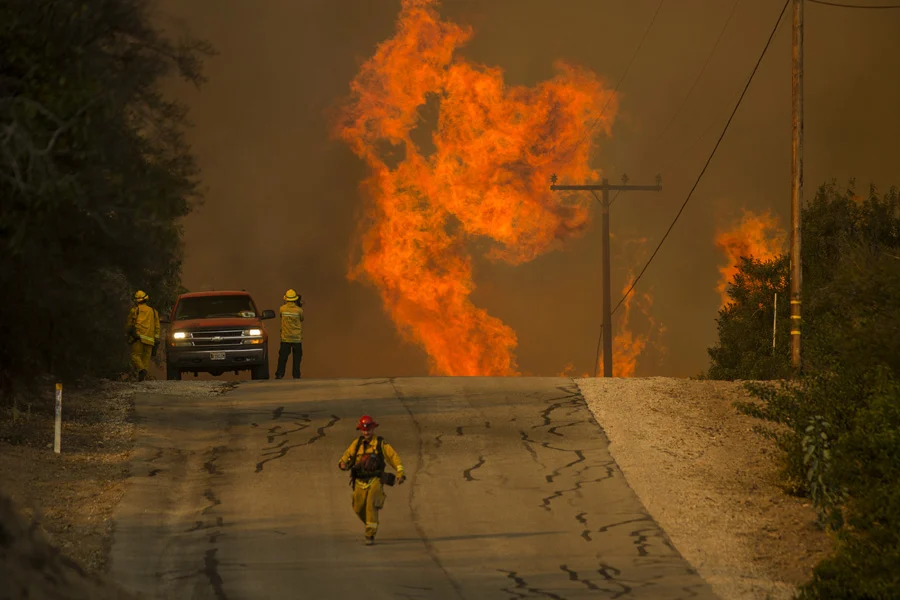
California’s Governor Jerry Brown declared that the state must brace for a perpetual threat of wildfires, labeling them the "new normal" in the face of escalating climate change and increasingly extreme weather patterns. These pronouncements came during a press conference following his visit to communities devastated by a series of massive wildfires that have swept across Southern California. The stark assessment underscores a growing concern about the state’s vulnerability to natural disasters and the urgent need for enhanced preparedness and mitigation strategies.
The Scale of the Devastation
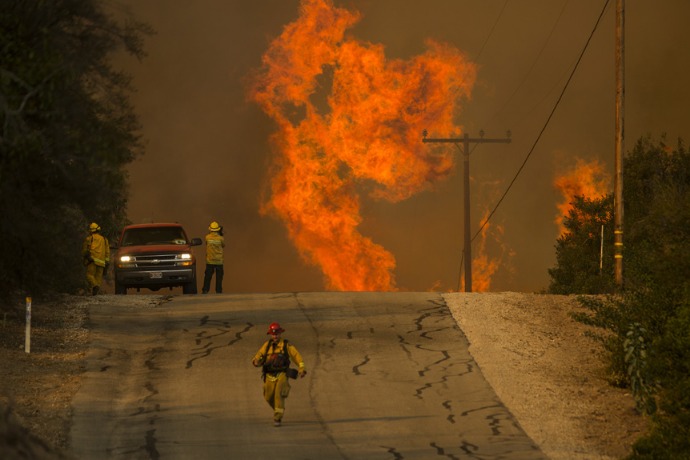
The wildfires, which began igniting in early December 2017, were characterized by their rapid spread and immense destructive power. Six major blazes raged across a vast expanse, stretching from Santa Barbara County in the north to San Diego County in the south. These infernos consumed an estimated 708.2 square kilometers (approximately 273.4 square miles) of land and annihilated 793 structures, leaving thousands displaced and facing immense loss. The economic and emotional toll on these communities is profound, with many residents losing their homes, businesses, and a sense of security.
The primary driver behind the ferocity of these fires was the confluence of unusually strong and sustained Santa Ana winds. These powerful, dry downslope winds, notorious for their ability to fan flames and accelerate the spread of wildfires, originated inland and swept towards the coast. Compounding the wind’s impact was an unseasonably hot and dry fire season that extended well into the winter months, creating a tinderbox environment across the region. The traditional fire season, typically associated with summer and early autumn, had extended far beyond its usual end, catching many by surprise and overwhelming existing firefighting resources.

A Timeline of Escalation
The crisis began to unfold rapidly in early December 2017. On Monday, December 4th, the Santa Ana winds suddenly intensified, igniting multiple fires across several counties. The Thomas Fire, one of the most significant, ignited in Ventura County and quickly spread, becoming one of the largest wildfires in California history. By Wednesday, December 6th, the sheer scale of the infernos prompted Governor Brown to declare a state of emergency for Ventura and Los Angeles counties, mobilizing state resources to aid in firefighting and disaster response.
As the fires continued to rage and spread to adjacent areas, including Santa Barbara and San Diego counties, the declaration of emergency was expanded to encompass these regions. The governor’s visit to Ventura County, a particularly hard-hit area where hundreds of homes were destroyed, served as a somber backdrop for his "new normal" pronouncements. The constant threat of new ignitions and the unpredictable behavior of the existing blazes kept tens of thousands of residents under mandatory evacuation orders for days, disrupting lives and straining emergency services to their breaking point. The prolonged nature of the fires also meant that Christmas celebrations for many families were overshadowed by uncertainty and displacement.

The "New Normal" and Climate Change
Governor Brown’s emphasis on the "new normal" directly links the escalating wildfire threat to the undeniable realities of climate change. He articulated that climate change is pushing weather patterns to greater extremes, creating conditions that are far more conducive to devastating wildfires. This perspective aligns with scientific consensus, which points to rising global temperatures as a significant factor in increasing the frequency and intensity of extreme weather events, including heatwaves, droughts, and consequently, wildfires.
The specific meteorological conditions observed in Southern California during this period—prolonged drought, high temperatures, and exceptionally strong Santa Ana winds—are increasingly being viewed as manifestations of a changing climate. The traditional understanding of seasonal weather patterns is being disrupted, leading to longer and more severe fire seasons. This "new normal" is not merely an abstract concept; it has tangible consequences for the environment, the economy, and the lives of millions of Californians.

Supporting Data and Scientific Context
The year 2017 was marked by a series of record-breaking wildfires across the United States, with California experiencing some of the most severe. While the specific data for the December 2017 fires highlights the immediate impact, broader trends offer crucial context. For instance, studies by organizations like the U.S. Forest Service and climate research institutions have consistently shown an increase in the average number of acres burned annually by wildfires in the Western United States over recent decades. This trend is attributed to a combination of factors, including rising temperatures, prolonged droughts, and changes in vegetation fuel loads.
The phenomenon of Santa Ana winds, while a natural occurrence in Southern California, can be exacerbated by climate change-induced atmospheric patterns. Warmer ocean temperatures and shifts in global wind currents can influence the intensity and duration of these wind events, making them more potent in their ability to spread fires. Furthermore, decades of fire suppression policies, while aimed at preventing smaller fires, have inadvertently led to an accumulation of dense vegetation in forests and wildlands, providing more fuel for larger, more destructive infernos when they do ignite. This complex interplay of natural phenomena and human-induced climate change creates a formidable challenge for wildfire management.

Official Responses and Broader Implications
In response to the escalating crisis, Governor Brown not only declared a state of emergency but also pledged to develop a comprehensive plan to mitigate the effects of climate change in the coming months. This plan is expected to encompass strategies for enhanced vegetation management, forest restoration, and adapting how communities coexist with the natural environment in a warming world. The governor’s call for increased investment in these areas signals a shift towards a more proactive approach to disaster preparedness.
Brown also used the platform to criticize the federal government’s response to climate change, urging for more decisive action rather than complacency. His statement, "It’s a time to do more, not less," underscored the urgency of the situation and the need for unified action at all levels of government. The implication is that federal policies and investments in climate resilience are crucial for states like California, which are on the front lines of experiencing the impacts of a changing climate.

The wildfires also have significant implications beyond immediate disaster relief. The destruction of homes and infrastructure necessitates massive rebuilding efforts, with substantial economic costs. The long-term health impacts of wildfire smoke on residents, as well as the environmental damage to ecosystems, are also critical concerns. Furthermore, the increased frequency and intensity of these events raise questions about insurance availability, land-use planning in fire-prone areas, and the overall sustainability of communities in the face of escalating natural hazards. The "new normal" that Governor Brown described is a sobering reminder that the challenges posed by climate change require sustained attention, innovative solutions, and a fundamental re-evaluation of how society prepares for and responds to environmental threats. The events of December 2017 served as a stark illustration of this evolving reality.


 Nana Wu
 Suro Senen