Nana Wu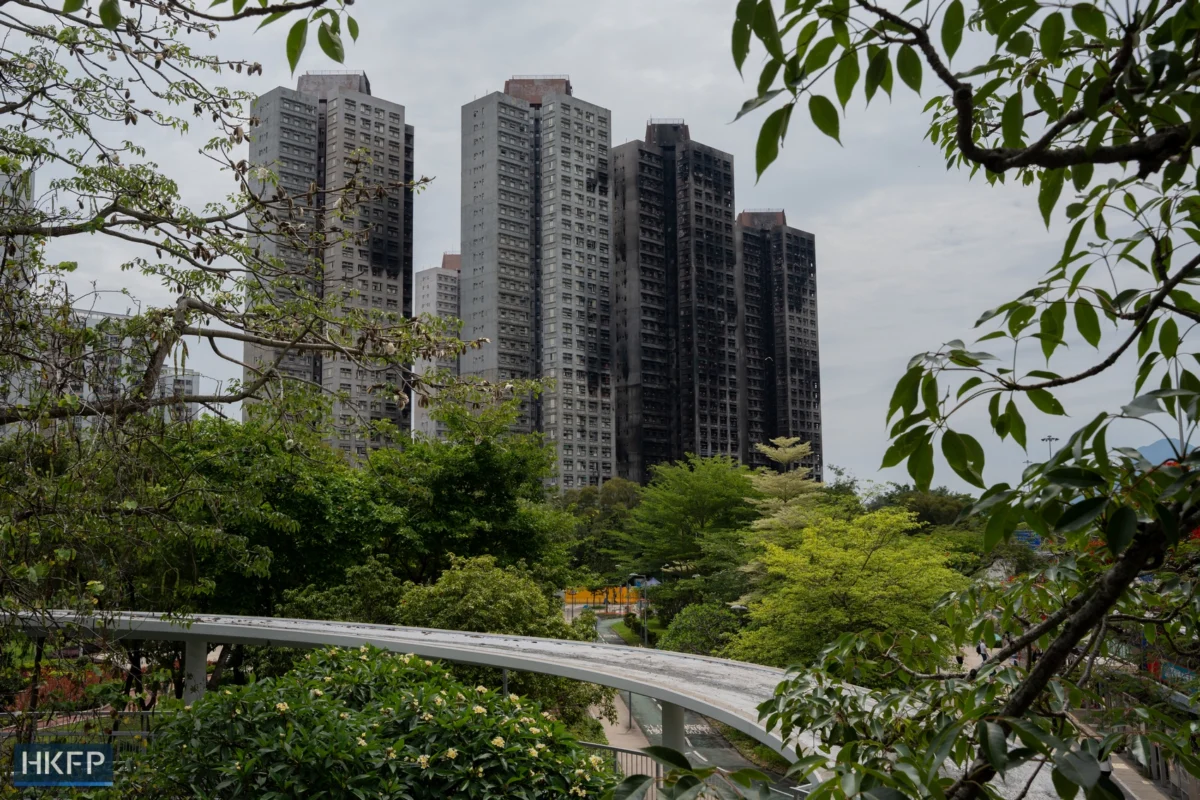
More than 96 percent of homeowners at the fire-ravaged Wang Fuk Court have committed to selling their flats to the government under an official buyback scheme, with the deadline for acceptance looming next Monday. This overwhelming majority signals a significant step towards the redevelopment of the government-subsidised housing estate, which was devastated by a catastrophic fire last November.
Secretary for Housing Winnie Ho announced on Friday that, as of Thursday, an impressive 1,914 out of Wang Fuk Court’s 1,984 owners, representing approximately 96.5 per cent, had formally signed and returned their letters of acceptance for the government’s buyback offer. This leaves a mere 70 owners yet to make a decision, with only a few days remaining before the offer officially closes at 5 p.m. on Monday.
"There are a little over three days left from today, and we encourage these owners to seize the opportunity to sign and return the letter of acceptance before 5 p.m. Monday," Ho stated in a Chinese-language Facebook post, underscoring the urgency for the remaining residents.

The government’s buyback scheme was initiated in February, following the devastating blaze that engulfed seven residential towers at Wang Fuk Court in Tai Po on November 26 of the previous year. The inferno tragically claimed 168 lives and left thousands displaced from their homes within the government-subsidised estate. The scale of the tragedy necessitated a swift and comprehensive response to address the housing needs of the affected residents and to facilitate the eventual rebuilding of the site.
Moving beyond the initial acceptance, the government also revealed that 1,526 homeowners, constituting 76.9 per cent of the total, have progressed to the next crucial stage by signing formal sale and purchase agreements. This high rate of engagement in the subsequent contractual phase suggests a strong collective intent to move forward with the government’s proposed solution.
Compensation and Resettlement Options
The buyback offer has set prices ranging from HK$8,000 to HK$10,500 per square foot, with the final price dependent on whether the homeowner had previously paid land premiums. This tiered pricing structure aims to provide fair compensation reflecting the property’s original value and legal standing.

Homeowners are presented with two primary options: they can opt to receive a cash payout for their property, or they can choose to swap their existing flat for a new government-subsidised unit under a dedicated special sales scheme. This dual approach seeks to accommodate diverse preferences and financial circumstances among the affected residents.
To support those who choose the resettlement option, the government has earmarked approximately 4,400 government-subsidised flats. These units are strategically located across ten different estates throughout the city, ensuring accessibility and a variety of living environments for the displaced families. A significant portion of these reserved flats, around 2,800 units, will feature saleable areas exceeding 400 square feet, catering to families requiring more spacious accommodation.
Timeline for Flat Selection and Resettlement
Looking ahead, Secretary for Housing Winnie Ho outlined the forthcoming process for homeowners opting for the flat swap. A computerised lottery system will be employed to determine the order in which these residents can select their new units. A notable incentive is embedded in this process: priority will be given to owners who submitted their acceptance letters before the June 30 deadline, encouraging timely participation.

Ho indicated that the selection process for new flats is scheduled to commence at the end of September. Daily arrangements will be made to accommodate between 50 and 80 households, ensuring a systematic and manageable transition for those relocating. This phased approach aims to prevent overcrowding at selection centres and to streamline the administrative procedures involved in assigning new homes.
Broader Government Strategy and Potential Legislative Measures
The Wang Fuk Court buyback scheme is part of a larger government initiative to manage and redevelop housing estates impacted by significant events or requiring urban renewal. The decision not to rebuild the fire-ravaged estate on its original site, as communicated to residents, was a pivotal factor that led many to accept the government’s buyback offer, as some residents have previously expressed feeling they had "no choice but to accept the government’s buyback offer."
In response to potential scenarios where property titles might remain unsold or face challenges in the buyback process, Deputy Financial Secretary Michael Wong has indicated that authorities possess the authority to acquire such titles through "legislative means." This statement suggests a commitment from the government to ensure the successful completion of the redevelopment project, even if unforeseen obstacles arise concerning remaining properties. This underlines the government’s resolve to reclaim and redevelop the land, potentially for future housing projects or urban planning initiatives.

Background of the Wang Fuk Court Tragedy
The fire at Wang Fuk Court was one of the deadliest residential fires in Hong Kong’s recent history. Occurring on a Saturday evening, the blaze rapidly spread through multiple floors and towers of the densely populated estate. Investigations into the cause of the fire have been ongoing, with authorities exploring factors such as potential electrical faults, arson, or other contributing elements. The sheer scale of the loss of life and property highlighted critical issues related to fire safety regulations in older residential buildings and the preparedness of emergency services for large-scale urban disasters.
The government’s swift intervention through the buyback scheme reflects a commitment to providing immediate relief and a long-term solution for the affected residents. The scheme’s generous compensation structure and provision of alternative housing aim to mitigate the trauma and disruption caused by the tragedy. However, the event has also sparked broader discussions about housing affordability, building safety standards, and the efficacy of government-subsidised housing policies in Hong Kong.
Implications and Future Prospects

The high acceptance rate for the Wang Fuk Court buyback scheme is a testament to the government’s effective communication and the attractive terms of the offer, particularly for those who may have found it challenging to secure alternative housing independently. It also signifies the community’s collective desire to move forward from the devastating fire and to rebuild their lives.
The successful completion of the buyback will pave the way for the demolition of the damaged structures and the eventual redevelopment of the prime urban site. The specific plans for the new development are yet to be fully disclosed, but it is expected to align with Hong Kong’s broader housing strategy, potentially incorporating more public housing or a mix of residential and commercial spaces.
The process also serves as a model for future urban regeneration projects and disaster recovery efforts. The government’s proactive approach in offering a comprehensive buyback and resettlement package demonstrates a commitment to its citizens in times of crisis. However, it also raises questions about the long-term sustainability of such schemes and the ongoing need for robust fire safety measures and urban planning to prevent similar tragedies in the future. The lessons learned from Wang Fuk Court will undoubtedly inform future policies and practices related to housing safety and disaster management in Hong Kong. The remaining undecided owners are under significant pressure to make their final decision before the Monday deadline, a choice that will shape their immediate future and contribute to the broader narrative of recovery and renewal for the Wang Fuk Court community.

 Raul Delapena Setiawan
 Neng Nana