Sagoh
Sagoh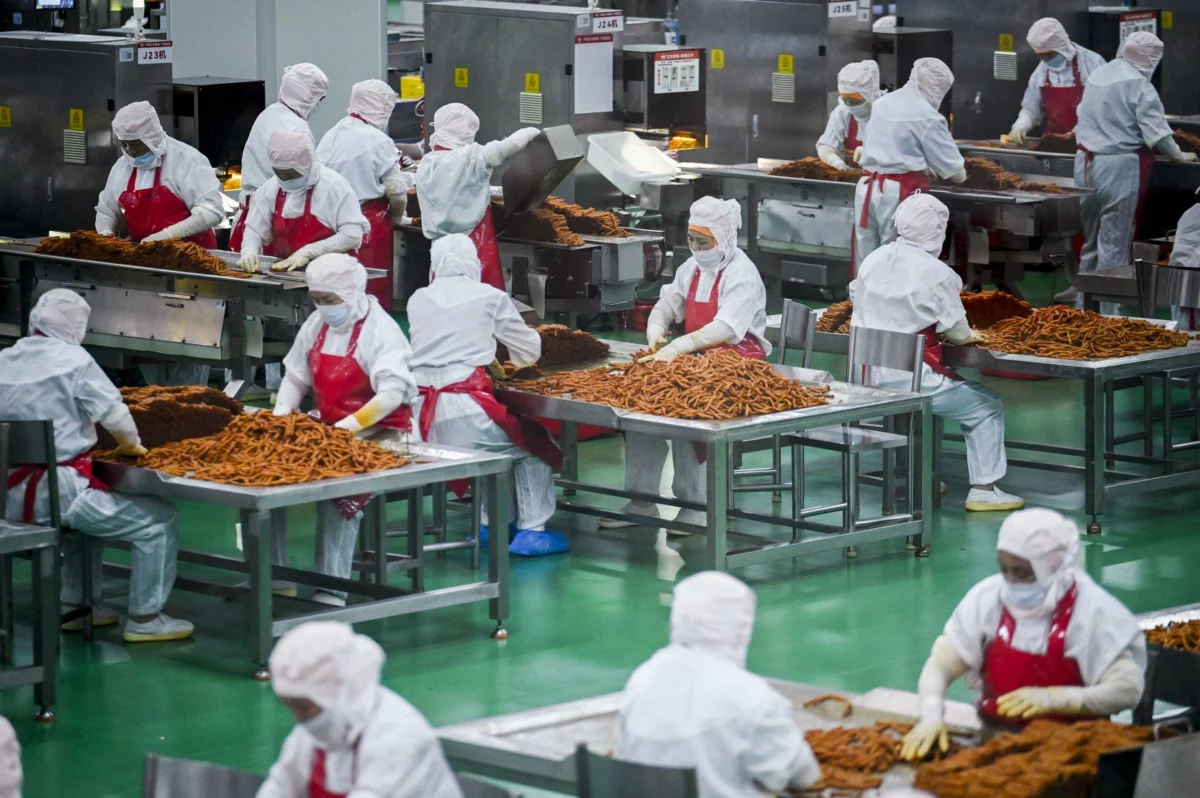
At a gleaming new factory nestled in China’s central hinterland, masked workers in pristine white uniforms meticulously season and sift through colossal mounds of latiao, the spicy, sweet, and curiously chewy snack that has long been a domestic favorite and is now captivating a burgeoning global audience. This once-humble wheat flour confection, literally translating to "spicy strips," has transcended its origins as an emergency staple to become an industrial powerhouse, valued at over 60 billion yuan ($8.9 billion), and is steadily conquering international palates from East Asia to the Americas, propelled by a potent blend of cultural curiosity and digital virality. The journey of latiao from a crisis-born sustenance to a global cultural phenomenon underscores a remarkable tale of entrepreneurial spirit, culinary adaptation, and modern marketing prowess.
The Genesis of a Snack Sensation: Born from Adversity in Pingjiang
The compelling story of latiao is deeply rooted in an unexpected crisis that struck Pingjiang county, located in China’s central Hunan province. The year was 1998, and devastating floods had ravaged agricultural lands across the region, causing widespread crop destruction. Critically, the local soybean harvest, a foundational ingredient for numerous traditional snacks and essential food items, was almost entirely wiped out. This catastrophe left local communities facing severe food shortages and economic distress.

In this climate of desperation, local entrepreneurs and resourceful villagers in Pingjiang demonstrated remarkable ingenuity. They turned to wheat flour, an alternative commodity that remained relatively abundant. Through a process of innovation, they developed a novel method of cooking wheat flour dough at high temperatures and pressures, a technique akin to modern extrusion. This process yielded a resilient, chewy, and flavorful strip, which they then seasoned with locally available chili, spices, and oil. The result was a snack that was not only affordable and readily available but also surprisingly satisfying. These "spicy strips" quickly gained traction within Pingjiang and surrounding areas, serving as an emergency staple that provided much-needed calories and a burst of flavor during trying times. This period marked the spontaneous birth of an industry, initially driven by necessity, that would eventually transform the culinary landscape of China and beyond. Early production methods were often rudimentary, carried out in small workshops, but the snack’s immediate popularity laid the groundwork for future industrialization.
From Local Staple to Global Phenomenon: Latiao’s International Ascent
For decades following its inception, latiao remained a quintessential Chinese street snack and a beloved convenience store item, deeply ingrained in the childhood memories of millions across the country. Its distinctive taste—a complex interplay of spicy "mala" (numbing and hot) flavors, sweet undertones, and savory notes, often enhanced with cumin and other aromatic spices—coupled with its uniquely chewy texture, made it an an irresistible treat. However, its international recognition was largely limited until the confluence of global e-commerce, the rise of powerful social media platforms, and a growing global appetite for authentic cultural experiences.
A significant catalyst in latiao’s global journey has been the phenomenon of "Chinamaxxing," a term that encapsulates the burgeoning online enthusiasm for Chinese culture, food, and lifestyle among international audiences. This digital trend, often manifesting through user-generated content on platforms like TikTok, Instagram, and YouTube, has created an organic marketing channel for Chinese products. Videos featuring foreigners trying and reacting to the fiery strips have garnered millions of views, transforming a once-obscure local delicacy into a global curiosity. These digital endorsements have been instrumental in breaking down cultural barriers and piquing international interest in Chinese snacks.

Mala Wangzi, one of China’s leading latiao manufacturers, exemplifies this burgeoning international appeal. While their state-of-the-art factory in Pingjiang currently dedicates its impressive daily output of nearly 700 tonnes of these spongy, red-colored strips—which often resemble oil-drenched, squashed French fries—entirely to the domestic market, the broader industry trend points unequivocally towards internationalization. Li Manliang, Vice President of Mala Wangzi, confirmed to AFP that "Latiao are now exported to more than 160 countries worldwide, showing that the market is moving increasingly towards internationalisation." This expansion is not merely anecdotal; major brands are reporting tangible growth in overseas revenues. Weilong Delicious Global Holdings Ltd., China’s largest latiao producer and a company listed on the Hong Kong Stock Exchange, reported a remarkable 117 million yuan (approximately $16.8 million USD) from overseas sales last year, representing a nearly 50 percent increase from its 2024 figures. This substantial growth underscores the increasing demand and successful penetration into diverse global markets.
Initially, the primary export markets for latiao centered on East and Southeast Asia, where cultural and culinary similarities, particularly a shared appreciation for spicy and umami flavors, provided a natural entry point. Countries such as South Korea, Japan, Vietnam, Thailand, and Malaysia have seen rapid growth in latiao consumption. However, the snack’s reach has rapidly expanded beyond these traditional markets. Consumers from the United States, Canada, the United Kingdom, and Australia are now actively seeking out latiao, finding it in specialist Asian grocery stores, a growing array of international e-commerce platforms, and crucially, directly through social media-driven sales on platforms like TikTok Shop. The direct engagement offered by these digital platforms allows brands to bypass traditional distribution channels and connect directly with a curious global audience eager to explore new flavors and cultural experiences, further solidifying latiao’s status as a global snack sensation.
The Craft of Latiao: Production, Innovation, and Modern Manufacturing
The production process of latiao has undergone a profound transformation, evolving significantly from its rudimentary beginnings in post-flood Pingjiang. Modern factories, such as the one operated by Mala Wangzi, visited by AFP on June 17, 2026, represent a sophisticated blend of traditional culinary principles and advanced food manufacturing technology. The core ingredient remains high-quality wheat flour, which is carefully mixed with water and other components to form a dough. This dough is then subjected to a specialized cooking process involving high temperature and pressure, known as extrusion. During extrusion, the wheat starch undergoes gelatinization, and the protein structure is modified, resulting in the characteristic chewy, spongy texture that defines latiao. This process also ensures the product’s shelf stability.

After extrusion, the raw strips are meticulously seasoned with a proprietary blend of spices, oils, and flavorings that impart the distinctive spicy, sweet, and savory taste profile. The "mala" flavor, a cornerstone of many Chinese cuisines, is typically achieved through the precise combination of chili peppers (for heat) and Sichuan peppercorns (for their unique numbing sensation), alongside other spices like cumin, star anise, and fennel, all infused in a rich oil base. The factory tour showcased a highly organized and hygienic environment, where workers, clad in masks and white uniforms, operate sophisticated machinery that handles everything from the initial mixing and extrusion to the final seasoning, cooling, and automated packaging. This emphasis on modern production standards, including stringent quality control protocols at every stage, is a direct response to past criticisms regarding product quality and safety. The Mala Wangzi plant’s capacity to produce nearly 700 tonnes per day underscores the sheer scale of operations required to meet both robust domestic demand and the burgeoning international market. The observed efficiency and hygiene are critical components of the industry’s strategy to professionalize and standardize its offerings, making them acceptable to diverse regulatory environments globally. Furthermore, ongoing research and development efforts are focused on creating new flavor profiles, textures, and even healthier versions to cater to an expanding and evolving consumer base.
Battling the "Junk Food" Label: Safety, Perception, and Industry Evolution
For many years, latiao grappled with a persistent reputation as an unhealthy, and at times, unsanitary "junk food." This perception largely stemmed from its early production methods, which were often small-scale, unregulated, and sometimes lacked stringent hygiene controls. The use of certain additives and the high oil and salt content in early formulations further fueled public health concerns. Parents across China frequently cautioned their children against consuming too much latiao due to anxieties over questionable manufacturing practices and potential long-term health impacts. Beijing resident Wang Jingfei, 22, reflected on this societal sentiment: "When I was young, my parents believed they contained too many additives. But as the industry has developed and more brands have emerged, food safety has drawn a lot of attention… so I don’t think it’s a big problem to eat it now and then."
The latiao industry has taken these criticisms seriously, investing heavily in modernizing production, implementing rigorous quality control, and ensuring transparent manufacturing processes. Companies like Mala Wangzi have embraced advanced food safety management systems. Li Manliang, the company’s vice president, emphasized their commitment to hygiene, claiming their standards are "based on standards used in the pharmaceutical industry," a clear indication of their ambition to achieve pharmaceutical-grade cleanliness in food production. This rigorous approach extends beyond cleanliness to the very recipe itself. Li stated, "We’re reducing the use of oil, salt, sugar and additives, and using more natural raw ingredients," indicating a conscious and strategic effort to align with contemporary health trends and consumer preferences for cleaner labels and healthier options.

Furthermore, the Chinese government has played a crucial role in standardizing and regulating the snack food industry, imposing stricter food safety laws and conducting more frequent inspections. Industry associations have also contributed by developing self-regulatory guidelines and benchmarks for quality. Many factories now employ live streaming of their production floors, allowing consumers to virtually witness the hygienic conditions and modern processes, a powerful testament to their commitment to transparency and rebuilding public trust. This proactive stance on food safety and nutritional improvement has been instrumental in rebranding latiao from a questionable street snack to a mass-produced, regulated, and increasingly health-conscious food item, thereby enhancing its domestic and international credibility.
Marketing to a Modern Generation: Social Media, Culture, and Brand Strategies
The remarkable resurgence and internationalization of latiao are inextricably linked to innovative and aggressive marketing strategies that specifically target a younger, digitally native consumer base. Chinese latiao brands have masterfully leveraged social media to engage with their primary demographic, both domestically and globally. Platforms like TikTok, Instagram, and YouTube are brimming with user-generated content, ranging from humorous taste tests and elaborate culinary creations featuring latiao to viral challenges. For instance, one influencer famously garnered 1.5 million views for constructing and consuming a model house made entirely of the glutinous strips, demonstrating the snack’s viral potential and its ability to inspire creative engagement. Another highly successful TikTok video, accumulating 2.6 million views, featured an enthusiastic Australian reviewer endorsing a giant latiao, concluding, "If you can handle your spice, I think you would enjoy this. Highly, highly recommend." Such organic endorsements from influential personalities and user-generated content have proven invaluable in breaking down cultural barriers and piquing international interest, serving as a powerful, cost-effective marketing tool.
Beyond digital campaigns, companies like Mala Wangzi have undertaken concerted efforts to embed latiao into contemporary youth culture and lifestyle. They have launched engaging pop-up museums across China, celebrating the snack’s history, evolution, and cultural significance. In a unique initiative designed to foster deep brand loyalty, they sponsored over 4,000 latiao-themed weddings for superfan couples, transforming a simple snack into a symbol of shared passion and celebration. Further extending their reach and relevance, brands have strategically partnered with popular e-sport events, music festivals, and animation conventions, actively associating latiao with modern entertainment, youth culture, and trending lifestyle choices. This multi-faceted approach aims to position latiao not just as a snack, but as a fun, trendy, and culturally relevant product that resonates deeply with its target audience. For consumers like 24-year-old Yang Xuhao, this strategy hits home: "I find latiao is quite addictive and also stress-relieving. When I don’t feel like having a proper meal, I’ll just eat latiao instead. I also like to snack on them while watching TV shows." This illustrates the snack’s role as a comfort food, a social accompaniment, and a companion in daily life, especially for those navigating the stresses of modern living.

Economic Engine and Cultural Ambassador: Broader Impact and Implications
The meteoric rise of the latiao industry carries profound economic and cultural implications, both within China and on the global stage. Economically, it represents a remarkable success story of local ingenuity scaling to national and international prominence. The over 60-billion-yuan industry is a significant employer, supporting thousands of jobs across its entire value chain, from the agricultural production of wheat and spices to manufacturing, packaging, distribution, and marketing. For regions like Pingjiang county in Hunan, which once faced economic hardship due to natural disasters, the latiao industry has become a vital engine of local development, poverty alleviation, and prosperity, generating substantial tax revenues and fostering ancillary businesses. It serves as a compelling example of how traditional, localized food products, when modernized and strategically marketed, can contribute substantially to national GDP and export revenues. The industry’s growth also stimulates innovation in food science, packaging, and logistics.
Culturally, latiao is emerging as an unlikely yet potent ambassador for Chinese soft power. As a key component of the "Chinamaxxing" trend, it introduces elements of Chinese popular culture and cuisine to a diverse global audience. Food often serves as one of the most accessible and palatable entry points to understanding different cultures, and latiao, with its distinctive flavor profile, compelling origin story, and vibrant social media presence, is effectively fostering cross-cultural exchange. It contributes to a broader appreciation of Chinese culinary diversity, moving beyond well-known traditional dishes to showcase the everyday snacks that define local experiences and contemporary youth culture. This cultural penetration can subtly shift perceptions and foster greater understanding of China. The snack’s journey from an emergency food born of desperation to a global sensation reflects a dynamic interplay between local tradition, economic resilience, technological adoption, and modern marketing, cementing its place as a significant cultural export.
Challenges and Future Outlook: Sustaining Growth and Adapting Tastes
Despite its impressive trajectory and current success, the latiao industry faces several formidable challenges on its path to sustained global growth and long-term viability. The lingering perception of it as an unhealthy snack, despite significant industry efforts to improve formulations and transparency, remains a hurdle. While companies are actively reducing oil, salt, sugar, and additives, some health-conscious consumers, like 22-year-old Li Peng, have actively curtailed their consumption: "I want to have a healthy lifestyle and get in shape, so I’ve stopped eating them." This highlights the ongoing need for transparent nutritional information, continuous product innovation towards healthier alternatives, and effective public education campaigns to counter entrenched perceptions. The "very oily" description from a foreign reviewer in a viral video further underscores this challenge, indicating that sensory aspects linked to health perception still need addressing.

Furthermore, adapting latiao to diverse international palates while retaining its authentic essence is a delicate balance. Different regions exhibit varying spice tolerances and flavor preferences. While some global consumers eagerly embrace the fiery kick of traditional latiao, others might prefer milder versions or entirely different flavor profiles tailored to local tastes. Manufacturers will need to invest significantly in market research and product diversification, developing regionalized variants to cater to these nuanced preferences without diluting the brand’s core identity. Competition from established snack giants in international markets, as well as emerging local competitors offering similar spicy or chewy snacks, also poses a significant threat. Ensuring supply chain resilience, maintaining consistent product quality across different markets, and navigating complex and often disparate international trade regulations, food safety standards, and intellectual property laws will be critical for long-term success. The environmental impact of snack production, particularly packaging waste, is another growing concern that the industry will need to address through sustainable practices and eco-friendly packaging solutions.
However, the industry’s demonstrated proactive approach to quality improvement, its innovative and agile marketing strategies, and the continued global interest in authentic and novel cultural experiences suggest a bright and dynamic future for latiao. With sustained investment in research and development, strategic international partnerships, and a keen, adaptive understanding of global consumer trends, China’s spicy strips are poised to further cement their place as a beloved international snack. The journey of latiao is a testament to resilience, innovation, and the universal appeal of a surprisingly simple, yet profoundly flavorful, treat, continuing its transformation from a humble emergency food into a true global culinary phenomenon.

 Jia Lissa
 Nana Wu