Nana
Nana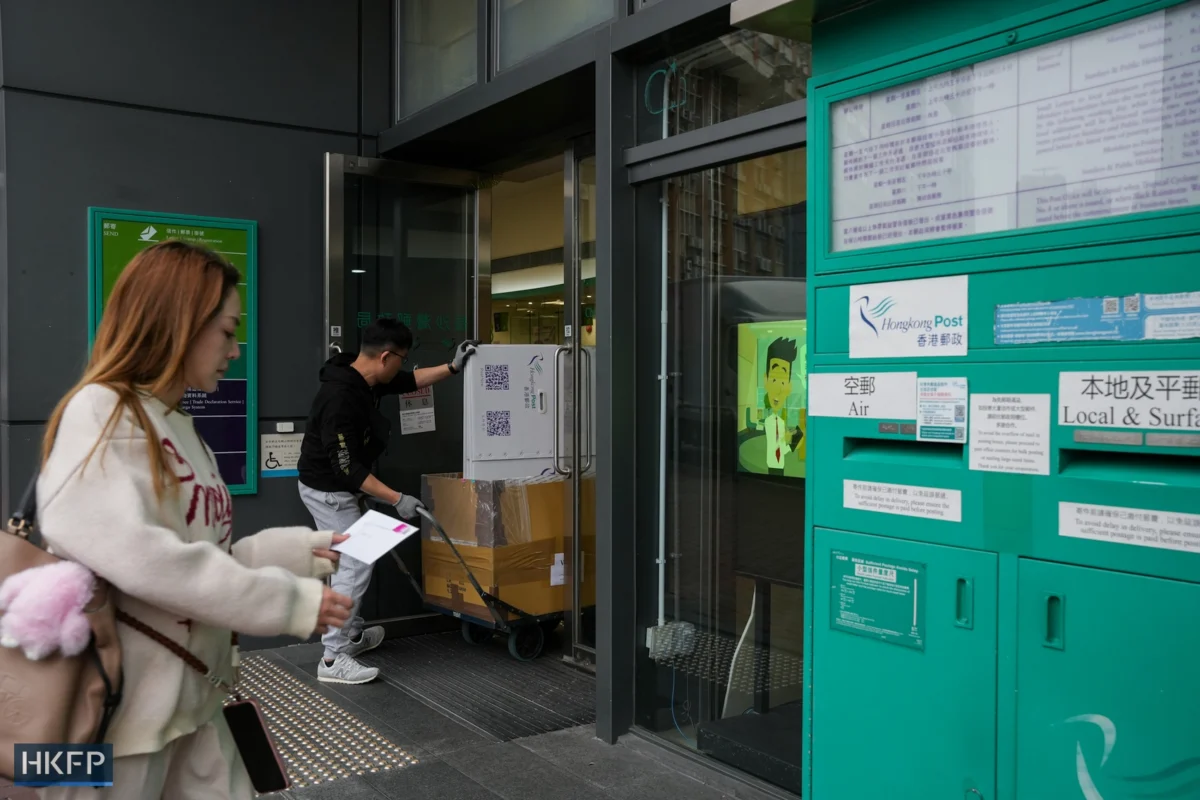
A pro-Beijing coalition of trade unions has voiced strong opposition to Hongkong Post’s recent decision to discontinue offering permanent civil servant contracts to new employees, a move anticipated to impact approximately 200 postal workers. The Hong Kong Federation of Trade Unions (FTU), a prominent labor group, has urged the government to reconsider this cost-cutting measure, emphasizing the potential erosion of job security for frontline staff and calling for more transparent communication and collaborative problem-solving.
The controversy erupted following an announcement by Hongkong Post that new hires, including mail carriers and postal officers, whose probation periods conclude on or after September of this year, will be offered only two-year contracts. This shift represents a significant departure from the long-standing practice of providing permanent civil servant status, a cornerstone of job security and benefits for public sector employees in Hong Kong.
Union Leaders Express Deep Concern and Call for Dialogue
Bill Tang, an FTU lawmaker and a key figure in the union’s pushback, alongside other unionists and affected postal employees, met with representatives from Hongkong Post, the Commerce and Economic Development Bureau, and the Civil Service Bureau. During the meeting on August 21, 2026, Tang conveyed the unions’ "deep concern" over the proposed changes to employment terms. The FTU’s primary demand is for the government and Hongkong Post to halt the immediate implementation of the new policy and engage in meaningful dialogue with trade unions.

"We are facing a continued decline in mail traffic, with fewer people sending mail in traditional formats," stated Postmaster General Leonia Tai in a recent address, attempting to justify the decision. "We expect the drop to continue and even widen in the future." Tai acknowledged that an estimated 200 postal service staff members would be affected by this policy shift.
The FTU argues that the financial justifications presented by Hongkong Post do not adequately address the concerns of its workforce. Lawmaker Lam Wai-kong, another prominent member of the FTU, asserted that the recent HK$4.6 billion government bailout approved for Hongkong Post should provide a sufficient financial cushion. He criticized the administration for using strained finances as a pretext to undermine the rights and security of frontline workers.
Furthermore, the union highlighted a perceived lack of transparency and consultation. According to a statement posted on the FTU’s Facebook page, the decision was introduced "without any prior consultation" with the unions. The new contractual arrangement also reportedly lacks clarity regarding renewal terms after the initial two-year period expires, leaving employees uncertain about their long-term career prospects within the postal service.
Financial Strain and Record Losses at Hongkong Post
The decision to alter employment contracts comes at a time when Hongkong Post is grappling with significant financial challenges. For several years, the organization has experienced a steady decline in mail volume, a trend exacerbated by the increasing digitalization of communication and the growing popularity of e-commerce, which has shifted parcel delivery dynamics.

In the most recent fiscal year, Hongkong Post reported a staggering operating loss of HK$821 million. This marks a substantial increase from the HK$554 million loss recorded in the previous year. Compounding these financial woes, mail traffic saw a 12 percent year-on-year drop, falling to 611 million items. This decline underscores a sustained downward trend in the traditional postal business.
Adding to Hongkong Post’s financial pressures, the suspension of parcel mailing services to the United States has been in effect for over a year. This disruption is attributed to an ongoing trade dispute between the US and other international entities, which has complicated international shipping logistics and compliance.
In response to these mounting financial difficulties, the Legislative Council approved a substantial HK$4.6 billion bailout package in May 2026. This significant injection of public funds is intended to support Hongkong Post’s operations over the next three years, aiming to stabilize the organization and allow it to navigate its current challenges. However, the FTU contends that this substantial financial infusion should obviate the need for measures that compromise employee security.
The Significance of Permanent Civil Servant Contracts
For many Hong Kong residents, a permanent civil servant contract represents more than just a job; it signifies stability, a predictable career path, and a degree of social standing. These contracts typically come with comprehensive benefits, including pension schemes, medical allowances, and robust job security, making them highly sought after, particularly in a competitive job market.

The FTU’s statement underscored the anxieties of affected employees, many of whom are described as the "sole financial pillars" of their families. These individuals had relied on the promise of permanent civil servant status to plan their futures, make significant life decisions such as purchasing property, and ensure the long-term well-being of their dependents. The abrupt shift to short-term contracts is perceived as a betrayal of this implicit understanding and a disruption of their financial planning.
The union’s appeal for "stability and predictability" in government employment practices reflects a broader societal expectation that public service roles should offer a secure and reliable foundation for workers. The move by Hongkong Post, in their view, undermines this fundamental principle.
Broader Implications and Potential Future Scenarios
The decision by Hongkong Post to transition away from permanent contracts for new hires could have far-reaching implications beyond the immediate impact on the 200 affected employees. It raises questions about the future of public sector employment in Hong Kong and whether this move signals a broader trend of contract-based employment across other government departments.
Critics argue that such a shift could lead to a less experienced and potentially less committed workforce, as employees on short-term contracts may have reduced incentives for long-term dedication and professional development. This could, in turn, affect the quality and efficiency of public services over time.

The situation also highlights the delicate balancing act faced by government bodies in managing operational costs while maintaining employee morale and public trust. Hongkong Post’s financial difficulties are undeniable, but the chosen solution has ignited a significant debate about the ethical and social responsibilities of public institutions.
Possible Avenues for Resolution
The FTU’s call for continued dialogue suggests a willingness to explore alternative solutions. These could include:
- Phased Implementation: Introducing the new contract terms gradually, allowing existing employees to transition and providing a longer lead time for new hires to adapt.
- Enhanced Contract Terms: Offering more attractive terms for the two-year contracts, such as higher salaries, more comprehensive benefits, or clearer pathways to permanent positions based on performance.
- Internal Redeployment: Exploring opportunities to redeploy staff to other departments or roles within the public sector where their skills and experience might be better utilized.
- Efficiency Improvements: Focusing on other avenues for cost reduction and revenue generation within Hongkong Post, beyond workforce restructuring. This could involve leveraging technology to improve operational efficiency or developing new service offerings that cater to evolving market demands.
- Review of Bailout Conditions: While the bailout has been approved, there may be scope for discussions on how the funds are allocated and whether a portion could be earmarked for employee support or retraining initiatives.
The outcome of this dispute will likely depend on the government’s willingness to engage constructively with the trade unions and its ability to balance fiscal prudence with the imperative of safeguarding the livelihoods of its public servants. The precedent set by Hongkong Post’s decision could significantly shape the future of employment in Hong Kong’s public sector, making this a critical juncture for labor relations and policy-making in the territory. The coming weeks and months will be crucial in determining whether a collaborative resolution can be found to address Hongkong Post’s financial challenges without compromising the fundamental rights and security of its workforce.


 Pevita Pearce
 Raul Delapena Setiawan