Lina Irawan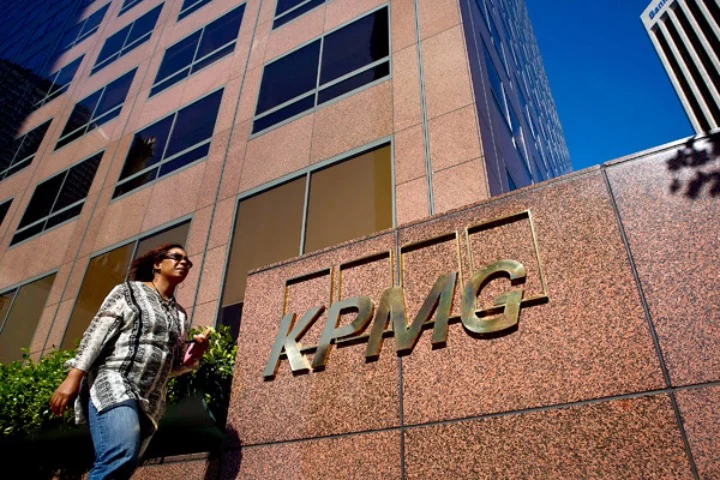
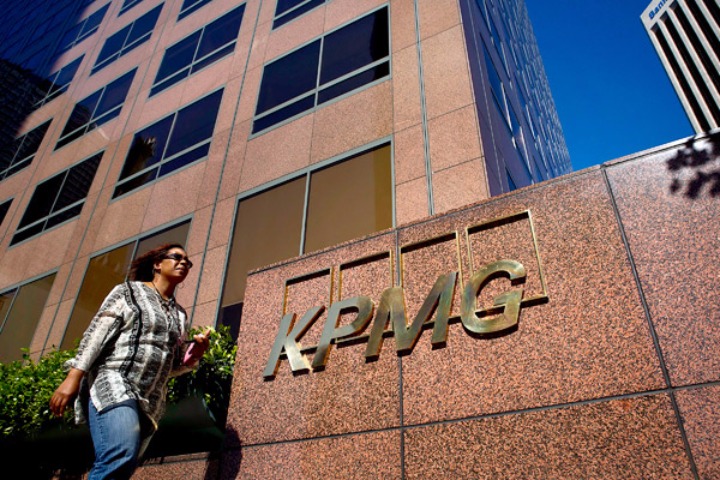
Hong Kong, a bastion of global finance and a consistent leader in the initial public offering (IPO) market, is projected to relinquish its esteemed title as the world’s premier listing venue for 2017, marking an end to two consecutive years at the top. This significant shift comes despite a record-breaking number of new listings, primarily driven by a notable decline in the value of blockbuster deals and the rise of technology-driven "new economy" companies altering the market’s traditional composition. The latest report from KPMG indicates that the financial hub is set to fall to fourth place in the global IPO league table, trailing behind formidable counterparts New York, Shanghai, and London. This repositioning underscores a dynamic evolution within global capital markets, where traditional financial services are giving way to innovative technology and internet-based firms as primary drivers of new listings.
A Historic Reign: Hong Kong’s Past Dominance and Strategic Position
For many years, Hong Kong has solidified its reputation as a preferred gateway for mainland Chinese companies seeking international capital and global exposure. Its strategic geographical location, robust regulatory framework aligned with international standards, deep liquidity, and a vast network of professional service providers have consistently made it an attractive destination for corporations looking to go public. The city’s financial markets have historically benefited from the massive growth of the Chinese economy, with state-owned enterprises (SOEs) and large financial institutions often choosing Hong Kong for their public debuts. This influx of large-cap listings, particularly from the banking, insurance, and real estate sectors, propelled Hong Kong to the top of global IPO rankings for extended periods, including the two years immediately preceding 2017. Its ability to bridge East and West, coupled with a free flow of capital, cemented its status as a critical international financial centre. The market’s capacity to handle mega-IPOs, such as the Agricultural Bank of China’s $22.1 billion listing in 2010 or the Postal Savings Bank of China’s HK$59.2 billion ($7.6 billion) offering in 2016, showcased its formidable capital-raising capabilities. This consistent performance established a benchmark for other exchanges and reinforced investor confidence in Hong Kong’s financial ecosystem.
The Numbers Game: Diving Into 2017’s Performance Decline
Despite the impressive volume of new listings, projected to hit a record 160 for the entirety of 2017, the aggregate value of these deals in Hong Kong is expected to plummet significantly. KPMG’s analysis forecasts a drop of one-third from HK$195 billion ($25 billion) in 2016 to an estimated HK$130 billion ($16.6 billion) in 2017. This figure represents the lowest level for the city’s IPO market since 2012, signaling a fundamental shift in the nature of companies accessing public markets. The decline in deal value is starkly reflected in the performance of the top 10 newly listed companies. Funds raised by these prominent entities are estimated to fall by a substantial 45.5 percent, from HK$148.2 billion in 2016 to just HK$80.8 billion in 2017. This downturn is primarily attributed to the absence of "blockbuster" listings – multi-billion dollar offerings that traditionally anchored Hong Kong’s leading position. For instance, the largest offering in 2017, Guotai Junan Securities, raised HK$17.2 billion ($2.2 billion), a figure dwarfed by the Postal Savings Bank of China’s mega-deal in 2016, which alone commanded a staggering HK$59.2 billion ($7.6 billion). The disparity highlights a trend where while many companies chose to list, the individual capital-raising amounts were considerably smaller than in previous peak years. This phenomenon suggests that while Hong Kong remains a viable option for a broad range of companies, it struggled to attract the ultra-large IPOs that had previously defined its market leadership.
The Ascent of the "New Economy": A Transformative Shift
Amidst the overall decline in deal value, a significant and potentially transformative trend emerged in Hong Kong’s IPO market in 2017: the rise of "new economy" companies. Maggie Lee, Hong Kong-based head of capital markets development group at KPMG China, highlighted this "long-awaited shift" as a crucial development. Traditionally, Hong Kong’s IPO market was heavily dominated by financial services-related offerings, with nine out of the top 10 flotations in 2016 originating from this sector. However, 2017 marked a clear departure from this pattern. Lee observed that "this year, the Hong Kong market has been transforming, with four ‘new economy’ firms making (their) entry into the territory’s top 10 largest IPOs." This shift signals a maturing market keen to diversify beyond its traditional pillars.
These "new economy" firms typically encompass sectors such as technology, internet services, biotechnology, e-commerce, and advanced manufacturing – industries characterized by rapid growth, innovation, and often, asset-light business models. The impact of these listings was profound, injecting renewed dynamism and investor interest into the market. Key examples include China Literature, the mainland’s Tencent-backed online publishing giant, which was dubbed the city’s hottest and most profitable IPO in over a decade. Its overwhelming investor demand and strong post-listing performance underscored the market’s appetite for innovative tech plays. Other headline-making listings included Zhong An Online P&C Insurance, China’s first online-only insurer, Yixin Group Ltd, an online auto finance platform, and Razer, a global lifestyle brand for gamers. These offerings not only provided a major boost to the exchange but also "paved the way for other promising tech startups to follow suit," as noted by market observers. This influx of technology and innovation-driven companies is viewed as a critical step in modernizing Hong Kong’s capital markets and ensuring its relevance in an increasingly digital global economy.
Global Contenders: New York, Shanghai, and London Emerge Stronger
The decline of Hong Kong from its top spot in 2017 was concurrent with the strengthening performance of other major global exchanges. New York, with its deep pools of institutional capital, mature investor base familiar with complex tech valuations, and a history of successful innovation listings, reasserted its position as a dominant force. The NASDAQ and NYSE continued to attract high-growth technology companies, particularly from the United States and other Western markets, capitalizing on a strong economic environment and buoyant investor sentiment. Companies like Snap Inc. (Snapchat) raised substantial capital on the NYSE in 2017, emblematic of the multi-billion dollar tech listings that continue to favor American exchanges.
Shanghai Stock Exchange also made significant strides, emerging as a leading venue for companies undertaking IPOs globally. KPMG estimated the total value of listings on the Shanghai Stock Exchange to hover at HK$154 billion ($19.7 billion) in 2017, positioning it above Hong Kong. This surge reflects the robust growth of China’s domestic economy, government initiatives to encourage local listings, and a vast domestic investor base. Many mainland Chinese companies, especially those not yet ready for international exposure or those prioritizing access to local capital, chose to list on domestic exchanges. The regulatory environment in mainland China, while strict, also provides a direct path for certain state-backed enterprises and emerging domestic champions to access capital within their home market. London, too, maintained its strong position, particularly for companies from Europe, the Middle East, and Africa, leveraging its status as a global financial centre and its diverse market offerings. The combined performance of these exchanges underscored a highly competitive global IPO landscape, where each market plays to its unique strengths.
Navigating the Competitive Landscape: Challenges and Strategic Responses
Hong Kong’s shift in IPO rankings is not merely a statistical anomaly but reflects deeper competitive dynamics in the global financial landscape. One significant challenge comes from the mainland Chinese exchanges (Shanghai and Shenzhen), which are increasingly sophisticated and capable of attracting large domestic firms. As China’s capital markets mature, more companies find sufficient capital and investor interest within the mainland, potentially reducing the necessity to list in Hong Kong. Furthermore, the allure of US markets for high-growth tech firms remains potent. Historically, Hong Kong’s listing rules, particularly the prohibition on dual-class share structures (weighted voting rights), had been a deterrent for many innovative tech companies whose founders sought to maintain control post-IPO, a structure commonly permitted in the US. This regulatory stance often directed companies like Alibaba, which ultimately chose New York for its record-breaking 2014 IPO, away from Hong Kong.
However, the Hong Kong Stock Exchange (HKEX) has not been passive in the face of these challenges. Recognizing the imperative to diversify and remain competitive, HKEX initiated a comprehensive consultation process in 2017 to reform its listing rules. The primary objective was to attract a wider array of companies, especially those from "new economy" sectors, including biotech firms with pre-revenue models and innovative companies seeking to list with weighted voting rights. This proactive stance, driven by the leadership of HKEX, demonstrated a clear commitment to evolving the market to meet the needs of modern businesses. Market observers and investment bankers largely welcomed these proposed reforms, viewing them as essential for Hong Kong to regain its competitive edge and ensure its long-term viability as a leading global financial centre. The successful listings of firms like China Literature and Razer, even under existing rules, provided strong evidence of investor appetite for innovative companies and emboldened HKEX’s reform agenda.
HKEX’s Proactive Reforms: Paving the Way for Innovation
The proposed reforms by the Hong Kong Stock Exchange represent a pivotal moment in the city’s financial history. The core of these reforms focused on three key areas: permitting companies with weighted voting rights (WVR) structures, allowing pre-revenue biotech companies to list, and creating a new concessionary secondary listing regime for companies already listed on qualifying exchanges. The move to allow WVR structures, in particular, was seen as a direct response to the competition from US exchanges and a crucial step towards attracting major tech and innovation firms. These structures enable founders to retain greater control over their companies even after public listing, a model favored by many technology entrepreneurs.
Additionally, opening the market to pre-revenue biotech companies acknowledged the long development cycles and significant upfront investment required in the pharmaceutical and biotechnology sectors. By allowing such companies to list, Hong Kong aimed to become a leading hub for biotech financing in Asia, leveraging its robust healthcare ecosystem and proximity to China’s burgeoning life sciences industry. The secondary listing regime, on the other hand, sought to attract major Chinese companies already listed overseas (e.g., in the US) to have a secondary listing in Hong Kong, offering them closer access to Asian investors and mitigating risks associated with potential geopolitical tensions. Exchange officials have consistently emphasized that these reforms are designed to strike a balance between attracting new economy companies and maintaining Hong Kong’s high standards of investor protection and market quality. These changes, if successfully implemented, are anticipated to fundamentally reshape the composition of Hong Kong’s listed companies and solidify its position as a dynamic, forward-looking financial market.
Looking Ahead: KPMG’s Optimistic Outlook for Hong Kong
Despite the immediate setback in rankings, KPMG expresses considerable optimism for Hong Kong’s IPO market in the coming years. Maggie Lee articulated that 2017 merely "marked a year of transition," suggesting that the foundational changes and the burgeoning appetite for "new economy" companies would continue to build momentum. The accounting firm places high hopes on the local bourse to attract approximately 160 offerings and raise total funds of no less than HK$200 billion ($25.6 billion) in 2018. This projection signals a belief that the strategic shift towards innovative sectors, coupled with the anticipated listing rule reforms, will yield positive results. The expectation is that Hong Kong will successfully "polish its brand as a magnet for emerging global tech companies," drawing in a new wave of listings that will redefine its market profile.
This optimistic outlook is underpinned by several factors: the continued robust growth of the Chinese economy, which will generate a steady pipeline of companies seeking capital; Hong Kong’s unique position as an international financial centre within China’s economic sphere; and the proactive steps being taken by the HKEX to modernize its listing framework. The successful debut of companies like China Literature, Zhong An, and Razer serves as compelling proof-of-concept for other tech and innovation firms considering a Hong Kong listing. As more such companies choose Hong Kong, it is expected to create a virtuous cycle, attracting more investors specializing in these sectors and fostering a more vibrant ecosystem for "new economy" listings. The competitive landscape will remain intense, but Hong Kong’s strategic adaptations aim to ensure its continued relevance and prosperity in the evolving global capital markets.
Broader Implications for Asia’s Financial Hubs
The shifting dynamics of the IPO market in 2017 carry significant broader implications for Hong Kong’s long-term role as a global financial centre and for the competitive landscape among Asia’s leading financial hubs. Losing the top IPO spot, even temporarily, prompts introspection and strategic re-evaluation. It underscores the critical need for financial centres to adapt to global trends, particularly the increasing dominance of technology and innovation in driving economic growth and capital formation. For Hong Kong, the pivot towards "new economy" companies is not just about regaining rankings but about securing its future relevance. By embracing sectors like biotech, fintech, and advanced internet services, Hong Kong aims to diversify its economic base and reduce its traditional reliance on financial services and real estate. This strategic evolution could attract a new generation of talent, foster innovation, and create a more resilient and dynamic market.
The rise of Shanghai as a formidable IPO venue also highlights the growing strength and sophistication of mainland China’s domestic capital markets. While Hong Kong will likely continue to serve as the preferred international gateway for Chinese companies, Shanghai’s increasing capacity to absorb large listings means that Hong Kong must continually enhance its unique value proposition, emphasizing its international standards, liquidity, and global investor access. The intense competition among financial hubs—Hong Kong, Singapore, Tokyo, and mainland Chinese cities—for talent, capital, and listings will only intensify. Ultimately, Hong Kong’s ability to maintain its competitive edge will depend on its agility in adapting regulatory frameworks, fostering a supportive ecosystem for innovation, and strengthening its connectivity with both mainland China and global capital markets, thereby ensuring its enduring position as a vital international financial nexus.


 Evan Lee Salim
 Suro Senen