Layla Zulfa
Hong Kong has recorded a stark decline in its birth rate, with fewer than 30,000 babies born over the past year. This significant drop, officially announced by the Census and Statistics Department on Tuesday, marks a historic low and underscores the ineffectiveness of the government’s monetary incentives aimed at boosting fertility. The figures, spanning from July 2025 to the end of June this year, reveal a total of 29,709 newborns, a figure that has never before fallen below the 30,000 mark in mid-year reporting. This represents a precipitous decline when compared to a decade ago, when the number of births stood at a considerably higher 59,863, more than double the current figure.
The alarming trend persists despite the government’s concerted efforts to prioritize and encourage childbirth. In its 2023 policy address, authorities introduced a "baby bonus" scheme, offering a HK$20,000 allowance for each newborn. This three-year initiative, designed for families with at least one Hong Kong permanent resident parent and babies born between October 2023 and October of the current year, has apparently failed to reverse the downward trajectory in the long term. While there was a temporary uptick in births following the scheme’s implementation, the numbers have since resumed their decline, signaling that financial incentives alone are insufficient to address the complex factors influencing reproductive decisions in the city.

Deepening Demographic Crisis: A Decade of Decline
The current figures paint a grim picture of Hong Kong’s demographic future. The sustained decrease in births points towards a deepening crisis that could have profound implications for the city’s social fabric and economic vitality. A decade ago, the birth rate was nearly double what it is today, suggesting a fundamental shift in societal attitudes and economic realities that are deterring potential parents. This decline is not merely a statistical anomaly; it represents a significant challenge to Hong Kong’s ability to maintain its workforce, support its aging population, and sustain its economic dynamism.
The Census and Statistics Department’s data highlights the severity of the situation. The period from July 2025 to June 2026 saw a total of 29,709 births. This figure is particularly concerning when juxtaposed with historical data. For instance, in the period from July 2015 to June 2016, the number of births was 59,863. This stark contrast of nearly halving the birth rate in just ten years indicates a persistent and accelerating trend. The consistent fall below the 30,000 threshold for mid-year births is a significant milestone, underscoring the urgency of the demographic challenge.
Government Incentives: A Temporary Reprieve?
The government’s introduction of the HK$20,000 baby bonus in October 2023 was a direct response to the declining birth rate. This financial incentive was intended to ease the burden on new parents and encourage them to start or expand their families. The scheme, which requires at least one parent to be a Hong Kong permanent resident, was set to expire in October of the current year. While initial reports suggested a brief increase in births following its launch, the latest data indicates that this effect was temporary. The continued decline suggests that the financial payout, while welcome, does not adequately address the underlying reasons why couples are choosing not to have children.
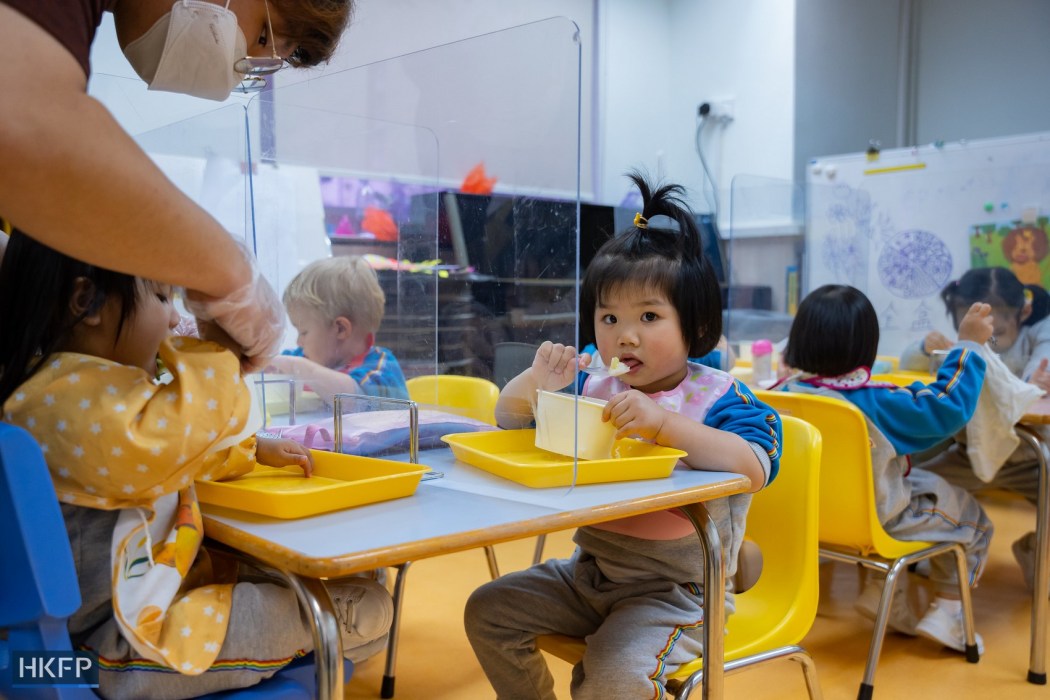
This observation aligns with findings from a Hong Kong Public Opinion Research Institute (PORI) survey conducted in October 2024. The survey revealed that individuals who expressed no desire for children cited several critical factors, including the city’s highly competitive education system, the prevailing political environment, and the prohibitive cost and scarcity of living space. These deep-seated concerns, which extend beyond immediate financial considerations, appear to be the primary drivers behind the declining birth rate.
Expert and Public Scrutiny: Beyond the Cash Handout
The efficacy of the government’s approach has come under scrutiny from lawmakers and the public alike. Lawmaker Nixie Lam, a vocal advocate for promoting fertility, has expressed her view that cash handouts represent a short-term solution at best. As reported by HK01, Lam suggests that the government needs to delve deeper into the pressures faced by women aged between 25 and 45 – the primary childbearing demographic – and understand their specific considerations when contemplating parenthood. Only by formulating more targeted and comprehensive policies, she argues, can the city hope to see a sustainable increase in its birth rate.
This perspective highlights the multifaceted nature of the fertility crisis. Critics have pointed out that the HK$20,000 bonus, while a positive step, is insufficient to offset the immense costs associated with raising a child in Hong Kong. These costs include exorbitant education fees, expensive childcare services, and the general high cost of living. The lack of readily available and affordable childcare options is another significant deterrent, forcing many parents, particularly mothers, to make difficult choices between their careers and family life.

Broader Policy Landscape: A Multi-pronged Approach Needed
Beyond the baby bonus, the government has explored other avenues to encourage childbirth. These include the expansion of tax allowance schemes for parents and offering preferential treatment in the public housing rental queue for families with newborns. These measures, while aimed at alleviating financial and logistical burdens, may also fall short of addressing the fundamental societal and economic challenges that deter potential parents.
The expanding tax allowance aims to reduce the financial strain of raising children, while priority housing access seeks to address the critical issue of inadequate living space. However, these initiatives are part of a broader policy landscape that has so far failed to stem the tide of declining births. The challenge lies in creating an environment where raising a family is not only financially feasible but also socially and emotionally supported. This requires a holistic approach that tackles issues ranging from work-life balance and affordable housing to the quality of education and the overall socio-political climate.
The Unseen Costs: Societal and Economic Ramifications
The implications of Hong Kong’s plummeting birth rate extend far beyond demographic statistics. A shrinking population can lead to a dwindling workforce, potentially impacting economic growth and competitiveness. As the number of young people decreases, the burden on the working population to support an aging society through taxes and social welfare programs will increase. This could strain public finances and necessitate difficult policy adjustments in the future.

Furthermore, a declining birth rate can affect the vibrancy and dynamism of society. Fewer children mean fewer future innovators, entrepreneurs, and contributors to the cultural and social landscape. The city’s ability to adapt to future challenges and maintain its status as a global hub could be jeopardized if its population continues to shrink and age.
Looking Ahead: A Call for Deeper Analysis and Targeted Solutions
The current situation calls for a re-evaluation of the government’s strategy. While monetary incentives and housing assistance are important components, they may not be sufficient to address the deep-seated anxieties and concerns of Hong Kong residents regarding family planning. A more comprehensive approach is needed, one that involves:
- Addressing the Cost of Education: The intense pressure and exorbitant costs associated with the education system are a significant deterrent. Policies aimed at reducing the financial burden of education, promoting a more balanced approach to learning, and increasing access to quality early childhood education are crucial.
- Improving Childcare Accessibility and Affordability: The scarcity and high cost of childcare services force many parents, particularly mothers, to make career sacrifices. Expanding public childcare facilities, subsidizing private options, and promoting flexible work arrangements can help alleviate this burden.
- Enhancing Work-Life Balance: Hong Kong’s demanding work culture contributes to stress and limits the time available for family. Government initiatives encouraging employers to offer better work-life balance policies, including extended parental leave and flexible working hours, are essential.
- Creating a Supportive Social Environment: Addressing concerns about the political climate and fostering a sense of optimism and stability can contribute to a more conducive environment for raising children. This involves broader societal efforts to build a more inclusive and supportive community.
The government’s commitment to addressing the declining birth rate is evident, but the current data suggests that the existing measures are not yielding the desired results. A deeper analysis of the underlying socio-economic factors and a commitment to implementing more targeted and comprehensive policies will be necessary to reverse this worrying demographic trend and ensure Hong Kong’s long-term prosperity and social well-being. The question remains whether the current administration can pivot from short-term financial fixes to long-term societal investments that will genuinely encourage a new generation to call Hong Kong home.

 Pevita Pearce
 Jia Lissa