Muslim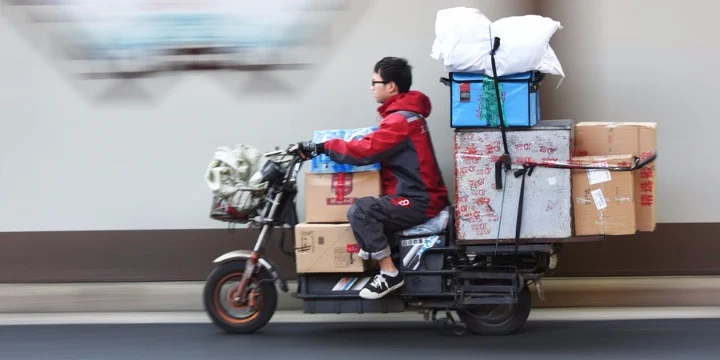
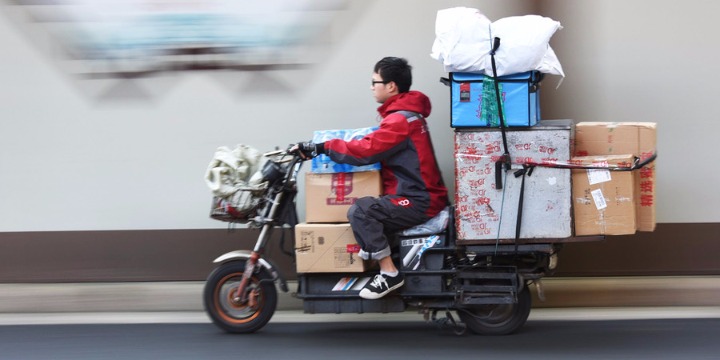
A comprehensive survey conducted by 58.com, a prominent online marketplace and classifieds platform in China, has revealed that couriers, the backbone of the nation’s burgeoning delivery services industry, perceive their occupation as the loneliest, with a striking 69.57 percent of respondents identifying with this sentiment. The findings, first reported by cyol.com, shed light on the social and psychological toll exacted by jobs within China’s rapidly evolving economic landscape, particularly within the gig economy. This revelation underscores a growing concern regarding mental well-being and social isolation among various professional groups, extending beyond the physically demanding roles to include high-stress white-collar positions.
The survey’s results place a spotlight on the unique challenges faced by millions of individuals who fuel China’s unparalleled e-commerce and logistics sectors. The delivery work, characterized by its incessant pace and repetitive nature, demands couriers to be constantly on the move, navigating urban labyrinths often under immense time pressure. As one courier, identified only by his surname Liu, articulated to cyol.com, "Except for the moment when you hand the parcel to the client, you barely have time to communicate with anyone." This poignant statement encapsulates the core of the issue: while physically interacting with countless individuals daily, the nature of their work fundamentally limits genuine social engagement, fostering a profound sense of isolation.
The Rise of the Courier and the Paradox of Connection
China’s delivery services industry has experienced exponential growth over the past two decades, transforming from a niche service into an indispensable component of daily life for hundreds of millions. Driven by the explosive rise of e-commerce giants like Alibaba (with its Cainiao network) and JD.com, as well as food delivery platforms such as Meituan and Ele.me, the sector now processes tens of billions of parcels and food orders annually. This massive scale necessitates a vast workforce of couriers, estimated to be in the millions, who are predominantly migrant workers from rural areas or smaller cities, often living far from their families and established social networks.
The "flourishing" nature of the industry, while an economic success story, presents a stark paradox. These couriers are the ultimate facilitators of connection, bringing goods and services directly to consumers, yet their professional lives are often devoid of meaningful human interaction. Their daily routine is a relentless cycle of pickups, transfers, and deliveries, with performance metrics heavily tied to speed and efficiency. Breaks are minimal, and opportunities for casual conversation or building camaraderie with colleagues are scarce. This transactional nature of their interactions, coupled with the individualistic structure of their work, creates an environment ripe for loneliness. The physical exertion involved, often under demanding weather conditions and urban traffic, further compounds the mental and emotional strain, leaving little energy for social pursuits outside of work hours.
Financial Staff: The Second Loneliest in a High-Pressure World
Following couriers, financial staff emerged as the second loneliest occupation, garnering 67.39 percent of the votes in the 58.com survey. This finding highlights a different facet of occupational loneliness, one rooted in high-stakes environments, intense competition, and constant pressure to adapt. The report noted that jobs within the financial sector are characterized by high stress and an imperative to keep pace with rapid industry changes, which can easily lead to feelings of anxiety and isolation.
The financial industry in China, much like its global counterparts, is a demanding arena. Professionals in banking, investment, trading, and fintech face stringent performance targets, long working hours, and the constant threat of market volatility. The nature of their work often involves complex data analysis, intense client management, and high-pressure decision-making, frequently requiring significant individual focus and competitive dynamics among peers. While they may work in bustling offices, the intellectual and emotional demands can create a barrier to genuine social connection. The pressure to maintain a professional facade, coupled with the confidentiality often required in financial dealings, can further contribute to a sense of isolation, even within a crowded workplace. The rapid evolution of financial technology (fintech) and global economic shifts necessitate continuous learning and adaptation, adding another layer of stress that can erode personal time and social opportunities.
Beyond the Top Two: Unpacking Occupational Loneliness
While the survey specifically highlighted couriers and financial staff, it also provided a glimpse into other professions grappling with similar issues. The partial list of the top five loneliest occupations included "New media operator" at No. 5. This category encompasses a broad range of roles involved in content creation, social media management, and digital marketing, often requiring significant time spent online and engaging with virtual audiences rather than physical communities.
New media operators, like many in the burgeoning digital economy, often work flexible hours, frequently remotely or in highly independent roles. While this offers autonomy, it can also lead to a lack of regular, face-to-face interaction with colleagues or a consistent work community. The pressure to constantly generate engaging content, monitor trends, and manage online communities can be relentless, blurring the lines between work and personal life. The nature of their engagement is often asynchronous and mediated by screens, which, while connecting them to a global audience, can paradoxically deepen feelings of personal isolation. The photograph accompanying the original report, showing a 23-year-old new media operator in her rental room in Wuhan, perfectly illustrates this solitary existence, common among young professionals navigating the digital landscape.
The common threads across these diverse occupations — couriers, financial staff, and new media operators — suggest a multifaceted problem. Factors contributing to occupational loneliness include:
- Repetitive and Monotonous Tasks: Leading to mental fatigue and disengagement.
- Lack of Meaningful Social Interaction: Superficial or transactional interactions failing to fulfill social needs.
- High Pressure and Stress: Draining emotional resources and hindering social initiatives.
- Long Working Hours: Reducing time and energy for personal relationships and social activities.
- Gig Economy and Individualized Work Structures: Diminishing team cohesion and traditional workplace camaraderie.
- Geographic Mobility: Migrant workers or those relocating for jobs often lack established social networks.
- Digitalization: Increased screen time and virtual interactions can replace deeper, in-person connections.
The Broader Context: China’s Gig Economy and Mental Health Awareness
The 58.com survey, likely conducted in late 2017 or early 2018 given the accompanying image’s date, emerges against a backdrop of significant socio-economic transformations in China. The period marked an intensification of the gig economy, characterized by flexible, temporary, or freelance jobs, often mediated by online platforms. While offering unprecedented flexibility and income opportunities for millions, especially migrant workers, the gig economy also introduced new forms of labor precarity, intense competition, and a weakening of traditional employer-employee relationships and associated social protections.
The "996" work culture (9 AM to 9 PM, 6 days a week), prevalent in many tech and startup companies, further exemplifies the pervasive culture of long working hours and intense professional demands that can lead to burnout and social isolation. This relentless pursuit of economic growth and individual success, while fueling China’s rise, has come at a considerable human cost, making issues of mental health, stress, and loneliness increasingly prominent in public discourse.
In recent years, there has been a growing, albeit slow, recognition of mental health issues in China. Historically, mental health concerns were often stigmatized, but increased urbanization, economic pressure, and greater access to information have gradually shifted perceptions. Studies have indicated a rising prevalence of anxiety, depression, and stress-related disorders among the working population. The World Health Organization (WHO) has highlighted the significant mental health burden in China, with occupational stress being a major contributing factor. This survey by 58.com, a platform deeply embedded in the job market, represents a crucial contribution to understanding these emerging societal challenges from a ground-level perspective.
Expert Perspectives and Societal Implications
Sociologists and psychologists observing these trends emphasize the critical importance of social connection for human well-being. Dr. Li Wei, a prominent sociologist specializing in labor studies (hypothetical expert), might comment, "The findings highlight a fundamental disconnect. While technology connects us globally, the structure of modern work, particularly in high-demand sectors like logistics and finance, often isolates individuals at a personal level. This isn’t just about feeling sad; prolonged loneliness can have severe health consequences, including increased risk of heart disease, depression, and cognitive decline."
From a psychological standpoint, Dr. Chen Jing (hypothetical expert), a clinical psychologist, could add, "The lack of meaningful social interaction deprives individuals of crucial emotional support, opportunities for empathy, and a sense of belonging. For couriers, the physical demands combined with social isolation create a potent recipe for burnout. For financial staff, the cognitive load and constant pressure without adequate emotional outlets can lead to severe anxiety and depression. The rise of digital jobs, while seemingly flexible, can also erode the communal aspects of work that traditionally provided a buffer against loneliness."
The implications of widespread occupational loneliness extend beyond individual well-being. At a societal level, it can lead to:
- Reduced Productivity and Increased Turnover: Lonely employees are often less engaged, less productive, and more likely to leave their jobs, incurring significant costs for businesses.
- Public Health Burden: Increased rates of mental and physical health problems among workers strain healthcare systems.
- Erosion of Social Capital: A decline in community engagement and trust, weakening social cohesion.
- Social Inequality: The most vulnerable workers, often those in gig economy roles, bear the brunt of these challenges with fewer resources to cope.
Industry Responses and Future Outlook
In response to such findings, industry leaders and policymakers face the imperative to address the root causes of occupational loneliness. While no immediate official responses from the surveyed industries were detailed in the original report, logically, major delivery companies and financial institutions would need to consider proactive measures.
For the logistics sector, potential initiatives could include:
- Promoting Team-Based Structures: Creating opportunities for couriers to interact and build camaraderie, perhaps through shared break rooms, team meetings, or social events.
- Mental Health Support Programs: Providing access to counseling services, stress management workshops, and mental health awareness campaigns.
- Improving Working Conditions: Implementing fairer compensation models, reasonable working hours, and better safety protocols to reduce overall stress.
- Technology-Assisted Connection: Developing apps or platforms that facilitate peer support among couriers, beyond just logistical coordination.
In the financial sector, responses might focus on:
- Fostering a Supportive Work Culture: Encouraging open communication, mentorship programs, and team-building activities that go beyond professional tasks.
- Work-Life Balance Initiatives: Promoting flexible work arrangements, discouraging excessive overtime, and encouraging employees to take breaks and vacations.
- Stress Management Training: Equipping employees with coping mechanisms for high-pressure environments.
- Confidential Counseling Services: Ensuring that employees have access to professional mental health support without fear of stigma.
For new media operators and other digital professionals, strategies could involve:
- Hybrid Work Models: Combining remote work with regular in-person collaboration days to foster community.
- Virtual Team-Building: Utilizing online tools to create a sense of belonging and shared purpose.
- Encouraging Offline Activities: Supporting social clubs or interest groups to help employees build connections outside of work.
Policymakers also have a crucial role to play. This includes strengthening labor laws to protect gig economy workers, ensuring access to social security and healthcare, and investing in public mental health infrastructure. There is a growing need to balance economic efficiency with human well-being, recognizing that a productive workforce is also a healthy and socially connected one.
Conclusion
The 58.com survey’s finding that couriers are China’s loneliest occupation, closely followed by financial staff, serves as a powerful indicator of the social challenges embedded within the nation’s rapid economic development. It highlights a paradox where professions designed to connect people or drive economic progress inadvertently foster deep-seated feelings of isolation among their practitioners. As China continues to navigate the complexities of its booming gig economy and demanding professional landscapes, addressing occupational loneliness is not merely a matter of individual welfare but a strategic imperative for sustainable societal health and economic productivity. The path forward requires a concerted effort from industries, policymakers, and society at large to foster environments that prioritize not only efficiency and output but also the fundamental human need for connection and community.


 Evan Lee Salim
 Suro Senen