Dwi Wanna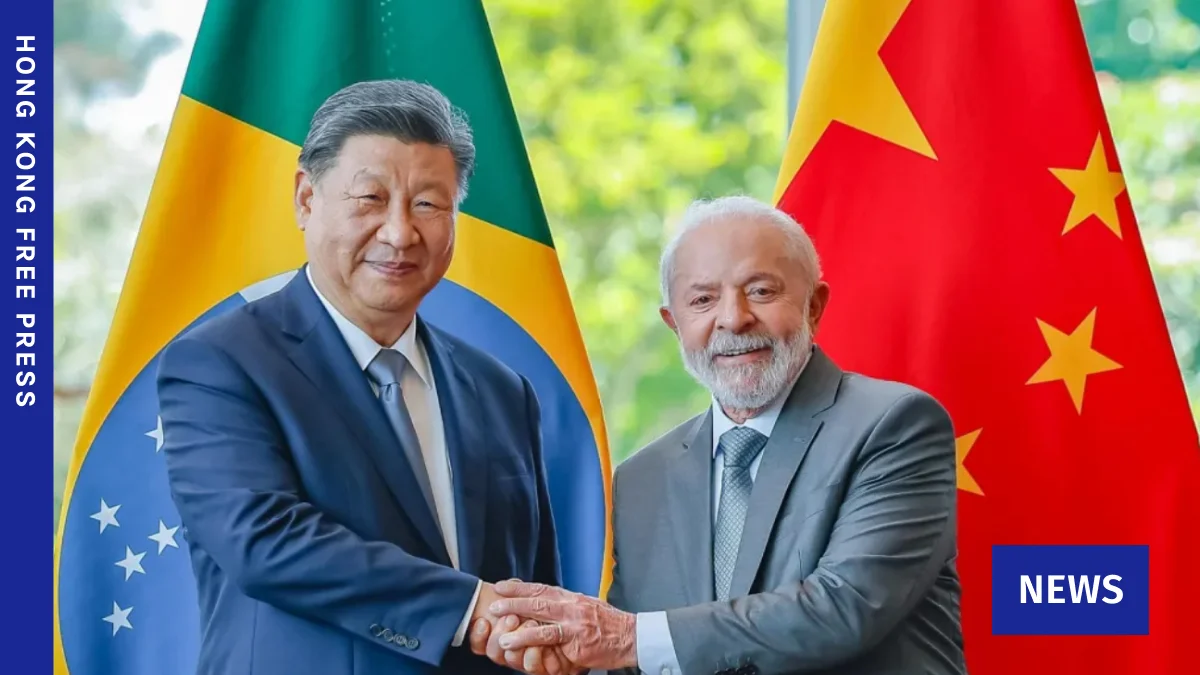
Chinese President Xi Jinping explicitly conveyed Beijing’s support for Brazil in "opposing external interference" during a significant phone call with Brazilian counterpart Luiz Inacio Lula da Silva on Monday. This high-level diplomatic engagement, reported by China’s state media, underscores the deepening strategic ties between the two major developing economies, occurring less than three months before a critical and potentially volatile presidential election in Brazil. The dialogue also highlighted Brazil’s growing efforts to diversify its international trade partnerships amidst escalating tariff disputes with the United States, its traditional second-largest trading partner.
A Strategic Dialogue Amidst Geopolitical Shifts
The lengthy conversation between the two leaders, which lasted over an hour according to the Brazilian presidency, signaled a robust alignment of geopolitical interests. President Xi, as quoted by state news agency Xinhua, emphasized China’s profound respect for Brazil’s "international status and important influence." He further affirmed Beijing’s commitment to "supporting Brazil in safeguarding its sovereignty and independence, opposing external interference, and contributing to maintaining regional and world peace and stability." This statement resonates strongly with Brazil’s current political climate, which has been marked by accusations of foreign meddling and internal political polarization.

President Lula, a vocal advocate for a multipolar world order and enhanced South-South cooperation, reiterated his administration’s dedication to "diversifying markets and trade partners." This commitment is particularly pertinent given the recent imposition of tariffs on various Brazilian products by the United States. Washington’s actions, including two rounds of tariffs this month and a major hike in 2025, were reportedly in retaliation for a coup-plot trial that led to the imprisonment of former president Jair Bolsonaro. Lula’s government has publicly denounced these tariff pressures as an attempt by the United States to exert undue political influence during a crucial election year.
Deepening Economic Integration: The Mercosur-China Initiative
Beyond the geopolitical pronouncements, the leaders also made substantial progress on economic cooperation. Both Xi and Lula "agreed on the importance of speeding up negotiations for a Mercosur-China agreement," referring to the South American regional trading bloc comprising Brazil, Argentina, Uruguay, and Paraguay. Such an agreement would represent a significant expansion of China’s economic footprint in Latin America and could reshape global trade dynamics.
China has, for over a decade, been Brazil’s largest trading partner, surpassing the United States. In 2023, bilateral trade between China and Brazil reached a record high of over $170 billion, with Brazil primarily exporting agricultural commodities like soybeans, iron ore, and crude oil to China, while importing manufactured goods and technology. A comprehensive Mercosur-China trade deal would not only solidify this economic relationship but also provide Mercosur nations with greater access to the vast Chinese market, potentially reducing their reliance on Western markets and supply chains. This move aligns with Lula’s broader strategy to bolster Brazil’s economic autonomy and leadership within the Global South.

Brazilian Political Landscape and Allegations of Interference
The timing of the Xi-Lula call is particularly sensitive, unfolding less than three months before Brazil’s October presidential election. The incumbent, President Lula, is poised to face a formidable challenge from right-wing candidate Flavio Bolsonaro, the son of the imprisoned former president Jair Bolsonaro. The election is anticipated to be highly contentious, reminiscent of the deeply divisive 2022 election.
Amidst this tense political environment, concerns about electoral integrity and external influence have escalated. Flavio Bolsonaro has recently revived unsubstantiated claims regarding the insecurity of Brazil’s electronic voting system, echoing similar false narratives propagated by former US President Donald Trump about American elections. These claims have fueled a climate of distrust and polarization within Brazil.
Adding another layer to the narrative of external interference, Brazil recently denied visas for two United States officials who intended to meet with election authorities in Brasilia ahead of the October vote. A diplomatic source confirmed this decision, underscoring Brazil’s assertive stance against perceived attempts to influence its electoral processes. While the Brazilian statement on the Xi-Lula call did not explicitly mention whether the specific issue of "external interference" was raised by Lula, Beijing’s public declaration of support clearly indicates a shared perspective on the principle of national sovereignty and non-interference in internal affairs.

Historical Context of Sino-Brazilian Relations
The relationship between China and Brazil has evolved significantly over the past few decades, transitioning from primarily trade-focused interactions to a comprehensive strategic partnership. Diplomatic relations were established in 1974, but it was in the early 21st century, particularly during Lula’s previous presidential terms (2003-2010), that ties deepened considerably. Both nations are founding members of the BRICS bloc (Brazil, Russia, India, China, and South Africa), an alliance formed to challenge the existing global financial and political order dominated by Western powers.
China’s rapid economic growth created an insatiable demand for raw materials and food, which Brazil, a major producer, was well-positioned to supply. This complementary economic structure propelled China to become Brazil’s largest trading partner in 2009. Beyond trade, Chinese investment in Brazil has surged, particularly in infrastructure, energy, and agribusiness, further cementing the economic interdependence. This robust economic foundation provides the bedrock for their increasingly aligned political and diplomatic stances on global issues, including climate change, multilateralism, and the reform of international institutions.
US-Brazil Relations: A Period of Strain

The relationship between Brazil and the United States, historically characterized by strong diplomatic and economic ties, has experienced periods of fluctuation and, more recently, strain. While the US remains a crucial trade and investment partner for Brazil, recent events have introduced significant friction. The US imposition of tariffs on Brazilian products is a direct manifestation of this tension. These tariffs, particularly those linked to the judicial proceedings against former President Jair Bolsonaro, signal Washington’s willingness to use economic leverage in response to political developments it views critically.
The imprisonment of Jair Bolsonaro following a coup-plot trial has been a deeply polarizing issue within Brazil. While the specifics of the US tariffs are not always fully disclosed, their timing and nature suggest a punitive measure or a signal of disapproval from Washington. Lula’s strong condemnation of these tariffs as political interference underscores a fundamental divergence in diplomatic approaches and a potential shift in Brazil’s foreign policy orientation away from traditional Western allies when perceived national interests are at stake. The denial of visas for US election officials further solidifies Brazil’s intent to manage its internal political processes without external oversight.
Implications for Global Geopolitics and Regional Dynamics
The enhanced cooperation between China and Brazil, particularly China’s explicit backing against "external interference," carries significant implications for global geopolitics. It reinforces the narrative of a rising multipolar world where traditional power dynamics are being challenged. For China, strengthening ties with Brazil, Latin America’s largest economy and a key player in the Global South, is a strategic imperative. It enhances China’s influence in a region traditionally seen as within the US sphere of influence, aligns with its Belt and Road Initiative (though Brazil is not a formal participant, investment flows align with its spirit), and bolsters its efforts to build a coalition of nations advocating for a more equitable global order.

For Brazil, this alignment with China offers several advantages. Economically, it provides diversification and access to new markets, reducing vulnerability to pressures from traditional partners. Politically, it strengthens Brazil’s position on the international stage, allowing it to project greater autonomy and leadership within the Global South and organizations like BRICS. It also provides a diplomatic counterweight to perceived US pressure, allowing Brazil to pursue a foreign policy that prioritizes its national interests without being solely beholden to Western agendas.
Regionally, a potential Mercosur-China agreement could transform trade flows across South America. While it promises economic benefits, it could also raise concerns among some Mercosur members about increased competition from Chinese goods and potential shifts in regional economic power. The long-term implications for the regional bloc’s internal dynamics and its relationships with other trading partners, particularly the European Union (with whom Mercosur has a long-stalled trade agreement), remain to be fully seen.
Conclusion: A Shifting Balance of Power
The recent dialogue between Presidents Xi Jinping and Luiz Inacio Lula da Silva is more than a routine diplomatic exchange; it is a clear indicator of evolving global power dynamics and Brazil’s determined pivot towards a more diversified and autonomous foreign policy. China’s explicit support against "external interference" in the context of a tense Brazilian election and US tariff pressures highlights a deepening strategic partnership rooted in shared principles of sovereignty and non-interference. As Brazil navigates its critical electoral period and seeks to redefine its place in the global economy, its strengthened ties with China will undoubtedly play a pivotal role in shaping its future trajectory and contributing to the ongoing recalibration of international relations. The trajectory of this relationship will be closely watched by global powers, reflecting broader trends of de-dollarization, the rise of the Global South, and the intensifying competition for influence in a multipolar world.

 Rifan Muazin
 Basiran