Layla Zulfa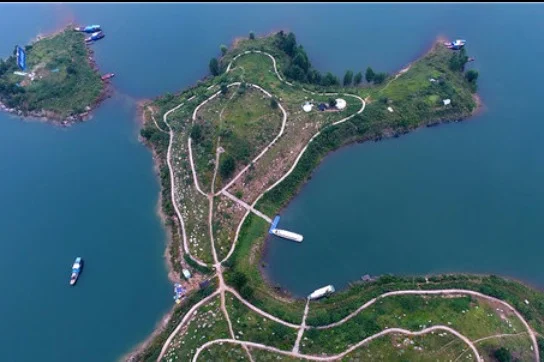
Tuesday, December 12, 2017, marked the third anniversary of the start of operations for the central route of China’s monumental South-to-North Water Diversion Project. This ambitious infrastructure program, designed to alleviate severe water scarcity in the nation’s arid northern regions by redirecting water from the more abundant south, has already achieved significant milestones. At this three-year juncture, the central route alone had successfully transported over 10 billion cubic meters of water to North China, directly benefiting more than 53 million people across key provinces and municipalities, including Beijing, Tianjin, Hebei, and Henan.
The project’s impact extends far beyond mere water delivery, fostering profound environmental and economic transformations in both the receiving and source regions. While the north reaps the benefits of improved water security, the southern provinces of Henan, Hubei, and Shaanxi, which supply the precious resource, have witnessed remarkable environmental improvements stemming from stringent protection efforts. These ecological enhancements have, in turn, attracted substantial investment and spurred the creation of new job opportunities in burgeoning green industries, particularly tourism and ecological agriculture, directly enriching the lives of local residents.
Addressing China’s Water Imbalance: The Genesis of a Mega-Project
The concept of diverting water from China’s water-rich south to its parched north is not new; it dates back to the vision of Chairman Mao Zedong in the 1950s. China faces a profound geographical paradox: while its southern regions are abundant in water resources, the north, home to a significant portion of the country’s population and agricultural land, suffers from chronic water shortages. The Yellow River basin, for instance, supports 12% of China’s population and 15% of its farmland but receives only 2% of the nation’s total water resources. This imbalance has historically constrained economic development, exacerbated desertification, and threatened the long-term sustainability of major cities and agricultural hubs in the north.
To address this critical issue, the South-to-North Water Diversion Project was conceived as a multi-decade, multi-route undertaking. It comprises three distinct routes—Eastern, Central, and Western—each designed to tap into different major river systems and serve specific northern destinations. The Eastern Route, operational since 2013, utilizes the existing Grand Canal system to transfer water from the lower reaches of the Yangtze River to eastern provinces like Shandong and Tianjin. The Western Route, the most technically challenging due to its mountainous terrain, remains in the planning stages and is intended to divert water from the upper reaches of the Yangtze and its tributaries to the Yellow River basin.
The Central Route, the focus of the current anniversary, is arguably the most strategically vital. It draws water primarily from the Danjiangkou Reservoir, located at the confluence of the Hanjiang River (a major tributary of the Yangtze) and the Dan River, straddling the border of Hubei and Henan provinces. From there, a massive, mostly gravity-fed canal system traverses over 1,200 kilometers, delivering water directly to the thirsty megacities of Beijing and Tianjin, as well as several cities in Hebei and Henan. This route was specifically designed to provide high-quality drinking water, necessitating stringent environmental protection measures along its entire length and especially within the Danjiangkou Reservoir area.
The Central Route: A Detailed Chronology of Construction and Operation
The journey to bring the Central Route to fruition was long and arduous, spanning decades of planning, design, and construction. Initial surveys and feasibility studies for the South-to-North Water Diversion Project began in the 1950s, with detailed planning for the Central Route intensifying in the late 20th century.
- 1994: The State Council formally approved the overall plan for the South-to-North Water Diversion Project.
- 2003: Construction officially began on the Central Route, following years of preparatory work, including extensive resettlement programs for communities affected by the expansion of the Danjiangkou Reservoir. The reservoir’s dam was significantly heightened to increase its storage capacity, a crucial step for the project’s long-term viability.
- 2008: The first phase of the Central Route’s construction, focusing on the main canal infrastructure, was largely completed. This involved the excavation of vast canals, the construction of numerous aqueducts to cross rivers and valleys, and the drilling of tunnels through mountainous terrain. One of the most significant engineering feats was the construction of the Yellow River Crossing Project, an intricate system of tunnels and inverted siphons that carries the diverted water beneath the Yellow River itself.
- December 12, 2014: After more than a decade of intensive construction, the Central Route officially commenced operations, with water beginning its journey from the Danjiangkou Reservoir towards Beijing and Tianjin. This date marked a historic turning point in China’s water management strategy, signifying the successful realization of a long-held national ambition.
- 2015-2017: The initial years of operation saw a steady increase in water delivery volumes as the system was optimized and demand grew. The project management focused on ensuring water quality, monitoring ecological impacts, and managing the allocation to various recipient cities and agricultural areas.
Lifeline for the North: Quantifying the Impact
By its third anniversary in December 2017, the Central Route had delivered over 10 billion cubic meters of water, a volume equivalent to roughly 400,000 Olympic-sized swimming pools, fundamentally altering the water landscape of northern China.
- Beijing: The capital city, historically facing severe water stress, had received over 3 billion cubic meters of water from the Central Route by the three-year mark. This supply significantly alleviated pressure on local groundwater reserves, which had been dangerously depleted, leading to land subsidence. South-to-North water became a primary source for Beijing’s urban population, improving drinking water quality and reducing reliance on local, often contaminated, sources.
- Tianjin: As another major northern municipality, Tianjin also saw substantial benefits, receiving over 2 billion cubic meters of water. This influx was critical for industrial development and urban consumption, enabling the city to pursue more ambitious growth targets without being constrained by water scarcity.
- Hebei and Henan: Numerous cities and agricultural areas in these provinces, including Shijiazhuang and Zhengzhou, also received vital water supplies. The project helped stabilize agricultural production in drought-prone regions and supported industrial expansion.
- Groundwater Replenishment: One of the most significant long-term benefits has been the contribution to groundwater replenishment. By providing an alternative surface water source, the project allowed for a reduction in groundwater extraction in many areas, a crucial step towards reversing years of over-pumping and environmental degradation. This has contributed to the restoration of some local ecosystems and a slowing of land subsidence in certain areas.
- Improved Water Quality: The water delivered by the Central Route is generally of high quality, meeting national drinking water standards. This has had a direct positive impact on public health and living standards for millions of residents.
A Green Transformation in the Source Regions: Hubei, Henan, and Shaanxi
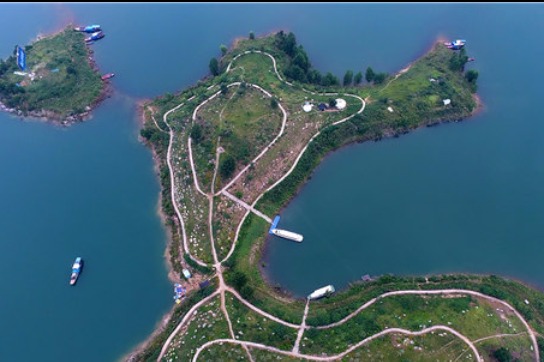
While the North benefits from water security, the source regions along the Hanjiang River and the Danjiangkou Reservoir have experienced a profound shift towards sustainable development, catalyzed by the stringent environmental protection requirements of the project. To ensure the purity of the water flowing north, the central government implemented strict environmental regulations and invested heavily in ecological restoration and pollution control in Hubei, Henan, and Shaanxi.
- Pollution Control: Industrial polluters around the Danjiangkou Reservoir and along the Hanjiang River were either shut down, relocated, or forced to upgrade their wastewater treatment facilities. This aggressive crackdown dramatically improved water quality in the source areas, directly benefiting local ecosystems and residents.
- Ecological Restoration: Extensive reforestation programs, wetland protection initiatives, and soil erosion control projects were launched. These efforts led to a visible recovery of local biodiversity and improved ecological health.
- Green Industries and Investment: The cleaner environment became an unexpected economic driver. Areas previously reliant on heavy industry or traditional, often polluting, agriculture began to attract investment in "green industries."
- Ecological Agriculture: Farmers shifted towards organic farming, aquaculture, and specialized high-value crops that require less chemical input. Companies like Hubei Beidouxing Eco-agriculture and Forestry Co, mentioned in the case study, exemplify this trend, investing in sustainable agricultural practices.
- Ecotourism: The pristine landscapes, clear waters, and returning wildlife, such as the egrets observed by local residents, transformed these regions into attractive destinations for ecotourism. Resorts, homestays, and outdoor recreational activities flourished, creating new revenue streams and job opportunities.
- Sustainable Forestry: Reforestation efforts also supported sustainable forestry practices, leading to the development of timber and non-timber forest product industries that prioritize ecological balance.
Xia Qinghua’s Journey: A Microcosm of Macro-Level Change
The story of Xia Qinghua, a 43-year-old resident of Chenjiawan, a village in Hubei’s Shiyan city, perfectly illustrates the profound socio-economic shifts occurring in the project’s source regions. For 12 years, Xia was part of the vast cohort of China’s migrant workers, toiling in a small toy factory in Shenzhen, Guangdong province. His monthly salary of over 5,000 yuan ($756) was a substantial improvement over local wages, but it came at a significant personal cost: long hours, often until 11 pm, and profound loneliness, separated from his family.
Xia’s yearning to return home was persistent. He attempted a return in 2011, investing 50,000 yuan in a small truck to start a transportation business in Chenjiawan. However, the poverty-stricken area at the time lacked sufficient economic opportunities, leading to the loss of his investment and 20,000 yuan in debt. This setback forced him back to Shenzhen, limiting his family visits to once a year during the Spring Festival holiday, each departure a tearful separation from his wife and daughter. He vividly recalled the emotional farewells, particularly one evening in 2013, highlighting the deep personal sacrifice inherent in economic migration.
The situation in Chenjiawan, however, began to change dramatically after 2014, precisely when the Central Route commenced operations and the associated environmental protection measures gained full traction. The cleaner environment and improved ecological conditions attracted new investment. Hubei Beidouxing Eco-agriculture and Forestry Co, recognizing the potential for sustainable business in a revitalized ecosystem, began investing in the area. This brought much-needed jobs and economic diversification.
Xia Qinghua, witnessing these changes, made a successful return in June 2017. His observation, "Great improvements have happened to the environment in my hometown. When I left at age 17, I had never seen an egret. Now, there are birds everywhere. They are beautiful," encapsulates the visible ecological recovery. He now works in the warehouse of a farm operated by Hubei Beidouxing, earning around 2,000 yuan a month. While significantly less than his Shenzhen salary, the qualitative benefits are immense. He is close to his family, can care for his 70-year-old unwell father, and enjoys a dramatically improved quality of life, free from the isolation of migrant work. He further supplements his income by leasing 0.5 hectares of farmland to Hubei Beidouxing, bringing in an additional 4,000 yuan annually. Xia’s story is a compelling example of "reverse migration," where improved local conditions and green job opportunities enable rural residents to return home, strengthening family units and contributing to rural revitalization.
Official Perspectives and Future Outlook
Officials from the China South-to-North Water Diversion Project Construction Committee Office and the Ministry of Water Resources have consistently lauded the project’s success, particularly the Central Route, as a testament to China’s engineering prowess and commitment to sustainable development. They emphasize that the project is not merely about moving water but about fostering a more balanced and equitable development across the country.
Statements from these bodies highlight:
- Water Security: The project has significantly enhanced water security for northern cities, reducing reliance on over-extracted groundwater and providing a stable, high-quality water source.
- Ecological Benefits: Beyond the North, the environmental remediation in the source regions is frequently cited as a major achievement, showcasing how large-scale infrastructure projects can be coupled with ecological restoration.
- Socio-Economic Development: The creation of green industries and the revitalization of rural economies in the source areas are seen as models for sustainable regional development.
- Continued Management: Officials acknowledge the ongoing challenges, including maintaining water quality along the entire route, optimizing water allocation among competing demands (urban, industrial, agricultural), and ensuring the long-term financial sustainability of the project through appropriate water pricing mechanisms. Climate change impacts on water availability in the source regions also remain a critical long-term consideration. The commitment to strict monitoring and adaptive management strategies is paramount.
Broader Implications: Environmental, Economic, and Social Dimensions
The South-to-North Water Diversion Project, and particularly its Central Route, carries immense implications across multiple dimensions.
- Environmental Implications:
- Positive: In the North, the project has led to groundwater replenishment, the restoration of some wetlands, and improved urban environmental conditions. In the South, aggressive pollution control and ecological restoration have resulted in cleaner rivers, increased biodiversity (like the return of egrets), and healthier ecosystems in the Danjiangkou Reservoir area.
- Challenges: There are ongoing concerns about potential ecological impacts on the Hanjiang River downstream of the Danjiangkou Reservoir, as less water flows into it. Careful management of water levels and flow rates is crucial to mitigate these effects. The sheer scale of water transfer also necessitates constant vigilance against potential pollution incidents along the canal.
- Economic Implications:
- North: The reliable water supply has bolstered agricultural output, supported industrial expansion, and facilitated urban growth in recipient cities. This has reduced economic constraints previously imposed by water scarcity.
- South: The development of green industries, such as ecological agriculture and ecotourism, has diversified local economies, created sustainable jobs, and attracted new investment, leading to a higher quality of life for residents like Xia Qinghua. However, the economic cost of environmental protection measures and restrictions on certain industries can also be significant for these regions.
- Social Implications:
- Improved Living Standards: Millions in the North now have access to better quality drinking water, which has positive public health implications.
- Rural Revitalization: The "reverse migration" trend exemplified by Xia Qinghua, where individuals return to their hometowns due to new economic opportunities, contributes to rural revitalization and strengthens community ties. It alleviates some of the social pressures associated with prolonged family separation due to migrant labor.
- Resettlement: While not highlighted in the anniversary article, the construction phase, particularly the expansion of the Danjiangkou Reservoir, involved the large-scale resettlement of hundreds of thousands of people. Managing these resettlements fairly and ensuring the long-term well-being of displaced communities remains a critical social consideration for such mega-projects.
Conclusion: A Continuing Legacy of Engineering and Ecology
As the Central Route of the South-to-North Water Diversion Project marked its third operational anniversary in late 2017, it stood as a testament to China’s ability to undertake monumental engineering feats to address pressing national challenges. It has successfully delivered a vital lifeline to the arid North, ensuring water security for millions and fueling economic development. Simultaneously, the stringent environmental protection measures implemented in the source regions have spurred a green transformation, fostering new industries, creating jobs, and improving the quality of life for local residents.
The project is more than just a conduit for water; it is a complex intertwining of engineering, ecology, economy, and society. Its legacy will continue to evolve, requiring ongoing vigilance, adaptive management, and a sustained commitment to balancing human needs with environmental sustainability. The journey of water from south to north continues, shaping the future of China’s landscapes and its people.

 Rifan Muazin
 Basiran