
 Nana
Nana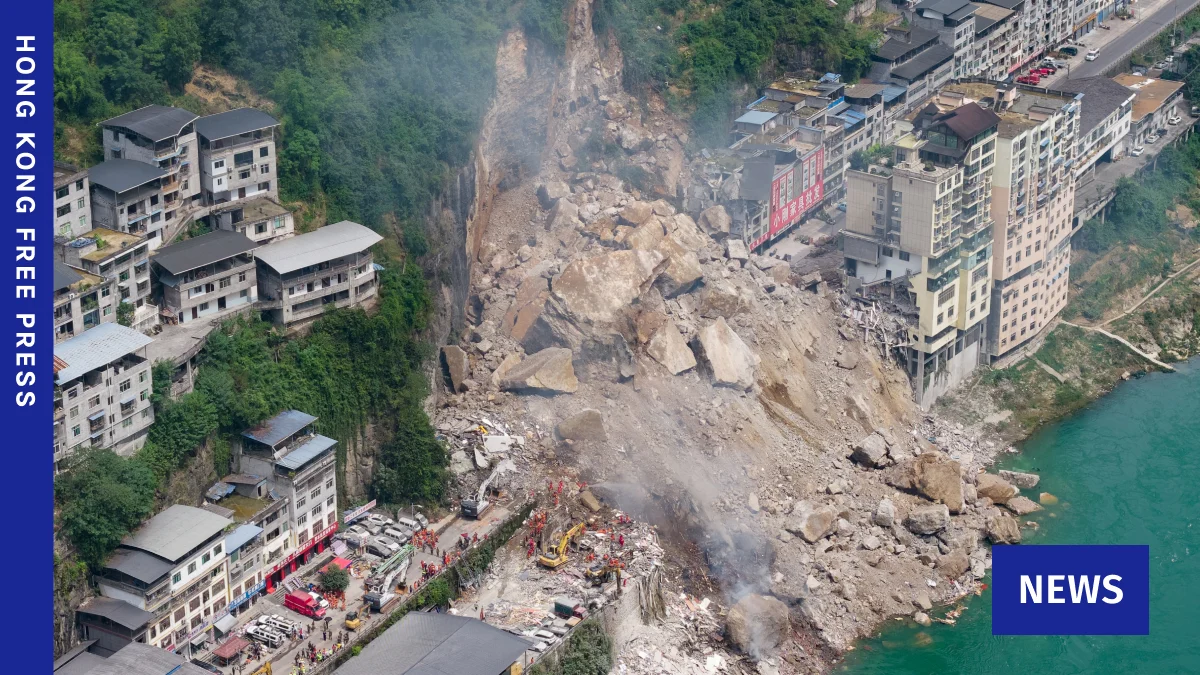
Rescuers found another 30 people killed in a landslide that struck southwestern China this month, authorities said, bringing the death toll to 41. The devastating event, which occurred on July 17 in Chongqing’s Pengshui County, underscores the persistent vulnerability of communities in China to natural disasters, particularly those in mountainous regions prone to geological instability. The sheer scale of the debris, a massive accumulation of rocks and earth, that cascaded down and engulfed a residential and commercial street, paints a grim picture of the forces unleashed. Hundreds of rescue workers have been meticulously sifting through the rubble in a desperate search for survivors and to recover the deceased.

The Devastation in Pengshui County
The landslide in Pengshui County, a region known for its hilly terrain and susceptibility to seismic activity and heavy rainfall, struck with little warning. The sheer volume of material dislodged by the slide swept away several residential buildings situated precariously at the foot of a mountain and along the banks of a nearby river. The visual evidence, captured in state media footage, shows a scene of utter devastation, with a landscape dramatically reshaped by the earth’s fury. The immediate aftermath saw a massive mobilization of emergency services, with hundreds of rescue personnel deployed to the scene. Their efforts have been characterized by arduous and dangerous work, navigating unstable debris in the hope of finding any signs of life.
A Grim Toll and a Race Against Time
Initially, the grim reality of the situation began to emerge with the discovery of 11 fatalities. However, the full extent of the tragedy was only gradually revealed as the painstaking process of searching and identification continued. Rescuers had been working against the clock, holding onto a slender hope of finding survivors among the approximately 50 people initially reported missing. The absence of any discernible signs of life from the initial search operations had cast a pall of despair over the rescue efforts.

The official confirmation of the rising death toll came late Tuesday, with authorities in Pengshui County announcing that an additional 30 victims had been identified through DNA testing and the examination of bodies and remains recovered from the site. This grim discovery has tragically elevated the confirmed death toll to 41, a stark reminder of the catastrophic potential of such natural events. The prolonged nature of the identification process highlights the challenges faced by authorities in such disaster scenarios, where the rapid pace of events often leads to the fragmentation and dispersal of remains.
A Pattern of Disaster in China
This tragic incident in Chongqing is not an isolated event, tragically echoing a similar disaster that occurred less than two weeks prior in northwestern Gansu province. In that separate landslide, 33 people were buried, and tragically, 21 lives were lost. These repeated occurrences raise critical questions about the effectiveness of disaster preparedness and mitigation strategies in China, particularly in areas identified as high-risk.

The mountainous topography of southwestern China, coupled with increasing rainfall patterns attributed to climate change and the impact of rapid urbanization and infrastructure development, creates a complex and dangerous environment. Landslides are a recurring threat in these regions, often triggered by heavy precipitation, seismic activity, or human-induced alterations to the landscape, such as deforestation or construction on unstable slopes. The frequency of these events suggests a need for a comprehensive re-evaluation of land-use policies, stricter enforcement of building codes in hazardous areas, and enhanced early warning systems.
Official Response and Investigation
The immediate response from local and national authorities has focused on rescue and recovery operations, as well as providing support to the affected communities. State media has been instrumental in disseminating information about the disaster, showcasing the efforts of rescue workers and conveying the official death toll. However, beyond the immediate response, there is often a broader investigation into the causes of such landslides. These investigations typically examine geological factors, meteorological conditions, and any potential human contributions, such as improper construction practices or land development.

While the article does not explicitly detail official statements beyond the death toll confirmation, it is standard practice for government agencies to express condolences to the victims’ families and to pledge support for relief and reconstruction efforts. Following such major disasters, there is often a push for increased investment in geological surveys, early warning systems, and public awareness campaigns to mitigate future risks. The Chinese government has previously committed significant resources to disaster relief and prevention, but the persistent occurrence of such events suggests that ongoing challenges remain.
Broader Implications and Future Preparedness
The Chongqing landslide serves as a stark reminder of the profound impact of natural disasters on human lives and communities. The economic implications are also significant, involving the destruction of homes and infrastructure, the disruption of local economies, and the considerable costs associated with rescue, recovery, and long-term rebuilding efforts.

On a broader scale, these events highlight the critical need for enhanced disaster resilience in China. This includes not only investing in sophisticated early warning technologies and robust infrastructure but also fostering a greater understanding of geological risks among the populace. Public education campaigns can empower communities to recognize early warning signs and to take appropriate safety measures. Furthermore, a critical review of land-use planning and environmental protection policies is paramount to ensure that development does not exacerbate existing vulnerabilities.
The fact that this tragedy occurred less than two weeks after another major landslide in Gansu province suggests a systemic issue that requires urgent and sustained attention. The long-term implications of such disasters extend beyond immediate relief efforts; they impact the social fabric of affected communities, often leading to displacement and psychological trauma for survivors. Addressing these multifaceted challenges will require a coordinated and comprehensive approach involving government agencies, scientific experts, and the active participation of local communities. The ongoing efforts to recover the deceased and to understand the full scope of this catastrophe in Chongqing underscore the enduring challenges of living in a region so profoundly shaped by natural forces. The lessons learned from these devastating events will be crucial in shaping future strategies for disaster preparedness and mitigation across China.


 Jia Lissa
 Lina Hope