Muslim
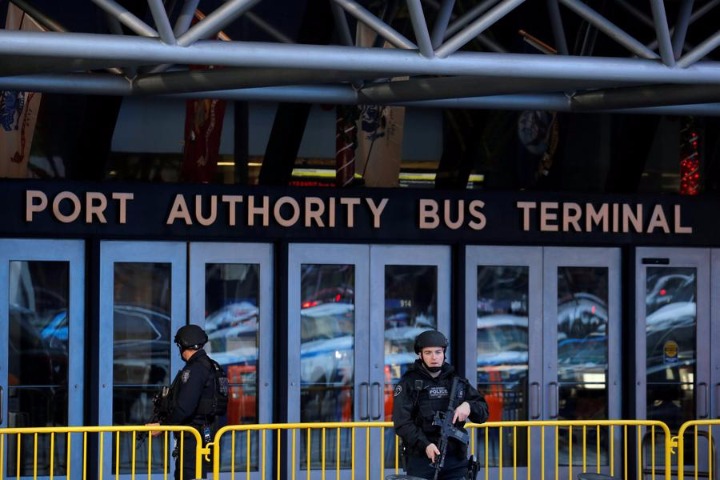
A calculated act of terror unfolded during the peak of Monday morning’s commute when a would-be suicide bomber detonated a crude, homemade explosive device in a bustling subway passage beneath Midtown Manhattan, leaving himself and three others with injuries and sending shockwaves through the heart of New York City. The incident, which occurred at approximately 7:20 am on December 11, 2017, within the subterranean corridors connecting Times Square and the Port Authority Bus Terminal, highlighted the persistent threat of extremism and underscored the resilience of a city that has long been a symbol of global interconnectedness and diversity.
The Incident Unfolds Amidst Morning Rush Hour
The explosion, described by authorities as a partial detonation of an improvised explosive device (IED), ripped through the crowded pedestrian walkway. The device, reportedly affixed to the suspect’s body with Velcro and zip ties, detonated prematurely, preventing what officials believe would have been a far more devastating outcome. The blast sent plumes of smoke and debris through the narrow passage, causing immediate panic and chaos among the thousands of commuters traversing this critical transit nexus.
The suspect, later identified as Akayed Ullah, a 27-year-old Bangladeshi national residing in Brooklyn, sustained serious injuries and was transported to Bellevue Hospital Center. Three other individuals, two commuters and a Port Authority police officer, were also injured. Fortunately, their injuries were characterized as non-life-threatening by the New York Fire Department, a testament to the device’s premature detonation and the swift response of emergency personnel.
Official Response and Investigation
New York City Mayor Bill de Blasio, speaking at a hastily convened press conference near the scene, unequivocally labeled the incident an "attempted terrorist attack." He emphasized that no other explosive devices had been discovered, providing a degree of reassurance to a city on high alert. The Federal Bureau of Investigation (FBI) and the New York Police Department (NYPD) immediately launched a comprehensive investigation, working to piece together the events leading up to the bombing and to ascertain the suspect’s motives and any potential connections to terrorist organizations.
New York Governor Andrew Cuomo, also present at the press conference, condemned the attack and praised the rapid and effective response of law enforcement and emergency services. He highlighted the strategic importance of the location, noting that the Port Authority Bus Terminal is one of the busiest transportation hubs in the United States, serving millions of passengers annually. The attack, he stated, was an attempt to disrupt the daily lives of New Yorkers and to instill fear.
A Chronicle of the Event
Early Morning Hours (Pre-7:20 AM, December 11, 2017): Commuters begin their daily journeys, with the subway passage between Times Square and the Port Authority Bus Terminal already experiencing significant foot traffic.
Approximately 7:20 AM: The IED affixed to Akayed Ullah’s body partially detonates in the subway passage. The explosion causes immediate alarm and prompts emergency responses.

Minutes Following the Explosion: First responders, including Port Authority police officers and NYPD officers, converge on the scene. Evacuations of the immediate area commence.
Within the Hour: The injured, including the suspect, are transported to local hospitals. Mayor Bill de Blasio and Governor Andrew Cuomo are briefed on the situation.
Late Morning: A press conference is held where Mayor de Blasio declares the incident an attempted terrorist attack. The suspect is identified as Akayed Ullah.
Throughout the Day: Federal and local law enforcement agencies initiate a thorough investigation, including forensic analysis of the device and interviews with witnesses. Transit disruptions impact the affected subway lines and bus terminal operations.

Subsequent Days: Law enforcement agencies release further details about the investigation, including the suspect’s background and the nature of the explosive device. The city grapples with the aftermath, reinforcing security measures and reaffirming its commitment to resilience.
The Suspect and the Device
Akayed Ullah, the 27-year-old suspect, was identified as a recent immigrant from Bangladesh. His residency in Brooklyn was confirmed, and authorities immediately began investigating his background, including his immigration history and any potential radicalization pathways. The device itself was described as a rudimentary pipe bomb, constructed from common materials. Its partial detonation suggests a lack of sophisticated engineering, but its intended purpose was undeniably destructive. The fact that it was strapped to his person indicated a clear intent for suicide, aiming to maximize casualties.
The choice of location was significant. The subway passage is a vital artery for New York City’s public transportation system, a place where thousands of people from diverse backgrounds converge daily. An attack in such a location is designed to sow widespread fear and disrupt the very fabric of urban life. The Port Authority Bus Terminal alone handles an estimated 250,000 passengers on an average weekday, with millions more passing through the interconnected subway network.
Broader Context and Implications
This incident, occurring just over a year after the deadliest terrorist attack in New York City since 9/11 – a truck ramming attack in Lower Manhattan that killed eight people in October 2017 – underscored the persistent threat of terrorism in major global cities. The modus operandi, while crude, mirrored tactics employed by extremist groups seeking to inspire or replicate attacks with readily available materials.

The attack also served as a stark reminder of the challenges faced by law enforcement and intelligence agencies in monitoring individuals who may be influenced by extremist ideologies. The ease with which an individual could acquire materials and construct a rudimentary explosive device, even if flawed, presented a continuous security concern.
Mayor de Blasio’s remarks about New York City being a "beacon of the world" and a place where "a society of many backgrounds and many faiths can work" resonated deeply. He framed the attack as an assault on these very principles, an attempt by terrorists to undermine the city’s identity and its role as a global symbol of diversity and tolerance.
Witness Accounts of Fear and Disruption
The human impact of the event was palpable. Commuters caught in the vicinity described scenes of confusion and terror. Monica Gannon, who had planned to take a bus out of the city that morning, expressed relief at having waited, but also acknowledged the disruption. "We are stuck here. Now we are waiting for all this to be over and go back home," she stated, encapsulating the immediate inconvenience and underlying anxiety.
Alicia Carmona recounted her experience of being evacuated from the terminal. "It was terrible, and I was so scared when I saw some people running," she said, highlighting the visceral fear experienced by those present. Her plans to pick up her niece from LaGuardia Airport were thwarted, and even the alternative of taking the subway was impossible due to the closure of nearby stations. The cascading effects of such an incident ripple far beyond the immediate blast site, impacting countless lives and disrupting daily routines.

Security and Resilience
In the aftermath, security measures were heightened across New York City’s transportation network and public spaces. The incident prompted renewed discussions about counter-terrorism strategies, the effectiveness of surveillance, and the balance between security and civil liberties. The city’s response, however, was characterized by its characteristic resilience. While the attack instilled fear, it did not paralyze the city. Instead, it reinforced a collective resolve to stand against those who seek to sow discord and division.
The investigation into Akayed Ullah’s motives and any potential accomplices or influences continued for an extended period, aiming to fully understand the threat landscape. The event served as a crucial data point for counter-terrorism efforts, informing future strategies and reinforcing the ongoing vigilance required to protect densely populated urban centers from extremist threats. The incident at the Port Authority served as a somber reminder that the fight against terrorism is a persistent and evolving challenge, demanding continuous adaptation and unwavering commitment from both authorities and the public.


 Nana Wu
 Suro Senen