Pevita Pearce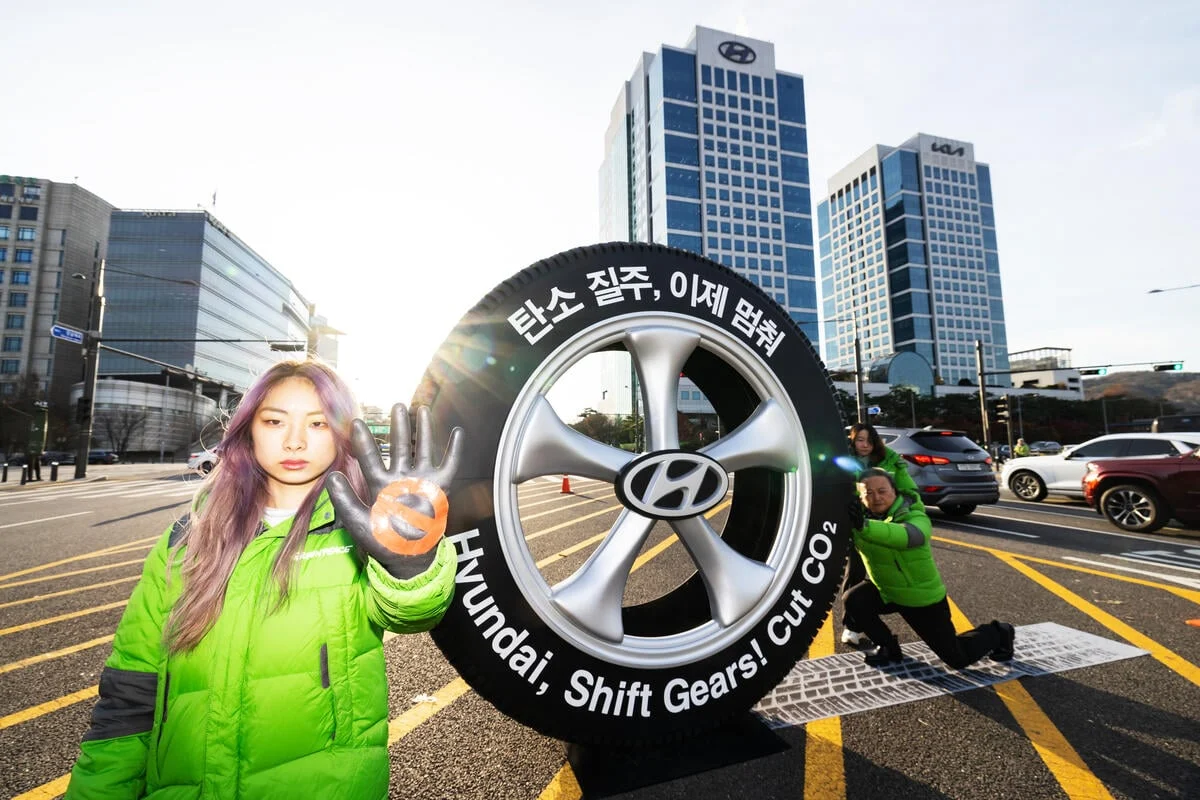
A coalition of international non-governmental organizations (NGOs) has issued a public plea to Euisun Chung, Executive Chair of Hyundai Motor Group, urging the automotive giant to bridge the gap between its stated climate commitments and its actual business practices. The call to action, delivered via an open letter, highlights concerns over Hyundai’s significant environmental and human rights footprint, particularly in light of its long-standing partnership with FIFA and its prominent role as a sponsor of the upcoming 2026 FIFA World Cup.
The NGOs, representing a global network of concerned citizens, emphasize that Hyundai’s substantial investment in the FIFA World Cup, reportedly valued at approximately $300 million, positions the company as a major corporate face of the tournament. This sponsorship, they argue, is being leveraged to project an image of "clean, green mobility" and a vision of "progress for humanity," a narrative bolstered by the showcasing of electric vehicles and pronouncements of a sustainable future. However, the coalition contends that this carefully curated image is contradicted by the stark realities of Hyundai’s global operations and supply chain.
Emissions and Electric Vehicle Transition: A Discrepancy in Numbers
The core of the NGOs’ critique lies in the disparity between Hyundai’s sustainability rhetoric and its current sales figures. While the company actively promotes its electric vehicle (EV) lineup, a significant majority of its annual sales still comprise vehicles powered by fossil fuels. Data presented by the NGOs indicates that Hyundai and Kia’s combined annual emissions are substantial, comparable to the annual emissions of an entire country like Spain, at approximately 250 million tonnes of CO2-equivalent. Furthermore, a mere 7% of the 6.8 million vehicles Hyundai sells annually are electric. This statistic underscores the slow pace of the company’s transition to zero-emission vehicles, despite substantial investments in marketing and sponsorship opportunities that emphasize this very transition.
This reliance on internal combustion engine (ICE) vehicles raises significant concerns, especially as the world grapples with the escalating climate crisis. The upcoming 2026 FIFA World Cup, scheduled to be held across North America, is projected to be one of the most carbon-intensive sporting events in history. Climate experts have warned that the escalating global temperatures, driven by climate change, could lead to dangerously hot conditions for a quarter of the matches, posing health risks to athletes and fans alike. The NGOs argue that Hyundai, by associating itself so prominently with such an event while its core business remains heavily reliant on fossil fuel-powered vehicles, risks engaging in "greenwashing" – presenting an environmentally responsible image that does not align with its operational reality.
Supply Chain Abuses: A Shadow Over "Progress for Humanity"
Beyond its direct emissions, the NGOs also point to deeply troubling reports concerning Hyundai’s supply chain. Investigations by organizations such as the Fair Steel Coalition, Mighty Earth, and Jobs to Move America have unearthed evidence of severe human rights, labor, and environmental abuses. These reports allege Hyundai’s complicity in the use of child and prison labor, the existence of unsafe working conditions for employees, and widespread environmental degradation linked to its global operations.
The vision of "progress for humanity" that Hyundai espouses, the NGOs argue, must be fundamentally rooted in addressing and rectifying these egregious impacts. True progress, they contend, requires ensuring that workers and communities are not exploited but rather benefit from the company’s investments and operations. The coalition’s previous efforts, including protests in Guadalajara, have reportedly elicited responses from Hyundai, but these have been criticized for being generic and failing to address the specific allegations of abuse, instead relying on references to existing processes deemed inadequate by the NGOs.
Demands for Concrete Action
In light of these concerns, the coalition has outlined three clear demands for Hyundai Motor Group:
-
Commitment to a 100% Electric Vehicle Sales Target by 2030: The NGOs are calling for a public commitment to a clear, time-bound plan to phase out the sale of internal combustion engine vehicles in all global markets, accelerating the transition to exclusively electric vehicle sales by 2030. This aggressive timeline is seen as crucial for aligning with global climate goals and demonstrating genuine leadership in the automotive sector’s decarbonization efforts.
-
Supply Chain Overhaul for Human Rights and Environmental Standards: Hyundai is urged to undertake a comprehensive cleanup of its supply chain. This includes rigorously upholding human rights and environmental standards at every stage of production, from the sourcing of critical minerals to the reduction of manufacturing emissions, with a specific focus on carbon-intensive materials like steel. Furthermore, the company must ensure that its operations contribute positively to the well-being of workers and affected communities, rather than causing harm.
-
Authentic Climate Leadership in World Cup Partnership: The NGOs demand that Hyundai’s partnership with the FIFA World Cup genuinely reflect climate leadership, not greenwashing. This requires transparent and independently verified emissions targets for its sponsorship activities, coupled with measurable progress towards achieving them. This would demonstrate a commitment to accountability and allow for genuine assessment of the environmental impact of its involvement.
Context and Implications: The FIFA World Cup and Corporate Responsibility
The 2026 FIFA World Cup is not merely a sporting event; it is a global platform where major corporations often seek to enhance their brand image. For Hyundai, a company that has achieved a record combined market share of 11.3% in the United States in 2025, this event presents a significant opportunity to influence consumer perception and solidify its market position. However, the NGOs warn that this opportunity should not be squandered on advertising a clean and humane image that is not backed by substantive action. Instead, they urge Hyundai to seize this moment to earn that reputation through concrete commitments to genuinely clean vehicles and a just supply chain.
The backdrop to this appeal is the broader discourse surrounding corporate responsibility in the face of climate change and human rights concerns. As global events like the FIFA World Cup draw immense public attention, they also become focal points for scrutiny of the sponsors’ practices. The NGOs’ demand is a clear signal that they will not permit corporations to use such prestigious platforms for "sportswashing," the practice of using sporting events to improve the reputation of an organization or country that may have poor environmental or human rights records.
Hyundai’s Stance and the Path Forward
Hyundai Motor Group has publicly committed to becoming a leader in sustainable mobility, with a long-term vision of carbon neutrality. The company has outlined ambitious goals for its EV rollout and has invested heavily in research and development for future mobility solutions. However, the NGOs argue that the pace of these changes is insufficient and that the current scale of their operations still generates a significant environmental burden.
The timing of this appeal is particularly relevant as the world prepares for a major global sporting spectacle. The NGOs hope that by raising these concerns publicly, they can exert pressure on Hyundai to accelerate its transition and address the systemic issues within its supply chain. The success of their appeal will likely depend on Hyundai’s willingness to engage constructively with these demands and demonstrate a genuine commitment to aligning its business practices with its stated values and the urgent global need for sustainability and human rights protection. The coming months will reveal whether Hyundai Motor Group will heed the call to action and truly drive progress for humanity, both on and off the road.

 Asro
Asro
 Sagoh
Sagoh