Basiran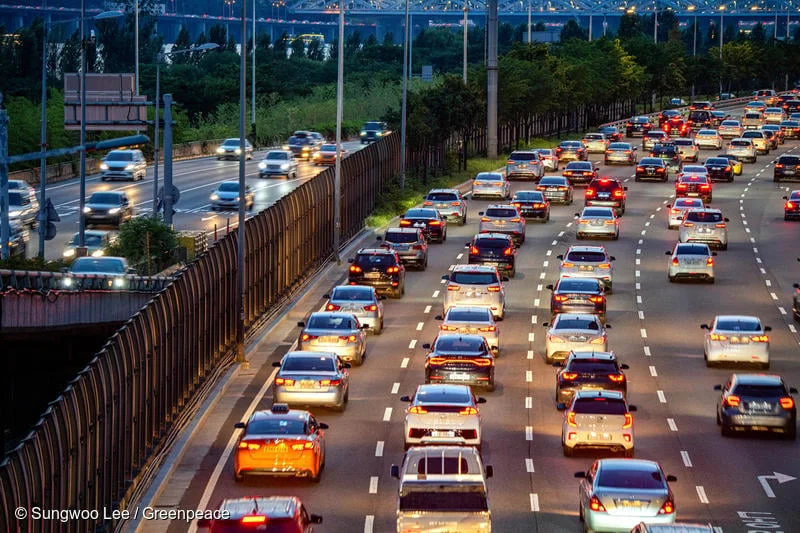
SEOUL – Greenpeace East Asia’s Seoul office has issued a stark warning and an urgent plea to the South Korean government, urging an immediate abandonment of fossil fuel dependency and a rapid acceleration towards a self-sufficient renewable energy system. The environmental organization’s statement comes in the wake of a severe economic crisis exacerbated by the "Trump-Netanyahu war against Iran," which has sent shockwaves through global energy markets and directly impacted South Korea’s industrial and economic stability. The crisis, described by International Energy Agency Executive Director Fatih Birol as more severe than the combined oil shocks of the 1970s, highlights the inherent fragility of economies tethered to volatile fossil fuel supplies.
The conflict, characterized by naval blockades and strikes on critical energy infrastructure, has not only led to significant human casualties and destruction of daily life for civilians in Iran and across the Gulf region but has also triggered a domino effect on global supply chains. In South Korea, the ramifications were felt almost immediately. On March 24th, the government declared a "Caution" alert for energy security, a move that paradoxically led to the easing of coal power restrictions and the postponement of decommissioning plans for aging coal-fired power plants. This decision, Greenpeace argues, represents a step backward, reinforcing reliance on polluting energy sources at a time when a fundamental shift is critically needed.
Adding to the precarious situation, QatarEnergy officially declared Force Majeure on long-term Liquefied Natural Gas (LNG) contracts with South Korea and other international partners on the same day. Force Majeure, a contractual clause that frees parties from liability when an extraordinary event or circumstance prevents them from fulfilling obligations, underscores the unreliability of fossil fuel supply chains. With repairs to damaged facilities estimated to take three to five years, the declaration serves as a potent reminder that contractual agreements alone cannot guarantee the physical delivery of energy resources. This event directly impacts South Korea, which relies on Qatari LNG for approximately 14% of its total energy imports.
The repercussions of the Strait of Hormuz blockade extend beyond the energy sector, severely impacting South Korea’s vital petrochemical industry. The Yeosu National Industrial Complex, a cornerstone of the nation’s industrial output, has been forced to slash operations due to the severed naphtha supplies. Plant utilization rates have plummeted from a robust 90% to a concerning 60% range, signaling a significant economic downturn within this critical sector. Naphtha, a key feedstock for petrochemical production, is heavily reliant on crude oil refining and transportation, making its supply chain particularly vulnerable to geopolitical disruptions.
Escalating Economic Fallout and Government Responses
The South Korean government has attempted to mitigate the immediate fallout by exploring alternative LNG sources, such as those from the United States or Australia. However, Greenpeace contends that this approach fails to address the fundamental issue: the global nature of LNG pricing. Even if physical supply can be secured, the inherent volatility of the international market means that price shocks are inevitably passed on to consumers. This ongoing dependence on fossil fuels, the organization argues, leaves South Korea perpetually exposed to geopolitical risks, a lesson that should have been learned from the 2022 Russia-Ukraine war.
The economic consequences of the previous energy crisis, triggered by the conflict in Ukraine, still linger. Soaring LNG prices and volatile System Marginal Prices (SMP) compelled the government to suppress utility rate hikes to curb inflation. While consumers may have seen temporary relief, the underlying costs did not disappear. Instead, they manifested as staggering financial losses for state-owned energy corporations. Korea Electric Power Corporation (KEPCO) recorded an operating loss of 33 trillion Korean Won (KRW) in 2022, with its total debt ballooning to 206 trillion KRW. Similarly, Korea Gas Corporation (KOGAS) faced 14 trillion KRW in receivables. Greenpeace points out that this substantial public corporate debt will inevitably translate into future tax increases or higher utility bills for citizens, creating a hidden burden.
The surge in oil prices has also exposed structural weaknesses within South Korea’s transportation sector. The government’s intervention on the 13th, capping refinery prices and using tax revenue to offset losses, is seen by Greenpeace as a temporary measure that reinforces the status quo. Furthermore, the "temporary" fuel tax cut, initially introduced in 2021, has been extended an astonishing 20 times and is now set for further extension with an increased reduction rate. This continuous financial support, Greenpeace argues, entrenches a reliance on internal combustion engine vehicles and weakens the incentive for consumers to transition to electric vehicles (EVs).
This pattern of reactive measures, Greenpeace asserts, creates a vicious cycle. Each new crisis prompts further tax cuts and subsidies, mirroring the power sector’s retreat to coal in response to a delayed renewable energy transition. The petrochemical crisis, in turn, exacerbates inflation across the broader plastics industry. The inherent reliance on petroleum-based production means that supply chain instability, from naphtha to ethylene, leads to recurring economic chaos. The current emergency measures are characterized as mere "band-aids" that fail to address the root cause of the problem: an addiction to oil.
A Call for a Fundamental Shift: The Promise of Renewable Energy
Greenpeace’s core argument centers on the inherent fragility of a fossil fuel-dependent economy. "When a strait is blocked, factories stop and the cost of living explodes," the statement emphasizes. "This is the inherent fragility of a fossil fuel economy." In stark contrast, the organization highlights the resilience and stability offered by domestic renewable energy sources.
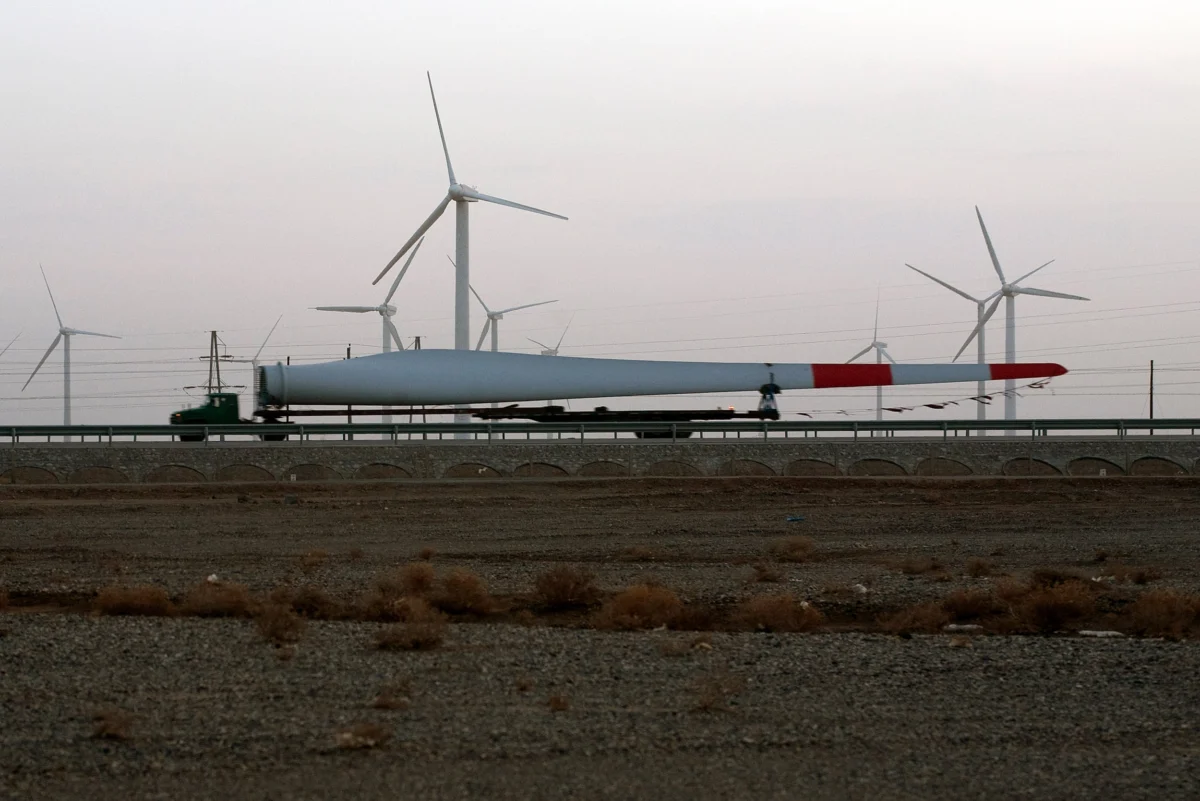
"Domestic renewable energy is not affected by naval blockades. EVs and bicycles run regardless of international oil prices. Wind and sunlight do not declare Force Majeure," Greenpeace states, underscoring the inherent security and predictability of renewables. The organization contends that the South Korean government must move beyond simply managing the immediate chaos and instead focus on building a fundamentally different energy system – one that is impervious to geopolitical shocks and ensures long-term energy independence.
Greenpeace Seoul’s Demands for Government Action:
Greenpeace East Asia’s Seoul office has outlined a clear set of demands for the South Korean government, calling for decisive action to steer the nation towards a sustainable and resilient future:
- Immediate halt to new fossil fuel infrastructure development: This includes a complete moratorium on any new coal power plants, LNG terminals, and oil refineries. The organization argues that any further investment in fossil fuels locks the country into a carbon-intensive future and perpetuates the cycle of dependency and vulnerability.
- Accelerate the phase-out of coal power and nuclear power: Greenpeace advocates for an accelerated timeline for decommissioning all coal-fired power plants and calls for a reassessment of nuclear power’s role, citing safety concerns and waste management issues, advocating for a transition to safer, cleaner alternatives.
- Set ambitious targets for renewable energy deployment: The government should establish legally binding targets for renewable energy generation, aiming for a significant increase in solar, wind, and other clean energy sources to meet a substantial portion of the nation’s energy demand within a defined timeframe, potentially aiming for 100% by a specific year.
- Invest heavily in grid modernization and energy storage solutions: To effectively integrate a higher percentage of variable renewable energy sources, significant investment is needed in upgrading the national grid infrastructure and developing advanced energy storage technologies, such as batteries and pumped hydro storage, to ensure grid stability and reliability.
- Incentivize and support the rapid adoption of electric vehicles and public transportation: The government should implement robust policies to accelerate the transition to electric mobility, including increased subsidies for EV purchases, expansion of charging infrastructure, and significant investment in efficient and accessible public transportation systems powered by renewable energy.
- Promote a circular economy and reduce reliance on virgin materials: Greenpeace urges the government to shift its focus from waste management to source reduction, promoting a circular economy model that emphasizes reuse, repair, and recycling, particularly within the plastics industry, thereby reducing the demand for fossil fuel-based virgin materials.
- Ensure a just transition for workers and communities: As the energy sector transforms, Greenpeace stresses the importance of a just transition that supports workers and communities currently dependent on fossil fuel industries, providing retraining programs and creating new employment opportunities in the renewable energy sector.
Broader Implications and the Path Forward
The current crisis serves as a critical inflection point for South Korea. The nation’s economic vulnerability, exposed by the conflict in Iran, underscores the urgent need for a paradigm shift away from fossil fuels. The reliance on imported energy sources, subject to the whims of international politics and market volatility, presents a fundamental threat to national security and economic stability.
The current emergency measures, while offering short-term relief, do not address the underlying structural issues. Greenpeace’s call for a "Circular Economy" is not merely an environmental aspiration but an economic imperative, designed to break the nation’s addiction to oil and build a more resilient and self-sufficient economic model. The organization’s critique of the "Comprehensive Plastic Reduction Plan" for focusing on waste management rather than production reduction highlights a broader disconnect between stated goals and effective action.
The lesson from this crisis is clear and undeniable: the fossil fuel economy is inherently fragile. As Greenpeace articulates, the nation cannot afford to remain trapped in a cycle of reactive crisis management. The path forward lies in embracing the inherent security and stability of renewable energy, coupled with a visionary approach to economic restructuring. By investing in domestic renewable energy, modernizing its grid, and fostering a circular economy, South Korea has the opportunity to not only weather future crises but to emerge as a leader in the global transition to a sustainable and prosperous future. The choice, as Greenpeace emphasizes, is between managing chaos and building a system that prevents future crises from ever happening.
Media Contact:
Yujie Xue, International Communications Officer, Greenpeace East Asia, +852 5127 3416, [email protected]

 Lina Irawan
 Nila Kartika Wati