Siti Muinah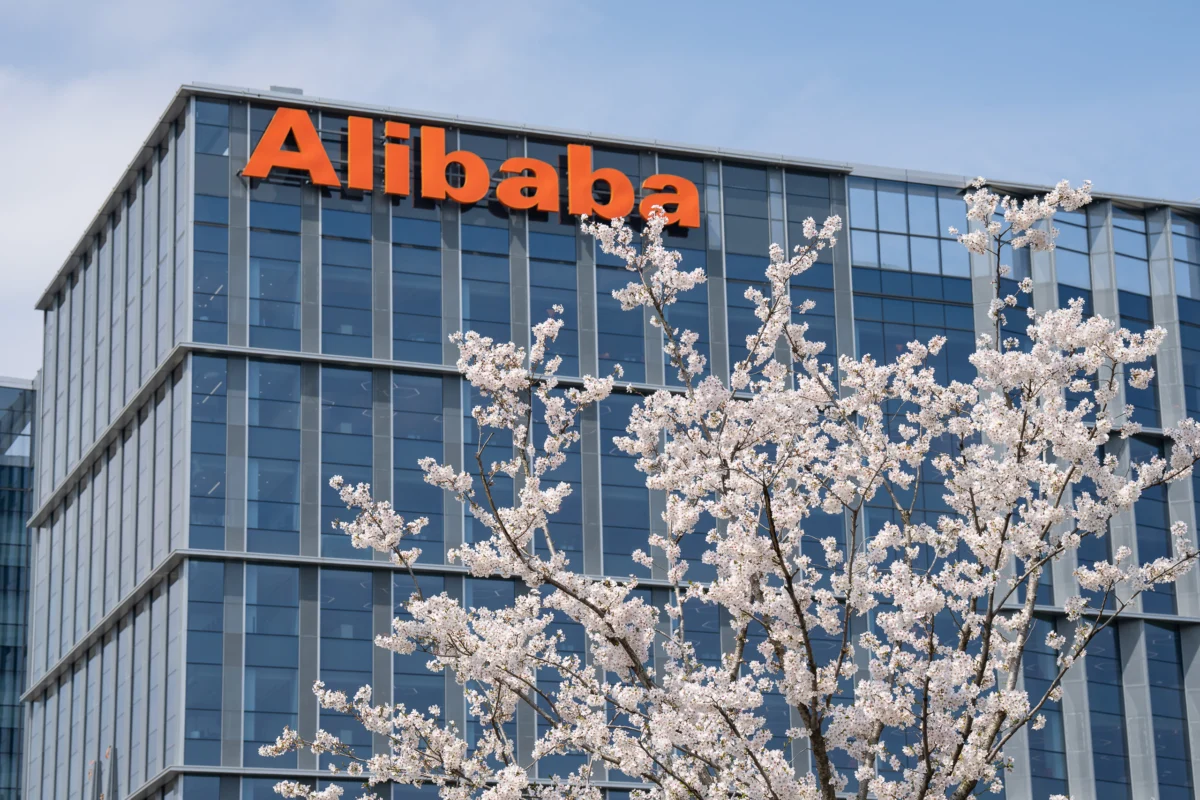
Alibaba’s advanced Qwen AI model is set to be seamlessly integrated into Apple Intelligence, fundamentally transforming user experiences in China across Apple’s diverse ecosystem, including iOS, iPadOS, macOS, and visionOS. This strategic collaboration will empower users to access Qwen’s comprehensive capabilities – encompassing sophisticated text and image understanding, alongside robust content generation – directly on their Apple devices without the need to switch between applications. This significant development comes as China’s Cyberspace Administration (CAC) recently announced the official filing and approval of seven on-device generative AI services for smartphones, a list that prominently features Apple Intelligence, alongside Huawei’s indigenous Xiaoyi large language model and OPPO’s AndesGPT large language model. This regulatory milestone, reported by outlets such as China Star Market, underscores the rapid evolution of localized AI solutions and the intricate balance between global technology integration and national digital sovereignty.
The Strategic Alliance: Apple and Alibaba in the Chinese Market
The integration of Alibaba’s Qwen model into Apple Intelligence for the Chinese market represents a critical strategic maneuver for both technology giants. For Apple, which has historically maintained tight control over its software ecosystem, this partnership signifies a pragmatic approach to navigating China’s unique regulatory landscape and highly competitive domestic technology market. Apple Intelligence, unveiled globally at the company’s Worldwide Developers Conference (WWDC) in June 2024, promises a suite of personalized, private, and contextually aware AI features designed to enhance productivity and creativity. However, the implementation of large language models (LLMs) in China is subject to strict governmental oversight, necessitating local partnerships and compliance with national data security and content regulations.
By choosing Alibaba’s Qwen, Apple addresses multiple challenges simultaneously. Alibaba Cloud, the technology backbone of the e-commerce giant, has invested heavily in AI research and development, positioning Qwen as one of China’s leading foundation models. This partnership allows Apple to leverage a locally approved and high-performing AI model, ensuring that its users in China receive a comparable, albeit localized, generative AI experience. It also underscores Apple’s enduring commitment to the Chinese market, a region that remains one of its largest and most crucial revenue streams, despite recent headwinds from resurgent domestic competitors.
For Alibaba, this collaboration offers a monumental validation of its AI capabilities on a global stage. Integrating Qwen into Apple’s premium ecosystem provides unparalleled exposure and market penetration for its LLM technology, moving beyond its existing enterprise clients and into the hands of millions of discerning consumers. It solidifies Alibaba’s position as a foundational AI provider, demonstrating its ability to meet the stringent performance and security standards required by a global technology leader like Apple.
Unpacking Qwen’s Capabilities within Apple Intelligence
The Qwen model, developed by Alibaba Cloud, is a multimodal large language model known for its versatility and performance. Its integration into Apple Intelligence means Chinese users will gain access to a powerful set of AI-driven features directly embedded within their operating systems. Key capabilities include:
- Text Understanding and Generation: Qwen can power advanced natural language processing tasks, allowing users to draft emails, summarize documents, generate creative writing, and refine text with greater efficiency and contextual awareness. This could manifest in enhanced features within Mail, Notes, Pages, and other productivity applications.
- Image Understanding and Generation: The multimodal nature of Qwen enables it to interpret and generate images. Users might be able to describe an image they want to create and have Qwen generate it, or ask Qwen to analyze an image to extract information or identify objects. This could augment features in Photos, Messages, and design-oriented applications.
- Contextual Assistance: Leveraging Apple Intelligence’s core philosophy, Qwen will likely provide personalized assistance by understanding the user’s on-device activity, app usage, and preferences. For instance, it could help plan itineraries by pulling information from emails and calendars, or suggest relevant actions based on current screen content.
- On-Device Processing: A significant aspect of this integration is the emphasis on on-device processing, where much of the AI computation occurs directly on the device rather than relying solely on cloud servers. This enhances privacy, reduces latency, and allows for offline functionality, aligning with Apple’s privacy-centric approach and China’s data sovereignty requirements.
These capabilities, when seamlessly interwoven into Apple’s intuitive user interfaces, are expected to significantly enhance the user experience, making devices more proactive, personalized, and intelligent for Chinese consumers.
China’s Stringent AI Regulatory Landscape
The recent announcement by China’s Cyberspace Administration (CAC) regarding the approval of seven on-device generative AI services is a testament to the nation’s proactive and stringent regulatory framework for artificial intelligence. China has been at the forefront of AI regulation, particularly with the implementation of its "Interim Measures for the Management of Generative Artificial Intelligence Services," which came into effect in August 2023. These regulations are designed to ensure that AI services adhere to core socialist values, protect user data, prevent discrimination, and maintain content moderation standards.
The "filing" process mentioned by the CAC is a crucial step for any generative AI service operating in China. It requires technology companies to submit detailed information about their AI models, including training data, algorithms, and safety measures, for government review and approval. This regulatory hurdle aims to mitigate risks associated with AI, such as the generation of misinformation, biased content, or politically sensitive material. For foreign companies like Apple, navigating this framework often necessitates local partnerships to ensure compliance and gain market access. The approval of Apple Intelligence, powered by Qwen, signifies that the integrated solution has met these rigorous compliance standards.
This regulatory environment also emphasizes data localization and security. Under Chinese law, data generated within China must often be stored and processed within the country. This requirement likely played a significant role in Apple’s decision to partner with a domestic provider like Alibaba, which has the necessary infrastructure and expertise to comply with these rules, ensuring that user data processed by Qwen remains within China’s digital borders.
A Broader Trend: On-Device AI in the Chinese Smartphone Market
The approval of Apple Intelligence, Huawei’s Xiaoyi, and OPPO’s AndesGPT highlights a broader and accelerating trend within the Chinese smartphone market: the race to integrate powerful, on-device generative AI. While Apple is making strategic moves with Qwen, domestic players have been aggressively developing their own large language models to enhance their smartphone offerings.
- Huawei’s Xiaoyi: As a national champion, Huawei has invested heavily in its proprietary AI capabilities, exemplified by its Xiaoyi LLM. This is part of Huawei’s broader strategy to build a robust ecosystem independent of Western technology, especially in the face of U.S. sanctions. Xiaoyi aims to power a range of intelligent features across Huawei devices, from smart assistants to content creation tools, bolstering the company’s competitive edge in the high-end smartphone segment.
- OPPO’s AndesGPT: OPPO, another major Chinese smartphone manufacturer, has also thrown its weight behind generative AI with AndesGPT. Integrated into its ColorOS operating system, AndesGPT seeks to deliver personalized and intuitive AI experiences, enhancing photography, communication, and overall device interaction. This reflects OPPO’s ambition to differentiate its products through advanced AI functionalities, appealing to a tech-savvy consumer base.
This intense competition among global and domestic brands to offer superior on-device AI capabilities underscores the perceived value of such features in attracting and retaining consumers. As smartphones become increasingly sophisticated, AI is seen as the next frontier for innovation, enabling devices to understand context, anticipate needs, and perform complex tasks with unprecedented intelligence.
Chronology of Key Developments
The journey towards this pivotal moment in on-device AI integration has been marked by several significant milestones:
- August 2023: China’s "Interim Measures for the Management of Generative Artificial Intelligence Services" come into effect, establishing a comprehensive regulatory framework for AI services in the country. This sets the stage for the formal approval process.
- September 2023: Alibaba Cloud officially makes its Qwen large language model series, including Qwen-7B and Qwen-14B, generally available to enterprises and developers, signaling its readiness for broader application.
- Early 2024: Reports begin to surface about Apple exploring partnerships with Chinese AI providers to power its generative AI features in the Chinese market, indicating the company’s proactive compliance efforts.
- June 2024 (WWDC): Apple officially unveils Apple Intelligence globally, outlining its vision for personalized, private, and deeply integrated AI across its ecosystem. At this time, it is noted that a specific partner for the Chinese market would be announced later.
- June 2024 (Post-WWDC): Industry speculation and leaks point towards Alibaba’s Qwen as the leading candidate for Apple’s AI partner in China, given its technical prowess and regulatory compliance.
- Late June 2024: China’s Cyberspace Administration announces the approval of seven on-device generative AI services, including Apple Intelligence (powered by Qwen), Huawei’s Xiaoyi, and OPPO’s AndesGPT, officially clearing the path for their deployment.
Market Dynamics and Competitive Landscape
The integration of Qwen into Apple Intelligence has significant ramifications for the competitive landscape of the Chinese smartphone market. Apple has historically commanded a strong premium segment presence, but has faced increasing pressure from domestic brands like Huawei, Xiaomi, OPPO, and Vivo, which have made substantial inroads with advanced hardware and increasingly sophisticated software.
In recent quarters, Apple has experienced fluctuating market share in China, often challenged by the resurgence of Huawei and aggressive pricing strategies from other local players. This partnership with Alibaba’s Qwen could provide Apple with a much-needed boost, offering a uniquely localized and compliant AI experience that competitors may struggle to match with a single, integrated solution. It allows Apple to maintain its brand appeal while adapting to regional specificities.
For Alibaba, the partnership could significantly expand its footprint in the consumer AI space. While Alibaba Cloud is a dominant player in the enterprise sector, this collaboration positions Qwen as a frontrunner in consumer-facing on-device AI, potentially influencing future trends in mobile technology and smart devices.
The broader implication is that the global AI race is increasingly being fought on localized terms. Companies seeking to succeed in major markets like China must not only offer cutting-edge technology but also demonstrate a deep understanding of and compliance with local regulations and cultural nuances. This trend may lead to more bespoke AI solutions tailored for specific regional markets, rather than a one-size-fits-all global approach.
Implications for User Experience and Data Privacy
From a user experience perspective, the integration of Qwen into Apple Intelligence promises a more intuitive and powerful interaction with Apple devices for Chinese users. The ability to perform complex tasks, generate content, and receive personalized assistance without switching apps represents a significant leap forward in convenience and productivity. This seamless integration could set new benchmarks for user expectations regarding AI on smartphones.
Data privacy, a cornerstone of Apple’s philosophy and a critical area of focus for Chinese regulators, remains paramount. The on-device nature of many Apple Intelligence features, coupled with Alibaba’s commitment to local data compliance, aims to address these concerns. Apple has consistently emphasized that its AI is designed with privacy at its core, processing personal data on the device where possible and using secure cloud infrastructure only when necessary, with strong encryption. The filing and approval by the CAC suggest that the integrated solution meets China’s strict data protection and cybersecurity laws, including requirements for data localization and censorship mechanisms. Users can expect their interactions with Qwen-powered features to adhere to these privacy and security standards, fostering trust in the new AI capabilities.
Economic and Geopolitical Undercurrents
Beyond the immediate technological and market implications, this partnership also carries broader economic and geopolitical significance. It highlights the intricate dance between global technology companies and national governments in an era of increasing digital sovereignty. For China, fostering a robust domestic AI ecosystem while also allowing controlled integration of foreign technology serves its strategic goals of technological self-reliance and global influence.
The collaboration demonstrates a pragmatic approach to technological development, where competitive advantages are leveraged while regulatory boundaries are respected. It could also influence future cross-border tech partnerships, setting a precedent for how global technology firms can operate and innovate within highly regulated markets by aligning with local champions. This complex interplay of innovation, regulation, and national interest will likely continue to shape the global technology landscape for years to come.
Analyst Perspectives and Future Outlook
Industry analysts view the Apple-Alibaba partnership as a shrewd move for Apple, allowing it to remain competitive in China’s rapidly evolving AI landscape. "This strategic alignment allows Apple to deliver advanced generative AI experiences to its vast user base in China, circumventing the regulatory hurdles that might otherwise delay or prevent such an rollout," noted one technology analyst. "For Alibaba, it’s a massive endorsement of Qwen’s capabilities and a gateway to a premium consumer market."
Looking ahead, the success of this integration will be closely watched. If Qwen-powered Apple Intelligence resonates with Chinese consumers and significantly enhances their daily digital lives, it could provide a significant boost to Apple’s market share and reinforce Alibaba’s standing as an AI leader. Furthermore, this collaboration could pave the way for other global tech companies to pursue similar localized AI partnerships in China, creating a more diversified and regionally tailored AI ecosystem. The race for on-device AI supremacy has officially intensified, with China emerging as a critical battleground for innovation and regulatory compliance.


 Jia Lissa
 Evan Lee Salim