Nana
Nana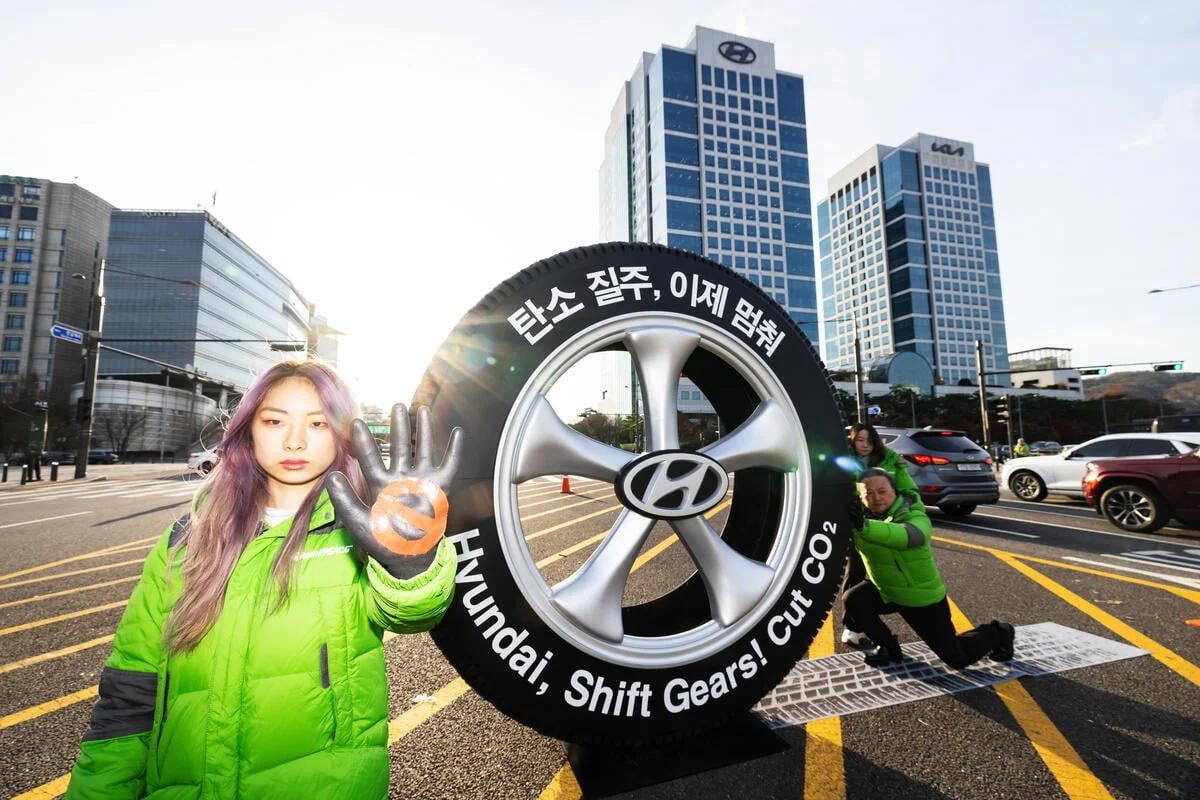
A coalition of international non-governmental organizations (NGOs) has issued a strong call to Euisun Chung, Executive Chair of Hyundai Motor Group, urging the automotive giant to substantiate its public climate commitments with tangible actions. The open letter, representing a global network of concerned citizens, highlights a significant discrepancy between Hyundai’s "progress for humanity" vision, its substantial FIFA World Cup sponsorship, and the company’s actual environmental and human rights performance throughout its extensive supply chain.
The appeal arrives at a critical juncture, with the 2026 FIFA World Cup on the horizon, an event for which Hyundai Motor Group has been a long-standing partner for over two decades. The company’s sponsorship of the upcoming tournament is reportedly valued at approximately $300 million, positioning Hyundai as a prominent corporate face of the global sporting spectacle. This partnership has been leveraged by Hyundai to project an image of clean, green mobility, emphasizing its electric vehicle (EV) offerings and a vision for a sustainable future. However, the NGOs contend that this carefully curated image is undermined by the stark realities of the company’s operational footprint and supply chain practices.
Discrepancy Between Green Messaging and Corporate Emissions
The core of the NGOs’ concern lies in the quantitative data that, they argue, paints a different picture than Hyundai’s public relations efforts. Combined annual emissions from Hyundai and Kia, Hyundai Motor Group’s subsidiary, are estimated to be in the vicinity of 250 million tonnes of CO2-equivalent. This figure is comparable to the annual emissions of an entire nation like Spain, underscoring the substantial environmental impact of the group’s global operations.
Furthermore, while Hyundai has invested heavily in showcasing its electric vehicles, the reality on the road remains heavily weighted towards fossil fuel-powered cars. Electric vehicles currently account for only 7% of Hyundai’s total annual sales, which amount to approximately 6.8 million vehicles globally. This statistic suggests that despite significant investment in EV technology and marketing, the overwhelming majority of vehicles produced and sold by Hyundai and Kia continue to rely on internal combustion engines, contributing directly to greenhouse gas emissions.
Troubling Allegations Surface from Supply Chain Investigations
Beyond the direct emissions from vehicle manufacturing and use, the NGOs have drawn attention to a series of deeply concerning reports detailing human rights, labor, and environmental abuses within Hyundai’s complex global supply chain. Investigations by the Fair Steel Coalition, Mighty Earth, and Jobs to Move America have presented evidence linking Hyundai to the documented use of child and prison labor, unsafe working conditions for employees, and significant environmental degradation across various regions.
These reports specifically highlight issues related to the sourcing of raw materials, particularly steel, which is a critical component in vehicle manufacturing. Allegations of exploitative labor practices and environmental damage associated with steel production, a sector known for its high carbon intensity, directly contradict Hyundai’s stated vision of "progress for humanity." The NGOs argue that true progress must be rooted in addressing these systemic abuses and ensuring that workers and communities are not adversely affected by the company’s global operations.
A History of Scrutiny and Unaddressed Concerns
This is not the first time Hyundai Motor Group has faced scrutiny regarding its corporate practices. Recent media coverage, including reports from the Los Angeles Times, detailed protests led by the coalition in Guadalajara, Mexico, which accused Hyundai of using the World Cup to "greenwash" its image. The NGOs report that Hyundai’s response to these allegations was dismissive, offering generic statements about existing processes that they deem insufficient to demonstrate robust human rights and environmental due diligence. This pattern of response has fueled the NGOs’ determination to push for more concrete commitments.
The upcoming FIFA World Cup is also facing its own set of environmental criticisms. Experts have warned that one in four matches could be played in dangerously hot conditions due to climate change, labeling the tournament as one of the most carbon-intensive in football history. The involvement of corporations with significant environmental footprints as sponsors, including Hyundai, has drawn sharp criticism from climate advocacy groups. The NGOs are concerned that this global stage is being exploited for "sportswashing," allowing companies to project a favorable image that is not reflected in their actual business operations.
Demands for Accountability and Action
In their letter, the NGOs explicitly state that they are not demanding perfection from Hyundai but rather honesty and alignment between commitments and actions. They have outlined three clear demands for Hyundai Motor Group to address these critical issues:
-
Commitment to a 100% Electric Vehicle Sales Target by 2030: The NGOs are calling for a public commitment to a clear, time-bound phase-out plan for internal combustion engine vehicles across all global markets. This includes accelerating the transition to achieving 100% electric vehicle sales by the year 2030. This aggressive timeline is seen as crucial for aligning with global climate goals and demonstrating genuine leadership in sustainable mobility.
-
Comprehensive Supply Chain Overhaul: Hyundai is urged to "clean up its supply chain" by rigorously upholding human rights and environmental standards at every stage of its operations. This includes responsible sourcing of critical minerals, stringent oversight of manufacturing emissions, and a particular focus on reducing the impact of carbon-intensive materials like steel. Crucially, the demand emphasizes ensuring that these improvements translate into tangible benefits for workers and affected communities.
-
Genuine Climate Leadership, Not Greenwashing: The partnership with the FIFA World Cup must reflect genuine climate leadership rather than mere greenwashing. This necessitates the establishment of transparent, independently verified emissions targets and demonstrable, measurable progress towards meeting them. The NGOs want to see the World Cup sponsorship used as a platform to showcase actual environmental stewardship, not just a polished marketing facade.
The Stakes for Hyundai and the Future of Mobility
The timing of this campaign is strategic. Hyundai and Kia achieved a record combined market share of 11.3% in the United States in 2025, according to reports from The Korea Times. The 2026 FIFA World Cup presents an unparalleled opportunity for Hyundai to further solidify its presence and win over hearts and minds in this crucial market. The NGOs are urging the company to seize this opportunity not by merely advertising a clean and humane image, but by genuinely earning one through concrete commitments towards truly clean cars and a just supply chain.
The implications of Hyundai’s response extend beyond its immediate corporate reputation. As a major player in the global automotive industry, the company’s actions – or inactions – can significantly influence the pace and direction of the transition to sustainable transportation worldwide. Failure to address these pressing concerns could result in reputational damage, increased regulatory scrutiny, and continued pressure from civil society, potentially impacting consumer trust and long-term business viability.
The coalition, which includes prominent organizations such as Actions Speak Louder, Eko, Fair Steel Coalition, Good Neighbors Louisiana, Greenpeace East Asia, Mighty Earth, Networks for Green Transport, Plan1.5, Public Citizen, Sierra Club, and Solutions for Our Climate, has made it clear that they will continue to advocate for corporate accountability. Their message is direct: the world is watching, and the time for genuine action, not just rhetoric, is now. The NGOs await Hyundai’s response with anticipation, recognizing that the company’s next steps will speak volumes about its true commitment to a sustainable and equitable future.

 Raul Delapena Setiawan
 Neng Nana