 Muslim
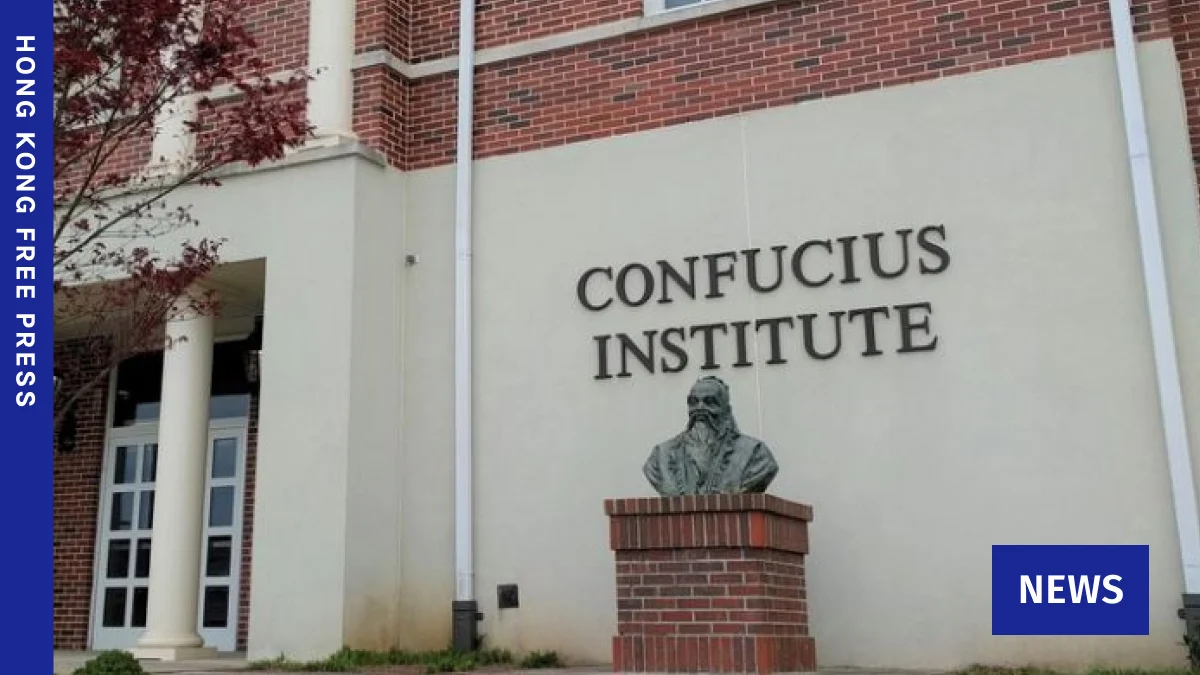
Washington D.C. – The United States Department of Defense has officially designated Confucius Institutes, the Chinese government-funded cultural and language centers often hosted on American university campuses, as a significant threat to U.S. national security. This declaration, announced by Defense Secretary Pete Hegseth on Friday, marks a significant escalation in the U.S. government’s stance against these institutions, which it has long viewed as instruments of Chinese Communist Party (CCP) propaganda and influence operations.
The Pentagon’s move comes after intelligence indicated the reappearance of entities with similar objectives to the original Confucius Institutes, albeit under new guises. Secretary Hegseth revealed that approximately 80 "sleeper organizations," operating across 30 universities under different names and charters, have been identified. These entities, according to Hegseth, are pursuing the same core mission: to illicitly acquire intellectual property and to subtly influence the perspectives of American students.

"We added these sleeper organizations to our list of institutions that threaten our national security," Hegseth stated in a video address. "It turns out that 80 new propaganda cells across 30 universities had popped up using different names and different charters, but with the same mission: to steal intellectual property and to infiltrate the minds of American students."
The Defense Department has reportedly taken decisive action to dismantle these newly identified organizations within the past two months, indicating a swift and robust response to the perceived threat. This action is a culmination of years of growing scrutiny and concern from U.S. national security agencies regarding the potential for undue foreign influence within American academic institutions.
A History of Suspicion and Action
The U.S. government’s apprehension towards Confucius Institutes is not new. Established with the stated goal of promoting Chinese language and culture, these centers have been funded by Hanban, an organization now known as the Center for Language Education and Cooperation, an affiliate of China’s Ministry of Education. Critics have argued that this funding structure inherently links the institutes to the CCP’s broader strategic objectives.

The first Confucius Institute in the United States was established in 2004 at the University of Utah. Over the subsequent years, their numbers grew rapidly, reaching a peak of over 100 institutes operating in partnership with American universities. However, concerns about academic freedom, censorship, and the potential for espionage began to surface within the U.S. academic and national security communities.
Key points of contention have included:
- Intellectual Property Theft: Allegations that Confucius Institutes served as conduits for the transfer of sensitive research and proprietary information from U.S. universities to China.
- Censorship and Academic Freedom: Reports of institutes being pressured by Beijing to censor discussions on politically sensitive topics, such as Taiwan, Tibet, and the Tiananmen Square crackdown, thereby undermining academic freedom and the principles of open inquiry.
- Propaganda and Influence: The view that these institutes were not merely cultural exchange programs but sophisticated tools for CCP propaganda, aiming to shape public opinion and promote China’s geopolitical narratives within the U.S.
- Lack of Transparency: Concerns about the opaque financial arrangements and operational oversight of these institutes, making it difficult to ascertain the full extent of their activities and affiliations.
In response to these mounting concerns, the U.S. State Department had previously designated Confucius Institute Headquarters (Hanban) as a foreign mission of the People’s Republic of China in August 2020. This designation subjected the institutes to stricter oversight and reporting requirements, effectively flagging them as entities operating on behalf of a foreign government. Following this designation, many U.S. universities began to sever ties with their Confucius Institutes, leading to their closure or significant restructuring.

The "Sleeper Organizations" Phenomenon
The recent announcement by Secretary Hegseth highlights a new phase in this ongoing geopolitical struggle. The identification of "80 new propaganda cells" suggests that Beijing is attempting to circumvent previous U.S. restrictions by establishing similar operations under different organizational structures. The term "sleeper organizations" implies that these entities may have been dormant or operating covertly, only to be activated or become more visible as U.S. pressure on the original Confucius Institutes intensified.
The focus on "stealing intellectual property" underscores a critical aspect of the U.S. concern. American universities are hubs of innovation and research, holding vast amounts of valuable intellectual property across various fields, from advanced technology and pharmaceuticals to defense-related research. The potential for foreign adversaries to exploit academic partnerships for economic or military gain is a significant national security worry.
Furthermore, the assertion of "infiltrating the minds of American students" points to the perceived ideological dimension of these operations. The CCP’s propaganda efforts aim to cultivate a favorable view of China among younger generations, potentially influencing future policymakers, business leaders, and academics. This long-term strategy is seen as an attempt to subtly shift the geopolitical narrative and secure China’s global standing.

Broader Implications and Future Outlook
The Pentagon’s declaration and subsequent actions have far-reaching implications for U.S.-China relations and the landscape of international academic collaboration.
- Increased Scrutiny of Foreign Influence: This move is likely to intensify scrutiny of all foreign-funded initiatives within U.S. academic and research institutions. Universities will face increased pressure to conduct thorough due diligence on partnerships and funding sources, particularly those originating from countries perceived as strategic rivals.
- Impact on Academic Exchange: While the focus is on identified threats, there is a potential for a chilling effect on legitimate academic and cultural exchanges. The U.S. government and academic institutions will need to navigate a delicate balance between protecting national security interests and preserving the principles of open academic inquiry and international collaboration.
- Geopolitical Tensions: The designation further exacerbates the already strained relationship between the United States and China, adding another layer of distrust and suspicion to bilateral interactions. This could influence broader diplomatic, economic, and technological engagements.
- University Autonomy vs. National Security: The actions taken by the Department of Defense raise questions about the autonomy of universities in forging partnerships versus the imperative of national security. Universities will need to develop robust internal policies and compliance mechanisms to address these complex challenges.
The strategy of rebranding and re-establishing these organizations under different names suggests that China is committed to maintaining its global influence operations. The U.S. response, however, indicates a growing sophistication in identifying and countering these evolving tactics. The effectiveness of these efforts will depend on sustained vigilance, interagency cooperation, and a clear understanding of the motivations and methodologies employed by foreign entities seeking to influence American society.
The long-term consequences of this ongoing struggle for influence within academic circles remain to be seen. However, the Department of Defense’s recent pronouncements signal a clear and unwavering commitment to safeguarding U.S. national security interests against what it perceives as a persistent and adaptable threat from Beijing. This development underscores the complex and often covert nature of modern geopolitical competition, where cultural and educational spheres can become battlegrounds for ideological and strategic advantage.

 Rifan Muazin