 Siti Muinah
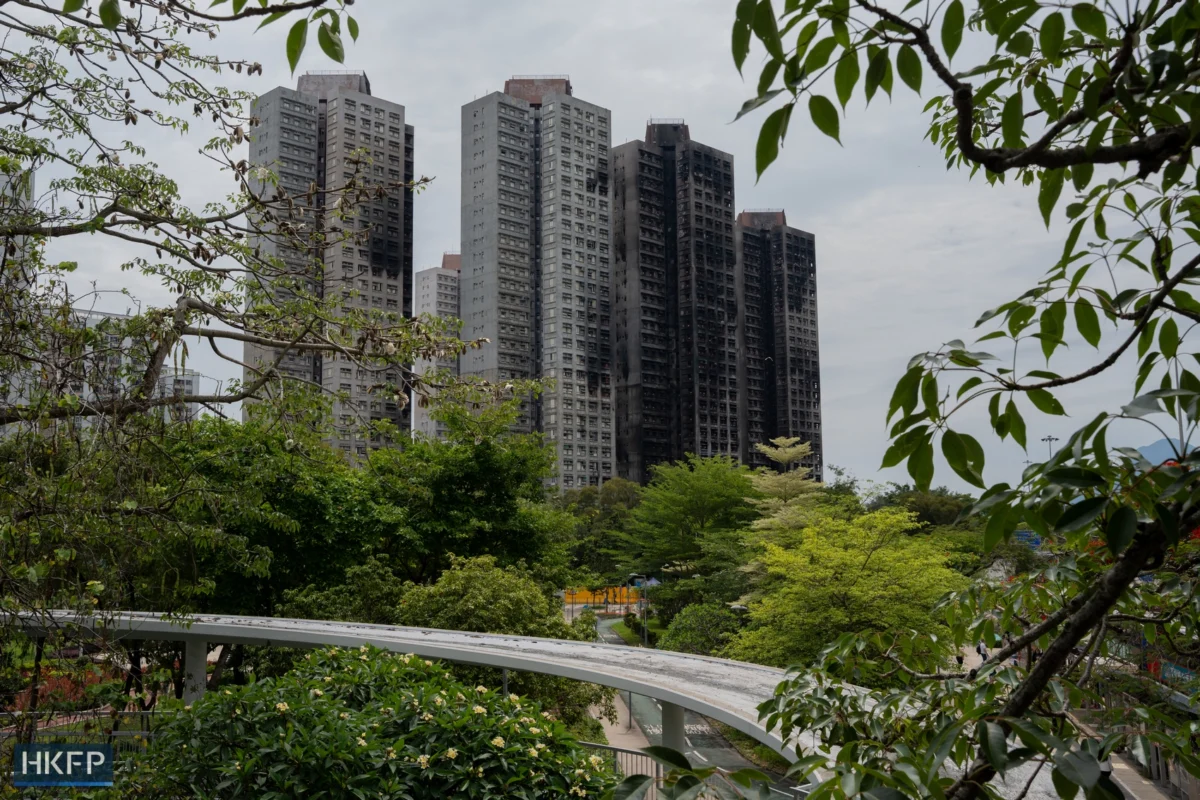
Hong Kong’s Urban Renewal Authority (URA) is set to allocate up to HK$100 million to establish a new subsidiary dedicated to enhancing the integrity of tender applications through advanced Artificial Intelligence (AI) systems. This significant investment, announced as part of the government’s 2026-27 Budget, directly addresses public outcry and accusations of corruption that surfaced in the wake of the devastating Tai Po fire. The initiative aims to overhaul the URA’s existing Smart Tender scheme, a platform introduced a decade ago to streamline property owner-contractor engagements.

The tragic fire at Wang Fuk Court in November of the previous year, which claimed the lives of 168 individuals and displaced thousands, cast a harsh spotlight on systemic failures within the building rehabilitation and maintenance sector. The blaze occurred during a substantial renovation project valued at approximately HK$330 million, exposing critical issues that demanded immediate and robust reform. A subsequent public inquiry revealed a disturbing pattern of substandard materials, alleged bid-rigging, and perfunctory inspections, all operating within a regulatory framework described as largely ineffective and reliant on an honor system.
Overhauling the Smart Tender Scheme with AI
The HK$100 million earmarked for the new subsidiary represents a substantial portion—one-third—of the total HK$300 million allocated to the URA in the latest budget. This funding is specifically designated for reforming the Smart Tender scheme, which, despite its initial intentions, has been criticized for its limitations. Launched in 2016, the Smart Tender system was designed to offer property owners an electronic platform for recruiting contractors, with a key feature being the anonymization of the tender process to foster competition and prevent undue influence. However, as highlighted during the Tai Po fire inquiry, the platform’s anonymity features were deemed insufficient to prevent illicit practices, with a URA lawyer conceding it was merely “a shield, but not a fortress” against illegal tender activities.

Donald Choi, Managing Director of the URA, elaborated on the strategic deployment of these funds in the authority’s recently released 2025-26 annual report. He stated, “[U]p to HK$100 million will be used as start-up funding to establish a dedicated subsidiary, recruit a professional team and develop an ‘AI-first’ automated workflow system for in-depth data verification and precise analysis.” The remaining portion of the allocated budget will be utilized to subsidize property owners who engage with the enhanced support services offered by the upgraded system.
The Shadow of the Tai Po Fire and Systemic Failures
The Tai Po fire served as a grim catalyst for reform, forcing a reckoning with deeply ingrained issues within Hong Kong’s building maintenance sector. The public inquiry, held earlier this year, meticulously detailed a series of alarming revelations. Beyond the use of inferior materials and potential collusion among bidders, the investigation uncovered a concerning lack of stringent oversight, with inspections appearing to be mere formalities rather than genuine checks on safety and quality. This had a direct impact on the overall cost and safety of the renovation project at Wang Fuk Court, underscoring the potential for corruption to have fatal consequences.

The inquiry also brought to light the limitations of existing regulatory mechanisms. The authority’s lawyer, in testimony, acknowledged that the Smart Tender platform, while designed to promote fairness, could not effectively police the integrity of the participants or the bidding process itself. This admission underscored the need for a more proactive and technologically advanced approach to ensure compliance and prevent malfeasance.
A Timeline of Accountability and Reform
The events leading to the URA’s significant investment in AI can be traced through a series of critical junctures:

- November 2025: The catastrophic fire at Wang Fuk Court, a residential building undergoing extensive renovations, results in 168 fatalities and displaces thousands. The incident immediately triggers widespread public concern regarding building safety and the integrity of renovation projects.
- Early 2026: A public inquiry into the Tai Po fire commences, meticulously examining the circumstances surrounding the blaze. This inquiry becomes a crucial platform for uncovering systemic issues within the building rehabilitation sector.
- March 2026: Key findings from the inquiry begin to emerge, highlighting the use of substandard materials, potential bid-rigging, and inadequate inspection practices. The anti-trust watchdog calls for criminalization of bid-rigging, signaling the severity of the alleged offenses.
- May 2026: The URA’s lawyer, during inquiry hearings, describes the Smart Tender platform as “a shield, but not a fortress” against illegal tender practices, acknowledging its limitations.
- Mid-2026: The URA releases its 2025-26 annual report, detailing plans for significant reform of its Smart Tender scheme, including the establishment of a subsidiary focused on AI-driven tender verification.
- August 2026: The Hong Kong government announces the 2026-27 Budget, allocating HK$300 million to the URA for urban renewal initiatives, with a specific portion dedicated to the AI-powered tender reform.
The Promise of AI in Ensuring Transparency and Efficiency
The URA’s strategic pivot towards AI is a response to the demonstrated shortcomings of manual and partially automated systems in detecting and preventing fraudulent activities. The proposed AI-first automated workflow system is designed to perform "in-depth data verification and precise analysis." This suggests capabilities that go beyond simple data entry checks, potentially encompassing:
- Pattern Recognition: AI algorithms can be trained to identify suspicious patterns in bidding data that might indicate collusion or bid manipulation. This could include analyzing bid prices, submission times, and the relationships between participating companies.
- Anomaly Detection: The system can flag deviations from normal or expected tender submission practices, alerting human reviewers to potential irregularities.
- Risk Assessment: AI can assess the risk profile of contractors and consultants based on their historical performance, past compliance issues, and financial stability, helping to create more robust whitelists.
- Document Analysis: Advanced AI tools can scrutinize tender documents for inconsistencies, missing information, or signs of tampering, ensuring a higher level of accuracy and completeness.
- Predictive Analytics: Over time, AI could potentially predict areas of high risk for corruption or malpractice based on market trends and past incidents, allowing for preemptive measures.
By entrusting these critical verification processes to AI, the URA aims to create a more objective and rigorous system, less susceptible to human error or deliberate manipulation. This move is also expected to enhance the efficiency of the tender process, potentially speeding up approvals and reducing administrative burdens for property owners.

Addressing Vested Interests and Institutional Weaknesses
Choi’s statement in the annual report acknowledges the deep-seated nature of the problems plaguing the building maintenance sector. He noted that the fire “drew public attention to systemic issues in the building rehabilitation sector and heightened calls for the enhancement of support services for building owners.” He further emphasized that the malpractices exposed were not isolated incidents but stemmed from “long-standing systemic shortcomings and entrenched vested interests within the building maintenance sector.”
The URA’s reform plans include the establishment of stringent whitelists for works consultants and contractors, a measure designed to ensure that only reputable and qualified entities are engaged in renovation projects. Furthermore, the authority will take on the responsibility of conducting tendering procedures on behalf of owners, thereby centralizing oversight and accountability.

However, Choi’s concluding remarks underscore the magnitude of the challenge: “Preventing similar tragedies requires concerted efforts by the Government, regulatory authorities, industry participants, relevant stakeholders and building owners to address these issues at both institutional and operational levels.” This sentiment highlights that while technological solutions like AI are crucial, they must be complemented by broader policy reforms, enhanced enforcement, and a collective commitment to safety and ethical practices across the entire industry.
The URA’s significant investment in AI represents a forward-looking strategy to rebuild public trust and fundamentally reform a sector marred by past failures. The success of this initiative will hinge not only on the effectiveness of the AI technology deployed but also on the URA’s ability to foster a culture of transparency and accountability, working in tandem with all stakeholders to ensure that Hong Kong’s buildings are safe and that its residents are protected. The HK$100 million investment is a clear signal of the government’s commitment to learning from the Tai Po tragedy and implementing robust measures to prevent future disasters.

 Lina Irawan
 Iffa Jayyana