 Lina Irawan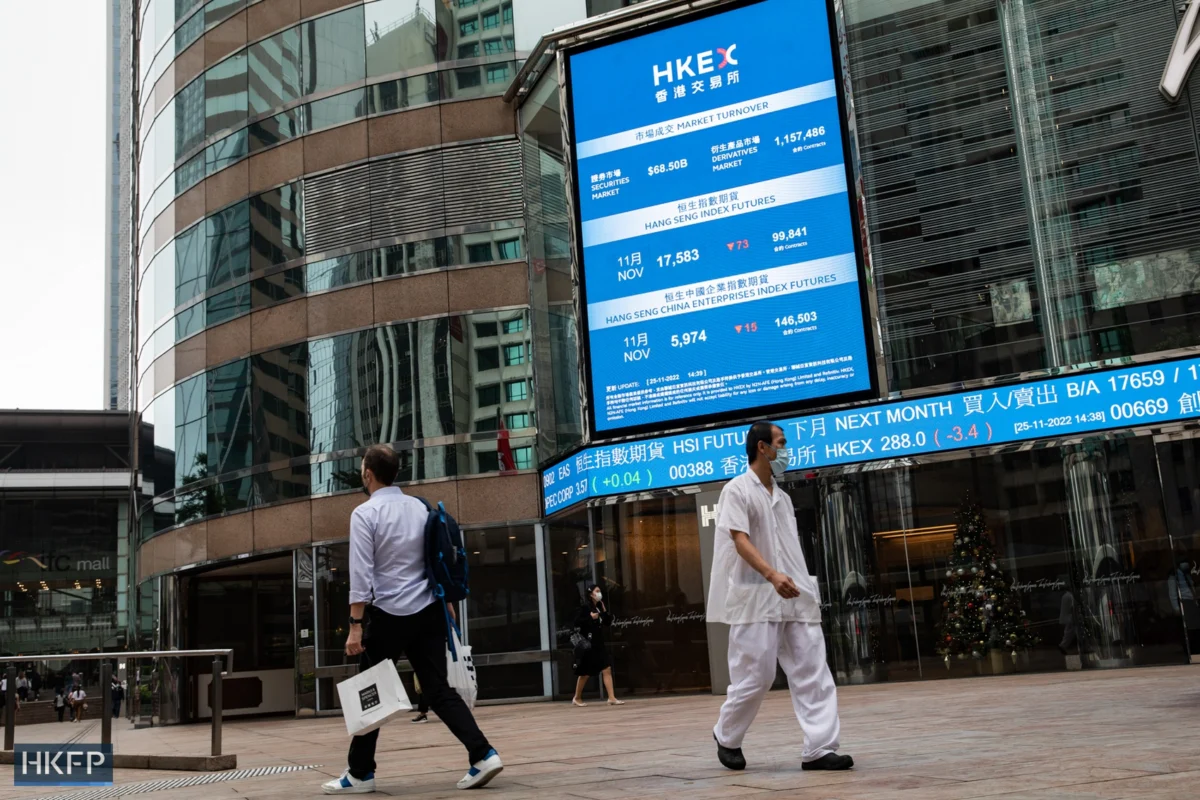
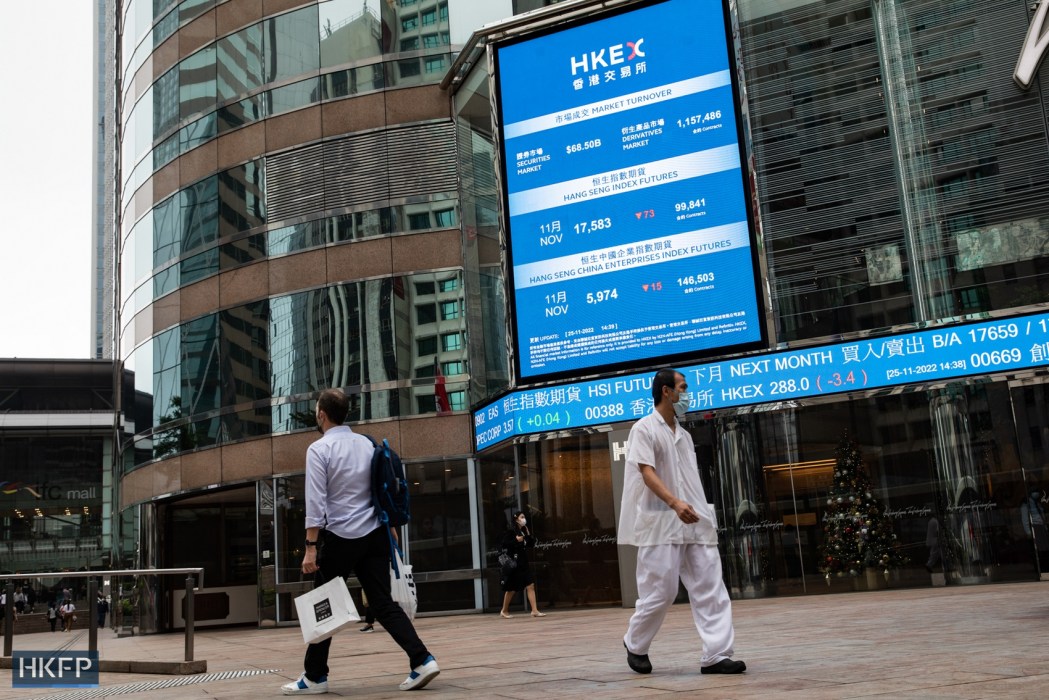
Shares in the Chinese fast-fashion behemoth Shein experienced a significant downturn, plunging more than 11 percent in Hong Kong trading on Tuesday. This sharp decline followed the release of the company’s latest financial results, which fell short of market expectations and highlighted a considerable drop from its previous private fundraising valuations. The steep sell-off underscores growing investor concerns about Shein’s growth trajectory and its ability to navigate an increasingly competitive and scrutinized global e-commerce landscape. By midday, the stock had recovered slightly but remained down by approximately 10.9 percent, trading at HK$31.44.

Financial Performance Under Scrutiny
The disappointing financial disclosures, made public on Monday, revealed a stark slowdown in Shein’s revenue growth and a significant erosion of its profitability. For the first six months of the year, the company reported a mere one percent year-on-year increase in revenue. More alarmingly, its operating profit was halved during the same period. This performance marks a critical juncture for Shein, particularly as these are its first financial results to be released since its highly anticipated initial public offering (IPO) earlier this month. The IPO valued the company at approximately $26.3 billion, a figure substantially lower than the nearly $100 billion valuations achieved during private fundraising rounds in 2022. This valuation gap has clearly unsettled investors, contributing to the immediate market reaction.
Regional Revenue Declines Signal Market Challenges
Further dissecting the financial report, Shein indicated notable revenue contractions in key international markets. Net revenue from Europe, a significant revenue driver for the company, fell by 13.9 percent in the second quarter, totaling nearly $3.8 billion. This decline was attributed by the company to a combination of factors, including "a decline in sales volume as we raised prices and lowered online advertising spending" in anticipation of the removal of the customs duty exemption. This strategic adjustment, while potentially aimed at future profitability, appears to have had an immediate negative impact on sales volume in the European market.

Similarly, the United States, another crucial market for Shein, witnessed a six percent revenue drop in the April-June period. The company cited the impact of tariffs as a contributing factor to this downturn. These regional revenue declines suggest that Shein is facing headwinds in its core markets, potentially due to evolving trade policies, increased operational costs, and shifting consumer purchasing behaviors.
IPO Performance and Investor Sentiment
Since its debut on the Hong Kong Stock Exchange in September, Shein’s share price has experienced a sustained downward trend, accumulating a fall of more than 35 percent. This ongoing depreciation in its market value post-IPO suggests that investor confidence has been waning, and the recent financial results have only amplified these concerns. The discrepancy between its current market valuation and its earlier private funding rounds highlights a potential re-evaluation by investors of Shein’s long-term growth prospects and profitability.
External Factors and Competitive Pressures
Beyond its internal financial performance, Shein is operating in an environment fraught with external challenges. The company has been under increasing scrutiny regarding its environmental footprint and has faced persistent allegations of human rights violations within its supply chain. These issues, which have been widely reported and debated, can impact consumer perception and brand reputation, potentially deterring ethically-minded shoppers.
Furthermore, Shein faces intensified competition from a growing number of low-cost e-commerce platforms. Companies such as Temu and AliExpress, which also offer aggressively priced goods, are vying for market share, particularly in the ultra-fast fashion segment. This competitive pressure necessitates continuous innovation and aggressive pricing strategies, which can, in turn, squeeze profit margins.

Analyst Insights and Future Outlook
Analysts are closely monitoring Shein’s strategic responses to these challenges. Catherine Lim, an analyst at Business Intelligence, expressed concerns about the company’s future performance. "The accelerating decline in Shein’s operating profit clouds the extent of a 2027 recovery from freight relief and an unproven push into higher-priced brands," Lim stated. She highlighted the company’s management strategy to absorb freight and tariff costs rather than passing them on to consumers, a move intended to preserve its competitive pricing advantage. However, Lim cautioned that this approach, coupled with the logistical costs associated with localizing stock in Europe, could lead to higher operational expenses in the short term.
Shein’s strategy to localize inventory in Europe, while aimed at improving delivery times and potentially mitigating the impact of customs duties, comes with its own set of challenges. Establishing and managing localized warehouses and distribution networks involves significant upfront investment and ongoing operational costs. The company’s assertion that it will absorb these costs suggests a commitment to maintaining its price competitiveness, but it raises questions about the sustainability of this strategy if revenue growth continues to falter.

A Timeline of Recent Events
- Late 2022: Shein achieves a valuation of nearly $100 billion during private fundraising rounds, signaling strong investor confidence in its rapid growth.
- September [Year of IPO]: Shein’s initial public offering (IPO) on the Hong Kong Stock Exchange. The company is valued at approximately $26.3 billion, a significant reduction from its previous private valuations.
- Early [Current Year]: Shein’s share price begins a steady decline following its IPO.
- [Quarter 2 of Current Year]: Shein reports a one percent year-on-year revenue increase for the first six months, with operating profit halving. European revenue drops 13.9 percent, and US revenue falls six percent in the second quarter.
- [Day before Article Publication]: Shein releases its first set of post-IPO financial results, revealing the disappointing performance metrics.
- [Day of Article Publication]: Shein’s shares plummet by over 11 percent in Hong Kong trading following the release of its financial results.
Broader Implications for the Fast-Fashion Industry
The struggles faced by Shein could have broader implications for the fast-fashion industry. The company’s business model, which relies on rapid production cycles, aggressive pricing, and extensive global reach, has been a benchmark for many emerging e-commerce players. However, the increasing scrutiny over sustainability, labor practices, and the rising costs of international logistics suggest that the traditional fast-fashion model may need to adapt.
Investors are increasingly factoring in environmental, social, and governance (ESG) risks when evaluating companies. Shein’s persistent challenges in these areas, coupled with its recent financial performance, may signal a shift in investor appetite for businesses with similar operational models. The company’s ability to effectively address these concerns while maintaining its growth momentum will be crucial for its long-term success and for shaping the future of the global fast-fashion market. The market’s reaction to Shein’s results serves as a stark reminder that even dominant players in rapidly evolving sectors are subject to intense investor scrutiny, particularly when growth and profitability show signs of strain. The company’s future performance will likely depend on its capacity to innovate, adapt to regulatory and consumer demands, and effectively manage its complex global supply chain in an increasingly challenging economic climate.


 Suro Senen
 Nana
Nana