 Nana
Nana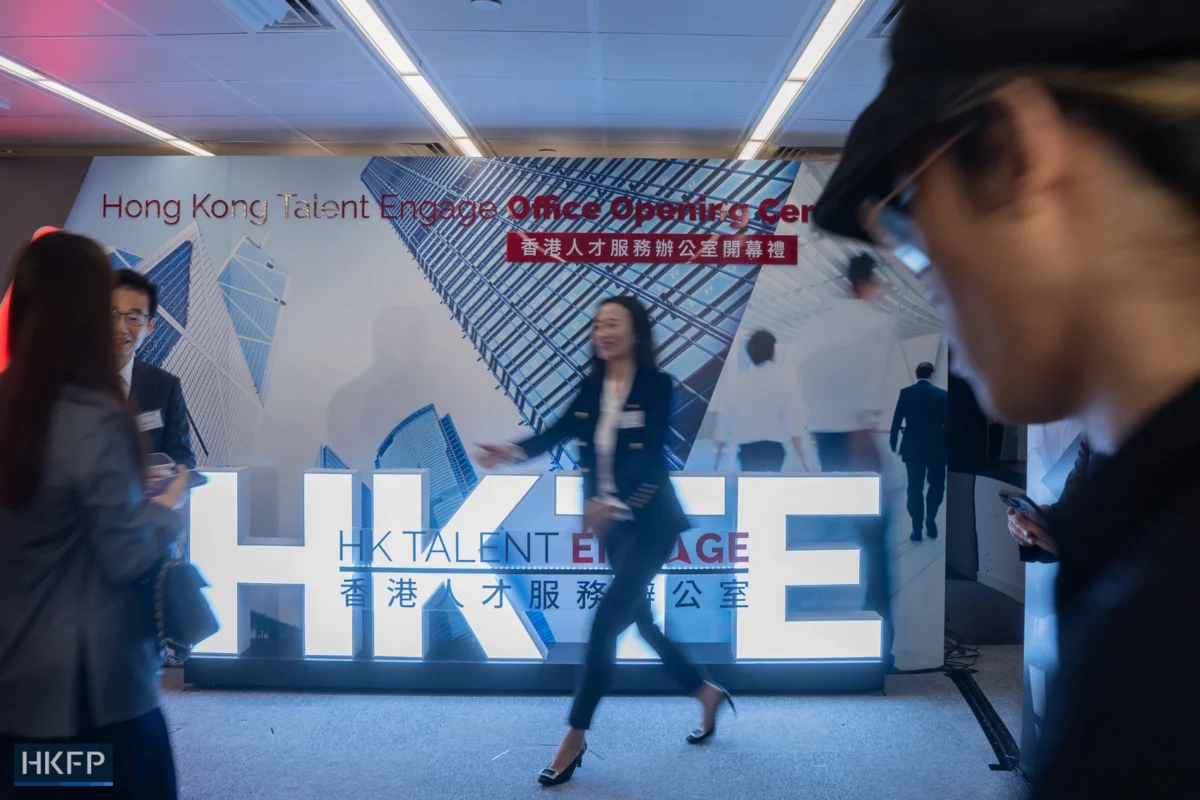
Hong Kong is poised to face a significant manpower deficit of approximately 130,000 individuals by the year 2028, according to updated projections from the Labour and Welfare Bureau. This revised figure represents a notable decrease from previous estimates, signaling a potential shift in the territory’s demographic and economic trajectory. The revelation comes in the wake of Chief Executive John Lee’s unveiling of the city’s inaugural Five-Year Plan and his fifth Policy Address, underscoring the government’s proactive approach to addressing long-term workforce challenges.
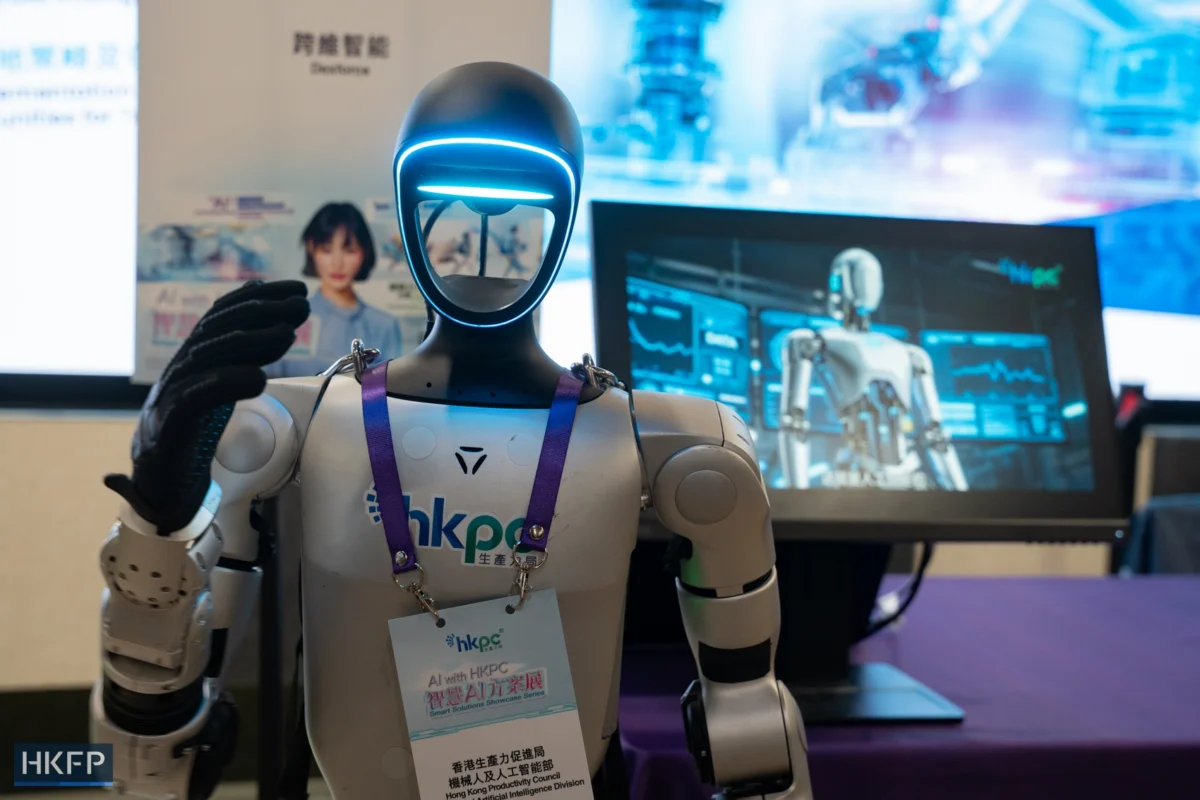
The Labour and Welfare Bureau’s mid-term manpower projection, released during a press conference on Thursday, offers a more optimistic outlook compared to the 2023 figures, which had forecast a shortfall of 180,000 workers for the same period. This downward revision is largely attributed to a strategic pivot in government policy, with a strong emphasis on fostering advancements in artificial intelligence (AI) and aggressively pursuing the attraction of high-caliber talent from international and mainland Chinese markets.

Strategic Initiatives Driving Down Projected Shortfall
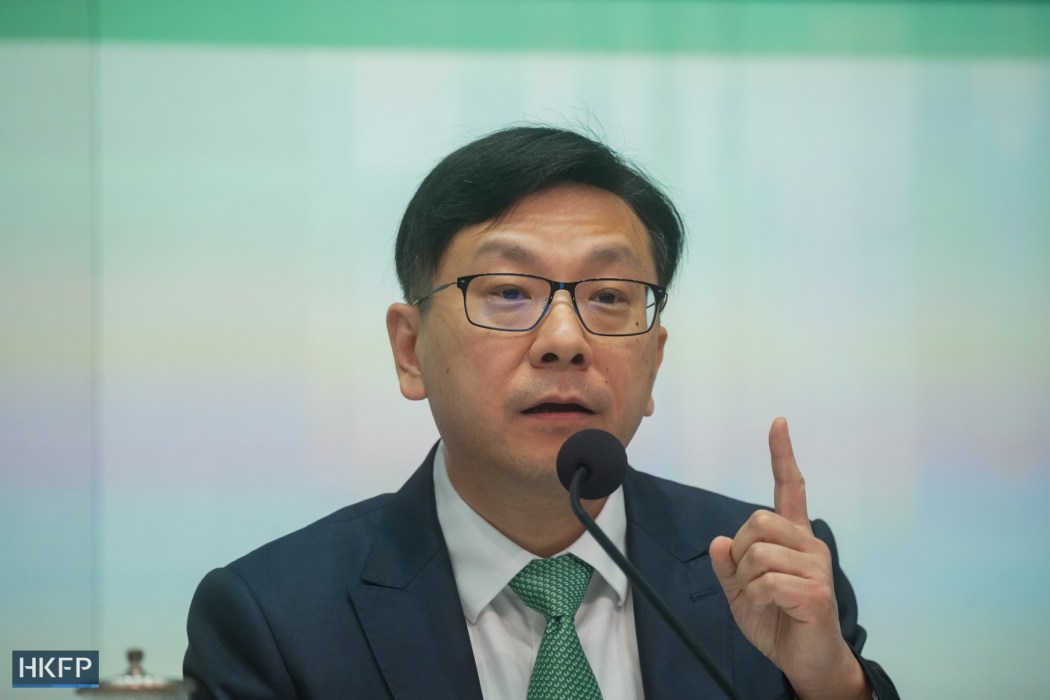
Secretary for Labour and Welfare, Chris Sun, articulated the rationale behind the revised projections, highlighting the pivotal role of government initiatives in mitigating the anticipated labor gap. "Our proactive measures, particularly in embracing AI development and actively recruiting global talent, are demonstrating tangible results," Sun stated. He further emphasized that without such targeted policies, Hong Kong could have been facing a far more severe deficit.
A cornerstone of this talent attraction strategy is the Top Talent Pass Scheme (TTPS). Introduced to streamline the process for highly skilled professionals and recent graduates from prestigious universities, the TTPS offers relaxed visa requirements, encouraging a influx of qualified individuals. Sun elaborated on the scheme’s impact, asserting that "without initiatives like the Top Talent Pass Scheme, Hong Kong would be around 300,000 workers short in 2028." This stark contrast underscores the effectiveness of the government’s targeted approach to talent acquisition.

Further bolstering the attractiveness of Hong Kong for skilled professionals, the government announced impending relaxations to visa extension requirements for TTPS visa holders. This move is designed to ensure greater retention of talent within the city. Specifically, employees working for start-ups situated within key innovation hubs such as Cyberport, Hong Kong Science Park, and the Hong Kong-Shenzhen Innovation and Technology Park will benefit from simplified renewal processes. These individuals will no longer be required to furnish proof of company revenue when applying for visa extensions, thereby reducing administrative burdens and encouraging long-term commitment.
A Multifaceted Approach to Job Creation and Youth Empowerment
Beyond international talent recruitment, the Hong Kong government is concurrently implementing comprehensive strategies to bolster domestic employment and nurture its young workforce. A significant development was the announcement by Chief Executive John Lee in his Policy Address of a two-year "30,000 Youth Employment and Internship Programme." This ambitious initiative aims to create approximately 30,000 employment and internship opportunities, specifically targeting young individuals who may have limited or no prior work experience.
Complementing this overarching program, the Labour and Welfare Bureau is set to launch a dedicated scheme designed to create around 10,000 new jobs for young people over the next two years. This initiative prioritizes Hong Kong permanent residents under the age of 29, with a deliberate absence of educational prerequisites to ensure broad accessibility. This inclusive approach signals a commitment to providing diverse pathways into the workforce, recognizing that talent and potential exist across various educational backgrounds.
The government’s commitment to job creation extends to fostering collaboration with key industry stakeholders. Secretary Sun revealed that the Labour and Welfare Bureau will partner with six major chambers of commerce, including influential bodies such as the Employers’ Federation of Hong Kong and the Chinese General Chamber of Commerce. The objective of this collaboration is to incentivize major corporations to establish new job openings. The target is ambitious: to generate an additional 5,000 jobs in 2027 and a further 5,000 in 2028. To support these efforts, the government has pledged to subsidize one-third of the salaries for these newly created positions, provided that they offer employment terms of at least six months. This financial incentive aims to de-risk job creation for businesses and stimulate economic activity.
Historical Context and Evolving Labor Demands

Hong Kong has historically relied on a robust and adaptable workforce to fuel its status as a global financial and trade hub. The city’s economic model, characterized by its service-oriented industries, has always been sensitive to shifts in labor supply and demand. The current projections of a manpower shortage, though reduced, still underscore a critical juncture for the territory.
In previous decades, Hong Kong experienced periods of significant economic expansion that often outpaced domestic labor supply, leading to reliance on imported labor in certain sectors. However, demographic shifts, including an aging population and declining birth rates, have contributed to a more complex labor market dynamic. The COVID-19 pandemic further exacerbated these challenges, leading to talent emigration and disruptions in labor flows.
The government’s renewed focus on talent attraction and development can be seen as a direct response to these evolving pressures. The emphasis on AI and innovation reflects a forward-looking strategy to not only fill existing gaps but also to position Hong Kong at the forefront of emerging industries, thereby creating high-value jobs for the future.

Analysis of Implications and Future Outlook
The projected reduction in the manpower deficit from 180,000 to 130,000 by 2028 is a positive development, indicating that the government’s multi-pronged strategy is beginning to yield results. The successful implementation of the TTPS and the forthcoming relaxations for visa renewals are crucial for attracting and retaining international talent. These measures are vital for sectors that require specialized skills and are facing global competition for qualified professionals.
The "30,000 Youth Employment and Internship Programme" and the associated job creation schemes are equally important for addressing the challenges faced by young job seekers. By providing entry-level opportunities and financial support for employers, the government aims to cultivate a new generation of skilled workers and foster a sense of economic inclusion. This focus on youth employment is critical for long-term social stability and economic growth.

However, the success of these initiatives will depend on several factors. Firstly, the global economic climate and the continued attractiveness of Hong Kong as a place to live and work will play a significant role in talent acquisition. Secondly, the ability of local businesses to adapt and create meaningful, sustainable employment opportunities will be paramount. Furthermore, continuous monitoring and evaluation of these programs will be necessary to ensure their effectiveness and to make necessary adjustments in response to changing market conditions.
The government’s commitment to creating 10,000 new jobs through partnerships with chambers of commerce, with a one-third salary subsidy, is a substantial intervention. This demonstrates a willingness to share the financial burden of job creation, thereby incentivizing companies to expand their workforce. The requirement for employment terms of at least six months ensures that these jobs offer a degree of stability for the recipients.
Looking ahead, Hong Kong’s ability to navigate its manpower challenges will be a key determinant of its future economic competitiveness. The current strategy appears to be a balanced approach, addressing both the immediate need for skilled workers and the long-term development of its domestic talent pool. The integration of AI into the economy also presents an opportunity to enhance productivity and create new job roles, though it will also necessitate upskilling and reskilling initiatives for the existing workforce.

The government’s proactive stance, as evidenced by these recent announcements and policy shifts, suggests a commitment to adapting to the evolving economic landscape. The coming years will be critical in assessing the full impact of these measures on Hong Kong’s labor market and its broader economic prosperity. The ongoing efforts to attract talent, empower youth, and foster innovation are vital steps in ensuring the city’s continued relevance as a dynamic and thriving global metropolis.


 Evan Lee Salim
 Azzam Bilal Chamdy