 Lina Hope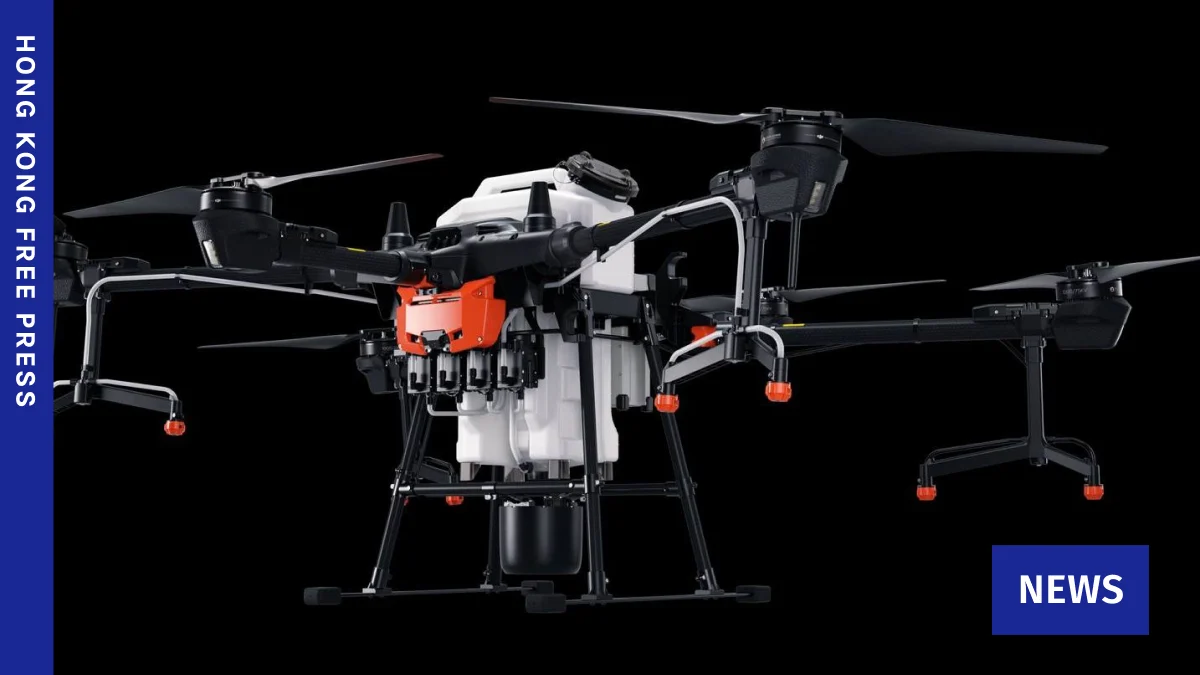
Beijing will ban the possession of drones within city limits under new rules from November, further tightening regulations that already prohibited the sale of the devices. The stringent measures, announced on Sunday and set to take effect on November 15, represent a significant escalation in the capital’s efforts to control the proliferation and use of unmanned aerial vehicles (UAVs) amidst growing security concerns. The new regulations forbid not only the possession and storage of drones within Beijing but also explicitly ban their flights in the city’s airspace. Furthermore, the transportation of drones or their individual components into the capital will also be prohibited, indicating a comprehensive approach to eradicating their presence.
The tightening of drone regulations in Beijing comes as the city grapples with heightened security imperatives. The municipal government, in formulating these new rules, cited the overarching need to "safeguard the security of the capital." This directive underscores a perceived vulnerability or threat associated with drone technology within the densely populated metropolis of 22 million residents. The urgency behind these measures may be amplified by recent incidents that have brought airspace safety to the forefront of public and official attention. A stark reminder of potential aerial hazards occurred in June when a small plane crashed into one of Beijing’s tallest skyscrapers, resulting in the tragic death of the pilot and injuring 13 others. While not directly linked to drones, such events inevitably trigger a re-evaluation of airspace management and the potential risks posed by any form of aerial activity.

This latest decree builds upon a series of progressively restrictive policies implemented in recent months. In May, Beijing had already introduced rules that prohibited the sale of drones within the city. Prior to that, owners were mandated to register their devices, though they were still permitted to retain possession. The November 15 deadline signifies a decisive shift from registration and sale restrictions to a complete prohibition on ownership and operation within the capital.
Escalating Control: A Timeline of Beijing’s Drone Regulations
The evolution of drone policy in Beijing can be traced through a series of official pronouncements, reflecting an increasing focus on control and security:
- Prior to May [Year Not Specified in Original Source]: Initial regulations likely governed drone operations, potentially requiring permits for certain types of flights or usage. However, widespread possession and sales were likely permitted.
- May [Year Not Specified in Original Source]: Beijing introduced significant new rules prohibiting the sale of drones within the city limits. This marked the first major step in restricting access to the technology. Existing owners were required to register their devices, indicating a move towards tracking and monitoring.
- June [Year Not Specified in Original Source]: A civilian aircraft crashed into a skyscraper in Beijing, raising concerns about airspace safety and the potential for accidents involving aerial vehicles. While not directly related to drones, the incident likely contributed to a broader reassessment of security protocols.
- Sunday [Date Not Specified in Original Source]: The Beijing municipal government announced a comprehensive ban on the possession and operation of drones within the capital, with a strict deadline of November 15 for compliance. This represents the most stringent measure to date, moving beyond sales and registration to outright prohibition.
The New Mandate: Disposal, Relocation, or Face Penalties
Under the new regulations, all drone owners in Beijing are required to either dispose of their devices or move them out of the capital by the November 15 deadline. Failure to comply with these directives will result in the confiscation of the drones and the imposition of fines. Recognizing the potential burden on existing owners, authorities are providing several avenues for compliance, aiming to facilitate the transition and minimize disruption.

To assist owners in relinquishing their drones, the government will offer subsidies for those who choose to scrap their devices. Alternatively, buy-back channels will be established, providing a mechanism for owners to sell their drones. For those who wish to retain ownership but comply with the geographic restrictions, the government will provide free shipping services to mail their drones out of the city. These supportive measures suggest an effort to ensure a smooth transition and encourage voluntary compliance, rather than solely relying on punitive actions.
Rationale and Exemptions: Safeguarding the Capital and Allowing for Essential Use
The stated rationale for these sweeping prohibitions is unequivocally centered on "safeguarding the security of the capital." This broad objective encompasses a range of potential concerns, from preventing unauthorized surveillance and potential disruption to mitigating the risk of malicious use of drone technology. Beijing, as the political and cultural heart of China, is subject to heightened security scrutiny, and any technology that could potentially compromise this security is likely to be viewed with extreme caution.
While the ban is comprehensive, the regulations do acknowledge the necessity of drones for specific, officially sanctioned purposes. Exemptions may be granted for operations related to counter-terrorism efforts, agricultural activities, disaster relief operations, and scientific research. This indicates that the ban is not absolute but is designed to target recreational and potentially unauthorized commercial uses, while still allowing for essential functions that benefit the public good and national security. It is understood that even for these exempted purposes, drone flights in Beijing’s airspace have historically required explicit permission from the authorities, a requirement that will likely continue under the new framework.

Broader Implications and Context
The stringent drone ban in Beijing is indicative of a broader trend in China towards tighter regulation of technology and a heightened focus on national security. In a country that has witnessed rapid technological advancement, including significant growth in the domestic drone manufacturing sector, such measures highlight the government’s commitment to maintaining control over potentially disruptive technologies. Major drone manufacturers, such as Shenzhen-based DJI, the world’s largest drone maker, will undoubtedly feel the impact of these policies, particularly if similar regulations are adopted in other major cities.
The implications of this ban extend beyond Beijing. It sets a precedent for how other Chinese cities might approach drone regulation, potentially leading to a more fragmented and restrictive landscape for drone enthusiasts and businesses across the country. The economic impact on the burgeoning drone industry, which has seen substantial investment and growth, is also a factor to consider. While the government aims to facilitate the disposal of existing drones through subsidies and buy-back programs, the complete prohibition of possession within a major metropolitan area could stifle innovation and market growth within the capital.
Furthermore, the focus on "safeguarding the security of the capital" can be interpreted within the context of China’s broader national security priorities. The government has consistently emphasized the importance of maintaining social stability and preventing any form of dissent or unauthorized activity that could be facilitated by accessible technology. Drones, with their ability to capture aerial footage and potentially deliver payloads, are seen as a dual-use technology with both civilian and security implications.

The ban also raises questions about the balance between security and individual freedoms. While the government prioritizes security, the complete prohibition on possession of a widely adopted consumer technology raises concerns among hobbyists and professionals alike. The provision for exemptions for specific critical sectors suggests a pragmatic approach, acknowledging the utility of drones while prioritizing perceived threats.
Supporting Data and Industry Context
China is a global leader in drone manufacturing, with companies like DJI dominating the international market. The country’s drone industry has seen exponential growth in recent years, driven by both domestic demand and export markets. According to industry reports, the Chinese drone market is projected to reach significant valuations in the coming years, with applications spanning consumer, commercial, and military sectors. The widespread adoption of drones for aerial photography, videography, inspections, agriculture, and delivery services has become increasingly common.
The value of the global commercial drone market was estimated to be in the tens of billions of dollars, with China playing a pivotal role in its expansion. The imposition of such strict regulations in its capital city, however, could have a ripple effect, influencing not only domestic market dynamics but also international perceptions of China’s regulatory environment for advanced technologies. The government’s efforts to manage this technological frontier underscore the complex interplay between innovation, security, and governance in contemporary China. The financial incentives offered for drone disposal or relocation suggest a significant number of devices are currently in circulation within Beijing, highlighting the scale of the regulatory challenge.

The regulations aim to ensure that any aerial activity within Beijing’s airspace is strictly controlled and monitored, aligning with the government’s broader strategy of maintaining a secure and stable environment. The November 15 deadline is a clear signal of intent, leaving little room for ambiguity regarding the capital’s stance on civilian drone ownership and operation. The future of drone use in Beijing will likely be confined to highly regulated, government-approved applications, reflecting a decisive shift towards centralized control in the management of this rapidly evolving technology.

 Sagoh
Sagoh
 Azzam Bilal Chamdy