Muslim
The People’s Republic of China has unveiled a comprehensive legislative draft aimed at curbing the escalating issue of online harassment, defamation, and the spread of malicious information. This new Draft Cyberviolence Law represents a significant escalation in the state’s efforts to regulate the digital sphere, moving beyond temporary guidelines into a permanent, high-stakes legal framework. By defining cyberviolence with greater precision and imposing heavy financial and operational penalties on both individuals and internet service providers, the draft seeks to create a "positive online ecology" while strengthening the protections afforded to the reputation, privacy, and personal information of Chinese citizens and organizations.
Comprehensive Legal Definitions and Jurisdictional Reach
The draft law provides a rigorous definition of cyberviolence, categorizing it as the use of the internet to harm the lawful rights and interests of others through concentrated or sustained activities. Under Article 2, this includes the publication of insults, rumor-mongering, defamation, and incitements to hatred, as well as the illegal disclosure of personal information—often referred to as "doxxing." Crucially, the law also targets "continuous online intimidation and harassment," addressing the persistent nature of digital mobs that have, in recent years, led to severe psychological distress and even tragedy for victims.
A notable feature of the draft is its extraterritorial ambition. Article 3 stipulates that the law applies not only to activities within mainland China but also to overseas organizations or individuals who target victims within Chinese territory. This provision suggests that the Chinese government intends to hold international actors accountable if their digital activities are deemed to constitute cyberviolence against Chinese residents, potentially complicating the legal landscape for cross-border digital services.
Strengthening Platform Accountability and AI Regulation
Under the proposed legislation, the burden of prevention shifts heavily onto online service providers. Article 11 and Article 12 mandate that platforms must establish robust systems for user registration, real-name identity verification, and information review. If a user refuses to provide their real identity, the platform is legally prohibited from granting them access to information publication or instant messaging services.
Furthermore, the draft law places a high premium on technological intervention. Article 13 requires platforms to develop "cyberviolence marker pools" and "early-warning models" using artificial intelligence and big data. Platforms must proactively monitor for risks and, upon discovery, are forbidden from using recommendation algorithms to amplify the reach of such content. In a direct nod to the rise of synthetic media, the law also requires the labeling of AI-generated content to enhance the ability to track the source of cyberviolence.
Platforms that fail to fulfill these obligations face severe consequences. Article 49 outlines a tiered penalty system: initial fines for service providers can range from 50,000 to 500,000 RMB. However, for "especially serious" cases or those where the platform refuses to make corrections, fines can skyrocket to 10 million RMB (approximately $1.4 million USD). Beyond financial penalties, the state reserves the right to order the suspension of operations, revoke business licenses, and hold individual managers personally liable with fines of up to 1 million RMB.
Judicial Protections and Public Interest Litigation
The draft introduces innovative judicial mechanisms to provide immediate relief to victims. Article 37 allows individuals to apply for an "injunction against harm to personality rights" if they can show that imminent cyberviolence would cause irreparable harm. This mechanism is designed to act faster than traditional litigation, allowing courts to order the cessation of harmful conduct before it spirals out of control.

In cases involving the "national interest or societal public interest," the People’s Procuratorates are empowered to initiate public interest litigation. This is particularly relevant for cases of online insult or defamation that "seriously impact social order." By allowing the state to take the lead in prosecution, the law lowers the barrier for victims who might otherwise lack the resources to pursue a private prosecution against a faceless digital mob.
Chronology of Regulatory Evolution
The introduction of this draft law is the culmination of several years of increasing regulatory pressure on the Chinese internet.
- Early 2022: The Cyberspace Administration of China (CAC) launched the "Operation Qinglang" campaign, specifically targeting online rumors and "fandom culture" toxicity.
- June 2023: The Supreme People’s Court, the Supreme People’s Procuratorate, and the Ministry of Public Security released a set of draft guidelines for public comment, signaling a unified judicial approach to cyberviolence.
- September 2023: Official judicial opinions were finalized, clarifying that "insult" and "defamation" in the digital space could be prosecuted as criminal offenses under certain conditions.
- Current Phase: The transition from judicial "opinions" to a formal "Draft Cyberviolence Law" marks the final step in institutionalizing these rules into the national legal code, providing a more stable and powerful basis for enforcement.
Supporting Data: The Scale of the Digital Challenge
The necessity of this law is underscored by the sheer scale of China’s internet population. According to the 53rd Statistical Report on China’s Terrestrial Development, the number of internet users in the country reached 1.092 billion as of December 2023. With an internet penetration rate of 77.5%, the digital space has become the primary arena for social interaction and public discourse.
However, this growth has been accompanied by a rise in digital conflict. Data from various provincial courts in China indicated a 20% to 30% year-on-year increase in cases involving "disputes over the right to reputation" and "privacy violations" between 2021 and 2023. High-profile cases, such as the tragic death of a young man who was bullied online after seeking his birth parents, or the harassment of a young woman for having pink hair in her graduation photos, have sparked national outrage and catalyzed the demand for more stringent legal protections.
Official Responses and Stakeholder Reactions
While the government maintains that the law is essential for "preserving national security and the societal public interest," the reaction from the tech industry and legal scholars is more nuanced.
Government Perspective: Spokespersons for the CAC have emphasized that the law is not intended to stifle legitimate criticism or public oversight. Article 59 explicitly states that the law does not apply to those "lawfully reporting or exposing others’ violations" or implementing "public opinion oversight." The focus, officials say, is on malicious, organized, and sustained attacks.
Industry Response: Large tech companies have expressed concerns regarding the technical feasibility of real-time "cyberviolence identification." While firms like Tencent and ByteDance have already implemented "one-click protection" features, the draft law’s requirement to "dynamically verify real names" of irregular accounts adds a layer of operational complexity and cost. Industry associations have called for clearer "technical standards" to ensure that the AI-driven monitoring required by Article 13 does not result in over-censorship or the accidental blocking of benign speech.

Legal Analysts: Some legal experts have lauded the inclusion of "Multi-Channel Network" (MCN) accountability in Article 34. MCNs—agencies that manage influencers—are often accused of orchestrating "marketing hype" and "inciting fans" to attack rivals. By holding these agencies liable for the conduct of their signed accounts, the law targets the commercial incentives that often drive cyberviolence.
Broader Implications and Societal Impact
The Draft Cyberviolence Law is likely to have far-reaching implications for the Chinese digital economy and social fabric. By integrating cyberviolence violations into the "List of Seriously Untrustworthy Entities" (Article 55), the law ties digital behavior to the broader Social Credit System. Individuals or organizations found guilty of cyberviolence could find themselves banned from registering new accounts or restricted from using certain online services for years, effectively resulting in a "digital death sentence."
Furthermore, the emphasis on "Socialist Core Values" in Article 4 suggests that the internet will increasingly be viewed as a space for "uplifting culture." This may lead to a more sanitized online environment where confrontational discourse is treated with extreme caution by both users and platform moderators.
The law also places a significant responsibility on the education system and guardians. Articles 28 and 29 require schools to include anti-cyberviolence training in their curricula and mandate that parents oversee their children’s internet usage. This holistic approach suggests that the Chinese government views cyberviolence not just as a legal problem, but as a systemic social issue that requires intervention at the level of the family and the classroom.
As the draft moves toward final adoption, it stands as one of the world’s most aggressive attempts to legislate digital civility. While it offers a powerful shield for victims of online abuse, the broad definitions and heavy platform obligations ensure that the "Great Firewall" will soon be complemented by an equally formidable "Civility Firewall," fundamentally altering how a billion people interact in the world’s largest digital marketplace.


 Nana Muazin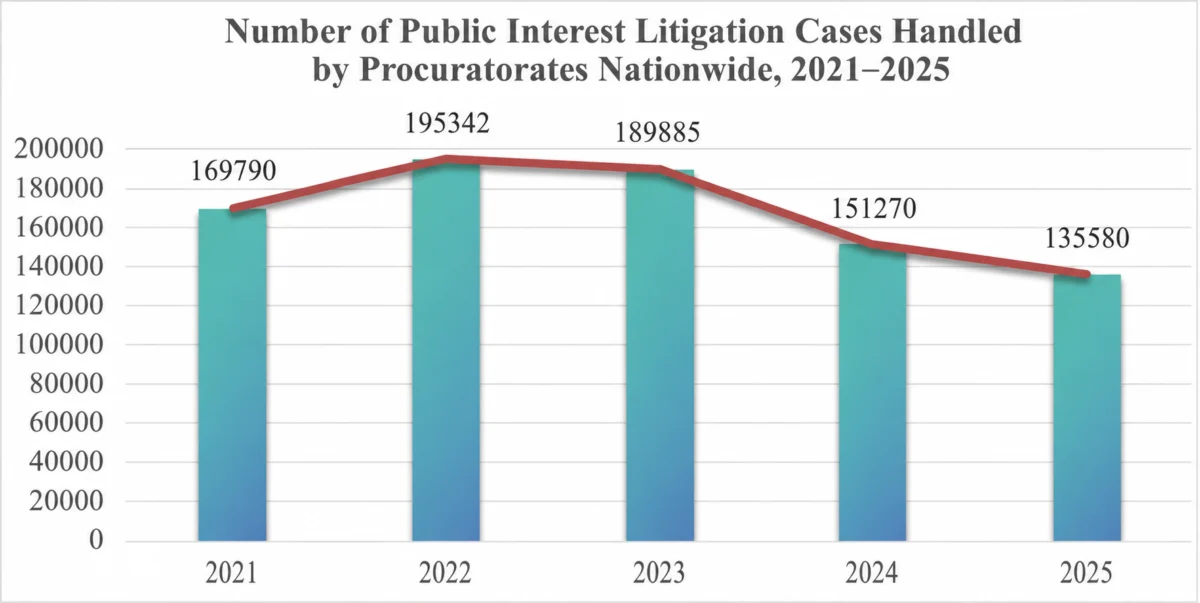
 Jia Lissa