Nana Muazin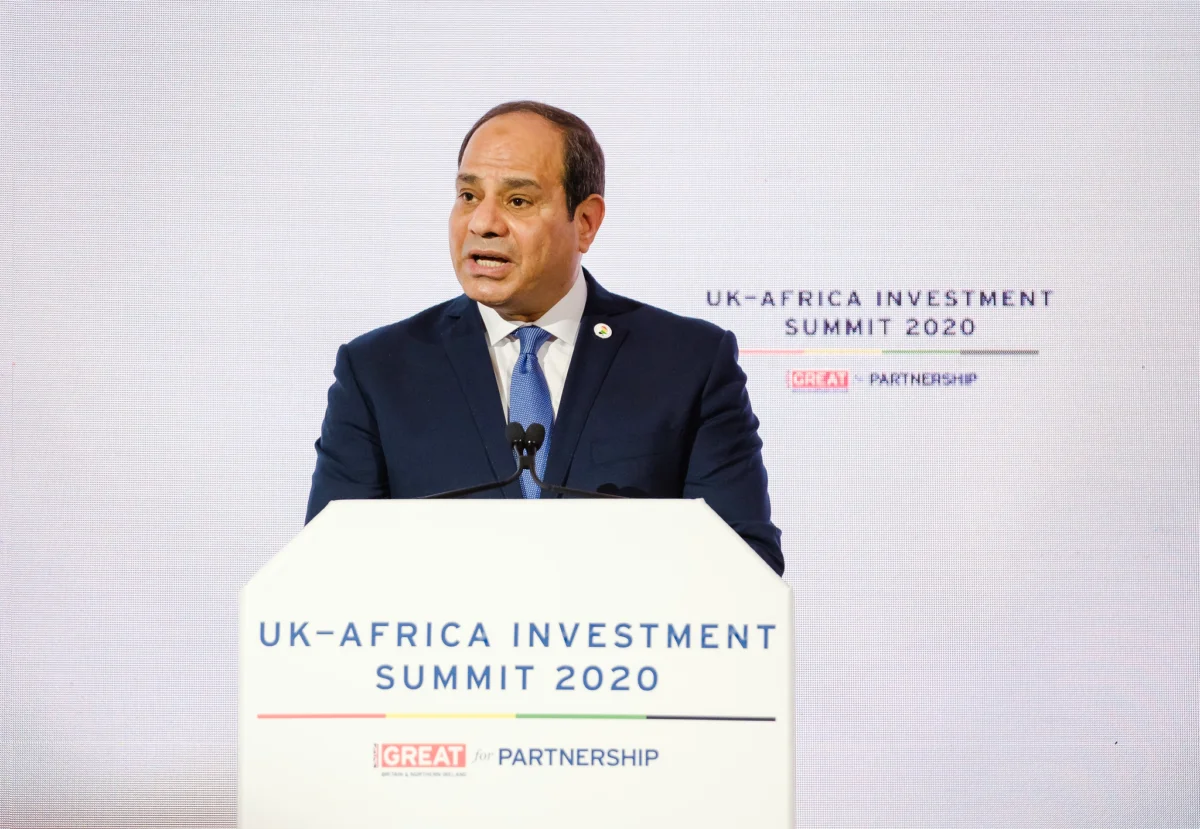
Chinese President Xi Jinping arrived in Cairo on Wednesday, September 2, 2026, marking his first visit to Egypt in a decade. The high-profile engagement with Egyptian President Abdel Fattah al-Sisi signals Beijing’s strategic intent to deepen its footprint in the Middle East, a region increasingly shaped by the ongoing US-Iran war and its far-reaching geopolitical and economic repercussions. The visit comes as China seeks to consolidate alliances and safeguard its interests, particularly concerning global maritime trade routes, which have been severely impacted by recent regional conflicts.
The day commenced with a ceremonial 21-gun salute at Cairo’s historic Ittihadiya Palace, a traditional mark of respect reserved for heads of state. This grand reception heralded a packed agenda of discussions anticipated to encompass the volatile Middle East conflict, its cascading effects on maritime trade security through vital waterways like the Suez Canal, and ambitious plans to significantly boost Chinese investment in Egypt, the Arab world’s most populous nation. The two leaders are expected to formalize a series of bilateral economic agreements spanning critical sectors such as artificial intelligence, transport infrastructure, and manufacturing, reflecting a concerted effort to foster technological advancement and industrial growth in Egypt.

Deepening Economic Ties and Strategic Investments
Egypt currently estimates the total volume of Chinese investments within its borders at approximately US$10 billion, a figure poised for substantial growth following the outcomes of this summit. Beijing’s strategic investments are prominently featured in the Suez Canal Economic Zone (SCZONE), a critical global trade artery. These stakes are projected to expand further as the prolonged US-Iran war continues to threaten global maritime trade, making stable and secure shipping lanes through the Suez Canal more crucial than ever. China, a global manufacturing powerhouse, relies heavily on these routes for its vast export and import operations.
Beyond the Suez Canal, Chinese capital has been instrumental in realizing President Sisi’s ambitious national development megaprojects. The most emblematic of these is the New Administrative Capital (NAC), situated 50 kilometers (30 miles) east of Cairo. This monumental undertaking, designed to alleviate congestion in the historic capital and serve as a modern administrative and financial hub, has seen large swathes of its development bankrolled by significant Chinese investment and expertise. These projects underscore China’s role not just as an investor but as a key partner in Egypt’s Vision 2030, which aims to diversify the economy and improve infrastructure.

The trade relationship between the two nations is robust, with China standing as a major exporter to Egypt. Chinese customs data for the first seven months of 2026 revealed a substantial trade surplus in China’s favor, reaching US$12 billion. This reflects a dynamic and growing commercial exchange, albeit one where Egypt largely acts as an importer of Chinese goods and technologies.
A Grand Welcome and Diplomatic Pomp
The importance of Xi’s visit was visually manifest across Cairo, a megalopolis home to over 26 million people. Major thoroughfares were festooned with a vibrant display of Chinese and Egyptian flags, while towering billboards showcased the images of Presidents Sisi and Xi, symbolizing the warmth and significance of the bilateral relationship. Street signs proudly proclaimed "generations of Egyptian-Chinese friendship flowing like the Nile River," invoking a powerful cultural metaphor to underscore the enduring bond between the two ancient civilizations. Residents, anticipating the extensive motorcade movements and security protocols, were advised to plan for significant traffic delays on their daily commutes, a testament to the scale of the diplomatic event.

President Xi’s itinerary for the day was comprehensive, designed to highlight both the strategic and cultural dimensions of the visit. After the formal talks at Ittihadiya Palace, he was expected to traverse the capital, culminating in a highly symbolic stop at the Grand Egyptian Museum. Overlooking the majestic Giza Pyramids, this visit underscored the cultural reverence and shared historical appreciation that forms a bedrock of the two nations’ ties.
Egypt’s Assertive Independent Foreign Policy
Analysts view the summit as a crucial platform for Cairo to underscore its strategic autonomy on the global stage. By actively engaging with both Washington and Beijing, Egypt aims to demonstrate its capacity to leverage close ties with major world powers without being beholden to any single bloc. This "independent foreign policy" was a central theme in an op-ed penned by President Sisi, published in Egyptian media on Tuesday, ahead of Xi’s arrival.

In his commentary, Sisi emphasized Cairo’s commitment to "strengthening the role of the global south" in an increasingly polarized international environment. This aligns perfectly with China’s own narrative of fostering a multipolar world order and enhancing the collective voice of developing nations. Both Egypt and China are prominent members of the BRICS grouping, an economic bloc that has recently expanded to include several Global South countries, further solidifying their shared vision for international relations.
The timing of Sisi’s op-ed was particularly pertinent, coming just days after the Emirati branch of Egypt’s second-largest bank, Banque Misr, was targeted by US sanctions. Washington had intensified its vow the previous month to economically isolate Iran, threatening expanded sanctions that could potentially impact banks, including Chinese institutions, engaged in transactions with Tehran. China, a significant buyer of Iranian oil, has consistently articulated its determination to safeguard its legitimate interests amidst these pressures, highlighting a point of divergence with US foreign policy.
Geopolitical Balancing Act and Security Cooperation

The backdrop of the US-Iran war adds a layer of complexity and urgency to the bilateral discussions. The conflict has not only disrupted vital shipping lanes in the Red Sea but also exacerbated regional tensions, prompting a re-evaluation of security alliances and economic dependencies. China’s increased engagement in Egypt, a traditional ally of the United States and a major recipient of US military aid, sends a clear signal about Beijing’s expanding geopolitical ambitions in a region historically dominated by Western influence.
Egypt, under President Sisi’s administration, has emerged as one of the world’s top weapons buyers, demonstrating a proactive approach to enhancing its defense capabilities. In a significant display of burgeoning security cooperation, Egypt hosted major joint air combat exercises with the Chinese military in August, just weeks before Xi’s visit. These exercises featured Beijing’s powerful J-16 fighter jet, showcasing a notable advancement in military collaboration and a diversification of Egypt’s defense partnerships. Such exercises indicate a deeper level of trust and strategic alignment than purely economic ties alone.
The summit also takes place in the lead-up to an expected meeting between President Xi and US President Donald Trump later this month. China’s efforts to shore up ties with US-friendly regional nations like Egypt can be interpreted as a strategic move to strengthen its diplomatic hand and present a unified front on key international issues, particularly those concerning trade and regional stability, ahead of high-stakes discussions with Washington. Egypt, with its historical role as a key Middle East mediator, offers China a valuable partner in navigating the intricate geopolitical landscape.

Historical Context and Future Outlook
The relationship between Egypt and China dates back centuries, characterized by cultural exchange and diplomatic engagement along ancient trade routes. In modern times, diplomatic relations were formally established in 1956, making Egypt the first Arab and African nation to recognize the People’s Republic of China. Over the decades, this relationship has evolved from ideological solidarity during the Cold War to a pragmatic partnership focused on economic development and infrastructure.
China’s Belt and Road Initiative (BRI), launched in 2013, has provided a significant framework for accelerating Chinese investment in Egypt. Egypt, strategically located at the crossroads of Africa, Asia, and Europe, and home to the Suez Canal, is a pivotal node in the maritime Silk Road. BRI projects have included port developments, industrial parks within the SCZONE, and critical infrastructure, all contributing to Egypt’s aspirations to become a regional logistics and manufacturing hub.

Looking ahead, President Xi’s visit is expected to solidify the trajectory of a deepening strategic partnership between Egypt and China. For Egypt, this means continued access to much-needed foreign investment, technological expertise, and a powerful diplomatic ally on the world stage, especially as it navigates economic challenges and regional instability. For China, it represents a significant step in expanding its influence in a vital geopolitical region, securing its trade routes, and promoting its vision for a multipolar global order through platforms like BRICS.
While the strengthening ties offer substantial economic benefits for Egypt, they also present a delicate balancing act. Cairo must carefully manage its relationships with traditional Western allies, particularly the United States, which remains a key security and economic partner. The US sanctions on Banque Misr serve as a stark reminder of the potential complexities arising from Egypt’s pursuit of an independent foreign policy. However, the comprehensive nature of the agreements and the high-level diplomatic engagement during Xi’s visit unequivocally demonstrate Egypt’s determination to diversify its partnerships and chart its own course in an increasingly complex and interconnected world. The outcome of these discussions will not only shape the future of Egypt-China relations but also send ripples across the Middle East and the broader international system.

 Sagoh
Sagoh
 Asro
Asro