Suro Senen
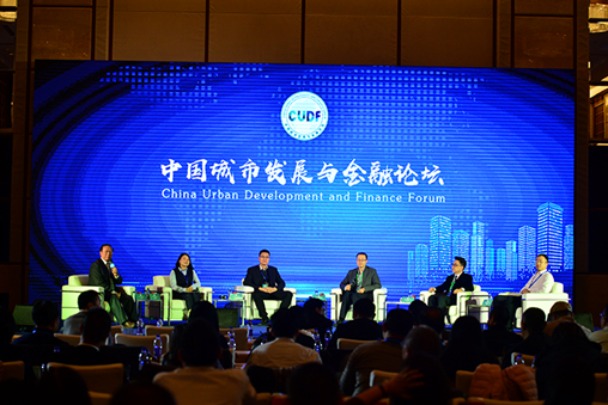
A pivotal gathering of urban planners, financiers, and industry leaders convened in Beijing on Saturday, December 9, 2017, for the China Urban Development and Finance Forum. Sponsored by Shunxin Construction, the forum aimed to galvanize a collective awareness and foster actionable strategies for greener, more sustainable trajectories in urban development. This event underscored China’s evolving approach to its unprecedented urbanization drive, signaling a national pivot towards quality, ecological integrity, and inclusive growth, particularly in the wake of the 19th National Congress of the Communist Party of China (CPC).
China’s Urbanization Journey: A Decade of Transformation and Challenge
China’s rapid urbanization has been one of the most significant demographic and economic phenomena of the 21st century. Beginning in the late 1970s with economic reforms, the nation embarked on an ambitious journey that saw its urban population surge from less than 18 percent in 1978 to over 50 percent by 2010, and approximately 58.52 percent by the end of 2017. This swift demographic shift lifted hundreds of millions out of poverty and fueled decades of economic growth, transforming vast rural landscapes into bustling metropolises.
However, this rapid expansion also brought a cascade of challenges. Overcrowding in mega-cities strained infrastructure and public services, leading to issues like traffic congestion, housing shortages, and increased pressure on healthcare and education systems. Concurrently, many second- and third-tier cities, while growing, often faced issues of unbalanced development, industrial overcapacity, and environmental degradation. Air and water pollution became critical concerns, alongside the depletion of natural resources and the loss of cultural heritage in the rush to modernize. The forum’s timing was particularly pertinent, coming shortly after the 19th CPC Congress, which had emphatically reiterated the nation’s commitment to "ecological civilization" and "new-type urbanization" – a paradigm shift from speed and scale to quality and sustainability.

Embracing a New Development Philosophy: Innovative, Coordinated, Green, Open, and Shared
At the heart of the forum’s discussions was the guiding philosophy of urban development characterized by five key tenets: "innovative, coordinated, green, open, and shared by all." This framework, a cornerstone of national policy, seeks to reorient urban planning and governance towards a more holistic and human-centric model.
- Innovative: This pillar emphasizes technological advancement, smart city solutions, and creative problem-solving in urban management, infrastructure development, and service delivery. It encourages research and development, fostering an environment where new ideas can flourish to address complex urban challenges, from traffic management to waste disposal and energy efficiency.
- Coordinated: This aspect stresses integrated planning across different sectors and regions, breaking down administrative silos. It calls for better synergy between economic development, social progress, and environmental protection, ensuring that growth in one area does not come at the expense of another. Regional coordination is also vital, promoting balanced development between urban and rural areas, and among different city tiers.
- Green: Perhaps the most critical element in addressing China’s environmental legacy, "green" development mandates ecological protection, resource conservation, and the promotion of low-carbon lifestyles. This includes developing green buildings, expanding urban green spaces, improving public transportation, and investing in renewable energy sources. The goal is to build cities that live in harmony with nature, minimizing their ecological footprint.
- Open: This principle advocates for greater openness in urban governance and economic activity. It promotes international cooperation, attracting global talent and investment, and fostering a more inclusive urban environment where diverse ideas and cultures can thrive. Economically, it encourages market-driven solutions and fair competition, while socially, it emphasizes accessibility and equal opportunities for all residents.
- Shared by All: This tenet underscores the importance of equitable development, ensuring that the benefits of urban progress are distributed broadly among all citizens. It aims to reduce social inequalities, improve public services, and create accessible urban spaces that cater to the needs of different demographic groups, including the elderly, children, and people with disabilities. This also involves robust public participation in urban planning decisions.
The forum served as a platform for government officials, enterprise representatives, and academic institutes to explore how these principles could be practically implemented, fostering collaboration for mutually beneficial outcomes.

Shunxin Construction’s Vision for Sustainable Growth
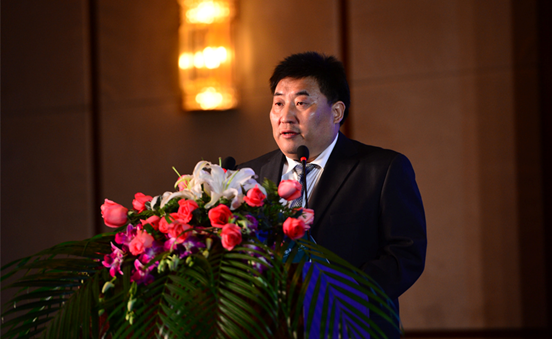
As the sponsor of the event, Shunxin Construction articulated its commitment to spearheading this new paradigm of urban development. Wang Yawei, the board chairman of Shunxin Construction, affirmed the company’s dedication to the "innovative, coordinated, green, open, and shared by all" philosophy. He highlighted the critical role of supply-side reform within the construction sector, emphasizing a shift from traditional, often resource-intensive construction methods to more sustainable, high-quality, and technology-driven approaches. This reform entails focusing on innovation in building materials, energy-efficient designs, and smart construction technologies, thereby not only improving the quality of urban infrastructure but also reducing environmental impact and promoting long-term economic viability.
Echoing this sentiment, Wei Wuqun, General Manager of Shunxin Construction Investment and Fund, underscored the indispensable role of financial innovation in facilitating sustainable urban development and state-owned enterprise (SOE) reform. With China’s vast infrastructure needs and the increasing complexity of urban projects, traditional funding models are often insufficient. Wei Wuqun emphasized that leveraging diverse financial instruments, including public-private partnerships (PPPs), green bonds, and specialized urban development funds, is crucial. These innovative financing mechanisms can mobilize private capital, improve project efficiency, and ensure the long-term sustainability of urban initiatives, aligning with the broader national agenda to make SOEs more market-oriented and efficient.

The Imperative of Urban Restoration: The Sanya Example
A significant portion of the forum was dedicated to the concept of "urban restoration," a holistic approach aimed at revitalizing existing urban environments rather than merely expanding them. Wang Zhongjie from the China Academy of Urban Planning and Design presented a compelling case study, using Sanya in Hainan province as an illustrative example.
Sanya, a renowned tropical resort city, has experienced rapid growth driven by tourism and real estate. However, this growth has also led to challenges such as environmental degradation (e.g., coastal erosion, marine pollution), traffic congestion, and the potential loss of local cultural identity amidst generic modern development. Urban restoration in Sanya, as explained by Wang Zhongjie, involves a multi-faceted strategy:

- Ecological Rehabilitation: Restoring damaged coastlines, protecting coral reefs, improving water quality in rivers and bays, and expanding green spaces within the city. This might involve strict regulations on construction near sensitive ecological zones and investments in advanced wastewater treatment.
- Cultural Preservation: Identifying and conserving historical buildings, traditional neighborhoods, and intangible cultural heritage unique to Sanya. This includes promoting local arts, crafts, and culinary traditions, ensuring that the city’s unique character is not overshadowed by mass tourism.
- Functional Upgrade: Improving existing infrastructure, public services, and urban amenities to enhance residents’ quality of life. This could involve upgrading public transportation, creating more walkable streets, developing community centers, and integrating smart city technologies for better urban management.
- Aesthetic Enhancement: Improving the overall visual appeal of the city, not just through new construction but by harmonizing existing structures with the natural and cultural landscape. This moves beyond superficial beautification to a deeper integration of design principles that reflect local identity and environmental consciousness.
The Sanya example highlighted that urban restoration is not merely about renovation but about a comprehensive rejuvenation that respects ecological limits, celebrates cultural heritage, and prioritizes the well-being of its residents. Representatives from other pilot cities undertaking similar restoration projects also shared their experiences, offering valuable insights into the practical challenges and successes of these initiatives.
Financial Architectures for Sustainable Cities
The forum also delved into the complex interplay between urban development and financial strategies, dedicating one of its two seminars to "smart urban finance." As cities grow, the capital required for infrastructure, public services, and environmental protection becomes immense. Smart urban finance refers to innovative approaches that leverage technology, data analytics, and diverse funding sources to make urban development financially sustainable and efficient.

Key aspects discussed likely included:
- Public-Private Partnerships (PPPs): Encouraging collaboration between government and private entities to fund, build, and operate urban projects, sharing risks and rewards. This mechanism has become increasingly popular in China for large-scale infrastructure and public service projects.
- Green Finance: Developing financial products and services that support environmentally friendly projects, such as green bonds, environmental impact bonds, and carbon trading mechanisms. These tools help channel capital towards sustainable initiatives and incentivize eco-conscious development.
- Data-Driven Investment: Using big data and AI to analyze urban needs, predict growth patterns, and identify optimal investment opportunities, thereby minimizing waste and maximizing impact. This could involve smart city platforms that integrate data from various urban systems.
- Land Value Capture: Mechanisms that allow cities to recover a portion of the increased land value generated by public infrastructure investments, which can then be reinvested in further urban development.
- Digitization of Financial Services: Leveraging fintech to create more efficient and transparent financial flows for urban projects, improving accountability and reducing corruption.
The discussions emphasized that sound financial planning and innovative funding models are not just supportive elements but central pillars of sustainable urban development, enabling cities to invest in their future without incurring unsustainable debt or compromising environmental goals.

Policy Directives and Broader Implications
The China Urban Development and Finance Forum took place against the backdrop of critical national policy shifts outlined by the 19th CPC Congress. The Congress had articulated a vision for China’s future that prioritized "high-quality development" over mere growth figures, placing strong emphasis on environmental protection, innovation, and balanced regional development. The forum’s themes directly aligned with these national directives.
The "urbanization campaign" mentioned in the original article refers to China’s ongoing efforts to manage the growth of its cities strategically. This involves:

- Controlling the uncontrolled expansion of mega-cities: Through stricter planning, developing satellite cities, and improving inter-city transportation to distribute population more evenly.
- Boosting the development of second- and third-tier cities and townships: By improving infrastructure, attracting investment, and enhancing public services to make them more attractive places to live and work, thereby alleviating pressure on larger metropolises and promoting more balanced national development.
- Promoting rural-urban integration: Bridging the development gap between urban and rural areas, ensuring that rural residents also benefit from national progress and have access to quality services.
The forum’s discussions, therefore, were not isolated academic exercises but direct responses to pressing national priorities. The insights shared by representatives from various pilot cities underscored the practical implementation of these policies on the ground, providing valuable lessons for other urban centers across China.
Conclusion: Charting a Course for a Sustainable Urban Future
The China Urban Development and Finance Forum in 2017 represented a significant moment in China’s evolving urban narrative. It reinforced the nation’s commitment to moving beyond the quantitative expansion of cities towards a qualitative enhancement of urban life. By bringing together diverse stakeholders—government, enterprises, and research institutions—the forum fostered a collaborative spirit essential for tackling the multifaceted challenges of modern urbanization.
The emphasis on "innovative, coordinated, green, open, and shared" development, coupled with practical concepts like "urban restoration" and "smart urban finance," laid out a clear roadmap for China’s cities. The implications are profound: a future where urban environments are not just economic powerhouses but also ecological sanctuaries, cultural beacons, and inclusive homes for all their residents. As China continues its journey of modernization, the principles discussed at this forum will undoubtedly guide its cities towards a more sustainable, resilient, and human-centric future, setting a benchmark for urban development worldwide.

 Sagoh
Sagoh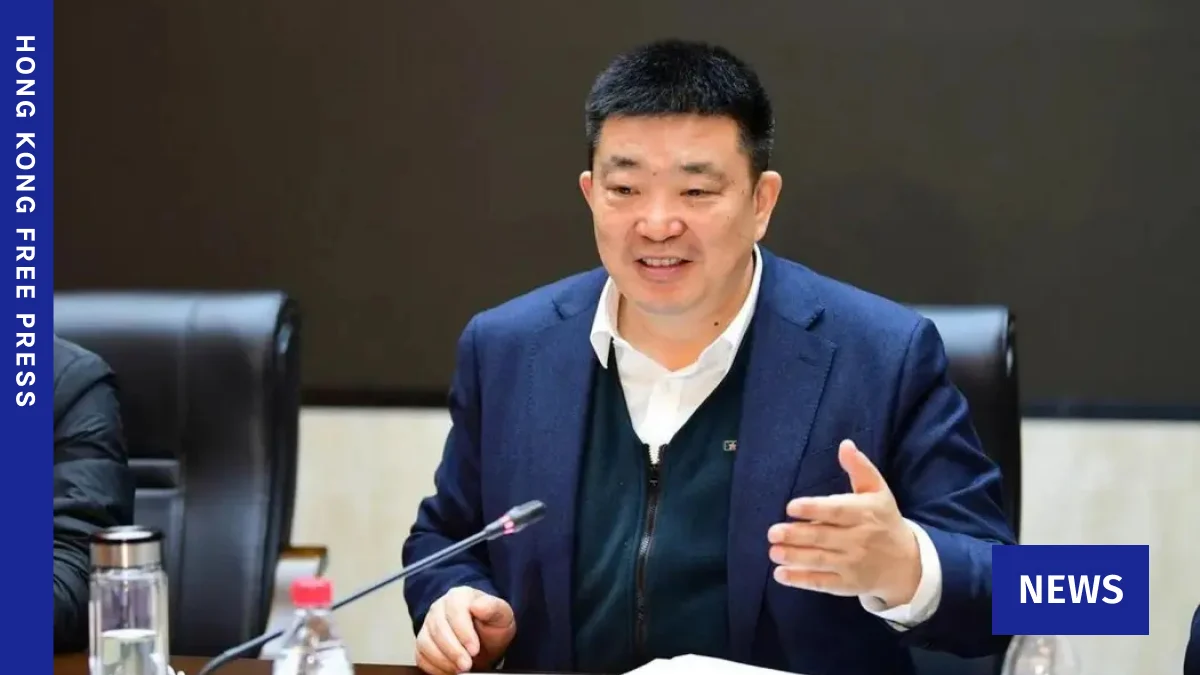
 Asro
Asro