Laily UPN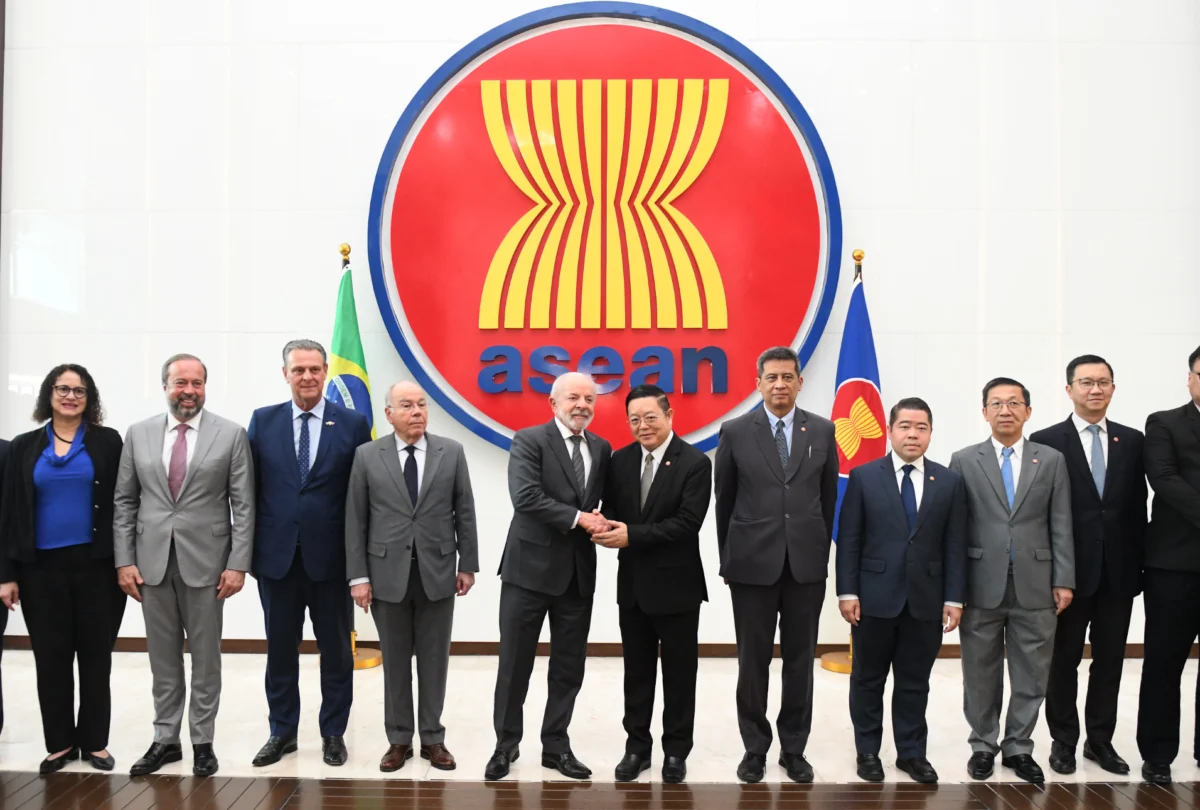
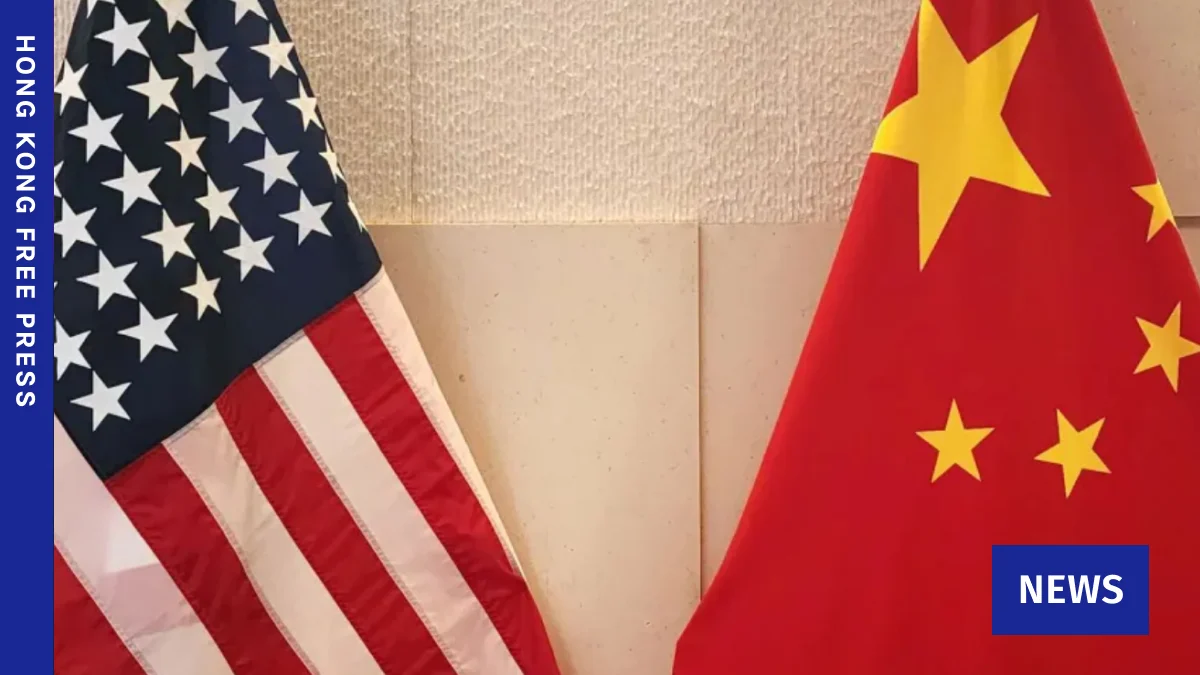
The United States has issued a strong condemnation of what it described as “dangerous and aggressive actions” by China, following a recent maritime clash involving the Philippine navy in the South China Sea. This stern rebuke coincided with the arrival of US Secretary of State Marco Rubio in Manila on Tuesday for a crucial gathering of Southeast Asian nations, underscoring the escalating tensions in the strategically vital waterway and the deepening US commitment to its regional allies. The incident, which reportedly left a Filipino sailor wounded, has reignited concerns about freedom of navigation and adherence to international law in a region already fraught with geopolitical complexities.
Immediate Context: The South China Sea Incident
The catalyst for the latest diplomatic friction was a confrontation on Monday near a disputed outpost in the South China Sea. The Philippine military accused the Chinese coast guard of engaging in aggressive maneuvers that led to the injury of a Filipino sailor. While specific details of the incident remain under investigation, Manila’s account suggests a dangerous escalation of tactics employed by Chinese vessels in their assertion of sovereignty. This incident is far from isolated, fitting into a broader pattern of reported harassment and intimidation tactics by Chinese maritime forces against Philippine vessels, particularly those resupplying troops stationed on the BRP Sierra Madre at Second Thomas Shoal (known as Ayungin Shoal in the Philippines). The shoal, a submerged reef, has been a flashpoint for years, with the Philippines maintaining a small contingent of marines on the deliberately grounded World War II-era warship to assert its territorial claims.

In response to Manila’s accusations, the Chinese coast guard swiftly issued a counter-statement, dismissing the Philippine version of events as a "complete distortion of the truth." Beijing consistently maintains that its actions in the South China Sea are legitimate exercises of sovereignty within what it considers its indisputable maritime territory. This clash of narratives highlights the profound disagreement over historical rights and international law that underpins the territorial disputes in the region. The incident, irrespective of the differing accounts, serves as a stark reminder of the volatile nature of the South China Sea and the potential for miscalculation to trigger wider regional instability.
US Diplomatic Response and Strategic Posture
The US State Department wasted no time in articulating Washington’s stance. In a strongly worded statement, it declared, “China’s troubling pattern of provocations against the Philippines’ legitimate maritime operations undermines regional peace and stability and directly contradicts China’s repeated commitments to resolve disputes peacefully.” This statement not only condemned China’s actions but also reaffirmed the legitimacy of the Philippines’ operations, aligning US diplomatic support with its treaty ally. The condemnation signals a clear US commitment to uphold the rules-based international order, particularly regarding freedom of navigation and overflight, which Washington views as critical to global commerce and security.
Secretary Rubio’s arrival in Manila, immediately following this incident, amplified the gravity of the US response. His visit, his first to the Philippines as Secretary of State, is intended to reinforce the strengthened partnership between the United States and the Philippines. In an op-ed published in Philippine media outlets on Tuesday morning, Rubio explicitly championed Washington’s unwavering commitment “to freedom of navigation in Southeast Asia” and reiterated the robustness of the US defensive umbrella over the region. He warned, in a clear, though indirect, reference to China, that “This freedom is by no means guaranteed. If these waters were to fall under the control of a power willing to use trade as a geopolitical weapon, both the United States and the ASEAN states would face serious new threats to their sovereignty, security, and economic future.” This commentary underscored the economic and security implications of unchecked territorial claims and aggressive maritime behavior, framing the issue as a direct challenge to the prosperity and autonomy of nations in the Indo-Pacific.

Rubio’s Manila Visit and ASEAN Agenda
Secretary Rubio’s agenda in Manila is packed with high-stakes diplomatic engagements. He arrived to attend a meeting of his counterparts from the 11-member Association of Southeast Asian Nations (ASEAN), a critical forum for regional dialogue and cooperation. While his entourage did not publicly confirm a meeting with his Chinese counterpart, Wang Yi, who is also scheduled to be in Manila on Wednesday and Thursday, Secretary Rubio expressed openness to such a possibility. Past encounters, including on the sidelines of the ASEAN summit in Kuala Lumpur last year and in Munich in February, suggest a willingness from both sides to maintain channels of communication despite profound disagreements. Any potential meeting between Rubio and Wang Yi would be closely watched for signs of de-escalation or, conversely, a hardening of positions.
Beyond the ASEAN ministerial, Rubio’s schedule includes a significant meeting with fellow Quad countries: Australia, Japan, and India. The Quad, an informal strategic dialogue, aims to promote a free and open Indo-Pacific, focusing on issues such as maritime security, infrastructure, and vaccine distribution. This meeting on the sidelines of the ASEAN summit will likely see a coordinated expression of concern over the South China Sea tensions and a reaffirmation of the principles of international law. Additionally, Secretary Rubio is slated for bilateral discussions with South Korea and potentially Vietnam, both key partners in the region with their own stakes in maritime security and regional stability. These multilateral and bilateral engagements are central to the US strategy of strengthening alliances and partnerships to counter China’s growing influence and assertiveness.
The Contested Waters: A Deep Dive into the South China Sea Dispute

The South China Sea is one of the world’s most complex and strategically vital maritime regions. Beijing claims "indisputable sovereignty" over almost the entire sea, symbolized by its expansive "Nine-Dash Line" claim, which encompasses vast areas far from its mainland coast. This claim directly conflicts with the territorial and maritime claims of several ASEAN member states, including the Philippines, Vietnam, Malaysia, Brunei, and Indonesia. These overlapping claims cover rich fishing grounds, potentially vast oil and gas reserves, and crucial international shipping lanes through which an estimated one-third of global maritime trade, valued at trillions of dollars annually, passes.
A landmark 2016 ruling by the Permanent Court of Arbitration (PCA) in The Hague, initiated by the Philippines, decisively rejected China’s historical claims under the Nine-Dash Line, finding them to have no legal basis under the United Nations Convention on the Law of the Sea (UNCLOS). The ruling also clarified the legal status of various features, concluding that none of the Spratly Islands are capable of generating an exclusive economic zone (EEZ) or continental shelf. Despite this legally binding international judgment, China has consistently rejected the ruling, dismissing it as "null and void" and continuing to assert its claims through a robust presence of coast guard, militia, and naval vessels, as well as extensive island-building activities on disputed features. This disregard for international law is a core point of contention for the United States and its allies, who advocate for a rules-based order.
The US-Philippines Alliance: A Steadfast Partnership
The recent incident and Rubio’s visit underscore the enduring and strengthening alliance between the United States and the Philippines. Rooted in a 1951 Mutual Defense Treaty (MDT), the alliance obligates both nations to come to each other’s aid in the event of an armed attack. In recent years, under the administration of President Ferdinand Marcos Jr., the alliance has seen a significant revitalization, reversing a period of strained relations. This renewed vigor is particularly evident in enhanced defense cooperation, including through the 2014 Enhanced Defense Cooperation Agreement (EDCA), which grants the US military access to several Philippine bases for training, equipment prepositioning, and humanitarian assistance operations. The US has repeatedly affirmed that its commitment under the MDT extends to Philippine public vessels, aircraft, and armed forces, including its coast guard, anywhere in the South China Sea. This explicit reassurance is crucial for Manila as it faces increasing pressure in the contested waters. Joint military exercises, such as the annual Balikatan (Shoulder-to-Shoulder) drills, have grown in scale and complexity, demonstrating interoperability and a shared commitment to regional security.

China’s Assertions and Regional Dynamics
China views its activities in the South China Sea as legitimate exercises of its sovereign rights and responsibilities. From Beijing’s perspective, the US presence and its diplomatic interventions are seen as external interference designed to complicate the issue and contain China’s rise. China has consistently urged regional countries to resolve disputes bilaterally without the involvement of "extra-regional powers." It maintains that the Nine-Dash Line is based on historical evidence and long-standing administrative control, despite the PCA ruling. China’s growing military and economic might allows it to project power effectively in the region, using its coast guard and maritime militia to enforce its claims, often employing what critics describe as "grey zone" tactics – actions that fall short of armed conflict but are coercive and aggressive. This approach challenges the existing regional security architecture and places immense pressure on smaller claimant states.
ASEAN’s Role and Challenges
ASEAN, as a collective body, strives for regional peace and stability but faces significant challenges in forging a unified response to the South China Sea disputes. While some member states are direct claimants, others are not, leading to diverse interests and priorities. The principle of consensus often slows decision-making, and the economic leverage of China over individual ASEAN nations can complicate a strong, collective stance. ASEAN has been negotiating a Code of Conduct (COC) in the South China Sea with China for years, aiming to establish rules and mechanisms to prevent incidents and manage disputes peacefully. However, progress has been slow, and critics argue that China’s actions on the ground often undermine the spirit of these negotiations. The effectiveness of ASEAN as a regional arbiter is thus constantly tested by the assertive actions of major powers and the divergent interests of its members.

Broader Geopolitical Implications
The ongoing tensions in the South China Sea have far-reaching geopolitical implications. They represent a critical test for the international rules-based order, particularly regarding maritime law and the peaceful resolution of disputes. The outcome of these confrontations will significantly influence the balance of power in the Indo-Pacific, a region increasingly central to global economics and security. For global trade, any sustained disruption to the South China Sea’s shipping lanes could have catastrophic economic consequences, affecting supply chains and commodity prices worldwide. The region’s vast natural resources, particularly fisheries and hydrocarbon reserves, are also at stake, impacting the economic future of claimant states. The US, through its alliances and partnerships, seeks to ensure that no single power dominates this vital commons, advocating for open access and adherence to international norms.
Furthermore, the backdrop of this visit is a broader global landscape of maritime tensions. The article notes that the visit "comes as the United States and Iran are once again embroiled in conflict, more than a week after the resumption of hostilities over another strategic waterway, the Strait of Hormuz." This reference, while not central to the South China Sea narrative, serves as a poignant reminder that vital maritime chokepoints around the world are increasingly becoming arenas for geopolitical contestation, highlighting the global interconnectedness of maritime security challenges.
Economic Diplomacy and Future Engagements

Beyond security concerns, Secretary Rubio’s visit also carries a significant economic dimension. He intends to emphasize US economic commitment to the region, focusing on key sectors such as energy infrastructure, critical minerals, and artificial intelligence during his meetings. This economic diplomacy aims to offer a compelling alternative to China’s Belt and Road Initiative, providing sustainable and transparent development partnerships. By investing in these crucial areas, the US seeks to foster economic resilience among its partners, enhance regional connectivity, and create shared prosperity, thereby strengthening the foundation for long-term strategic cooperation. This holistic approach, combining security assurances with economic partnerships, is central to the US strategy for a free, open, and prosperous Indo-Pacific.
The confluence of a direct confrontation in the South China Sea and a high-level US diplomatic mission underscores the critical juncture at which the Indo-Pacific currently stands. Secretary Rubio’s visit to Manila is not merely a routine diplomatic engagement; it is a clear signal of Washington’s resolve to support its allies, uphold international law, and navigate the complex geopolitical currents of a region vital to global peace and prosperity. The outcomes of these discussions and the responses to the latest maritime incident will undoubtedly shape the future trajectory of US-China relations and the broader security landscape of Southeast Asia for years to come.

 Raul Delapena Setiawan
 Lina Irawan