Ammar Sabilarrohman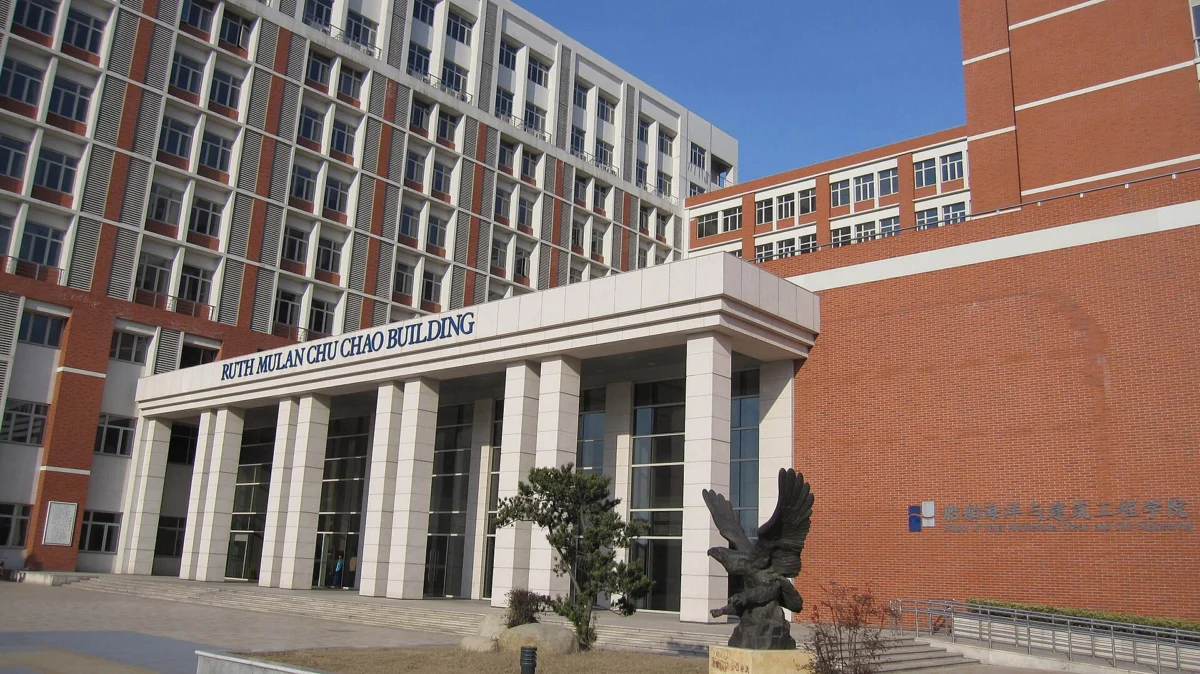
Shanghai Jiao Tong University is currently investigating serious allegations that an experimental gene-editing trial led to the death of a six-year-old girl, a critical outcome that was not disclosed in the subsequent published research. The institution announced its comprehensive inquiry on Sunday, following a damning investigative report that brought the previously hidden fatality to light. This incident casts a significant shadow over China’s burgeoning biotechnology sector and reignites concerns about ethical oversight in advanced medical research.
The young patient, identified by the pseudonym "Mei" to protect her family’s privacy, reportedly died last year, approximately one week after undergoing a highly experimental procedure. This involved a spinal infusion of trillions of viruses, specifically engineered to penetrate the brain, as a treatment for a rare genetic condition. The objective of the experimental gene therapy, as detailed in a joint investigation published by Science and Retraction Watch on Thursday, was to correct a specific genetic mutation believed to be responsible for a severe delay in the child’s cognitive development. This pioneering, yet unproven, approach aimed to rewrite the mutated gene within Mei’s neurons, thereby enabling her body to produce a vital protein that was otherwise deficient.
The Unveiling of a Tragic Omission

The gravity of the situation escalated with the revelation that Neuroscientist Zilong Qiu, the lead researcher behind the experimental treatment, proceeded to publish a paper on related animal studies in the highly prestigious scientific journal Nature. Crucially, this publication made no mention whatsoever of Mei’s death, nor of any human trials. The omission of such a severe adverse event in a research context, especially when it involves human subjects, represents a profound breach of scientific ethics and transparency. The investigative report by Science and Retraction Watch meticulously detailed the circumstances surrounding Mei’s treatment and subsequent death, drawing stark attention to the discrepancy between the published scientific record and the reality of the clinical endeavor.
According to the investigation, the experimental procedure was not part of a formal, institutionally approved clinical trial with robust oversight. Instead, it appeared to be a researcher-initiated intervention, a practice that, while sometimes permitted in specific contexts, demands exceptional ethical rigor and transparency, particularly concerning patient safety and disclosure of outcomes. The report suggested that the treatment was administered with an unprecedented viral load, potentially contributing to the fatal outcome.
Shanghai Jiao Tong University’s Formal Response
In the wake of the international exposé, the Shanghai Jiao Tong University School of Medicine moved swiftly to address the allegations. In an official statement, the university affirmed that it "attaches great importance to the matter and has set up a special working group to conduct a comprehensive investigation into the incident." The statement further emphasized the institution’s commitment to scientific integrity, asserting, "The School of Medicine has always attached great importance to scientific research integrity and research norms, and firmly opposes conducting medical scientific research in violation of scientific research ethics." The university pledged to take "serious action" in accordance with the findings of its internal investigation, signaling a recognition of the severity of the allegations and the potential implications for its reputation and the broader scientific community.

Shanghai Jiao Tong University is one of China’s most esteemed academic institutions, renowned for its research in various scientific and engineering disciplines, including biomedicine. An incident of this nature, if confirmed, could significantly tarnish its standing and raise questions about the adequacy of its internal review boards and ethical guidelines for human experimentation.
Ethical Breaches and the Lure of Experimental Cures
A particularly disturbing aspect of the Science and Retraction Watch report centers on the alleged inadequacy of informed consent provided to Mei’s parents. The report indicates that the parents, desperate for a cure for their daughter’s debilitating condition, paid an astonishing sum exceeding US$800,000 to fund the experimental treatment. This substantial financial commitment underscores the profound emotional and financial burden faced by families dealing with rare genetic diseases, often leading them to seek unproven therapies out of hope and desperation. The report suggests that the parents were not fully apprised of the extensive risks associated with such a novel and invasive gene-editing procedure, especially one targeting the brain with a high viral load.
Informed consent is a cornerstone of medical ethics and human research. It requires that participants (or their legal guardians) are fully informed of the nature of the research, its potential benefits and risks, alternative treatments, and their right to withdraw at any time, all presented in an understandable manner. The alleged failure to adequately inform Mei’s parents about the potential dangers of the experimental therapy represents a grave ethical violation, exploiting their vulnerability and desperation.

China’s Biotech Ambitions and Prior Scandals
This newly disclosed tragedy delivers another significant blow to China’s ambitions to emerge as a global leader in biotechnology, particularly in the competitive field of gene therapy. The nation has invested heavily in biomedical research, fostering an environment where scientific breakthroughs are highly prized. However, this drive for rapid advancement has, at times, been overshadowed by ethical controversies.
The most prominent example remains the 2018 scandal involving biophysicist He Jiankui. He shocked the international scientific community by secretly producing the world’s first gene-edited babies, twin girls named Lulu and Nana, using CRISPR-Cas9 technology to modify an embryo’s CCR5 gene, ostensibly to confer HIV resistance. He Jiankui’s actions were widely condemned as reckless, unethical, and premature, leading to his imprisonment in China and a global moratorium on heritable gene editing. The He Jiankui incident exposed significant gaps in China’s regulatory oversight and research ethics enforcement, prompting promises of stricter regulations. The current investigation involving "Mei" suggests that despite those assurances, systemic issues related to ethical conduct and transparency in human experimentation may persist.
Both the He Jiankui case and the current incident highlight a concerning pattern where ambitious researchers in China have allegedly bypassed established ethical norms and regulatory safeguards in pursuit of groundbreaking scientific achievements. These incidents not only damage China’s reputation but also erode public trust in gene-editing technology worldwide.

Understanding Gene Editing and Associated Risks
Gene editing, particularly using tools like CRISPR-Cas9, has revolutionized biomedical research by offering the unprecedented ability to precisely alter DNA sequences. This technology holds immense promise for treating a myriad of genetic diseases, from cystic fibrosis to Huntington’s disease, by correcting underlying genetic defects. However, the application of gene editing in humans, especially for therapeutic purposes, remains fraught with challenges and risks.
A common method for delivering gene-editing tools or therapeutic genes into cells is through viral vectors, often derived from adeno-associated viruses (AAVs). These viruses are modified to carry the desired genetic material without causing disease. In Mei’s case, "trillions of viruses" were administered via a spinal infusion, designed to penetrate the brain. While AAV vectors are generally considered safe, high doses can provoke severe immune responses, leading to inflammation and organ damage. Delivering such a massive viral load directly to the central nervous system, particularly in a young child, carries inherent and significant risks, including neurotoxicity and systemic adverse effects. The complexity of targeting brain cells, the potential for off-target edits, and the unpredictable nature of immune responses in a living organism underscore the need for extreme caution and meticulous preclinical research before human application.
Global Scientific Scrutiny and the Call for Accountability

The international scientific community has reacted to the news with profound concern. Journals like Nature, which published Qiu’s animal study, will likely face scrutiny regarding their peer-review processes and whether they adequately investigate potential connections to human trials, especially when controversial researchers are involved. The role of investigative journalism, exemplified by Science and Retraction Watch, in holding researchers and institutions accountable when internal mechanisms fail, is also underscored.
This incident is likely to prompt renewed calls from international bioethics experts for stricter global standards for gene therapy research, emphasizing robust independent ethical review, transparency in reporting all adverse events, and rigorous informed consent processes. The pressure on scientific journals to enforce greater transparency from authors, particularly concerning any associated human studies, will also intensify.
Implications for Future Research and Patient Trust
The tragic death of "Mei" and the alleged cover-up have far-reaching implications. For patients and their families, such incidents can foster deep distrust in scientific research and medical professionals, potentially hindering participation in legitimate and ethically sound clinical trials in the future. For the scientific community, it serves as a stark reminder of the paramount importance of ethical conduct, transparency, and patient safety above all else, even when pursuing revolutionary therapies.

The incident could also affect international collaborations in biomedical research involving Chinese institutions. Partners may become more hesitant without demonstrable improvements in ethical oversight and regulatory enforcement. For China, specifically, it represents a critical juncture. How Shanghai Jiao Tong University and national regulatory bodies handle this investigation will be pivotal in determining whether the country can restore confidence in its commitment to ethical scientific practice and responsibly advance its ambitious biotech agenda.
The path forward demands a thorough, impartial, and transparent investigation by Shanghai Jiao Tong University, followed by appropriate disciplinary action if misconduct is confirmed. Furthermore, systemic reforms in China’s oversight of experimental human therapies are crucial to prevent similar tragedies. Only through rigorous adherence to ethical principles, unwavering transparency, and robust regulatory frameworks can the promise of gene therapy be realized safely and responsibly for the benefit of humanity.


 Raul Delapena Setiawan
 Lina Irawan