
 Evan Lee Salim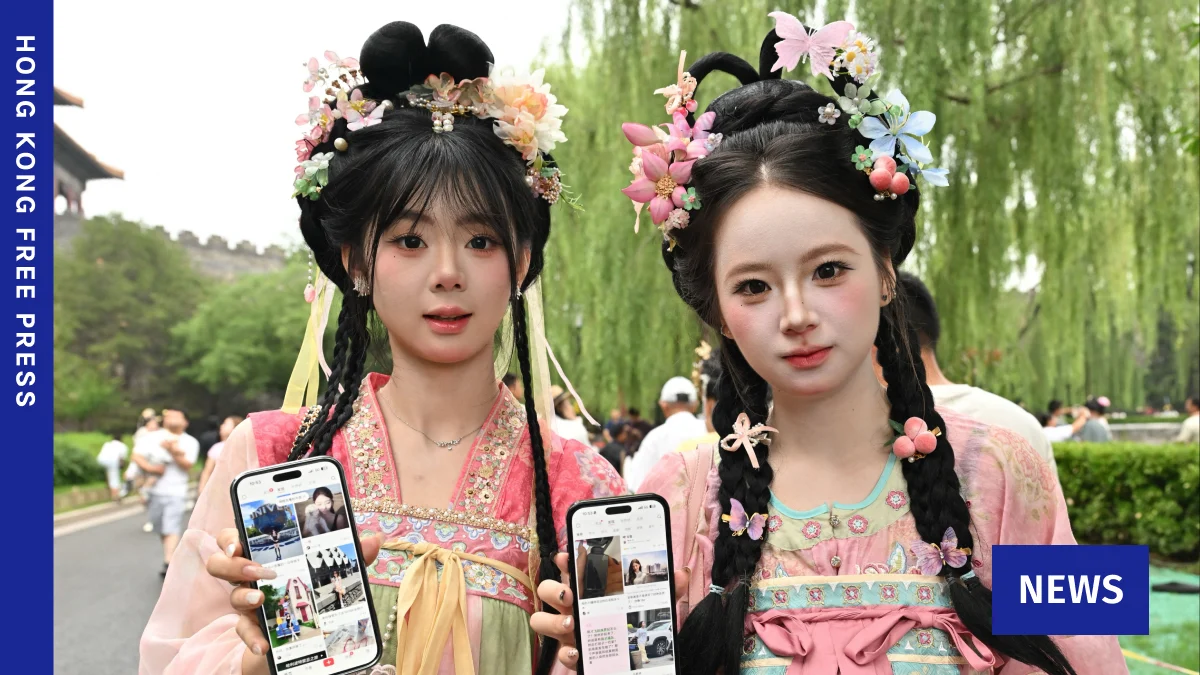
Competition is fierce for professional photographers at Beijing’s tourist hotspots, including a scenic lake where women in flowy traditional robes pose for snaps to share on Xiaohongshu, China’s massively popular lifestyle app. The platform, reportedly preparing to file to go public as soon as this year, has not only democratized content creation but also profoundly shaken up the tourism industry in China, where domestic travel is booming to record levels, creating both unprecedented opportunities and intensified competition for local service providers.
The "Daka" Phenomenon and Local Competition
At the historic Shichahai area in Beijing, a serene expanse of lakes and gardens, the air buzzes with activity. This picturesque locale, like many others across China, has become a prime "daka" or "check-in" spot, drawing throngs of domestic tourists eager to capture and share their experiences on Xiaohongshu. The visual appeal is paramount, with many visitors opting for elaborate traditional Chinese attire, known as Hanfu, to enhance their photographs. This trend has, in turn, spurred a thriving, albeit cutthroat, micro-economy for freelance photographers.

On a recent bustling Monday, 18-year-old photographer Li Geng stood vigilantly, a professional camera slung around her neck, touting her services to passing tourists. She charges a modest 10 yuan ($1.47) per photo, a rate indicative of the intense price pressure in the market. Just metres away, other photographers, some more established, directed ornately dressed young women, guiding them through poses – victory signs, arched backs, demure gazes – all meticulously crafted for the camera lens.
Li Geng revealed to AFP the stark reality of this digital-age hustle. Many of her rivals possess a significant social media footprint, with one particular competitor boasting an impressive 45,000 followers on Xiaohongshu. This online presence allows them to command a steady stream of clients and, paradoxically, offer even lower prices, leveraging volume and reputation. "That has caused more customers to flock to him while putting a massive amount of pressure on the rest of us," Li lamented. In contrast, Li, who lacks a substantial online following, must "only rely on calling out to people on the street to get customers," a testament to the widening gap between digitally savvy entrepreneurs and those still navigating traditional marketing methods. This dynamic underscores a broader trend where digital influence translates directly into economic advantage, a paradigm shift for many local service industries.
Xiaohongshu: A Deeper Dive into China’s Lifestyle App
Known as RedNote in English, Xiaohongshu’s interface shares similarities with the US social network Pinterest, emphasizing visual discovery and curated content. However, its robust features, including the ability for users to post photos, short videos, and even livestream, have earned it the moniker "China’s Instagram." Launched in 2013, Xiaohongshu initially focused on user-generated content for overseas shopping reviews but quickly evolved into a comprehensive lifestyle platform. Its strength lies in its highly engaged community, where users share detailed guides, personal recommendations, and aspirational content across various categories, including fashion, beauty, food, and, most notably, travel.

The app’s success is rooted in its ability to foster a sense of trust and authenticity among its users. Unlike traditional advertising, recommendations on Xiaohongshu often come from peers, making them feel more genuine and relatable. This user-centric approach has cultivated a loyal and active user base, distinguishing it from more broadcast-oriented social media platforms. The app’s algorithm also plays a crucial role, personalizing content feeds to individual preferences, thereby increasing engagement and time spent on the platform.
Reshaping China’s Tourism Landscape
Xiaohongshu’s ascent has coincided with an extraordinary boom in China’s domestic travel sector. After years of stringent travel restrictions, Chinese citizens have enthusiastically embraced local tourism. Xinhua news agency reported in March that domestic travel hit record highs last year, with residents undertaking over 6.5 billion trips – a remarkable increase of more than 16 percent year-on-year. This surge is not merely a rebound but a fundamental shift, with a greater emphasis on exploring local culture, niche destinations, and unique experiences.
Xiaohongshu has been a primary catalyst in this transformation. Data analysis platform Qiangua reported in May that the app’s user base has swelled to 350 million monthly active users (MAU), up from 300 million just a year prior. This massive, engaged audience actively uses the app to discover new destinations and meticulously plan their itineraries around photogenic locations, such as Beijing’s Shichahai area.

The app’s influence extends beyond established landmarks, breathing new life into lesser-known businesses and sending tourists in droves to unconventional locations. A prime example is Zibo, a quiet industrial city in Shandong province. Its local, cheap, marinated barbecue skewers went viral on Xiaohongshu, transforming Zibo overnight into an unexpected culinary pilgrimage site, attracting visitors from across the country and providing a significant boost to its local economy. This phenomenon demonstrates Xiaohongshu’s power to create viral trends and reshape regional tourism economies almost instantaneously.
For many, especially younger generations, Xiaohongshu has become the de facto starting point for travel planning. "Xiaohongshu is now the first place a lot of younger travellers seek inspiration," affirmed Ming Yii Lai, a senior strategy consultant at Daxue Consulting. Tourist Mina Chen, a 20-year-old student from Hunan province, exemplifies this trend. She meticulously planned her Beijing trip, including her visit to the Shichahai area, using recommendations from other Xiaohongshu users. By searching popular keywords like "citywalk," she uncovered detailed itineraries that included dining suggestions and convenient routes between attractions. "It is now indispensable (to me)," she told AFP, highlighting the app’s integration into the modern travel experience. Similarly, Meng Jiaxuan, dolled up in her traditional outfit at Shichahai, confessed to researching even her photoshoot poses on Xiaohongshu. "No matter what it is, I just search for it on Xiaohongshu," she stated, underscoring the app’s comprehensive utility.
Challenges and Criticisms of the "RedNote Effect"
While Xiaohongshu’s impact on tourism has been largely positive in terms of economic stimulus and cultural discovery, it has also brought forth a unique set of challenges. One significant issue is overtourism at viral spots. The sudden influx of visitors, often concentrated in specific "daka" locations, can strain local infrastructure, degrade natural environments, and diminish the quality of experience for both tourists and residents. Popular sites can become overcrowded, leading to long queues, increased litter, and a loss of the very charm that made them attractive in the first place. Local authorities and tourism boards are increasingly grappling with how to manage these surges, balancing economic benefits with sustainable tourism practices.

Another concern revolves around the authenticity of content. Lai from Daxue Consulting noted that Xiaohongshu-driven travel has led to businesses becoming overly dependent on platform traffic. This reliance can sometimes manifest in "paid posts from food bloggers who sing high praises about shops or destinations," which have drawn complaints when the actual experience proves disappointing. The quest for aesthetic perfection often overshadows genuine reviews, creating an idealized, sometimes misleading, portrayal of locations and services. This challenge highlights the constant battle for platforms to maintain content integrity amidst commercial pressures.
Furthermore, the rise of "influencer culture" within Xiaohongshu creates economic disparities among service providers. As seen with photographer Li Geng, those with large followings can leverage their digital clout for greater visibility and market share, potentially marginalizing skilled but less digitally connected individuals. This necessitates adaptation and innovation for small businesses and freelancers to thrive in the evolving digital marketplace.
Global Ambitions and Financial Outlook
Xiaohongshu’s influence is not confined to mainland China. The app garnered global attention last year when a proposed US government ban on TikTok prompted American users, humorously dubbed "TikTok refugees," to explore alternatives, with RedNote emerging as a prominent choice. This brief foray into the Western consciousness highlighted its potential for international appeal, particularly among communities familiar with its content style.

The platform has recently made headlines for its confidential preparations to file for an initial public offering (IPO) in Hong Kong. According to reports from outlets including the Wall Street Journal, Xiaohongshu’s market debut could occur as early as the end of 2026. A successful IPO would not only provide significant capital for expansion but also solidify its position as a major player in the global social media and e-commerce landscape. This move underscores the company’s confidence in its growth trajectory and its ambition to further monetize its vast user base and influence. While AFP contacted Xiaohongshu for comment on its IPO plans and other aspects, no immediate response was provided.
Qiangua’s analysis indicates that while young women in more affluent cities remain the app’s core user base, Xiaohongshu is strategically expanding its reach. It is gaining considerable traction with Chinese speakers in countries like Malaysia and Singapore, and its appeal is broadening beyond just young women. Singaporean retiree Ernest Phua, 58, exemplifies this demographic expansion. He turned to Xiaohongshu to meticulously plan his trips to Guangdong and Yunnan in China, specifically searching for "travel strategy" in Mandarin to find local recommendations. Phua observed a "great difference" in viewing travel content about China on Xiaohongshu compared to other platforms like YouTube. "If we want to know what it is really like in China and what locals like to do, eat and go to, Xiaohongshu has lots of content," he explained, emphasizing the platform’s unique ability to offer an authentic, localized perspective that resonates with a diverse international audience.
The Future of Visual Travel and Digital Influence
The rise of Xiaohongshu illustrates a powerful trend: the increasing convergence of social media, lifestyle curation, and economic activity. It has transformed how millions discover, plan, and experience travel, creating a vibrant ecosystem of content creators, service providers, and enthusiastic travelers. This blend of user-generated content and aspirational imagery has fundamentally altered the tourism industry, pushing destinations and businesses to adapt to a visually driven, digitally connected consumer base.

The implications are far-reaching. For local economies, platforms like Xiaohongshu offer unparalleled opportunities for growth and exposure, as demonstrated by Zibo’s barbecue phenomenon. However, they also demand agility and innovation, as businesses must continuously engage with digital trends and manage the double-edged sword of viral popularity. For consumers, the app provides a rich tapestry of information and inspiration, but also necessitates a critical eye to discern authentic experiences from commercialized content.
As Xiaohongshu eyes its public offering and continues its international expansion, its role in shaping cultural trends and economic activity is only set to grow. It stands as a testament to the power of community-driven content in the digital age, a force that seamlessly blends traditional aesthetics with modern technology, influencing everything from a photographer’s daily hustle in Beijing to a retiree’s travel plans across Southeast Asia. The ongoing evolution of Xiaohongshu will undoubtedly continue to define the future of visual travel and digital influence in China and beyond.


 Jia Lissa
 Suro Senen