Neng Nana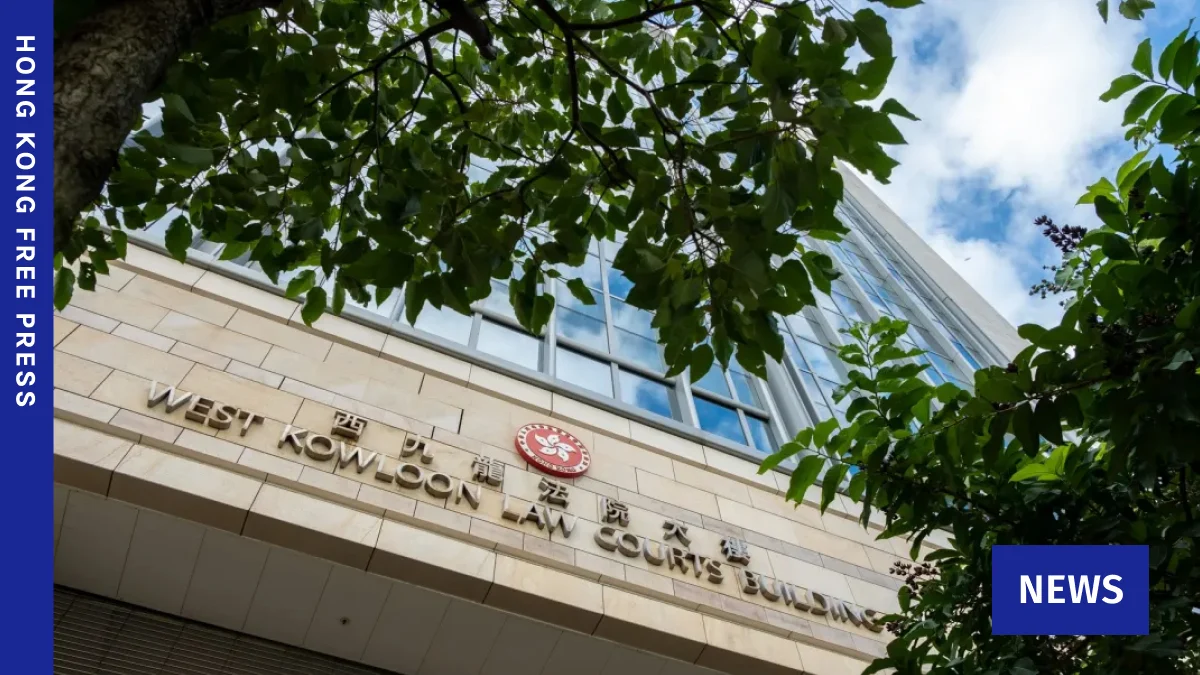
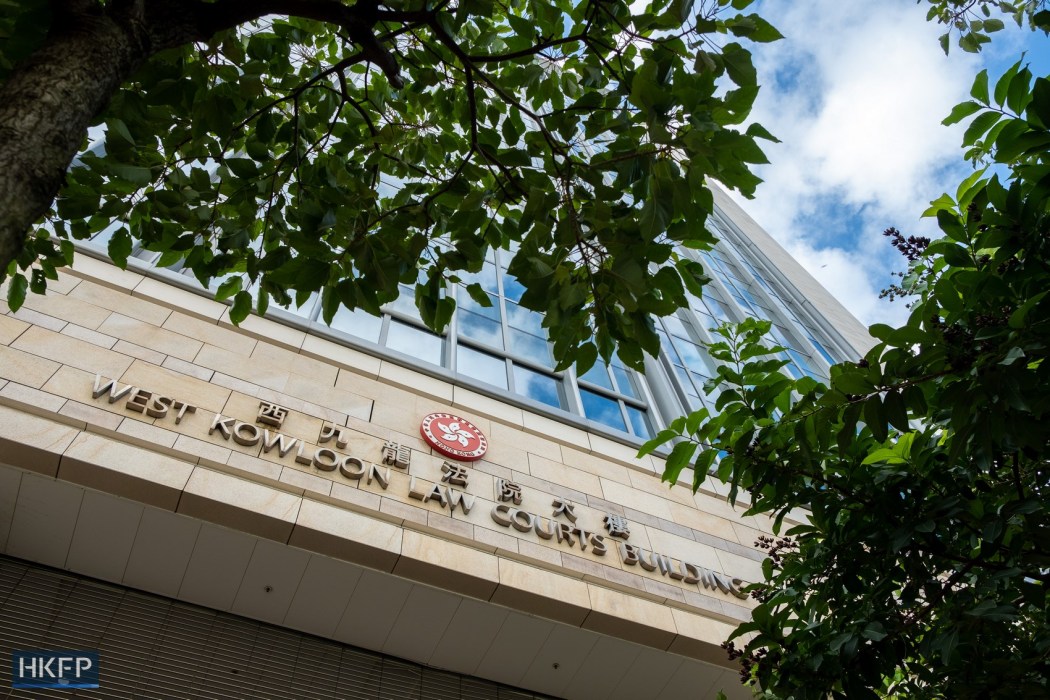
An air conditioning repairman, Wong Kin-kwok, has been handed a suspended two-month jail sentence for his involvement in inciting a boycott of last year’s Legislative Council election, which was characterized by its "patriots only" prerequisite for candidates. The ruling, delivered by Magistrate Shirley Cornelia Hung at the West Kowloon Law Courts on Friday, underscores the legal ramifications of interfering with electoral processes in Hong Kong, even through social media dissemination.
Wong’s conviction stemmed from his admission to sharing a Facebook post authored by overseas activist Alan Keung. This post explicitly called on individuals to refrain from participating in the election. Wong was one of three individuals charged with inciting others not to vote, an offense stipulated under the Elections (Corrupt and Illegal Conduct) Ordinance. The Independent Commission Against Corruption (ICAC), the body responsible for overseeing prosecutions under this ordinance, confirmed the sentencing in a public statement.

While the act of casting a blank ballot or choosing not to vote is a legally permissible form of political expression in Hong Kong, actively encouraging others to boycott an election during the designated electoral period is strictly prohibited and carries legal consequences. This distinction highlights the government’s stance on maintaining the integrity and participation levels of its electoral system.
The court’s decision to impose a suspended sentence was influenced by several mitigating factors presented on Wong’s behalf. Magistrate Hung acknowledged that Wong had no prior criminal record, making him a first-time offender. Furthermore, the prosecution presented the case as an isolated incident, involving a single Facebook post with no evidence of further actions taken by Wong to amplify the incitement, such as engaging in comment threads or other forms of active campaigning.
Wong’s legal representative emphasized his client’s realization of his error in carelessly sharing the post. The repairman reportedly expressed deep remorse for his actions and pledged to exercise greater caution in his online activities in the future. In a further demonstration of his commitment to avoiding reoffending, Wong had deactivated his social media account.
Magistrate Hung’s sentencing remarks indicated that the government had invested substantial resources into organizing the election, and that such efforts should not be subjected to interference. She stated that the court considered Wong’s actions to be non-premeditated, a factor that weighed in favor of a less severe penalty. A suspended prison sentence means that Wong will avoid immediate incarceration, provided he does not commit any further offenses during the two-year probationary period. Failure to adhere to this condition would result in the activation of the original two-month jail term.
Background: The "Patriots Only" Election and Electoral Reforms
The Legislative Council election in question, held in December of the preceding year, was a significant event in Hong Kong’s political landscape. It was the second election conducted under the revised electoral system implemented by Beijing in 2021. This overhaul dramatically reshaped the composition and selection process of the Legislative Council, with the stated aim of ensuring that only individuals deemed sufficiently patriotic could hold office.
These electoral reforms, enacted in the wake of widespread pro-democracy protests in 2019, significantly reduced democratic representation within the legislature. The changes included stringent vetting processes for candidates, the introduction of a new election committee responsible for vetting candidates, and a reduction in directly elected seats. The nomination process was also tightened, requiring candidates to secure endorsements from a carefully selected group of political elites, effectively narrowing the field of potential contenders.

The "patriots only" policy has been a central tenet of the post-2021 electoral framework. This approach aims to guarantee loyalty to the central government and the Basic Law, with the authorities arguing that it is necessary to maintain social stability and national security. Critics, however, contend that these reforms have systematically undermined Hong Kong’s democratic aspirations and curtailed political freedoms.
Chronology of Events and Related Cases
The charges against Wong Kin-kwok are part of a broader legal crackdown on online expression related to electoral boycotts. In a similar case in May of the same year, a 67-year-old man received a two-month jail term, also suspended for two years, after pleading guilty to sharing a post that advocated for a boycott of the legislative elections. These instances suggest a pattern of enforcement targeting individuals who engage in online activities deemed to be disruptive to the electoral process.
The elections themselves saw a turnout of 31.9 percent. While this figure represented an increase compared to the last legislative polls in 2021, it remained the second lowest on record. This turnout figure has been a subject of discussion, with some interpreting it as a reflection of public apathy or disillusionment with the limited choices available under the new electoral system, while others point to the increase as a sign of evolving public engagement.

The ICAC’s role in investigating and prosecuting electoral offenses is crucial. The commission operates under strict legal frameworks designed to ensure fair elections and prevent corruption and illegal conduct. Their proactive stance in pursuing individuals who violate election laws, particularly through online incitement, signals a commitment to upholding the integrity of the electoral system as defined by current legislation.
Broader Implications and Analysis
The case of Wong Kin-kwok, while involving a seemingly minor infraction of sharing a social media post, carries significant implications for freedom of expression in Hong Kong. The laws prohibiting incitement to boycott elections, when applied to online content, raise questions about the boundaries of political speech in a climate of increasing scrutiny.
The government’s emphasis on the resources invested in elections and the need for them to proceed unimpeded reflects a priority on procedural fairness and participation. However, the legal framework’s interpretation and application in cases involving social media dissemination can create a chilling effect on legitimate political discourse.

The outcome of such cases contributes to the evolving landscape of political activism in Hong Kong. As traditional avenues for dissent become more constrained, individuals may increasingly turn to online platforms to express their views. However, the legal risks associated with such online activities, as demonstrated by Wong’s case, can deter participation and limit the scope of public debate.
The distinction between personal abstention from voting and actively encouraging others to do so is a critical legal point. While individuals retain the right to express their dissent through non-participation, the law aims to prevent organized campaigns that could significantly impact election outcomes. The challenge lies in ensuring that such laws are applied judiciously and do not stifle legitimate forms of political expression.
The "patriots only" electoral system, which underpins the context of these elections, continues to be a focal point of debate regarding Hong Kong’s governance. The legal actions taken against individuals for their perceived attempts to influence electoral participation are intrinsically linked to the broader political transformations occurring in the city. These legal developments are being closely watched by both domestic and international observers concerned with the state of civil liberties and democratic practices in Hong Kong. The ongoing enforcement of electoral laws, particularly concerning online incitement, will continue to shape the dynamics of political expression and engagement in the territory.

 Rifan Muazin
 Muslim