Lina Irawan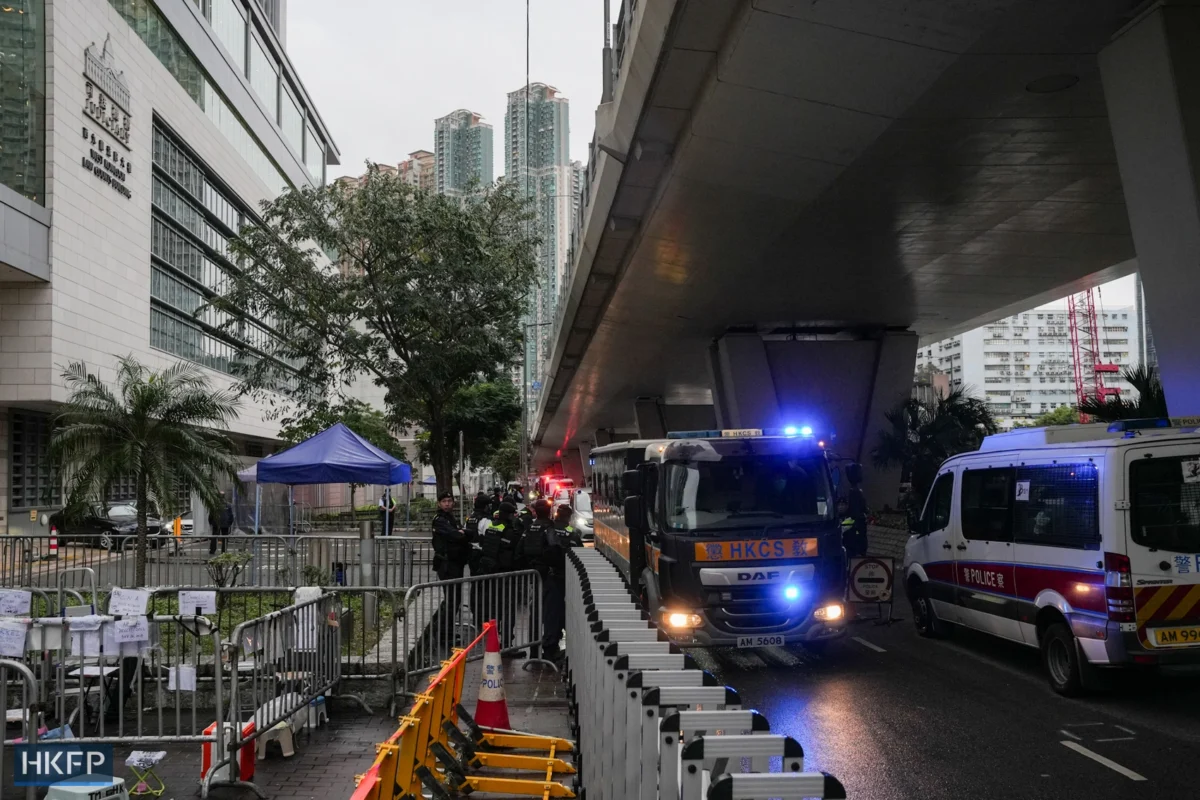
Wu Chi-wai, a prominent former leader of Hong Kong’s opposition Democratic Party, has reportedly entered the United Kingdom to seek asylum, following a period of detention at Heathrow Airport where he was initially informed of impending deportation. The development comes after his release from prison last month, where he served over four years for his role in Hong Kong’s largest national security case.
The 63-year-old politician, a significant figure in Hong Kong’s pro-democracy movement, arrived in the UK on a British National Overseas (BNO) passport. His attempt to enter the country was met with a significant hurdle at Heathrow Airport, according to reports. Paul Harris, a former chair of the Hong Kong Bar Association based in the UK, cited by The Times, stated that an immigration officer informed Wu that his passport would be confiscated and that he faced deportation back to Hong Kong within seven days. This initial encounter at the border sparked immediate concern for Wu’s safety and future, given the political climate in Hong Kong.

However, subsequent reports from Hong Kong media outlets indicated a turnaround in Wu’s situation. After a detention period of approximately 10 hours, he was reportedly granted entry into the UK. The UK Home Office, when approached for comment, issued a standard statement: "The Government remains steadfast in its support for members of the Hong Kong community in the UK. We do not routinely comment on individual cases." Sources familiar with the matter suggest that the initial detention was due to an administrative issue with Wu’s paperwork at the border, rather than being directly linked to his status or past convictions in Hong Kong.
Wu Chi-wai’s legal troubles stem from his involvement in the landmark "Hong Kong 47" national security case. He was released in November 2024 after serving four years and five months of a sentence for conspiracy to commit subversion. This conviction arose from his participation in an unofficial primary election held by the opposition camp in July 2020. The aim of these primaries was to shortlist candidates for an upcoming legislative election, with the hope of securing a legislative majority for the pro-democracy bloc.
The Genesis of the "Hong Kong 47" Case
The national security law, imposed by Beijing in June 2020 following months of pro-democracy protests, has fundamentally reshaped Hong Kong’s political landscape. This legislation criminalizes acts of subversion, secession, collusion with foreign forces, and terrorism, with definitions that have been broadly interpreted by authorities. The "Hong Kong 47" case became a focal point for the application of this law, targeting individuals who participated in the primary election.

Judges in the case ruled that if the defendants had successfully secured a majority in the legislative elections, they intended to use their positions to veto government budgets and force the resignation of the Chief Executive, thereby creating a "constitutional crisis." This interpretation underpinned the convictions of most of the defendants.
The trial concluded with 45 out of the 47 defendants being convicted of conspiring to commit subversion. Among them, legal scholar Benny Tai received the longest sentence, 10 years imprisonment. Wu Chi-wai was the 20th defendant to complete his prison term after being convicted in 2024. Two defendants were acquitted.
Seeking a New Beginning in the UK
Upon his release from prison, Wu Chi-wai reportedly sought to establish a new life in the United Kingdom, aiming to utilize the British National Overseas (BNO) visa scheme. Introduced by the UK government in January 2021, this scheme offers a pathway to permanent settlement for eligible Hong Kong residents who hold BNO status. This pathway allows for a faster route to citizenship, typically requiring five years of residence, in contrast to the standard ten years for most other migrants.

The availability of the BNO scheme has led to a significant exodus of Hong Kong residents to the UK since 2021. Hundreds of thousands have migrated, including other prominent pro-democracy activists such as Nathan Law and Finn Lau, both of whom are wanted by Hong Kong national security police. The scheme reflects the UK’s commitment to supporting those from Hong Kong who fear political persecution following the imposition of the national security law.
The Broader Context of Political Repression in Hong Kong
The events surrounding Wu Chi-wai’s arrival in the UK are intrinsically linked to the broader crackdown on dissent in Hong Kong. Since the handover of the city to China in 1997, Beijing has progressively tightened its grip on Hong Kong’s autonomy and freedoms. The introduction of the national security law marked a significant escalation, leading to the arrest of hundreds, the disbandment of numerous civil society groups, and the silencing of critical voices.
The law, which was inserted directly into Hong Kong’s mini-constitution, has been defended by the authorities as essential for restoring stability and peace. However, international observers, human rights organizations, and many Western governments have criticized its broad scope and its impact on fundamental rights and freedoms, including freedom of speech, assembly, and the press. The legislation has led to the establishment of new legal precedents that have further curtailed civil liberties.

Implications and Future Prospects
Wu Chi-wai’s experience highlights the precarious situation faced by former pro-democracy figures from Hong Kong. While the UK government maintains its commitment to supporting the Hong Kong community, individual cases at border control can present complex challenges. The initial report of potential deportation underscores the anxieties that many Hong Kong residents seeking refuge in the UK may face.
The resolution of Wu’s case, with his eventual entry into the UK, suggests that the administrative issue was indeed the primary obstacle. However, the prolonged detention and the initial threat of deportation serve as a stark reminder of the vigilance required in navigating international immigration systems, especially for individuals with a history of political activism in a region subject to increasing authoritarian control.
The UK’s BNO scheme has provided a lifeline for thousands of Hong Kong citizens. For individuals like Wu Chi-wai, it represents an opportunity to escape political persecution and rebuild their lives in safety. The ongoing migration of Hong Kongers to the UK is likely to continue, driven by concerns for personal freedom and political expression, and will remain a significant aspect of the bilateral relationship between the UK and China.

The case also raises questions about the UK’s preparedness and processes for handling asylum claims and immigration applications from individuals with significant political profiles from Hong Kong. While the Home Office’s statement emphasizes its support, the specifics of Wu’s encounter suggest that the system, while ultimately accommodating, can be a source of considerable stress and uncertainty for those arriving.
As Wu Chi-wai begins his new life in the UK, his journey serves as a powerful illustration of the sacrifices made by those who have championed democracy in Hong Kong and the continuing challenges they face in seeking safety and freedom abroad. His experience will likely be closely watched by other activists and individuals who have left Hong Kong under similar circumstances. The long-term implications of this emigration wave on both Hong Kong’s society and the UK’s demographic and political landscape are yet to be fully understood.

 Rifan Muazin
 Muslim