Asro
Asro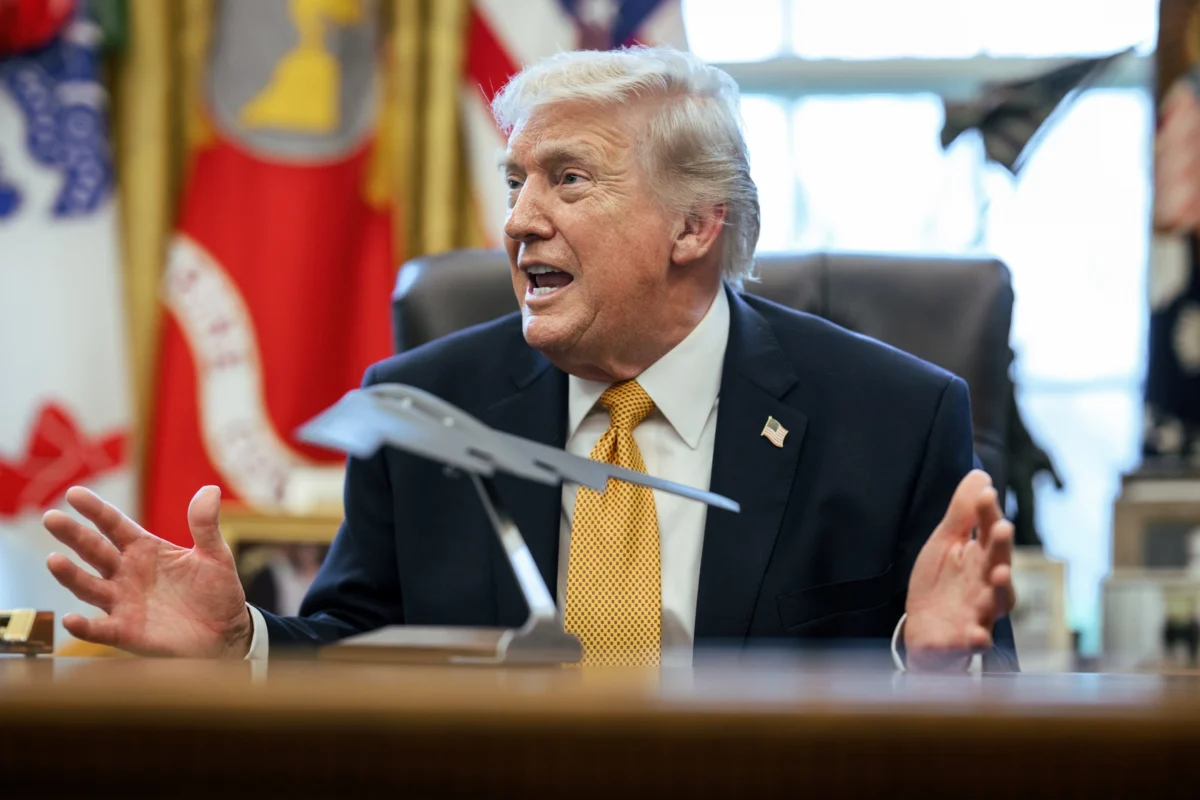
Beijing, China – China on Wednesday voiced its "firm opposition" to a proposed sanctions bill in the United States, backed by former President Donald Trump and several US senators, which aims to penalize countries continuing to purchase Russian energy. This legislative push intensifies the economic pressure on Moscow amid its ongoing war in Ukraine and directly challenges the burgeoning energy partnership between China and Russia.
The bipartisan legislation, currently under development by key US senators, seeks to grant the American president authority to impose tariffs and sanctions on nations that persist in acquiring Russian oil, gas, uranium, and other energy products. This move is designed to diminish Russia’s critical revenue streams, which are vital for sustaining its military operations in Ukraine, a conflict that began with a full-scale invasion in February 2022.
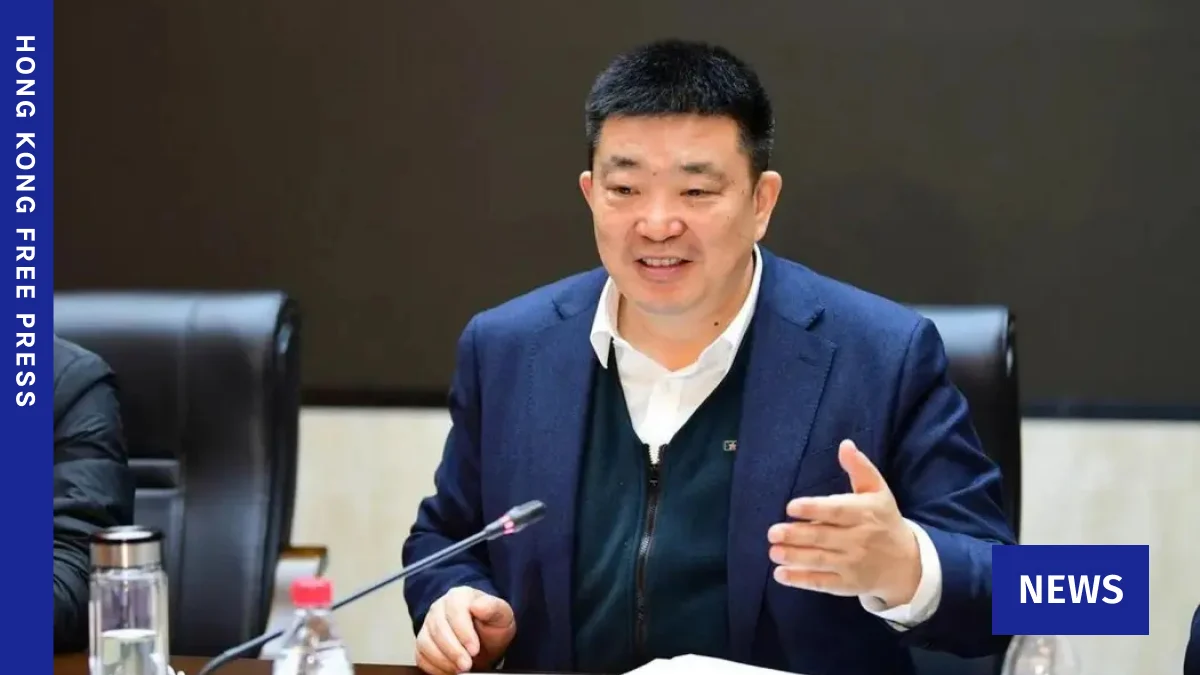
China, which has emerged as a crucial lifeline for Russian energy exports since Western nations imposed sweeping sanctions, reacted sharply to the proposed bill. Foreign Ministry spokesperson Lin Jian, during a regular news briefing, accused Washington of employing "double standards and coercion." "China firmly opposes illegal unilateral sanctions that have no basis in international law and are not authorised by the UN Security Council," Lin stated, adding that Beijing "will take all necessary measures to resolutely safeguard the legitimate rights and interests of its enterprises and citizens." This robust defense underscores China’s commitment to its economic ties with Russia and its broader stance against what it perceives as extraterritorial application of US law.

The Genesis of the Sanctions Bill and US Motivations
The proposed US legislation represents a significant escalation in efforts to choke off Russia’s financial resources. While the specific details of the latest version of the bill have not been publicly released, senators spearheading the initiative indicated last week that they expected to unveil the updated legislation "very soon," confirming an agreement with former President Trump. An earlier iteration of the proposal reportedly envisioned tariffs of up to 500 percent on imports from countries purchasing Russian energy, highlighting the punitive intent behind the measure.
The backing of Donald Trump is a pivotal development. His support could remove a major political impediment to the bill’s passage, which has been under negotiation for months and enjoys bipartisan support in Congress. Trump’s engagement signals a potential shift in his stance, as he has reportedly grown "increasingly frustrated with Moscow’s failure to negotiate an end to the conflict." This frustration, if accurately portrayed, could be a pragmatic calculation aimed at demonstrating a tough stance on foreign policy, particularly as he eyes a potential return to the White House.
Among the vocal proponents of the bill were the late Senator Lindsey Graham, a staunch advocate for Ukraine, Republican Senator Roger Wicker, and Democratic Senators Richard Blumenthal and Jeanne Shaheen. Their bipartisan collaboration underscores a rare consensus in a deeply divided US political landscape regarding the need to further pressure Russia. The White House, under the current administration, has not yet publicly commented on the agreement with Trump, suggesting that discussions are likely ongoing or that it may await the formal introduction of the updated bill.

The Russia-Ukraine War: A Catalyst for Economic Warfare
The backdrop to this legislative initiative is Russia’s full-scale invasion of Ukraine, launched in February 2022. This unprovoked aggression triggered an unprecedented wave of sanctions from the United States, the European Union, the United Kingdom, and other allies, targeting Russia’s financial institutions, key industries, and its vast energy sector. The objective was to cripple Russia’s economy, degrade its warfighting capabilities, and compel a withdrawal from Ukrainian territory.
Despite these extensive measures, Russia has managed to adapt, largely by redirecting its energy exports from Europe to new markets, primarily in Asia. Countries like China and India have significantly increased their purchases of discounted Russian oil and gas, helping Moscow cushion the economic blow and maintain its war effort. This trade has become a critical revenue source for the Kremlin, undermining the effectiveness of Western sanctions and prolonging the conflict. The US bill directly targets this vital economic artery, aiming to plug the loopholes created by this reorientation of global energy flows.
The China-Russia Energy Nexus: A Strategic Partnership Under Scrutiny

China’s role as the world’s largest energy consumer and a major importer of Russian oil and gas places it directly in the crosshairs of the proposed US sanctions. Since the invasion of Ukraine, China has significantly ramped up its imports of Russian crude oil, natural gas, and coal, often at discounted prices, capitalizing on Russia’s isolation from traditional European markets.
According to various energy market analyses, China’s imports of Russian crude oil surged by a considerable margin in 2022 and 2023. For instance, in 2023, Russia became China’s top oil supplier, surpassing Saudi Arabia, with imports reaching record highs. Similarly, natural gas deliveries via pipelines, such as the Power of Siberia pipeline, have steadily increased, alongside a rise in LNG purchases. This energy trade is not merely transactional; it is deeply embedded within the "no-limits" strategic partnership declared by Presidents Xi Jinping and Vladimir Putin just weeks before the invasion. This partnership encompasses not only economic cooperation but also diplomatic alignment and military collaboration, presenting a formidable geopolitical challenge to the US and its allies.
China views these energy purchases as legitimate commercial transactions essential for its economic growth and energy security. Its opposition to the US bill is rooted in principles of national sovereignty and non-interference, arguing that unilateral sanctions imposed without UN Security Council authorization constitute an infringement on international law and the rights of sovereign nations to conduct trade. Beijing’s assertion that it will "take all necessary measures to resolutely safeguard the legitimate rights and interests of its enterprises and citizens" implies potential retaliatory actions or legal challenges should the US bill be enacted and applied against Chinese entities.
Economic and Geopolitical Implications

The enactment of such a US sanctions bill would carry profound economic and geopolitical implications. For China, it would force a difficult choice: either reduce its reliance on Russian energy, potentially incurring higher costs and disrupting its energy supply chains, or face punitive US tariffs and sanctions, which could impact its access to the US financial system and global markets. Given China’s stated commitment to its partnership with Russia and its stance against unilateral sanctions, a direct confrontation with the US on this issue seems likely.
For Russia, the bill, if effectively implemented, could significantly diminish its remaining energy export revenues, intensifying the economic strain on its war economy. While Russia has sought to pivot towards Asia, the global reach of US financial sanctions and the potential for secondary sanctions on other countries could complicate its ability to find alternative buyers or payment mechanisms. This could further accelerate Russia’s efforts to develop non-dollar trade systems and deepen its economic integration with countries like China.
Globally, the bill could introduce further volatility into energy markets. Any disruption to Russian energy supplies, even if redirected, could affect global prices. Moreover, the broader implication is a further fragmentation of the global economy into blocs, with the US and its allies on one side, and China, Russia, and potentially other nations on the other, each seeking to establish their own spheres of economic influence and trade rules. This could lead to a more complex and less predictable international trade environment, potentially impacting supply chains and inflation worldwide.
International Law and Sovereignty Debates

China’s argument against the US bill centers on its perceived illegality under international law, specifically the absence of UN Security Council authorization. Unilateral sanctions, while a tool frequently employed by powerful states like the US, are often criticized by other nations for infringing upon national sovereignty and violating principles of free trade. Beijing often highlights the UN Charter’s emphasis on multilateralism and the role of the Security Council in authorizing coercive measures, contrasting this with what it deems as Washington’s unilateral overreach.
The US, conversely, justifies such measures under its domestic laws, often citing national security interests and foreign policy objectives. It argues that its sanctions are a legitimate response to actions that violate international norms, such as Russia’s aggression against Ukraine. This fundamental disagreement over the legitimacy of unilateral sanctions forms a persistent point of contention in US-China relations and in international diplomacy more broadly.
Looking Ahead: Challenges and Uncertainties
While the agreement with former President Trump has boosted the bill’s prospects, its swift passage is not guaranteed. The legislative process in the US is complex, and even with bipartisan support, various political and procedural hurdles remain. Lawmakers will need to finalize the bill’s language, debate its provisions, and secure sufficient votes in both the House of Representatives and the Senate. The exact scope of the sanctions, the thresholds for their application, and the mechanisms for enforcement will be critical details that could influence its ultimate fate.

Furthermore, the effectiveness of the bill, if passed, will depend on several factors, including the willingness of other nations to comply or risk US penalties, the ability of Russia and China to develop robust alternative trade and financial systems, and the overall dynamics of global energy markets. The potential for unintended consequences, such as further driving Russia and China closer together or disrupting global energy supplies, will also be weighed by policymakers.
The move signals a hardening of the US stance against those perceived as enabling Russia’s war machine. As China remains a primary buyer of Russian energy, the proposed legislation sets the stage for a direct economic confrontation, further exacerbating the already strained relationship between the world’s two largest economies and adding another layer of complexity to the ongoing geopolitical reordering. The international community will be closely watching how this legislative initiative unfolds and what ramifications it holds for global energy security and the future of international relations.

 Sagoh
Sagoh