Neng Nana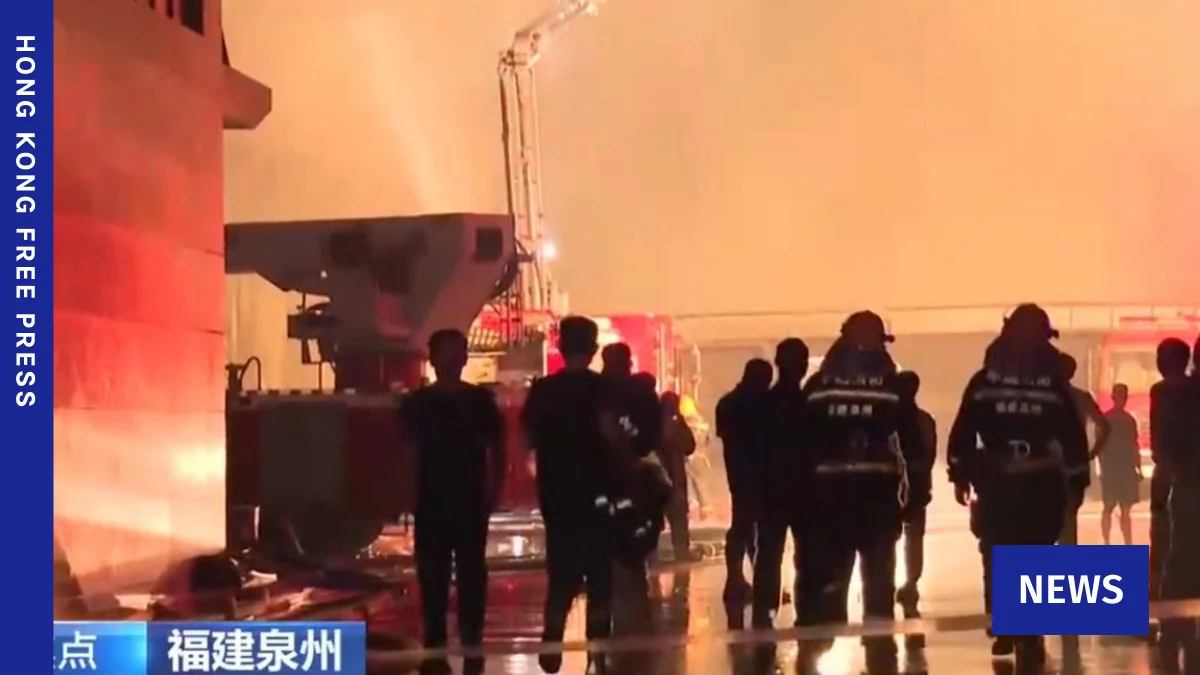
A catastrophic fire that ripped through the Huiteng Shoes factory in Jinjiang city, Fujian province, eastern China, on Thursday, July 9, 2026, has tragically claimed the lives of at least 28 people, according to state media reports. The inferno, which broke out around noon local time (0400 GMT), prompted a massive emergency response, with over 500 fire and rescue personnel battling for hours against the rapidly spreading blaze and desperately searching for an unknown number of workers feared still trapped within the multi-storey building. The incident has sent shockwaves through China’s manufacturing sector, drawing swift condemnation and demands for accountability from the highest levels of government, including President Xi Jinping, who described the event as resulting in "heavy human losses."
The Unfolding Catastrophe: Initial Hours and Heroic Rescue Efforts
Eyewitness accounts and dramatic footage aired by state television CCTV painted a grim picture of the disaster. Thick plumes of acrid black smoke billowed relentlessly from broken windows, engulfing large sections of the white-fronted factory building as flames raged on its lower floors. The sheer intensity of the fire, fueled by highly flammable materials used in shoe production, presented immense challenges for the emergency crews. Firefighters could be seen relentlessly dousing the facade and interior with powerful hoses, their efforts hampered by the building’s design and the nature of its contents.

Initial reports indicated that many workers were caught off guard by the sudden eruption of the fire. Harrowing images showed individuals seeking refuge near windows, desperately signaling for help, and others huddled precariously on the rooftop, hoping for rescue from above as the blaze consumed floors below them. The swift deployment of 500 firefighters, emergency medical teams, and other rescue personnel underscored the severity of the situation. Their immediate priority was to contain the fire and reach those trapped, working against a ticking clock as structural integrity and air quality rapidly deteriorated.
City fire chief Du Zhenzhou later revealed critical operational challenges faced by his teams. He explained that stairwells and crucial exits within the Huiteng Shoes factory were significantly obstructed with shoe materials, effectively creating dangerous bottlenecks and impeding rapid evacuation and rescue efforts. This common factory practice, aimed at maximizing storage space and production efficiency, tragically turned into a fatal impediment when disaster struck. The abundance of adhesives, solvents, synthetic fabrics, rubber, and other raw materials used in athletic footwear manufacturing acted as an accelerant, transforming the building into a fiery deathtrap and complicating suppression efforts.
A Devastating Toll: Casualties and the Search for Survivors
As the hours passed, the grim reality of the situation began to emerge. While 213 people were reportedly evacuated from the factory, which had 237 workers and two delivery personnel present at the time, the preliminary death toll of 28 confirmed by Xinhua news agency underscored the scale of the tragedy. This discrepancy fueled fears that more individuals remained unaccounted for, possibly trapped in areas inaccessible to rescuers. The emergency management ministry called for "all-out" efforts not only to extinguish the blaze but also to meticulously search for any remaining survivors and provide immediate medical attention to the injured. The phrase "out of contact" used by Xinhua for some workers amplified the anxiety surrounding the true number of casualties.

The process of identifying the victims and contacting their families began amidst the chaos, a heartbreaking task for local authorities. The emotional toll on the rescue workers, many of whom witnessed the despair of trapped individuals, was immense. The focus quickly shifted from immediate rescue to recovery operations as the fire was brought under control, with investigators beginning the arduous task of sifting through the charred remains of the factory.
Jinjiang: A Global Footwear Hub Under Scrutiny
The Huiteng Shoes factory is located in Jinjiang, a city renowned globally as one of China’s primary hubs for shoe production and a leading center for athletic footwear manufacturing. According to the state-run Global Times, Jinjiang boasts thousands of footwear manufacturers, producing an estimated 1 billion pairs of shoes annually and accounting for a significant portion of China’s total footwear output. Its factories are integral to the global supply chains of numerous international brands, employing hundreds of thousands of workers. This economic significance, however, also highlights the potential for immense human cost when safety regulations are compromised.
The specific materials involved in shoe manufacturing—such as synthetic polymers, rubber compounds, various glues, solvents like acetone and toluene, and foam padding—are known for their high flammability and, when burned, can produce toxic fumes. The presence of these materials in large quantities, often stored in congested spaces, creates an inherently high-risk environment. Coupled with potentially inadequate fire suppression systems, blocked exits, and insufficient safety training, the conditions can quickly escalate a minor incident into a major catastrophe, as tragically demonstrated at Huiteng Shoes.

Official Response and Unwavering Calls for Accountability
The devastating fire quickly garnered attention at the highest echelons of Chinese leadership. President Xi Jinping issued a stern directive, emphasizing the need for a thorough and rapid investigation into the cause of the accident. In remarks carried by Xinhua, he stated, "The cause of the accident should be identified as soon as possible and… those responsible must be strictly held accountable." This directive underscores the Chinese government’s increasingly firm stance on industrial safety, particularly in the wake of several high-profile incidents in recent years.
Acting decisively, authorities have already detained the company owner and several other individuals believed to be responsible for the factory’s operations. Furthermore, the company’s accounts have been frozen, a common measure to prevent asset stripping and ensure resources are available for compensation to victims and their families. This swift action reflects the government’s determination to project an image of robust oversight and to ensure that negligence leading to such tragedies does not go unpunished. The local government in Jinjiang has also initiated a comprehensive review of industrial safety standards across the entire city’s manufacturing sector, recognizing the potential damage to its reputation as a reliable production hub.
A Troubling Pattern: China’s Industrial Safety Record and Broader Implications

The Jinjiang factory fire is not an isolated incident but rather the latest in a series of "several major industrial safety accidents" that President Xi Jinping himself acknowledged have plagued China this year. His call for "all regions and relevant departments [to] draw profound lessons from these incidents" and to "implement rigorous and effective safety measures" reflects a persistent challenge for the nation: balancing rapid economic growth with robust worker safety and environmental protection.
China has, in fact, launched various campaigns against fire hazards, including a significant initiative in November following a huge blaze that engulfed several tower blocks in Hong Kong, tragically killing 168 people. A month later, another residential building fire in southern China’s Guangdong province claimed 12 lives. In May, a devastating blast at a fireworks factory in central China killed 37 people, marking one of the deadliest industrial accidents in years. These incidents, while varied in nature, collectively point to systemic issues that may include lax enforcement of safety regulations, outdated infrastructure, inadequate worker training, and pressure on businesses to prioritize production over safety.
Industrial accidents, particularly in manufacturing and mining, have historically been a significant concern in China. While conditions have generally improved over the past two decades due to increased government oversight and public awareness, major incidents continue to occur, often highlighting critical gaps in implementation and compliance. The sheer scale of China’s industrial base, with millions of factories and construction sites, makes comprehensive oversight a monumental task.
Investigation, Accountability, and the Human Cost

The immediate aftermath of the Huiteng Shoes factory fire will involve a painstaking investigation to determine the exact cause of the blaze, how it spread so rapidly, and why so many lives were lost. This will include forensic analysis of the factory’s structure, materials, and safety systems, as well as interviews with survivors and management. The findings will be crucial for assigning criminal liability and informing future policy.
The human cost extends far beyond the immediate casualties. Families of the deceased face unimaginable grief and economic hardship, while injured survivors will require extensive medical care and rehabilitation. The incident also creates a ripple effect throughout the community, impacting the livelihoods of workers, the reputation of the company, and potentially the broader Jinjiang footwear industry. Local authorities will be under pressure to provide adequate compensation and support to affected families, while also addressing public concerns about safety.
This tragedy is likely to intensify existing governmental campaigns for enhanced industrial safety across China. It will almost certainly trigger stricter inspections, particularly in industries involving flammable materials, and could lead to a review of building codes and emergency exit requirements in factories. For companies operating in China, both domestic and international, the incident serves as a stark reminder of the critical importance of adhering to and exceeding safety standards, not merely as a regulatory requirement but as a fundamental ethical obligation. Global supply chains reliant on Chinese manufacturing may also face scrutiny, with calls for greater transparency and accountability regarding labor and safety practices in partner factories.
Looking Ahead: Balancing Growth and Safety

The Huiteng Shoes factory fire is a poignant and tragic reminder of the inherent risks in large-scale industrial operations, particularly when safety protocols are not rigorously maintained. As China continues its trajectory as a global manufacturing powerhouse, the challenge of balancing economic imperatives with the paramount need for worker safety remains critical. President Xi’s strong statements indicate a political will to tackle these issues head-on, but the true measure of change will lie in the effective implementation of reforms, the consistent enforcement of regulations, and a cultural shift within industries to prioritize human life over profit. The memory of the 28 lives lost in Jinjiang will undoubtedly fuel ongoing efforts to prevent such preventable disasters in the future, aiming for a safer, more sustainable industrial landscape in China.


 Asro
Asro
 Evan Lee Salim