Layla Zulfa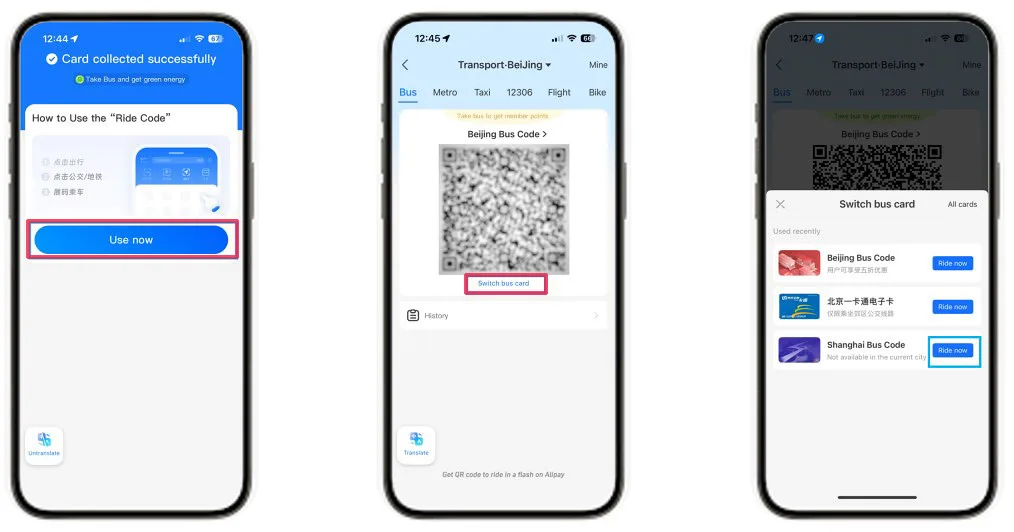
As of early 2026, China’s domestic infrastructure has achieved a state of near-total digital integration, where the smartphone has replaced the physical wallet in every facet of public movement. For the international visitor, the transition from paper tickets and cash to a unified digital interface represents both a technological leap and a logistical necessity. Alipay, operated by Ant Group, has emerged as the primary gateway for global travelers due to its localized English interface and the streamlined ability to bind foreign-issued credit cards, including Visa, Mastercard, and American Express. This evolution is the result of a multi-year effort by the People’s Bank of China (PBOC) and the Ministry of Transport to lower the "digital wall" that previously hindered short-term visitors. By 2026, the reliance on mobile wallets has shifted from a convenience to a total necessity for daily life, especially regarding urban and intercity mobility.

The Context of Digital Payment Evolution in China
The landscape of Chinese payment systems underwent a radical transformation between 2023 and 2025. Following a directive from the State Council in March 2024 titled "Opinions on Further Optimizing Payment Services and Improving Payment Convenience," financial institutions were mandated to simplify the onboarding process for overseas visitors. Prior to this, international travelers often faced significant hurdles, including the requirement for a local Chinese bank account or a domestic SIM card to access essential services like ride-hailing and metro gates.
By 2026, these barriers have largely been dismantled. Alipay now allows for higher transaction limits and simplified identity verification for foreign passport holders. Data from the Ministry of Culture and Tourism indicates that inbound tourism surged by 25% year-on-year in 2025, a growth largely attributed to the "144-hour visa-free transit" policy and the seamless integration of international credit cards into the domestic digital economy.

The Technical Foundation: Account Verification and Card Binding
Before utilizing the specific transport features of the app, travelers must complete a standardized verification process. This involves uploading a high-resolution image of their passport and performing a biometric facial scan. Once verified, the user can link their international card. It is noted by financial analysts that while Alipay facilitates the transaction, the exchange rate is typically determined by the issuing bank (e.g., Chase, HSBC, or Barclays), and travelers are advised to select cards with zero foreign transaction fees to optimize their spending.
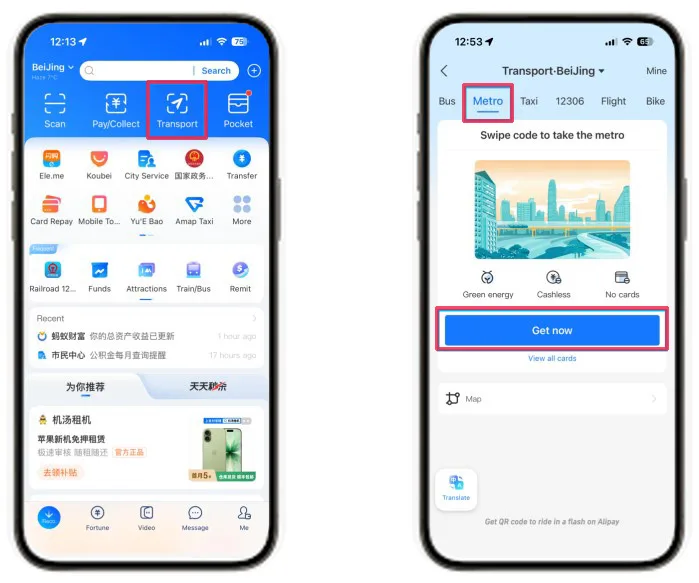
Once the account is active, the "Transport" hub within the app serves as the centralized control center for five primary modes of movement: the urban bus system, the metropolitan metro, ride-hailing services, high-speed rail, and shared micro-mobility.
Modernizing Urban Surface Transit: The Digital Bus Pass
The bus network remains the most cost-effective method for navigating Chinese Tier 1 and Tier 2 cities, with fares typically ranging from 1 to 5 RMB. However, the historic requirement for exact change or local physical "Jiaotong" cards has been phased out in favor of the Alipay Bus Code.
Activation and City Synchronization
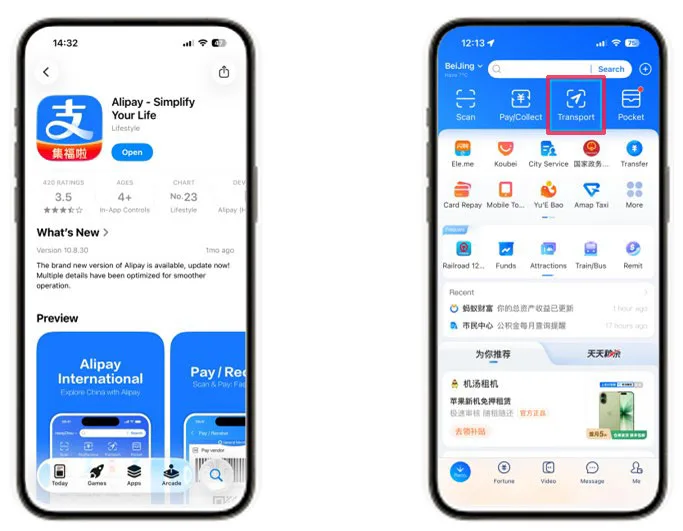
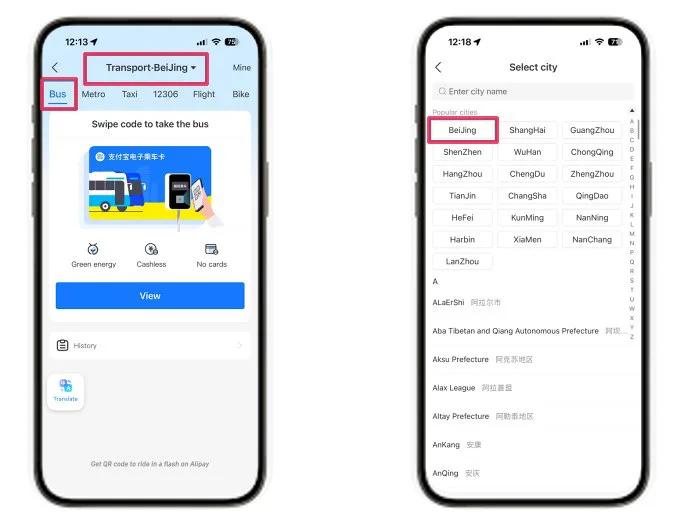
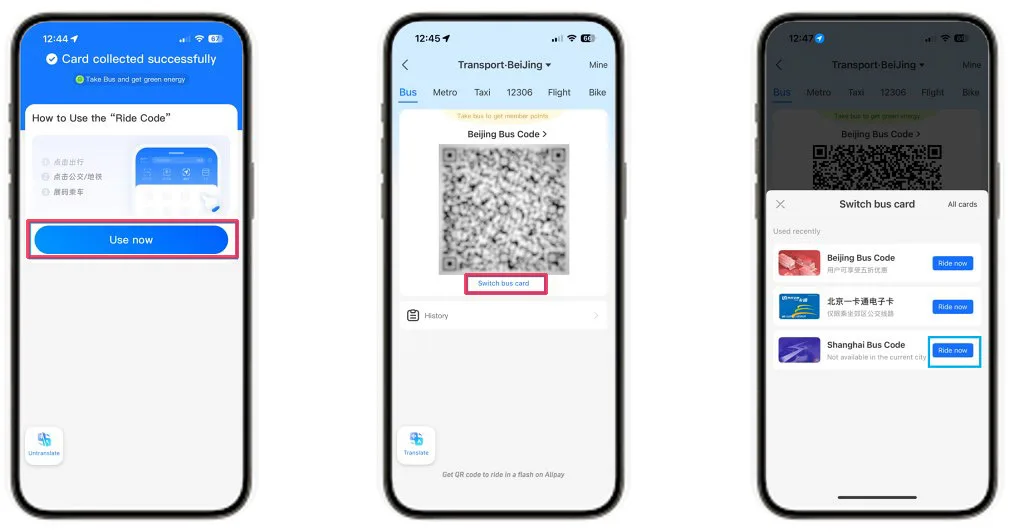
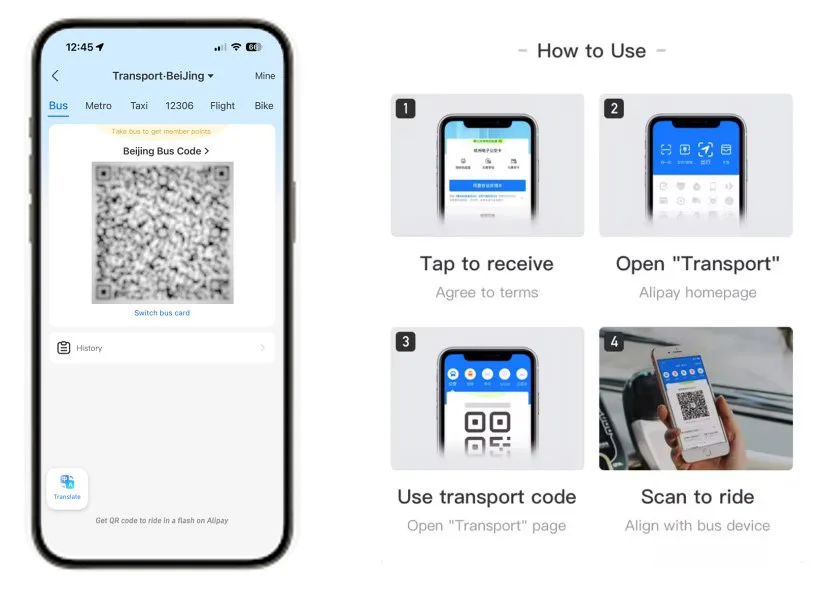
Users must access the "Transport" icon on the Alipay home screen. A critical step often overlooked by travelers is the manual synchronization of the city location. Because each municipality operates its own transit bureau, the app must be toggled to the specific city (e.g., Beijing, Xi’an, or Chengdu) to generate a valid QR code.
Transactional Security
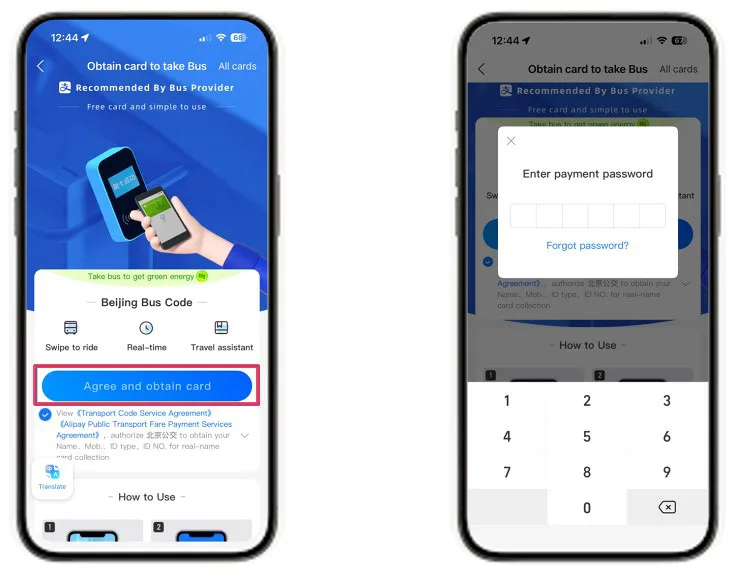
The activation process requires the user to sign a "Post-Payment" agreement, allowing the transit authority to deduct funds automatically after the ride is completed. This is secured by a mandatory 6-digit payment PIN entry. In cities like Beijing, the system utilizes a "scan-on, scan-off" model to calculate distance-based fares, whereas smaller networks may only require a single scan upon boarding.
The Metropolitan Metro: Navigating the World’s Largest Subways
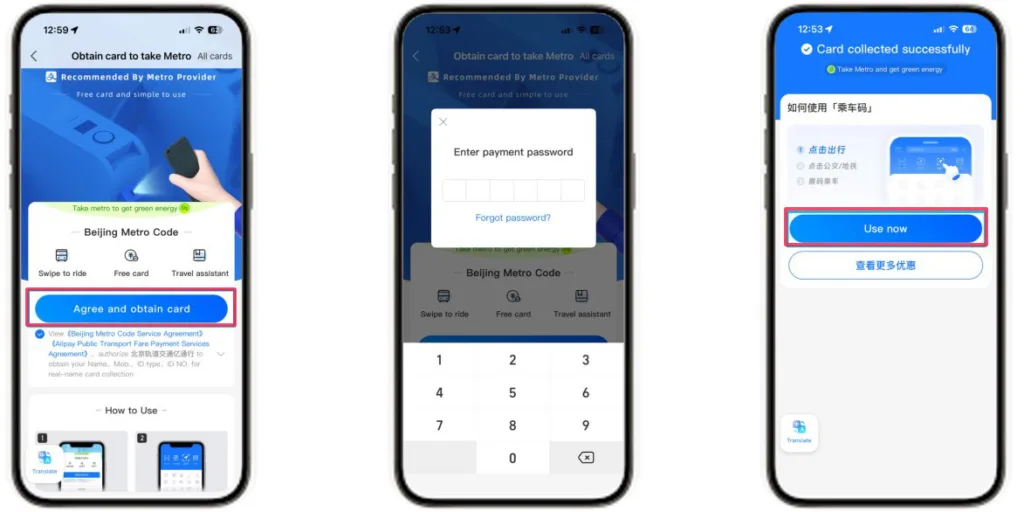
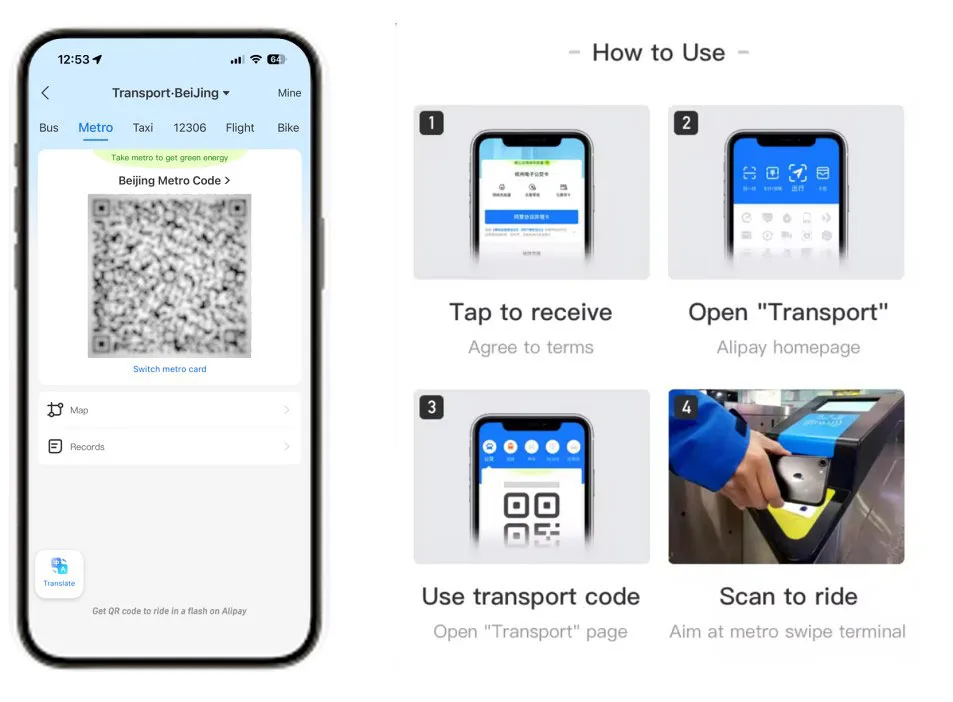
China currently boasts the world’s most extensive subway networks, with the Shanghai Metro alone spanning over 800 kilometers. By 2026, the physical token system has become a secondary backup, used primarily by those without smartphones. For the international traveler, the Alipay Metro Code provides an instantaneous "tap-and-go" experience.
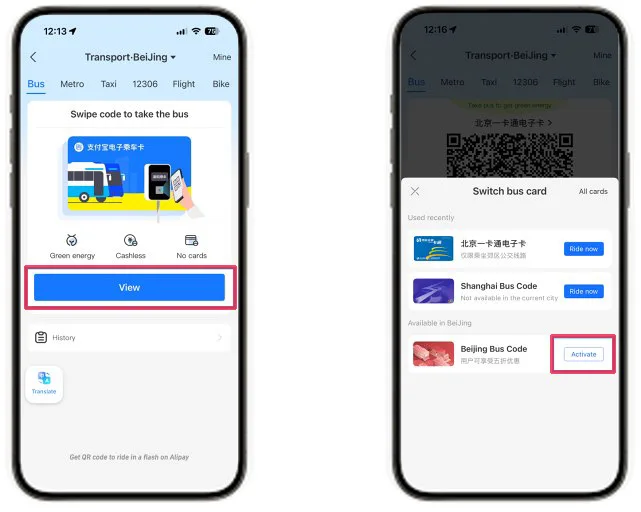
The process mirrors the bus activation but requires a separate authorization for the specific metro bureau of the city. Digital infrastructure experts point out that the 2026 version of the app utilizes Near Field Communication (NFC) and dynamic QR codes that refresh every minute to prevent fraud. Travelers are reminded that scanning out is mandatory; failure to scan out at the destination gate will result in a "stuck" transaction, requiring manual intervention at a service desk to reset the card for future use.
Ride-Hailing Integration: The Didi Chuxing Mini-Program
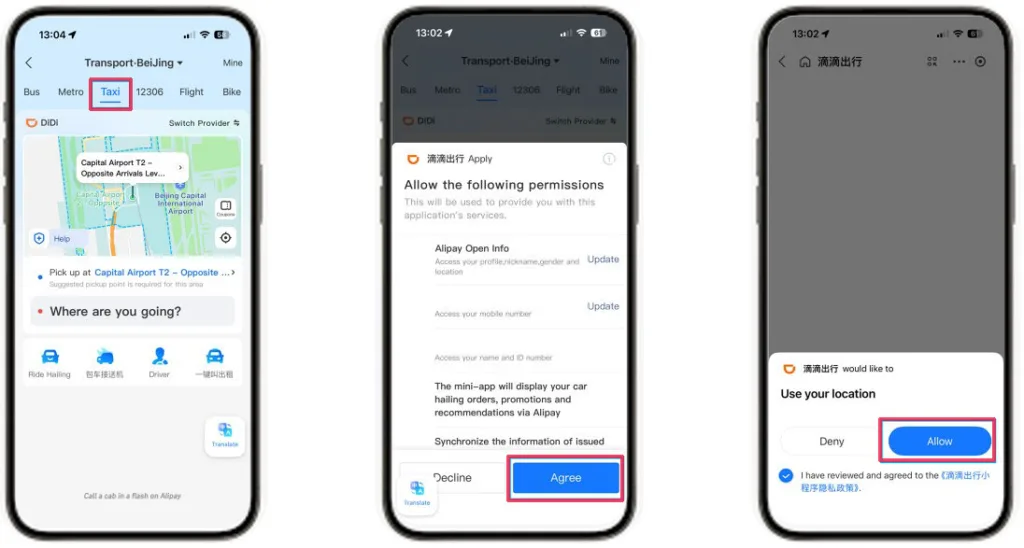
For journeys where public transit is insufficient, ride-hailing is the ubiquitous solution. Didi Chuxing, the dominant force in the Chinese market, operates as a mini-program within Alipay. This integration is vital for foreigners because the standalone Didi app often requires a +86 Chinese mobile number, whereas the Alipay mini-program can function using the traveler’s original international registration.
Service Tiers and Communication
The platform offers several vehicle tiers:
- Express (Pindao): Budget-friendly, standard vehicles.
- Premier (Zhuanche): High-end sedans with professional drivers.
- Taxi: Traditional metered cabs dispatched via the app.
A significant advancement in 2026 is the real-time translation feature. When a driver sends a message in Chinese, the app automatically translates it into English for the user, and vice versa. This has drastically reduced the friction of pickups in crowded areas like airports or shopping districts.
Intercity Connectivity: High-Speed Rail (HSR) and the 12306 System
China’s High-Speed Rail network, covering over 45,000 kilometers, is the premier choice for domestic travel. The official booking platform, Railway 12306, is integrated directly into Alipay. This is the only platform that offers tickets at face value without the service fees associated with third-party travel agencies.
The Real-Name Registration Requirement
In compliance with national security regulations, all train tickets are tied to a specific identity. Travelers must enter their passport details exactly as they appear on the document. By 2026, the system has been updated to recognize foreign name structures more accurately, reducing errors that previously occurred with middle names or suffixes.
The Paperless Boarding Protocol
One of the most significant shifts for travelers is the elimination of paper tickets. A traveler’s passport serves as their digital ticket. After booking on Alipay, the user simply proceeds to the "Manual Lane" or "Passport/ID Lane" at the station. Attendants scan the physical passport, which the system cross-references with the 12306 database to confirm the seat reservation.
Micro-Mobility: The Rise of Shared Bicycles and "P-Zones"
For "last-mile" transport, shared bicycles—specifically Hellobike (linked to the Alipay ecosystem)—have become an urban staple. By 2026, urban management policies have tightened, leading to the implementation of mandatory "P-Zones" (Parking Zones).
Operational Workflow
Users locate a bike via the in-app map, toggle between standard bicycles and e-bikes, and scan the QR code to unlock the vehicle via Bluetooth. The system includes a 60-second grace period; if a user discovers a mechanical fault, they can relock the bike within one minute without incurring a charge.
Regulatory Compliance and Penalties
To maintain urban order, bikes must be returned to designated blue-marked zones on the map. If a user attempts to end a ride outside of these zones, the app’s GPS-fencing technology will prevent the lock from engaging, and the user will continue to be billed. Continued violations can lead to a reduction in the user’s "Social Credit" or "Zhima Credit" score within the app, potentially limiting future access to deposit-free rentals.
Official Reactions and Industry Analysis
The streamlining of these services has drawn praise from international tourism boards. A spokesperson for the World Tourism Organization (UNWTO) recently noted that "China’s digital payment inclusivity serves as a blueprint for other nations seeking to modernize their transit infrastructure while remaining accessible to global citizens."
However, some digital rights advocates raise questions regarding data privacy, as the "Transport" hub requires access to real-time location data and personal identification. In response, Ant Group has stated that all data for international users is handled in accordance with stringent data protection protocols, ensuring that sensitive information is used solely for the purpose of transaction verification and transit security.
Broader Implications for the Future of Travel
The integration of Alipay into the Chinese transport fabric represents more than just a technological convenience; it is a shift toward a more inclusive global economy. As other regions, particularly in Southeast Asia and Europe, begin to explore unified payment systems, the Chinese model provides a case study in how public-private partnerships can harmonize fragmented transit networks.
For the traveler, the implications are clear: the barriers to exploring "off-the-beaten-path" locations in China have been significantly lowered. With a single app, a visitor can move from a high-speed train in Shanghai to a local bus in a rural village in Yunnan, all while maintaining a transparent, digital record of their expenses.
As China continues to refine its digital landscape, the 2026 transit ecosystem stands as a testament to the power of integrated technology. Travelers are encouraged to remain vigilant about phone battery life—given the total reliance on the device—and to keep their physical passports accessible for security checks. In this new era of movement, the smartphone is the ticket, the map, and the currency, all in one.