Dwi Wanna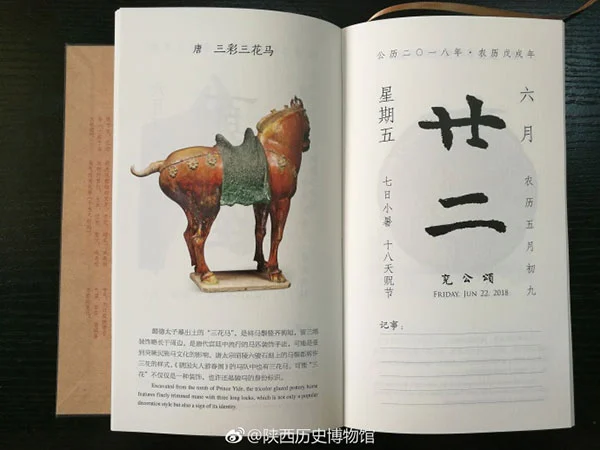
The Shaanxi History Museum has unveiled its inaugural cultural relics calendar, a meticulously curated publication designed to bring the grandeur of ancient Chinese artifacts into daily life. Released on Tuesday, the 2018 "Shaanxi History Museum Calendar," themed "Glamour of Chang’an, the Tang Treasures," features 365 exquisite pieces from the museum’s esteemed collection, offering a year-long journey through China’s rich historical and artistic heritage. This ambitious project represents a significant collaboration, drawing on the expertise of Shaanxi History Museum curators and the successful design acumen of the team behind the highly popular "Palace Museum Calendar."
A Unique Fusion of Art, History, and Daily Life
The "Shaanxi History Museum Calendar" is designed to be more than just a temporal marker; it is a visual and educational experience. Each page thoughtfully balances aesthetic appeal with informative content. The left-hand side of the calendar is dedicated to showcasing high-quality images of carefully selected cultural relics, accompanied by bilingual Chinese-English introductions. These descriptions delve into the historical significance, artistic merit, and provenance of each artifact, providing a concise yet insightful glimpse into China’s past. This dual-language approach ensures accessibility for a broader audience, fostering understanding and appreciation across linguistic divides.
The right-hand side of each page is dedicated to practical functionality. It features the dates of the month, ample space for personal note-taking, and a unique artistic touch: the dates and traditional Chinese festivals are rendered in calligraphy drawn from ancient masters’ inscriptions. This element not only adds a layer of historical authenticity but also transforms the functional calendar into a piece of art in itself, subtly educating users about historical calligraphy styles and their significance. The overall design aims to integrate the beauty and knowledge of China’s past seamlessly into the rhythm of contemporary life.
Deep Roots in Shaanxi’s Storied Past
Shaanxi province holds a paramount position in Chinese history, having served as the capital for numerous dynasties, including the pivotal Zhou, Qin, Han, and Tang dynasties. Chang’an, the ancient name for modern-day Xi’an, the provincial capital of Shaanxi, was one of the most cosmopolitan and influential cities in the world during its zenith, particularly under the Tang Dynasty (618-907 AD). It was a major hub on the Silk Road, facilitating trade, cultural exchange, and the dissemination of ideas between East and West.
The Shaanxi History Museum, established in 1983 and opened to the public in 1991, is a repository of the province’s immense historical wealth. Its collection spans over 1.7 million artifacts, encompassing a vast array of pottery, bronzes, jade, gold and silver objects, murals, and textiles, many of which are considered national treasures. The museum’s mission is to preserve, study, and exhibit these invaluable relics, making the history of Shaanxi and, by extension, China, accessible to scholars, students, and the general public. The decision to release a calendar specifically highlighting Tang Dynasty treasures underscores the profound legacy of this era, renowned for its cultural brilliance, economic prosperity, and openness to foreign influences.
A Strategic Partnership for Cultural Dissemination
The collaboration with the design team behind the "Palace Museum Calendar" is a strategic move aimed at leveraging a proven model of success. The "Palace Museum Calendar," produced by the Palace Museum in Beijing (the former Forbidden City), has consistently been a bestseller, demonstrating a strong market demand for high-quality, culturally rich calendars. This partnership allows the Shaanxi History Museum to benefit from established design principles, production expertise, and marketing strategies, ensuring a wider reach and impact for their own publication.
This collaborative approach highlights a growing trend among major cultural institutions in China to find innovative ways to engage the public and promote their collections beyond the traditional museum setting. By transforming artifacts into accessible, daily-use items, these institutions are democratizing access to cultural heritage and fostering a deeper connection between the public and their history. The success of such initiatives can also translate into increased visitor numbers and greater public awareness, ultimately supporting the preservation and study of these invaluable historical assets.
Content Highlights: Glimpses of Tang Dynasty Grandeur
While the calendar features 365 distinct pieces, the theme "Glamour of Chang’an, the Tang Treasures" suggests a strong emphasis on artifacts from the Tang Dynasty, a period often considered a golden age of Chinese civilization. Visitors and users of the calendar can expect to encounter a diverse range of objects that illuminate various facets of Tang life and artistry:
- Gilded Silver and Gold Objects: The Tang Dynasty was known for its exquisite craftsmanship in precious metals. The calendar may feature intricate ewers, bowls, plates, and decorative items adorned with floral motifs, mythical creatures, and scenes of courtly life. These objects often reflect the opulence of the Tang aristocracy and the influence of Central Asian and Persian artistic styles, brought through trade along the Silk Road.
- Pottery and Ceramics: Tang sancai (three-color) pottery is iconic, characterized by its vibrant glazes of green, amber, and cream. The calendar might showcase figures of court ladies, foreign envoys, camels, and horses, which were often buried in tombs and provide invaluable insights into Tang society, fashion, and international relations. Beyond sancai, exquisite examples of celadon and white porcelain could also be featured, hinting at the advancements in ceramic technology.
- Jade Carvings: Jade held significant cultural and symbolic importance in ancient China. Tang Dynasty jade carvings might include intricate belt buckles, hairpins, pendants, and ritualistic objects, showcasing the skill of artisans in carving this precious stone into delicate and meaningful forms.
- Buddhist Art: Buddhism flourished during the Tang Dynasty, leading to the creation of magnificent Buddhist sculptures, murals, and artifacts. The calendar could feature examples of serene Buddha figures, Bodhisattvas, or fragments of tomb murals depicting religious processions or scenes from Buddhist scriptures, reflecting the spiritual landscape of the era.
- Calligraphy and Painting: While original Tang Dynasty paintings and calligraphic works are exceptionally rare and precious, the calendar might feature rubbings from stone inscriptions or high-quality reproductions of surviving examples, showcasing the elegant brushwork and literary content that characterized Tang artistic expression.
- Objects of Daily Life: Beyond the overtly luxurious, the calendar could also include items that offer glimpses into the everyday lives of Tang people, such as bronze mirrors, lacquerware, or even fragments of textiles, illustrating the practical artistry that permeated all levels of society.
The selection of these 365 pieces is likely to have been a rigorous process, aiming to present a representative cross-section of the museum’s most significant and visually appealing holdings from this era and beyond, offering a comprehensive visual narrative of Shaanxi’s historical legacy.
Broader Implications and Cultural Impact
The release of the "Shaanxi History Museum Calendar" signifies more than just the launch of a new product; it represents a strategic initiative by a major cultural institution to broaden its engagement with the public and enhance the visibility of China’s historical heritage. Several implications can be drawn from this development:
- Democratization of Cultural Heritage: By making high-quality images of museum artifacts available in an accessible format, the calendar allows a wider audience, including those who may not have the opportunity to visit the museum in person, to experience and appreciate China’s rich cultural legacy. This fosters a sense of national pride and a greater understanding of historical context among the general populace.
- Educational Tool: The bilingual descriptions and the focus on specific historical periods or themes make the calendar a valuable educational resource. It can serve as a supplementary learning tool for students of history, art, and culture, as well as for individuals seeking to deepen their knowledge of ancient China.
- Economic Potential: The success of the "Palace Museum Calendar" indicates a significant market for such products. The "Shaanxi History Museum Calendar" has the potential to generate revenue for the museum, which can then be reinvested in conservation, research, and public programming. Furthermore, it can contribute to the broader cultural tourism industry in Shaanxi by raising awareness and interest in the province’s historical sites and museums.
- Global Cultural Diplomacy: Highlighting the treasures of Shaanxi, particularly those from the Tang Dynasty which was a period of significant international exchange, can contribute to China’s soft power and cultural diplomacy efforts. By sharing its historical and artistic heritage, China can foster greater understanding and appreciation among international audiences.
- Innovation in Museum Engagement: This initiative is part of a growing trend among museums worldwide to explore innovative ways of engaging with their audiences beyond traditional exhibitions. The use of digital platforms, merchandise, and participatory programs is becoming increasingly important for museums to remain relevant and accessible in the 21st century. The calendar is a tangible manifestation of this forward-thinking approach.
The "Shaanxi History Museum Calendar" is thus poised to be a significant contribution to the dissemination of cultural knowledge, offering a year-long immersion into the splendors of ancient China, curated with expertise and presented with artistic flair. It serves as a testament to the enduring power of historical artifacts to connect us with our past and enrich our present.


 Nana Muazin