Nana Muazin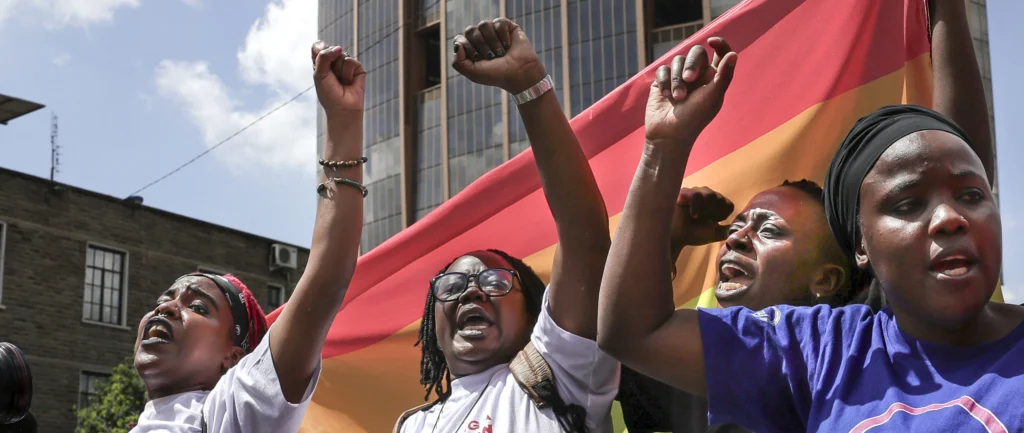
The global landscape for gender justice is currently navigating a period of unprecedented volatility, marked by both regressive legislative shifts and a burgeoning movement of grassroots resistance. Against this backdrop, an Amnesty International delegation, led by Secretary General Agnès Callamard, has arrived in New York for the 70th session of the Commission on the Status of Women (CSW70). Taking place from March 9 to 19, this high-level assembly serves as the primary global intergovernmental body dedicated exclusively to the promotion of gender equality and the empowerment of women. Amnesty International’s presence this year is defined by a rigorous demand for accountability, particularly in light of the "Epstein files" scandal, which the organization identifies as a glaring symptom of the systemic impunity enjoyed by powerful actors.
The delegation’s primary objectives focus on three critical pillars: strengthening access to justice for survivors of gender-based violence (GBV), protecting sexual and reproductive rights, and establishing robust safeguards for women human rights defenders. As the session commences, the organization is highlighting a new briefing titled "Humanity Must Win: and it does when we stand together for gender justice," which documents the resilience of activists who continue to operate despite the shrinking of civic spaces and the rise of well-funded anti-rights movements.
The Intersection of Elite Impunity and Gender Justice
A central theme of Amnesty International’s advocacy at CSW70 is the exposure of global criminal networks that facilitate the exploitation of women and girls. The recent unsealing of documents related to the Jeffrey Epstein case—widely referred to as the "Epstein Files"—has provided a stark illustration of how men in the highest echelons of politics, finance, and culture have allegedly engaged in large-scale sexual abuse with minimal legal consequence for decades.
Agnès Callamard has emphasized that the Epstein scandal is not an isolated phenomenon but rather a manifestation of structural inequality and misogyny. The briefing argues that the same mechanisms of power that shield high-profile abusers also work to impede the rights of women and girls globally. This "systemic impunity" allows for the corruption of governments and markets, effectively entrenching a culture where survivors are often revictimized through the nonconsensual disclosure of sensitive data or the denial of truth and redress. At CSW70, Amnesty International is calling on UN member states to name these forces and ensure that international accountability mechanisms function without "fear or favor," regardless of the status of the perpetrators.
The Rise of Coordinated Anti-Rights Movements
The 70th session of the CSW arrives at a time when gender justice is under concerted attack from what Amnesty International describes as "well-funded, highly coordinated anti-rights movements." These movements, often emboldened or directly supported by state actors such as the governments of Russia and the United States, are working to dismantle decades of progress in women’s rights.
According to the organization, powerful states are increasingly "weaponizing" gender to justify domestic repression and the adoption of punitive laws. This strategy often involves the spreading of "moral panic" through disinformation and hateful narratives, frequently disseminated by corporate or non-state actors. The goal of these forces is the control of women’s bodily autonomy and the imposition of a violent denial of rights. This coordinated backlash has contributed to a significant shrinking of civic space, making it increasingly dangerous for activists to organize and advocate for basic human rights.
A Chronology of Global Regression and Resistance
To understand the urgency of CSW70, it is necessary to examine the timeline of events that have shaped the current human rights climate. Over the past five years, the world has seen a dramatic polarization of gender-related policies.
- 2021-2022: The Resurgence of State-Led Repression: Following the Taliban’s takeover in Afghanistan, women and girls were systematically excluded from public life, education, and the workforce. Simultaneously, in the United States, the overturning of Roe v. Wade signaled a major retreat in reproductive rights, emboldening anti-choice movements globally.
- 2023: The Year of Digital and Legal Crackdowns: Countries like Iran and China intensified their surveillance and censorship of feminist activists. In Russia, "LGBT movements" were designated as extremist organizations, further marginalizing gender minorities.
- Early 2024: The Unsealing of the Epstein Documents: The release of court records related to the Epstein scandal brought the issue of elite impunity back to the forefront of global discourse, providing a catalyst for Amnesty International’s current campaign at the UN.
- March 2024: The Convening of CSW70: The current session serves as a critical juncture for member states to decide whether to succumb to the "anti-rights" tide or reinforce the international framework for gender equality.
Case Studies in Resilience: The "Humanity Must Win" Briefing
Despite the global backlash, Amnesty International’s new briefing highlights several key victories and ongoing struggles that demonstrate the power of collective action. These examples serve as a roadmap for resistance in an era of hostility.
Legal Victories in Malawi
In a landmark ruling, activists in Malawi secured a court decision affirming access to abortion for survivors of rape. This was a significant achievement in a region where reproductive healthcare is often heavily restricted. The ruling underscored the importance of a functional and independent judiciary in protecting the rights of the most vulnerable.
Resistance in Afghanistan and China
In Afghanistan, despite the severe risks of detention and torture, women continue to organize clandestine schools and protest against the Taliban’s "gender apartheid." Similarly, in China, feminist activists are finding innovative ways to bypass state censorship to document abuses and demand accountability for workplace sexual harassment, continuing the spirit of the #MeToo movement under extreme duress.
Solidarity with Palestine
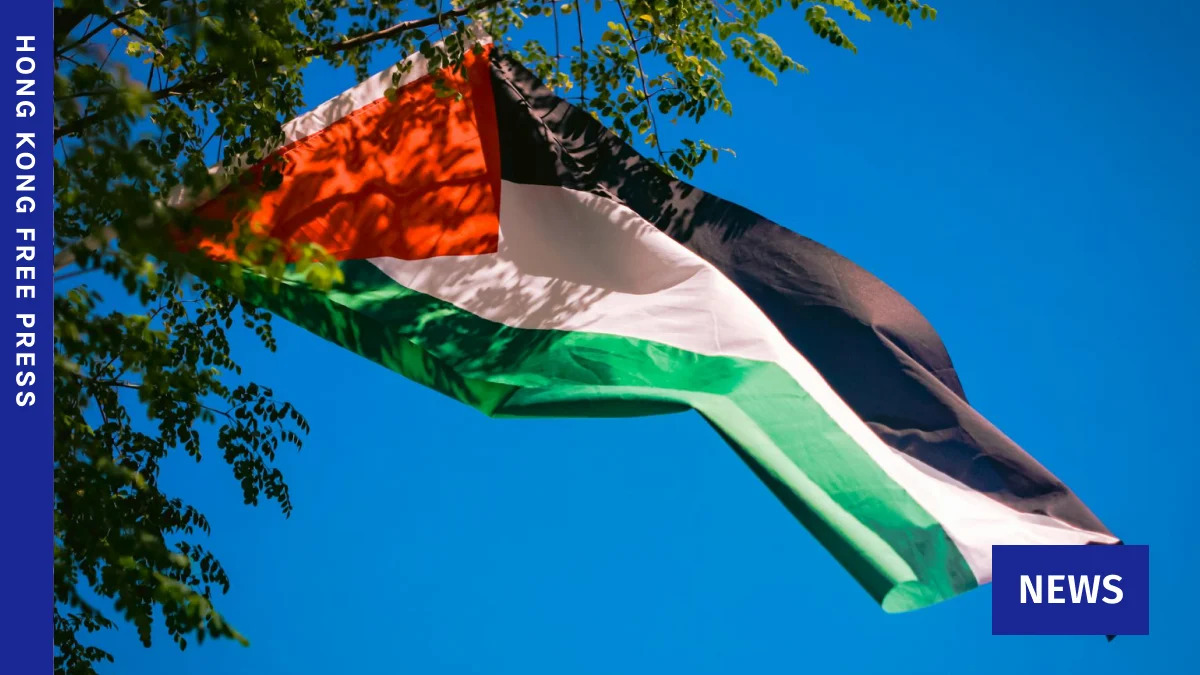
The briefing also notes the role of women human rights defenders in demanding accountability for what they describe as Israel’s military actions in Gaza. This intersectional approach links gender justice with broader anti-war and anti-colonial movements, highlighting the disproportionate impact of conflict on women and children.
Rights Advocacy in Latin America and Hungary
In Latin America, the "Green Wave" movement continues to push for the expansion of sexual and reproductive rights, successfully influencing legislation in several nations. Meanwhile, in Hungary, activists are battling to ensure that LGBTI people can exercise their right to peaceful assembly in the face of government-sponsored homophobia and transphobia.
Barriers to Participation and Multilateral Inequity
A significant concern raised by Agnès Callamard is the physical and financial exclusion of many activists from the CSW70 proceedings. Due to "safety concerns, border violence, visa restrictions," and a funding crisis exacerbated by the slashing of international aid, many feminist organizations from the Global South are unable to attend the New York summit.
This exclusion limits meaningful access to multilateral spaces, often leaving the conversation to be dominated by well-funded state delegations and NGOs that may not represent the lived realities of those on the front lines. Amnesty International argues that these pervasive inequities are a deliberate byproduct of the "shrinking civic space" they are fighting to reopen.
Data and Implications: The Cost of Inaction
Supporting data from various international bodies reinforces Amnesty International’s urgency. According to UN Women, at the current rate of progress, it may take close to 300 years to achieve full gender equality. Furthermore, the World Health Organization reports that nearly one in three women worldwide has been subjected to physical or sexual violence in their lifetime.
The economic implications are equally staggering. The failure to address gender-based violence and the exclusion of women from the economy results in trillions of dollars in lost global GDP. However, the briefing "Humanity Must Win" argues that the human cost—the loss of dignity, autonomy, and life—is the most profound consequence of the current backlash.
The implications of the CSW70 outcomes will be far-reaching. If the Commission fails to address the "systemic impunity" highlighted by the Epstein scandal and the coordinated attacks by anti-rights movements, it risks becoming an obsolete forum. Conversely, if member states adopt the recommendations put forward by Amnesty International and its civil society partners, it could mark the beginning of a renewed global commitment to human rights.
Conclusion: A Call for Collective Action
As the 70th session of the Commission on the Status of Women continues, the message from Amnesty International is clear: the defense of gender justice cannot be left to states alone. The "collective power of communities" is the most effective tool against repression. By naming the actors behind the attacks on rights and organizing through acts of solidarity, activists are proving that even in the face of daunting barriers, progress is possible.
The delegation led by Agnès Callamard remains focused on ensuring that the voices of those who could not travel to New York are heard within the halls of the United Nations. The briefing released today serves as both a warning of the threats ahead and a testament to the "thousands of everyday acts of courage" that define the modern movement for gender equality. For the international community, the challenge now lies in translating the rhetoric of the CSW into tangible protections and justice for women and girls everywhere.

 Siti Muinah
 Layla Zulfa