
 Rifan Muazin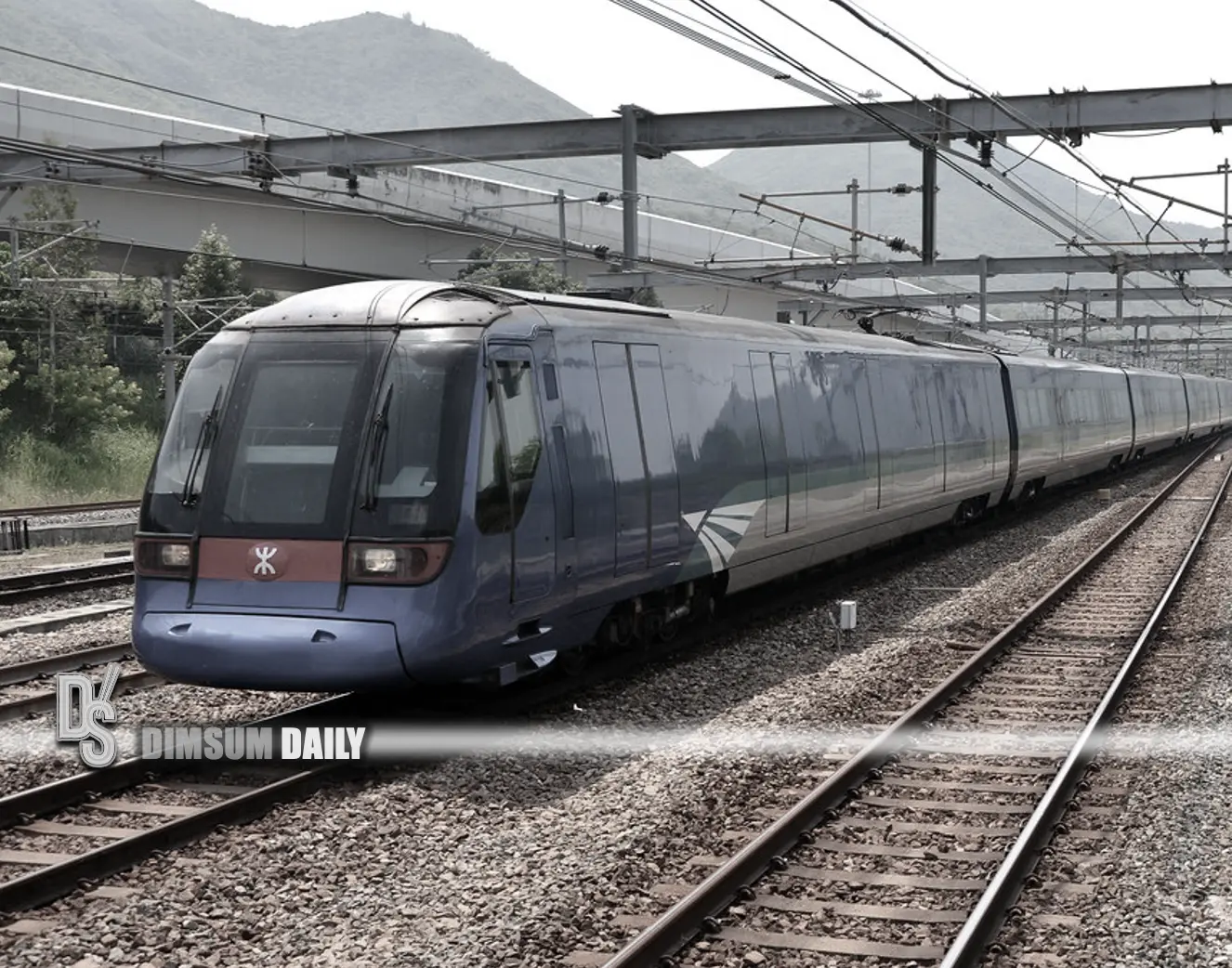
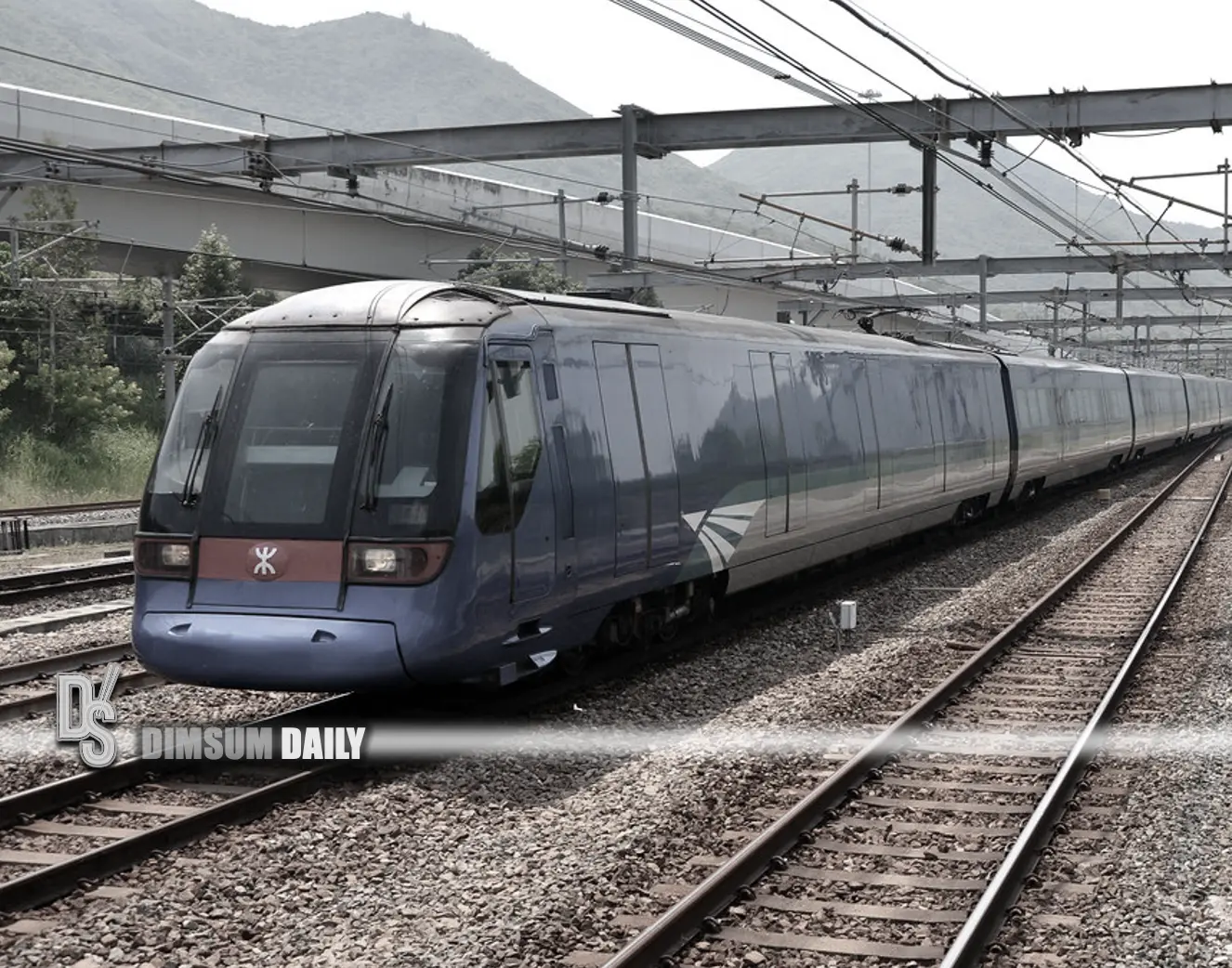
Commuters travelling on the Airport Express and Tung Chung Line faced significant disruption on Sunday evening, April 5th, 2026, following a reported signalling fault that occurred near the MTR Corporation’s Siu Ho Wan Depot. The incident, which began to affect services around 7:00 PM Hong Kong time, led to extended travel times for thousands of passengers. The MTR Corporation officially announced that train journeys on both critical lines would experience delays of an additional 15 to 20 minutes as a direct consequence of the equipment malfunction. This unexpected disruption necessitated immediate adjustments to travel plans for many, particularly those relying on the Airport Express for time-sensitive journeys.
Chronology of the Disruption
The first official notification of the signalling fault was disseminated by the MTR Corporation at approximately 7:00 PM on Sunday, April 5th, 2026. At this time, passengers on the Airport Express and Tung Chung Line began to experience noticeable increases in journey duration. The fault was precisely located in the vicinity of the Siu Ho Wan Depot, a key operational hub for the MTR’s rail infrastructure.
Within an hour of the initial announcement, around 8:00 PM, the MTR Corporation implemented a crucial change to its in-town check-in procedures. Recognizing the potential for widespread impact on air travellers, the corporation revised the cut-off time for in-town check-in services. Passengers were informed that they would now be required to complete their check-in at least 120 minutes (two hours) prior to their scheduled flight departure. This represented a significant increase from the usual requirement of 90 minutes, a measure designed to mitigate the risk of passengers missing their flights due to the extended rail journey times.
Throughout the evening and into the night, MTR maintenance crews worked diligently to diagnose and rectify the signalling issue. While specific details regarding the exact nature of the fault were not immediately released, the focus was on restoring full operational capacity as swiftly as possible. The duration of the delays remained at the estimated 15 to 20 minutes for the majority of the evening, impacting services until the fault was successfully resolved and normal operations could resume.
Background and Context
The Airport Express, operated by the MTR Corporation, is a vital arterial link connecting Hong Kong International Airport (HKIA) with the city’s central business district and other key urban areas. Its efficiency and punctuality are paramount, not only for local commuters but also for the millions of international and regional travellers who rely on it for seamless airport access. Similarly, the Tung Chung Line serves as a crucial corridor for residents of the Tung Chung district and other New Territories communities, also providing access to the airport and Lantau Island.
Siu Ho Wan Depot is one of the MTR’s primary maintenance and stabling facilities. It plays a critical role in the daily operations of multiple railway lines, including the Airport Express and Tung Chung Line, which share trackage for a significant portion of their routes. Signalling systems are the backbone of any modern railway network, responsible for controlling train movements, ensuring safe spacing, and optimizing traffic flow. A fault in such a system, particularly one impacting a critical junction or a high-frequency route, can have cascading effects across the entire network.
This incident occurred on a Sunday evening, a period when passenger volumes can still be substantial, especially with ongoing travel and a return from weekend excursions. The timing of the fault meant that it directly impacted individuals heading to the airport for late-night flights or returning from international travel, as well as residents using the Tung Chung Line.
Impact on Travellers and In-Town Check-In
The most immediate and tangible impact of the signalling fault was the inconvenience and stress experienced by passengers. The additional 15 to 20 minutes added to journeys that are typically short and efficient meant that many commuters, particularly those with tight schedules, found themselves facing uncertainty and potential delays.
For travellers heading to HKIA, the extended journey time posed a significant challenge, especially in light of the revised in-town check-in deadline. The MTR’s in-town check-in facilities at Hong Kong Station and Kowloon Station are designed to streamline the airport experience, allowing passengers to check their luggage and obtain boarding passes before reaching the airport. By moving the cut-off time from 90 minutes to 120 minutes before departure, the MTR Corporation was attempting to account for the extended travel time to the airport. This adjustment, however, meant that passengers had to re-plan their departure from home or their office even earlier, potentially leading to longer waiting times at the stations or increased time spent at the airport itself.
The MTR Corporation’s advisory for travellers to "allow extra time for their journeys" served as a clear indication of the seriousness of the situation and the need for proactive planning by passengers. This advice underscores the interconnectedness of public transport and air travel, where disruptions to one can have significant ripple effects on the other.
Supporting Data and Potential Implications
While specific figures on the exact number of affected passengers were not immediately available, the Airport Express typically carries tens of thousands of passengers daily, with a significant portion being international travellers. The Tung Chung Line also serves a densely populated residential area. Therefore, the disruption likely affected a substantial number of individuals.
The reliance on the Airport Express for timely access to HKIA highlights the economic importance of reliable public transportation. Delays, even seemingly minor ones, can have broader implications:
- Economic Costs: For business travellers, missed meetings or crucial appointments can result in significant financial losses. For airlines, a passenger missing a flight due to public transport delays can lead to empty seats, administrative costs, and customer dissatisfaction.
- Reputational Damage: Hong Kong’s reputation as a global hub is partly built on its efficient infrastructure, including its transport links. Repeated or prolonged disruptions can tarnish this image.
- Passenger Confidence: Consistent reliability is key to maintaining public trust in the MTR Corporation. Any incident that undermines this can lead to a decline in passenger confidence and a potential shift to alternative, albeit often less efficient, modes of transport.
Official Responses and Mitigation Efforts
The MTR Corporation’s swift announcement and the adjustment of the in-town check-in cut-off time demonstrate a proactive approach to managing the immediate consequences of the signalling fault. The corporation’s primary responsibility in such situations is to ensure passenger safety and to restore services as quickly and efficiently as possible.
"We understand the inconvenience this disruption has caused to our passengers, especially those travelling to the airport," a spokesperson for the MTR Corporation might have stated, had an official statement been released beyond the initial service announcements. "Our engineering teams have been working around the clock to identify and resolve the issue. We appreciate the public’s understanding and cooperation as we work to bring services back to normal."
The decision to extend the in-town check-in window is a standard operational procedure designed to mitigate the impact on air travellers. It reflects a balance between ensuring passengers reach their flights and managing the operational constraints imposed by the signalling fault.
Broader Impact and Future Considerations
This incident serves as a reminder of the inherent vulnerabilities in complex urban infrastructure systems. Signalling systems, while highly sophisticated, are susceptible to technical failures, which can be triggered by a variety of factors, including equipment wear and tear, environmental conditions, or unforeseen technical glitches.
The MTR Corporation, like all major public transport operators, invests heavily in maintaining its infrastructure and implementing redundant systems to minimize the impact of such events. However, the nature of these systems means that occasional disruptions are almost inevitable.
Looking ahead, this event may prompt further review of:
- Contingency Planning: The effectiveness of existing contingency plans for signalling faults and the speed of their implementation.
- Technology Upgrades: The ongoing need for investment in state-of-the-art signalling technology to enhance reliability and resilience.
- Passenger Communication: The channels and clarity of communication during disruptions to ensure passengers are well-informed and can make informed decisions.
While the immediate disruption was managed, the incident underscores the critical importance of robust and resilient public transportation networks for the functioning of a global city like Hong Kong. The MTR Corporation’s ability to swiftly address the issue and its communication with the public were key factors in mitigating the broader impact of the signalling fault. The focus will now be on ensuring such incidents are minimized through continuous maintenance and technological advancement.

 Laily UPN
 Asep Darmawan