Lina Hope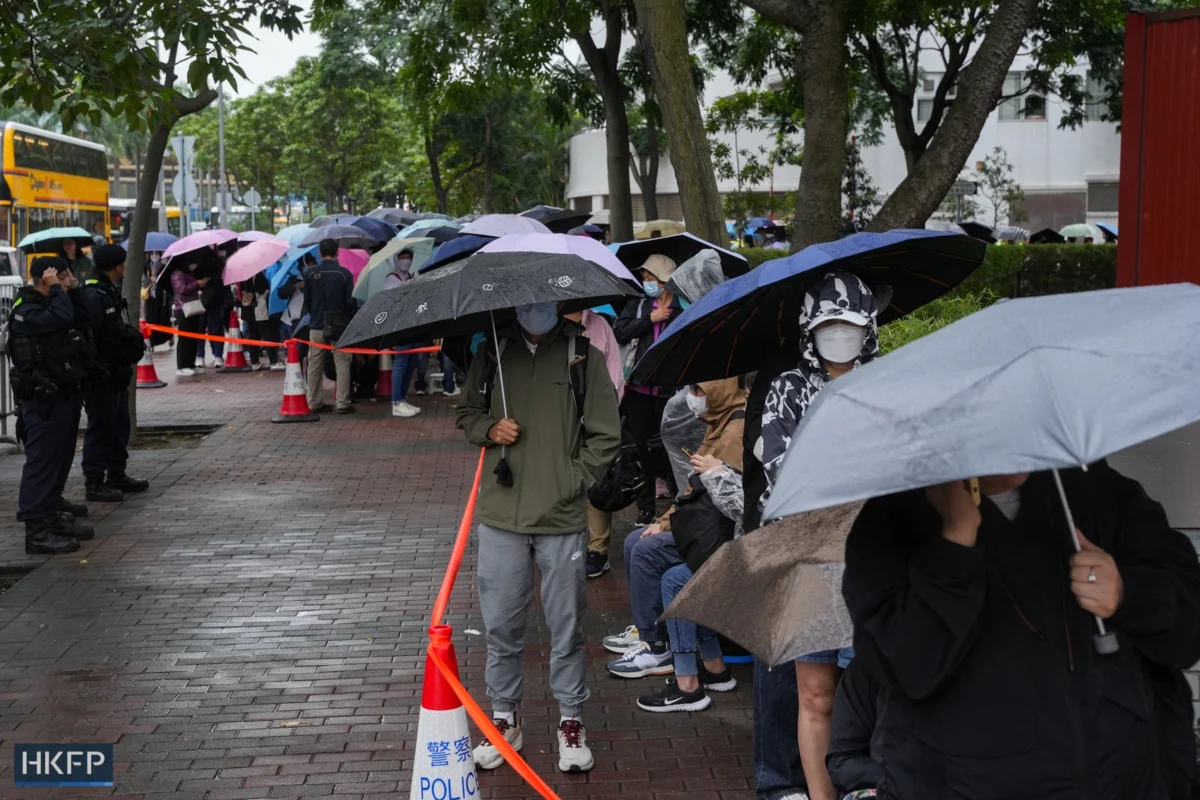
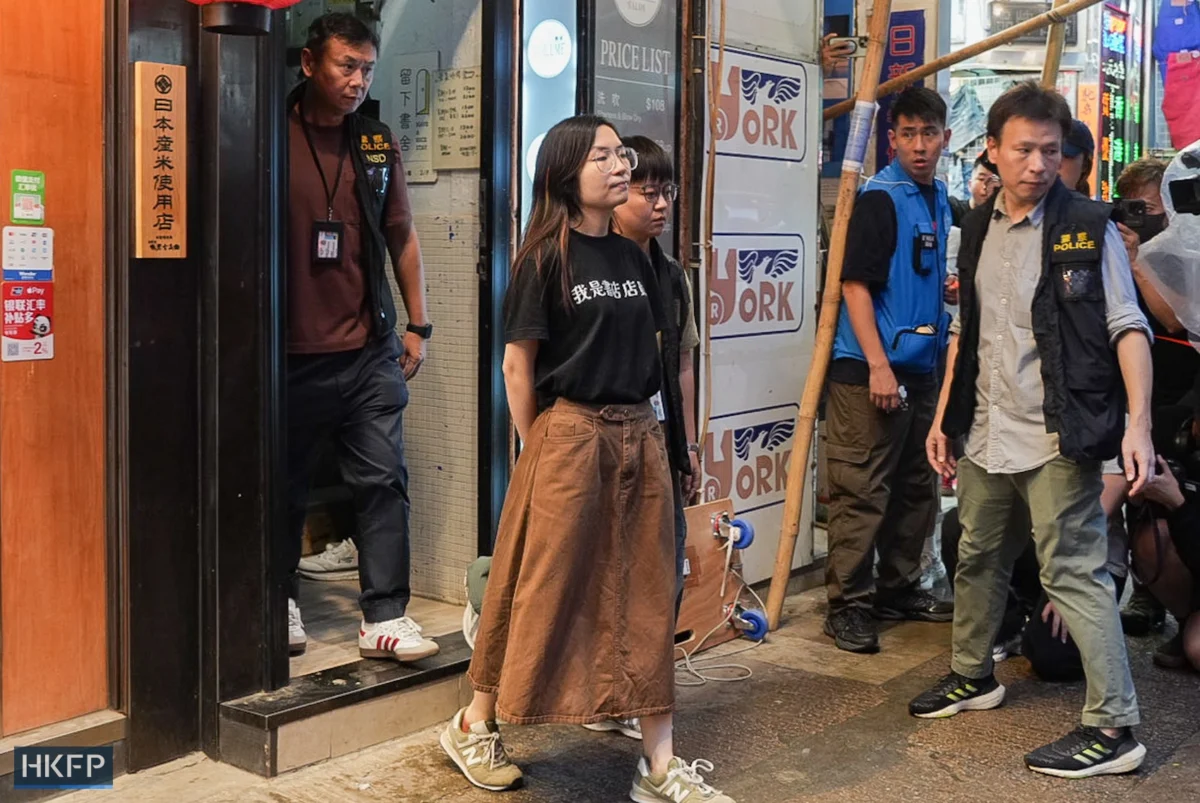
Ng Kin-wai, a former pro-democracy district councillor, has been released from prison after serving five years and seven months for his role in the landmark "Hong Kong 47" national security case. His release on Friday marks another step in the ongoing legal saga that has seen numerous opposition figures incarcerated under Beijing’s sweeping national security legislation. Ng, once a vocal advocate for democratic reforms in the Yuen Long district, emerged from Shek Pik Prison on Lantau Island in the early hours of the morning, with media reports indicating the departure of several curtained vehicles from the facility.
The 31-year-old activist was later seen in Yuen Long, where he shared breakfast with a former colleague from the District Council. Addressing reporters gathered to hear about his newfound freedom, Ng wore the same grey suit he had donned during a mitigation hearing in 2024. He conveyed a resolute stance on his past pro-democracy activism, stating that he harboured no regrets. "In the past five years and seven months, I have been sad, confused, and angry – but I have also been proud of myself," Ng stated in Cantonese. "Because I chose what I believed was best for the future of Hong Kong at that time, and I chose to sacrifice." His words reflect a deep-seated conviction in his political beliefs, even in the face of significant personal cost.

The "Hong Kong 47" case stems from an unofficial primary election held in July 2020. This initiative, organized by the city’s pro-democracy camp, aimed to select candidates who would maximize their chances of securing a legislative majority in the upcoming elections. The strategic objective behind this move was to leverage any potential majority to veto government budgets, thereby pressuring Beijing for political concessions, most notably universal suffrage. This plan was formulated in the aftermath of the widespread pro-democracy protests and unrest that had gripped Hong Kong throughout 2019.
The crackdown began with dawn raids in January 2021, during which numerous pro-democracy figures associated with the primary election were arrested. Ultimately, 47 individuals were charged with conspiracy to subvert state power, a charge brought under the national security law imposed by Beijing. A court ruling in 2024 concluded that the primary election scheme, if successful, would have precipitated a "constitutional crisis" within the territory. This judicial finding underscored the authorities’ perspective that the actions of the defendants posed a direct threat to the established political order.
The convictions and subsequent sentencing in the "Hong Kong 47" case have had a profound impact on Hong Kong’s political landscape. Forty-five defendants were found guilty and received jail terms ranging up to a decade, while two individuals were acquitted. Ng Kin-wai is now the 22nd defendant to have completed their sentence in this high-profile national security case. His release signifies a milestone for those who have endured lengthy periods of incarceration.

Timeline of Key Events in the "Hong Kong 47" Case:
- July 2020: The pro-democracy camp organizes an unofficial primary election to select candidates for Legislative Council elections, aiming to achieve a legislative majority.
- January 2021: Police conduct dawn raids, arresting 53 pro-democracy figures connected to the primary.
- February 2021: 47 individuals are formally charged with conspiracy to subvert state power under the national security law.
- March 2021 onwards: Defendants are held in custody for extended periods as their legal proceedings commence, with many denied bail.
- November 2024: A court rules that the primary election scheme would have led to a "constitutional crisis." 45 defendants are convicted, and two are acquitted. Sentences are handed down.
- December 2024 onwards: Defendants begin to serve their sentences, with individuals gradually completing their terms and being released. Ng Kin-wai’s release on [Insert Specific Date of Release if known, otherwise use the general "Friday"] marks a significant point in this ongoing process.
Ng’s comments upon his release highlighted the stark shift in Hong Kong’s political reality. "We have to face reality, but that doesn’t mean we have to accept that reality," he declared. He articulated a belief in the enduring human desire for freedom and justice, stating, "Humanity has a passionate desire for freedom and justice. The future is created by people with strong beliefs who persistently seek change and are willing to take action." His words suggest a continued commitment to the ideals he once championed, even if the methods of pursuing them must adapt to the current political climate. He emphasized that imprisonment cannot extinguish the pursuit of freedom, adding, "Nowadays, it requires better wisdom, more solidarity, and persistence to achieve our ideals." This nuanced perspective acknowledges the challenges ahead while reaffirming the importance of collective action and strategic thinking.
The implications of the "Hong Kong 47" case extend far beyond the individuals involved. The national security legislation, enacted by Beijing in June 2020, followed a year of intense pro-democracy protests and social unrest. This law directly amended Hong Kong’s mini-constitution and introduced stringent definitions of offenses such as subversion, secession, collusion with foreign forces, and terrorism. These provisions have been broadly interpreted, leading to widespread arrests and the erosion of civil liberties. The legislation granted police extensive new powers and has been instrumental in reshaping Hong Kong’s legal framework and political environment, resulting in new legal precedents and the dissolution of numerous civil society organizations.

While authorities assert that the national security law has restored stability and peace to the city, it has drawn significant criticism from international bodies, including trade partners, the United Nations, and non-governmental organizations. These entities have raised concerns about the erosion of human rights and the curtailment of freedoms previously enjoyed in Hong Kong. The ongoing legal processes stemming from the national security law, including the "Hong Kong 47" case, are seen by many as a critical indicator of the city’s future trajectory.
Of the 47 defendants, 11 have been granted permission to appeal their cases to the Court of Final Appeal, Hong Kong’s apex court. However, a hearing date for these appeals has not yet been set. This ongoing legal recourse offers a glimmer of hope for some, though the broader impact of the national security law on the city’s legal and political autonomy remains a subject of intense international scrutiny. The release of individuals like Ng Kin-wai, while marking the end of their prison terms, also serves as a poignant reminder of the broader context of political repression and the enduring struggle for democratic values in Hong Kong.
The events leading to the "Hong Kong 47" case are deeply intertwined with the broader political shifts experienced by the territory. The 2019 protests, triggered by a proposed extradition bill, evolved into a wider movement demanding greater democratic freedoms and accountability from the government. The scale and intensity of these demonstrations prompted a forceful response from Beijing, culminating in the swift imposition of the national security law. This legislation has been described as a turning point, fundamentally altering the relationship between Hong Kong and mainland China and significantly impacting the city’s status as a global hub for finance and freedom of expression.

The charges of "conspiracy to subvert state power" are particularly significant, as they target political activities that were previously considered legitimate forms of dissent and political organizing within a democratic framework. The prosecution argued that the democrats’ plan to control the Legislative Council through electoral success and subsequent budget vetoes constituted an attempt to undermine the authority of the state. This interpretation has been widely contested by human rights advocates and legal experts, who argue that it criminalizes political opposition and stifles legitimate democratic participation.
The sentences handed down have been a cause for concern among international observers. The length of imprisonment for some of the defendants, including those who received the maximum sentence of ten years, reflects the severity with which the authorities view such actions. The conviction of individuals who were elected officials or prominent figures in civil society has sent a chilling message throughout the territory, contributing to a climate of fear and self-censorship.
Ng Kin-wai’s personal narrative, marked by his five years and seven months of incarceration, embodies the sacrifices made by many in the pro-democracy movement. His statement of pride in his past actions, despite the personal cost, underscores the deep convictions that fueled the activism. His call for continued pursuit of ideals through "wisdom, solidarity, and persistence" suggests a forward-looking approach, even in the face of a significantly altered political landscape. His release is a moment for reflection on the broader human cost of political contention and the enduring resilience of individuals committed to their beliefs.

The ongoing legal battles and the continued imprisonment of many involved in the "Hong Kong 47" case highlight the complex and evolving nature of the territory’s political future. As more individuals complete their sentences, their reintegration into society and their continued engagement with political issues will be closely watched. The international community remains a significant observer, with ongoing calls for the respect of Hong Kong’s promised freedoms and autonomy. The legacy of the "Hong Kong 47" case is still being written, and its implications will continue to shape the narrative of Hong Kong’s struggle for democracy and its place in the global political arena. The release of Ng Kin-wai is a chapter in this ongoing story, a testament to the perseverance of those who have been directly affected by the national security law.

 Rifan Muazin
 Dwi Wanna