 Asep Darmawan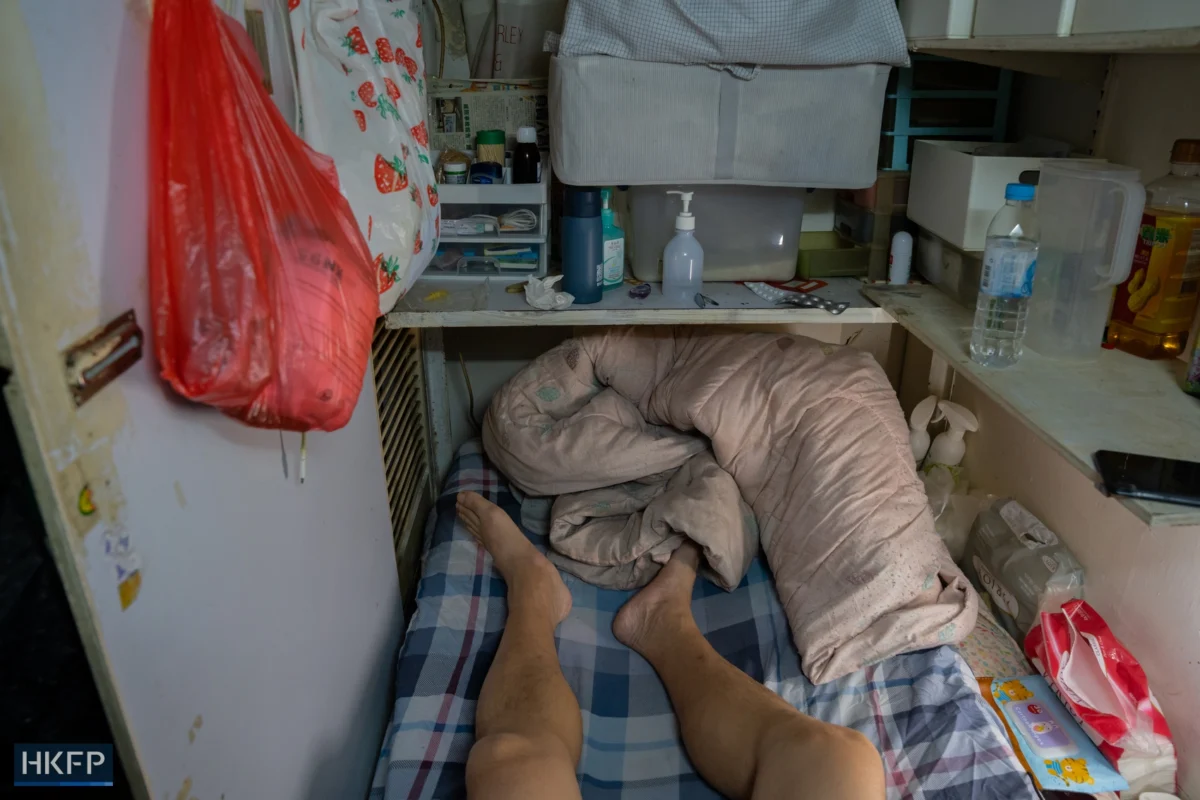
In the wake of Chief Executive John Lee’s inaugural Five-Year Plan and his administration’s latest Policy Address, a coalition of Hong Kong non-governmental organizations (NGOs) has issued a fervent call for enhanced protections for the city’s low-income residents. These advocacy groups, including prominent organizations like the Society for Community Organization (SoCO), Grassroots Wishes, Concerning Grassroot Housing Rights Alliance, Care for Carers, and Alliance for Children Development Rights, have criticized the government’s recent policy pronouncements for falling short in addressing critical social welfare issues. Their demands span a range of urgent measures, from immediate rent controls and robust heatwave safety protocols to the reinstatement of a crucial income-based poverty line and more comprehensive support for families.
The collective voice of these NGOs emerged following a joint watch party held in Mong Kok on Wednesday, September 16, 2026, as Chief Executive John Lee delivered his annual Policy Address to the Legislative Council. Their immediate post-address statement highlighted a perceived gap between the government’s stated ambitions and the tangible needs of the most vulnerable segments of Hong Kong society.

Reinstating the Poverty Line and Addressing Labour Concerns
A central demand from SoCO, a veteran anti-poverty NGO, is the immediate reinstatement of Hong Kong’s income-based poverty line. This critical statistical tool, which officials controversially scrapped in 2022, has been a cornerstone for measuring and understanding the depth of poverty in the city. Its removal, critics argue, obscures the reality faced by many households and hinders targeted policy interventions. The absence of this baseline data makes it difficult to assess the true impact of government initiatives and to hold policymakers accountable for their poverty reduction goals.
Beyond poverty metrics, the coalition also raised concerns about the local labour market and the potential impact of non-local labor policies. They proposed the implementation of a "circuit-breaker mechanism" to cap the intake of non-local labor. This mechanism would be triggered when key economic indicators, such as local unemployment rates, underemployment figures, salary levels, and the availability of local labor supply, reach predefined benchmarks. The underlying sentiment is to prioritize local workers and ensure that economic growth benefits the existing workforce before further expanding the labor pool with foreign talent.

Urgent Need for Enhanced Heatwave Safety Measures
The NGOs also directed attention to the inadequacy of current heatwave safety measures, particularly for outdoor and physically demanding occupations. They urged a critical review of the existing heat stress warning system, advocating for its enhancement to more accurately reflect the realities of diverse work environments and varying labor intensities. The current system, they contend, is insufficient in protecting workers from the potentially life-threatening effects of extreme heat.
In a joint statement released on Wednesday evening, the coalition articulated specific recommendations: "Heat prevention requirements should be incorporated into tender agreements, complete with a penalty system and fines, as well as restrictions on bidding for tenders." This suggests a desire for regulatory enforcement and accountability, moving beyond mere advisories to binding obligations for employers and contractors. The aim is to ensure that businesses are financially and operationally incentivized to prioritize the health and safety of their workers during periods of high temperatures.

Housing: Addressing Subdivided Units and Rent Hikes
The coalition’s concerns extend significantly into the realm of housing, a perennial crisis in Hong Kong. While acknowledging the government’s stated commitment to tackling substandard housing, they presented a series of proactive policy recommendations. A key proposal is the establishment of a cap on initial rents for "Basic Housing Units." These are defined as subdivided units that have been upgraded to meet minimum living standards set by the authorities.
The urgency behind this proposal stems from fears that landlords, after making necessary renovations to comply with new standards, might exploit the situation by significantly increasing rents. This would, in effect, shift the burden of improvement onto tenants, potentially exacerbating affordability issues rather than alleviating them. The government’s Five-Year Plan outlines an ambition to "resolve the issue of substandard subdivided units by 2030" and to reduce the average waiting time for subsidized rental housing to under four years by 2030/31. While these targets are welcomed by housing advocates, they also highlight the long road ahead.

The NGOs pointed out that Lee’s policy address, while aiming to increase public housing supply, failed to adequately address the persistent problem of "coffin homes." These are extremely cramped living spaces, often no larger than a single bed, that currently house over 1,000 residents. The inhumane conditions and lack of basic amenities in these units represent a stark illustration of the housing crisis’s most severe manifestations.
Family Support Policies Under Scrutiny
The NGOs also offered a critical perspective on the government’s recent enhancements to the baby bonus scheme, which includes a HK$30,000 cash handout for families welcoming a second or subsequent child. While such financial incentives are a step, the coalition argued that they lack comprehensive long-term support for families. Their recommendations include the provision of housing discounts, learning allowances, free childcare services, and subsidies that would enable parents to pursue part-time employment without sacrificing their children’s well-being or their own career development. This suggests a broader vision of family support that goes beyond immediate financial aid to encompass holistic development and sustainable livelihoods.

Broader Context and Implications
The pronouncements from the NGOs come at a critical juncture for Hong Kong. Chief Executive John Lee’s first Five-Year Plan, released in conjunction with his Policy Address, sets out the government’s strategic direction for the city’s development through 2030. This plan emphasizes economic revitalization, innovation, and improving the quality of life for residents. However, the persistent disparities in wealth and opportunity within Hong Kong mean that the benefits of such plans are not always equitably distributed.
The NGOs’ response underscores a fundamental tension: the government’s focus on macro-level economic and developmental goals versus the pressing, everyday needs of low-income citizens. Their call for stronger protections is not merely a plea for welfare but a demand for a more inclusive and equitable approach to governance.

The scrapping of the income-based poverty line in 2022, for instance, aligns with a broader trend observed in some jurisdictions where the focus shifts from absolute poverty measurement to relative poverty or income quintiles. However, for advocacy groups working directly with those in need, the income-based line provided a tangible benchmark for understanding the extent of destitution and advocating for specific income support measures. Its absence creates an information vacuum that can be exploited to downplay the severity of poverty.
The debate around non-local labor also reflects Hong Kong’s ongoing challenge of balancing economic competitiveness with social equity. As the city seeks to attract talent and investment, the impact on local employment and wages remains a sensitive issue, particularly for lower-skilled workers. The proposed circuit-breaker mechanism is a sophisticated, data-driven approach to managing this delicate balance, aiming to ensure that labor import policies are responsive to the prevailing conditions in the local job market.
The persistent issue of subdivided housing and "coffin homes" serves as a stark reminder of Hong Kong’s deep-seated housing affordability crisis. While the government’s commitment to increasing public housing supply and addressing substandard units is a positive development, the NGOs’ concerns about rent increases on improved units highlight the need for vigilant oversight and a multi-pronged approach that includes rent stabilization measures. The current waiting times for public housing, though targeted for reduction, remain a significant burden for many families living in precarious conditions.

The NGOs’ critique of the baby bonus scheme suggests a shift in advocacy towards a more holistic understanding of family support. Beyond one-off cash payments, there is a recognized need for integrated policies that facilitate parental employment, support child development, and ensure long-term financial security for families. This aligns with global trends in social policy, which increasingly emphasize early childhood development and work-life balance.
The proactive stance of these NGOs, organizing watch parties and issuing detailed statements, demonstrates a commitment to holding the government accountable and ensuring that the voices of the marginalized are heard. Their demands, ranging from regulatory changes to structural reforms, indicate a deep understanding of the complex social and economic challenges facing Hong Kong. As the city navigates its future under the framework of the Five-Year Plan, the ongoing dialogue between civil society and the government will be crucial in shaping a more equitable and sustainable Hong Kong for all its residents. The coming years will reveal whether the government’s policy initiatives can effectively translate into tangible improvements in the lives of its most vulnerable citizens.

 Lina Hope
 Neng Nana