 Pevita Pearce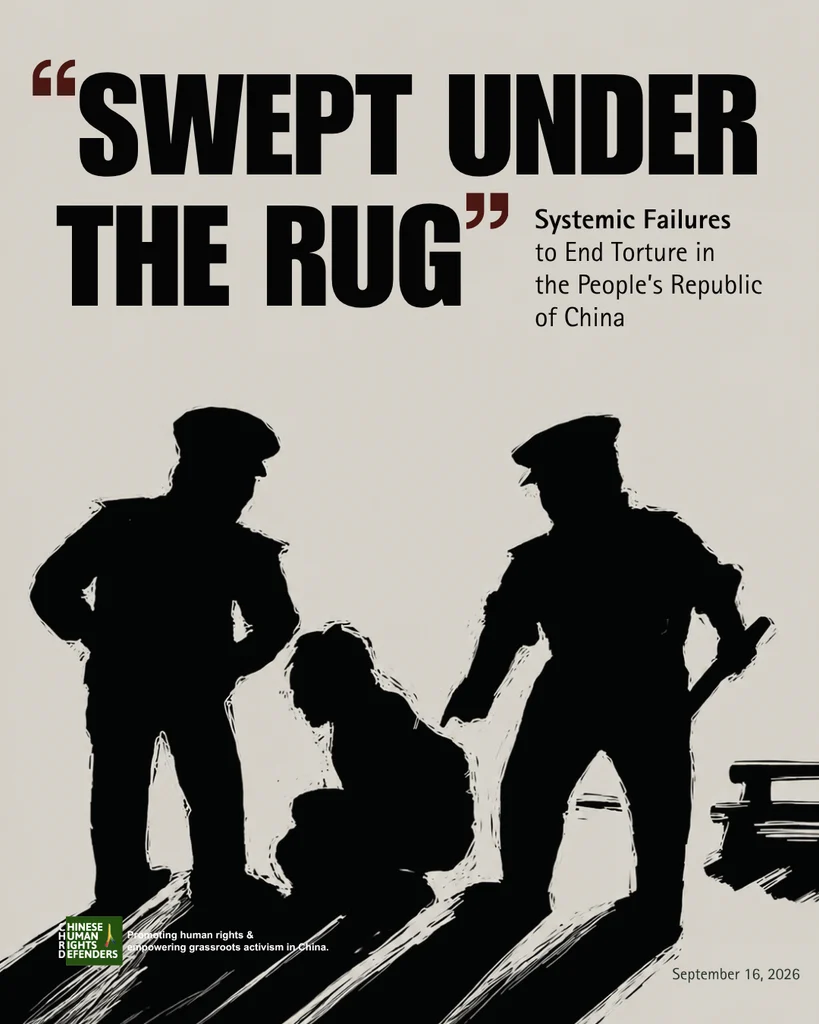
China persists in using torture on prisoners to force confessions, including severe beatings and the deliberate withholding of critical medical care, a prominent human rights group, Chinese Human Rights Defenders (CHRD), stated on Wednesday, revealing a stark reality within the nation’s opaque judicial system. The alarming findings come as the daughter of one detainee expressed profound fears to AFP that her mother, critically ill and denied proper treatment, will ultimately succumb to her ailments behind bars. This persistent pattern of abuse, documented over nearly a decade, highlights a significant gap between China’s domestic legal prohibitions against torture and its international human rights commitments, and the grim realities faced by those ensnared in its detention facilities.
Systemic Abuse Unveiled: The CHRD Report
The latest comprehensive report from the Chinese Human Rights Defenders, titled "Swept Under the Rug: Systemic Failures to End Torture in the People’s Republic of China," meticulously examined 209 individual cases of prisoners who alleged they were subjected to torture and various forms of ill-treatment while in detention across China between 2016 and 2025. This extensive timeframe provides a detailed snapshot of enduring human rights violations, demonstrating that despite explicit legal prohibitions on such practices within Chinese law and international treaties, these abuses remain widespread and deeply entrenched. The report’s findings paint a disturbing picture of systemic failures to investigate, prosecute, and ultimately eradicate torture.

According to the CHRD’s meticulous analysis, prisoners of conscience — individuals detained solely for their peaceful beliefs or actions — were disproportionately targeted, indicating a deliberate strategy to suppress dissent and control narratives. The methods of torture described were diverse and brutal. A significant one-fifth of the prisoners interviewed reported being subjected to physical beatings, often severe and sustained, designed to inflict pain and break their will. Even more concerning, 15 percent of detainees explicitly stated that they were tortured as a direct means to coerce confessions, underscoring the pervasive nature of forced confessions within China’s justice system. This practice undermines the very foundation of fair trial principles and often leads to wrongful convictions.
Beyond physical violence, the report highlighted a critical and life-threatening form of neglect: the deprivation of adequate medical care. Thirty-five percent of the prisoners interviewed by CHRD detailed how they were denied necessary medical attention, often exacerbating existing health conditions or leading to new ones. Tragic consequences were recorded, with at least 16 individuals dying behind bars as a direct result of this medical neglect during the period covered by the report. This deliberate denial of medical care effectively transforms detention into a death sentence for vulnerable detainees, raising serious questions about the humanitarian standards within Chinese prisons.
Further elaborating on the cruel methods employed, prisoners recounted being deprived of basic human necessities such as sleep, food, and water for extended periods. Others described being subjected to extreme environmental conditions, including freezing temperatures, designed to cause severe discomfort and distress. Reports also included the use of electric shocks, confinement in torturous iron cages, and being hung by the wrists for prolonged durations, all designed to inflict maximum pain and psychological trauma. The geographic spread of these abuses is equally disturbing, with cases of torture documented by CHRD in every province and special administrative region of China, with the sole exception of Macau, suggesting a nationwide, rather than isolated, problem.
The Plight of Yin Dengzhen: A Personal Testimony

The abstract statistics of the report are brought into sharp, tragic focus by the individual case of Yin Dengzhen, a 58-year-old jailed petitioner. Yin, a former vegetable seller, is currently serving a four-and-a-half-year sentence for the vaguely defined charge of "picking quarrels and provoking trouble," a common accusation used by Chinese authorities to silence critics and petitioners who seek to expose local corruption. Her daughter, Xia Beibei, relayed a harrowing account to AFP, revealing the depth of her mother’s suffering and the family’s despair.
Yin Dengzhen had a history of repeatedly attempting to expose alleged local corruption in her home province of Hubei, making her a "prisoner of conscience" targeted by the state. While in temporary detention awaiting sentencing, her health deteriorated drastically. She was diagnosed with lymphoma and her weight plummeted to just over 35 kilograms (approximately 80 pounds), rendering her unable to eat or walk normally. Despite her critical condition, and the urgent need for specialized medical intervention, Yin was denied release on medical grounds.
According to Xia Beibei, authorities callously dismissed her mother’s severe health issues. After Yin’s sentencing, an official medical examination bizarrely concluded that she was "in good health," making her fit for transfer to a women’s prison in Wuhan. This official declaration directly contradicted the clear medical evidence and Yin’s observable physical decline, leading Xia to believe it was a deliberate obfuscation. "What I find most unacceptable is that even when my mother was critically ill and possibly facing death at any moment, authorities… maliciously concealed my mother’s condition and said she had no serious diseases," Xia lamented, her voice laden with anguish.
The psychological toll on Yin Dengzhen was immense. In the months leading up to her sentencing, communicated through her lawyer, she conveyed a deep sense of pessimism and despair. "She believed authorities’ reasoning for putting her in jail was to let her die there," Xia recounted, highlighting the devastating impact of such treatment on a detainee’s mental and emotional state. This poignant testimony underscores the cruel irony of a justice system that, while claiming to uphold law and order, appears to systematically undermine the fundamental right to life and dignity.

China’s Opaque Justice System and International Obligations
China’s justice system has long been a subject of intense international scrutiny and criticism. Its characteristic opacity, lack of independent oversight, and the frequent targeting of dissidents, human rights lawyers, journalists, and petitioners have been well-documented. Instances of "disappearances" of defendants, where individuals are held incommunicado for extended periods without family or legal access, are not uncommon, creating an environment ripe for abuses such like torture to flourish unchecked.
Beijing is a signatory to the United Nations Convention Against Torture and Other Cruel, Inhuman or Degrading Treatment or Punishment (UNCAT), which it ratified in 1988. By ratifying UNCAT, China formally committed itself to preventing torture within its borders and to punishing those who perpetrate it. Under Article 2 of UNCAT, each State Party is obligated to take effective legislative, administrative, judicial, or other measures to prevent acts of torture in any territory under its jurisdiction. Furthermore, Article 4 mandates that all acts of torture be made offenses under national criminal law, with appropriate penalties.
Domestically, Chinese law does indeed state that torture and using violence to force confessions are punishable offenses, carrying potential prison sentences of up to three years. More severe punishments are stipulated if torture results in injuries or the death of the victim. However, the CHRD report, along with numerous other human rights observations, consistently indicates a profound disconnect between these legal provisions and their actual implementation and enforcement. The report explicitly found "no evidence suggesting prosecutions or disciplinary actions for those responsible" for torture within the cases it examined.

This failure to enforce its own laws and international commitments is a critical finding. The CHRD report concludes that "torture persists because Chinese authorities typically refuse to investigate and prosecute allegations made by prisoners of conscience. In some cases, complaints lead to further punishment," creating a chilling effect that discourages victims from reporting abuses. This systemic impunity ensures that perpetrators face no consequences, effectively sanctioning the continuation of torture.
Official Reactions and International Accountability
Historically, the Chinese government has consistently rejected allegations of torture brought against it by the UN, various human rights groups, and individual complainants. Official statements often characterize such accusations as politically motivated or unfounded. This stance has made it exceptionally challenging for international bodies, including the UN Committee Against Torture, to conduct thorough and independent assessments of the situation on the ground.
However, in a rare departure from this consistent denial, China’s top prosecutor in 2025 issued an admission, acknowledging that torture and unlawful detention do indeed occur within the country. This admission, while limited, was seen by some as a potential sign of introspection and a commitment to address internal issues. The prosecutor at the time vowed to crack down on illegal practices by law enforcement officials. Yet, the CHRD’s comprehensive report, covering the period immediately following this admission, found no discernible change in practice, indicating that the vow was either not implemented effectively or was largely symbolic.

The CHRD’s ultimate conclusion is that "Beijing is increasingly belligerent in rejecting allegations of torture… and thwarts international accountability efforts." This combative approach, the report argues, not only isolates China on the international stage but also "weakens the domestic legal system and allows torture to flourish." The Chinese government did not immediately respond to an AFP request for comment regarding the latest CHRD report, maintaining its pattern of silence on such sensitive human rights issues.
Broader Implications and the Path Forward
The findings of the "Swept Under the Rug" report carry significant implications for human rights within China and for its standing in the international community. The persistence of torture, particularly against vulnerable groups like petitioners and prisoners of conscience, underscores a fundamental flaw in China’s governance – a prioritization of social control and political stability over individual rights and due process. This creates an environment of fear and suppression, deterring citizens from exercising their legitimate rights to expression and peaceful assembly.
For the international community, the report highlights the enduring challenge of holding powerful states accountable for human rights abuses. Despite China’s ratification of UNCAT and its participation in UN human rights mechanisms, the lack of transparency, access for independent observers, and genuine cooperation continues to impede effective oversight. This situation strains diplomatic relations and fuels concerns among human rights advocates worldwide.

The systemic nature of the failures, as identified by CHRD, suggests that merely legislative changes are insufficient. What is required is a fundamental shift in institutional culture, independent oversight bodies with real power to investigate and prosecute, and a genuine commitment from the highest levels of government to uphold the rule of law and protect human dignity. Without these comprehensive reforms, the cycle of torture and impunity will likely continue, leaving countless individuals like Yin Dengzhen in fear for their lives within China’s prisons, and casting a long shadow over the nation’s claims of progress and development. The international community, including UN bodies and foreign governments, must continue to exert pressure and demand transparency, accountability, and concrete action from Beijing to eradicate torture once and for all.


 Jia Lissa