Lina Irawan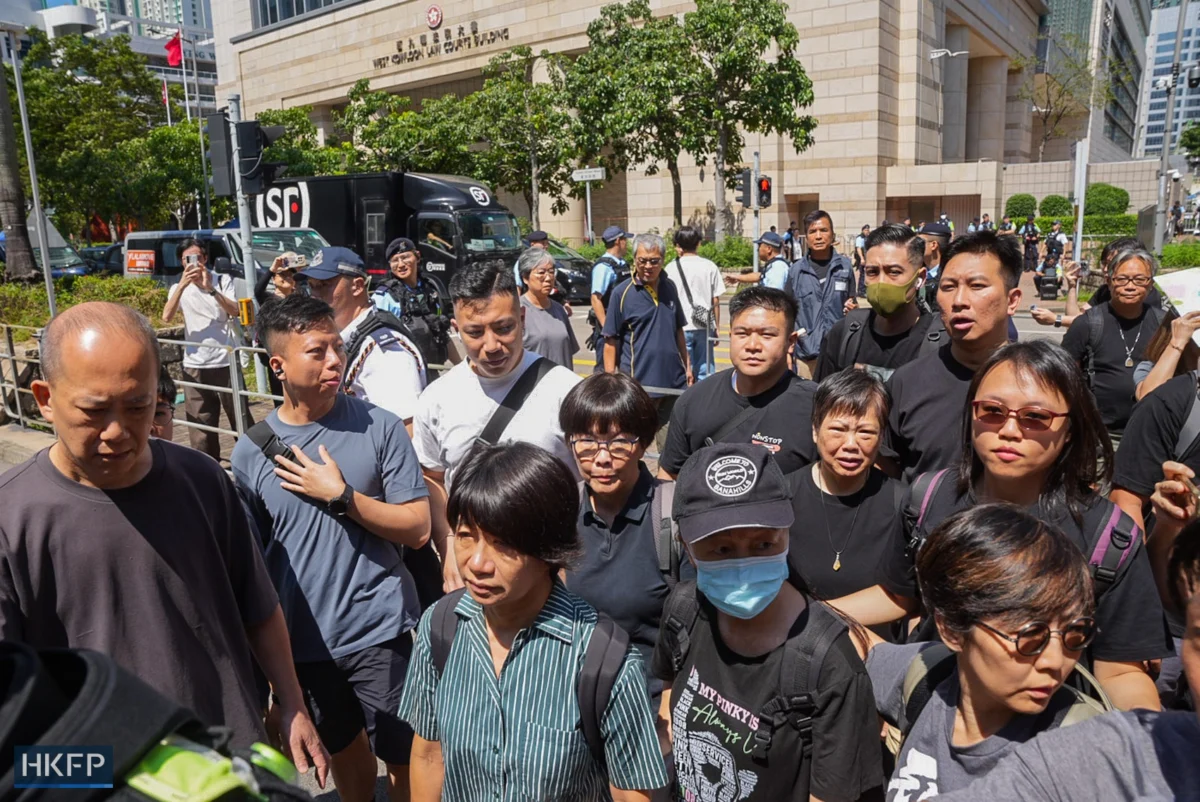
Relatives of three prominent Hong Kong activists, convicted of inciting subversion for their roles in organizing annual Tiananmen Square massacre vigils, have vehemently denounced the severe prison sentences handed down on Friday, labeling them as "totally unjust." Two of the defendants, Lee Cheuk-yan and Chow Hang-tung, have declared their intention to appeal the verdicts and their respective jail terms.

Lee Cheuk-yan, a former labor union leader and co-founder of the now-disbanded Hong Kong Alliance in Support of Patriotic Democratic Movements of China, received a sentence of seven years. Chow Hang-tung, a barrister and key figure within the Alliance, was sentenced to seven years and three months. Albert Ho, another leader of the Alliance, who pleaded guilty to the charge, received a sentence of five years and two months. The Hong Kong Alliance itself was also convicted and fined HK$1.5 million. The organization was renowned for its decades-long tradition of holding candlelit vigils in Victoria Park to commemorate the victims of the Chinese Communist Party’s violent crackdown on pro-democracy protesters in Beijing on June 4, 1989.
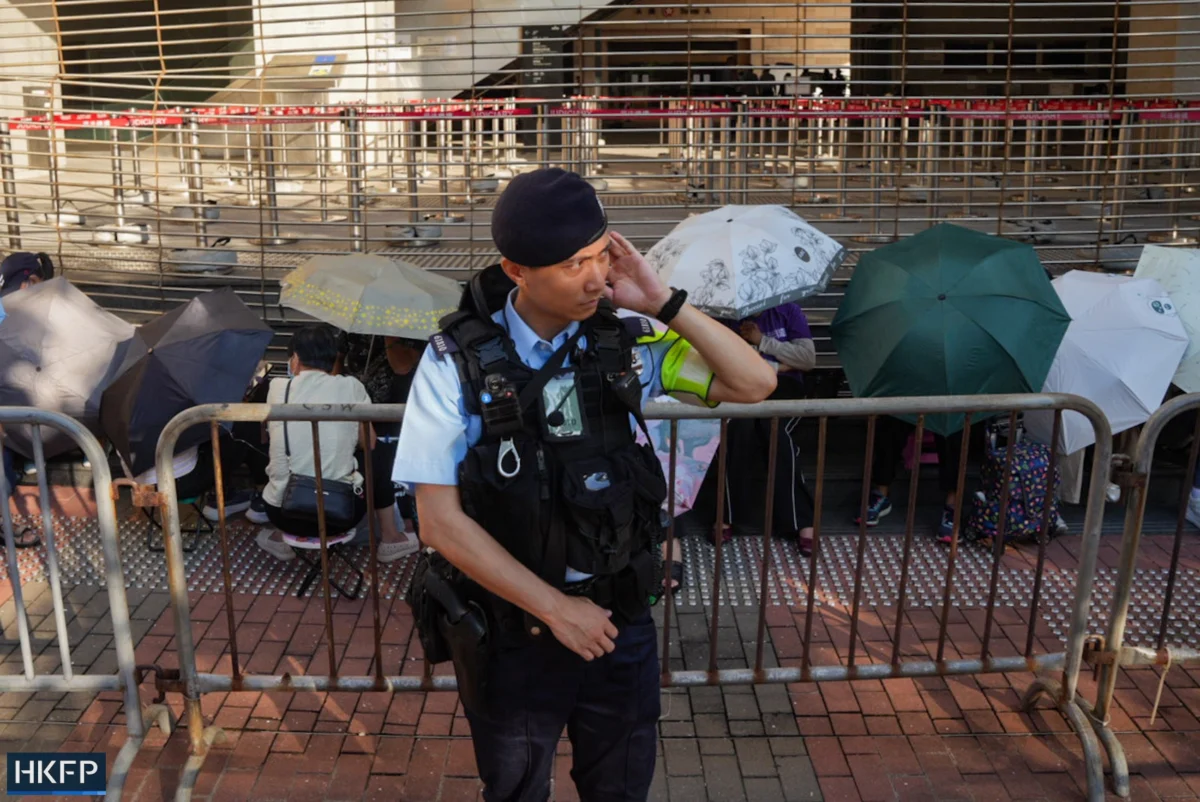
The sentences were delivered by a panel of three designated national security judges, a move that has drawn criticism for potentially eroding judicial independence. Lee’s wife, Elizabeth Tang, speaking to reporters outside the West Kowloon Law Courts Building, expressed her profound dismay. "It’s a sad day for me as his wife," Tang stated in Cantonese, her voice heavy with emotion. "I cannot imagine that he has to spend another three years in jail." She characterized the sentences as "unacceptable" and predicted widespread shock and anger among the public, recalling the massive turnout at the Victoria Park vigils over the years.

A Legacy of Remembrance and Repression
The convictions and sentencing mark a significant escalation in the suppression of dissent in Hong Kong, effectively criminalizing the commemoration of the Tiananmen Square massacre. For over three decades, the Hong Kong Alliance served as a vital conduit for collective memory and public expression of grief and solidarity with the victims and their families in mainland China. The annual vigils, often drawing tens of thousands of participants, were a unique public demonstration of defiance against the Chinese government’s pervasive censorship and historical revisionism surrounding the 1989 crackdown.

The Tiananmen Square protests, which began in April 1989, initially centered on demands for greater political freedom, an end to corruption, and economic reforms. The movement gained widespread support, culminating in large-scale demonstrations in Tiananmen Square and across many other cities in China. The government’s response was brutal and swift. On the night of June 3-4, 1989, the People’s Liberation Army was deployed to clear the square, resulting in a violent crackdown that claimed the lives of hundreds, and by some estimates, thousands of unarmed civilians and students. The exact death toll remains unknown due to official secrecy and ongoing suppression of information within mainland China.
Appeals and Defiance

Elizabeth Tang confirmed that both Chow Hang-tung and Lee Cheuk-yan intend to appeal their convictions and sentences. This decision underscores a commitment to challenge the legal proceedings and the application of the National Security Law, which was imposed on Hong Kong by Beijing in June 2020 following widespread pro-democracy protests.
Chow Hang-tung’s mother, who chose to remain anonymous to the press, spoke with a quiet dignity about her daughter’s resilience. She shared a poignant recollection of Chow’s words after representing herself in court: "She once said: ‘It feels great, I can finally take off my barrister’s robe and speak the truth freely on my own behalf.’" Her mother expressed a complex mix of sorrow and a sense of grim validation, suggesting that the prosecution’s actions had, paradoxically, reopened the memories of June 4th and ensured that the events and the subsequent crackdown on freedoms in Hong Kong were officially recorded in court proceedings. She extended her gratitude to legal professionals who have stood by the activists, urging them not to be discouraged by the verdict.

Judicial Interpretation and Sentencing Framework
The court’s ruling acknowledged that the case did not involve violence or the threat of violence, nor had the defendants presented specific plans or timelines for achieving their objective of ending one-party rule in mainland China. However, the judges deemed the offense to be "of a serious nature," placing the defendants within the higher sentencing bracket of the National Security Law, which mandates penalties ranging from five to ten years imprisonment for such offenses. This interpretation suggests that the act of "inciting subversion" can encompass activities that do not involve direct violence, broadening the scope of the law’s application.

Official Statements and Reactions
Following the sentencing, Senior Superintendent Steve Li of the police force’s National Security Department addressed the media. Li characterized the offenses as "extremely serious" and noted that Chow Hang-tung, having shown no remorse, received the heaviest sentence. When questioned about whether commemorating the Tiananmen crackdown itself constitutes a violation of the law, Li stated that vigils can be utilized for "incitement" and cautioned organizers of public assemblies and marches, asserting that the police would be monitoring such events closely. This statement signals a continued crackdown on public commemorations and expressions of political dissent in Hong Kong.

Lau Ka-yee, an activist and friend of Chow Hang-tung, expressed her strong disagreement with the sentences, asserting that the defendants "shouldn’t be in prison at all – not even for a single day." She emphasized that the call for remembrance was not confined to the Alliance but represented the sentiments of "millions of Hongkongers and friends overseas." Lau also raised concerns about prison conditions, particularly in light of record-breaking summer temperatures, urging the Correctional Services Department to implement better heat reduction measures.
Broader Implications for Hong Kong and Press Freedom

The sentencing of these Tiananmen vigil activists represents a chilling development in Hong Kong’s rapidly evolving political landscape. It underscores the diminishing space for political expression and the erosion of freedoms previously enjoyed under the "one country, two systems" principle. The convictions are widely seen as a direct consequence of the National Security Law, which critics argue has been used to silence opposition and dismantle civil society organizations.
The targeting of individuals for commemorating the Tiananmen Square massacre has profound implications for historical memory and freedom of speech in Hong Kong. It signals a concerted effort by the authorities to align Hong Kong’s narrative with that of mainland China, where discussions about the 1989 crackdown are heavily censored.

The commitment to appeal by Lee Cheuk-yan and Chow Hang-tung, along with the defiant stance of their families and supporters, suggests that the struggle for fundamental rights and freedoms in Hong Kong is far from over. However, the increasing severity of the sentences and the broader legal framework employed raise serious concerns about the future of activism and dissent in the city. The international community continues to monitor these developments closely, with many expressing deep concern over the erosion of Hong Kong’s autonomy and its commitment to human rights. The events of Friday mark another somber chapter in the ongoing narrative of Hong Kong’s transformation.

 Nila Kartika Wati
 Sagoh
Sagoh